

Executive Overview
In a sudden and unexpected strategic reversal, Meta has officially abandoned its plans to sunset the virtual reality (VR) iteration of its flagship metaverse platform, Horizon Worlds. The announcement, delivered by Meta’s Chief Technology Officer and head of Reality Labs, Andrew “Boz” Bosworth, during an impromptu Instagram "Ask Me Anything" (AMA) session, comes on the heels of mounting internal shifts and external criticism.
Initially introduced to the public in 2021 as the cornerstone of Mark Zuckerberg’s sweeping rebranding and strategic pivot toward the metaverse, Horizon Worlds has experienced a turbulent lifecycle. Burdened by early technical limitations, sparse initial user engagement, and relentless internet mockery regarding its graphics and legless avatars, the platform has long struggled to capture the mainstream cultural zeitgeist. As Meta’s broader corporate priorities shifted aggressively toward artificial intelligence infrastructure, cost-efficiency, and mobile integration, the writing appeared to be on the wall for the platform’s native VR application.
However, after being flooded with impassioned pleas from dedicated VR users and creators, Meta executives chose a path of preservation over outright termination. While the company is officially shifting its primary developmental focus and resource allocation toward the Meta Horizon mobile ecosystem—where user acquisition and creator activity have outpaced expectations—the existing VR spaces will remain online.
This decision marks a fascinating turning point in the ongoing evolution of spatial computing. It highlights the difficult balancing act tech conglomerates face as they navigate the messy chasm between legacy hardware ecosystems and emerging mobile-first strategies. Furthermore, the reversal unfolds against a rapidly shifting competitive backdrop, with rivals like Apple—bolstered by recent high-end enterprise and gaming developments such as Nvidia’s CloudXR integration for visionOS—redefining expectations for the spatial computing market.
Detailed Chronology: From Metaverse Boom to Mobile Pivot and Reprieve
To understand the weight of Meta’s latest announcement, one must trace the trajectory of Horizon Worlds from its high-profile rollout to its current, more pragmatic state.
2021–2022: The Genesis and the Grand Vision
When Meta (formerly Facebook) changed its name in late 2021, the company signaled an existential bet on the metaverse. Horizon Worlds was positioned as the operational proof-of-concept for this vision—a social sandbox where users wearing Meta Quest headsets could interact, play games, build virtual environments, and attend digital events. Originally opened to select beta testers, the application rolled out widely across the United States and Canada throughout 2022.
Despite massive capital infusions and heavy corporate promotion, the platform faced immediate headwinds. Early technical reviews criticized the platform’s simplistic physics, jarring user interfaces, and the infamous absence of virtual legs for avatars. Memes lampooning Zuckerberg’s virtual avatar standing in front of a flat, uninspired digital rendering of the Eiffel Tower circulated widely, turning the platform into a symbol of Silicon Valley overreach.
2023–2025: Strategic Realignment and the Mobile Expansion
Realizing that requiring a dedicated, standalone VR headset presented a massive barrier to entry for the average consumer, Meta executed a strategic pivot. In April 2022, the company began laying the groundwork to expand Horizon Worlds beyond the confines of Quest hardware, eventually bringing the experience to web browsers and mobile devices.
By broadening access to smartphones and tablets, Meta unlocked a much wider audience funnel. Consumer and creator energy quickly gravitated toward the frictionless entry point offered by mobile platforms. Development budgets, marketing campaigns, and engineering mindshare began shifting steadily away from the resource-heavy VR ecosystem toward the lighter, more scalable mobile framework powered by the Meta Horizon engine.
As the months pressed on, rumors and internal projections pointed toward an inevitable wind-down of the original VR-native applications, particularly those utilizing older frameworks like the Horizon Unity runtime. For the dedicated community of VR loyalists, a shutdown felt imminent.
March 2026: The AMA Revelation
The speculation culminated during Bosworth’s recent Instagram AMA session. Prompted by an inquiry from a concerned user who had reached out directly to the company regarding the fate of their favorite virtual spaces, Bosworth made the surprise announcement. Meta had decided, practically on the day of the broadcast, to spare the VR version of Horizon Worlds from the chopping block.
While new game development for the VR platform will effectively cease in favor of mobile initiatives, the legacy runtime games and existing virtual worlds will remain accessible to the community. For the first time in years, Meta has opted to grandfather in an older hardware ecosystem to protect a passionate, vocal niche of its user base.
Supporting Context & Metrics: The Economics of Spatial Computing
Meta’s decision to keep Horizon Worlds alive on VR while prioritizing mobile is rooted in hard data, shifting consumer habits, and the sobering economics of hardware-dependent ecosystems.
The Hardware Barrier vs. Mobile Accessibility
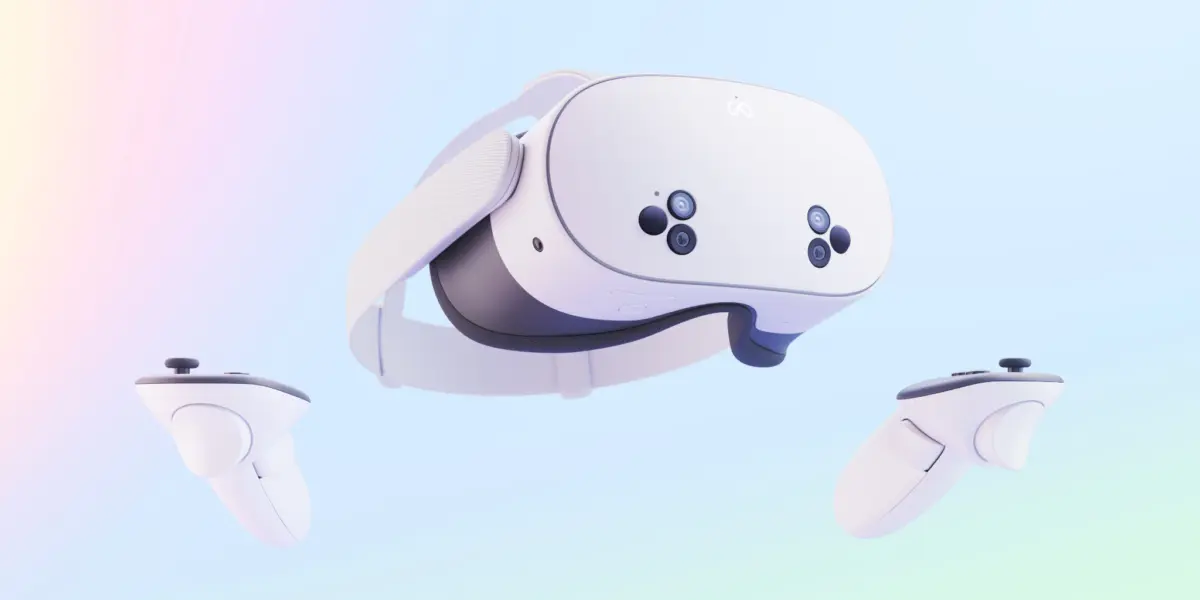
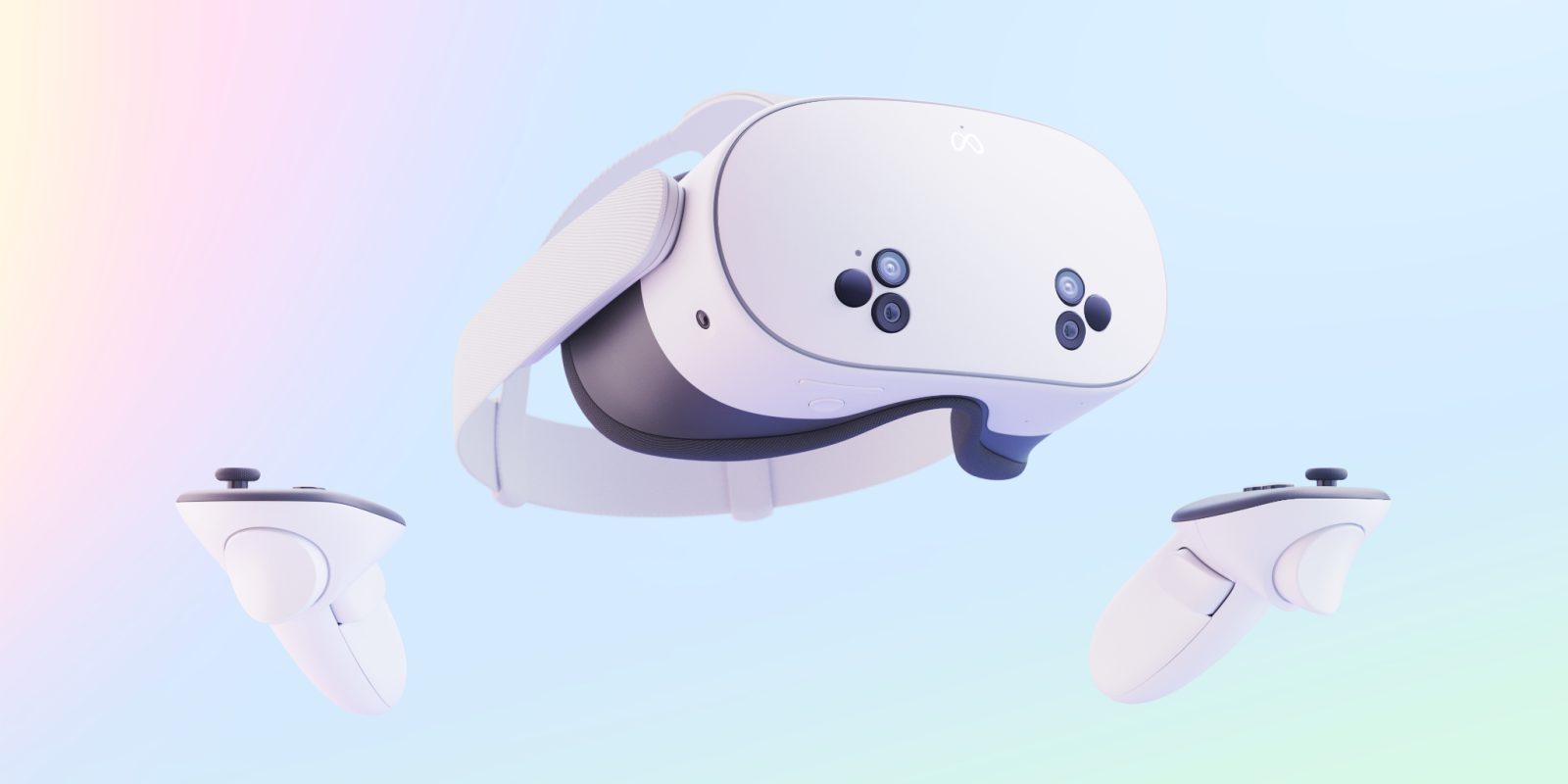
Developing and sustaining high-fidelity, real-time 3D environments for standalone VR headsets—such as the Meta Quest series—requires immense processing power, optimized rendering, and continuous moderation. While headsets like the Quest 3 and the budget-friendly Quest 3S have achieved impressive commercial milestones, the broader consumer market remains heavily tethered to smartphones.
Mobile deployment offers several distinct advantages for Meta:
- Frictionless Onboarding: Users do not need to purchase a $300+ headset, charge batteries, or strap hardware to their faces just to log in.
- Creator Scalability: Content creators find larger, more immediate audiences on mobile platforms, which naturally translates to higher engagement metrics and monetization potential.
- Infrastructure Costs: Maintaining server architecture for mobile apps generally incurs a different risk-to-reward ratio compared to supporting fragmented, high-latency spatial computing runtimes.
Despite these mobile tailwinds, Meta cannot afford to completely abandon its hardware roots. The Meta Quest product line remains the undisputed market leader in standalone consumer VR. Alienating the very hardware enthusiasts who championed the platform during its formative years could deal a severe blow to brand loyalty, especially as competition in the mixed-reality and spatial computing sectors intensifies.
The Competitive Landscape: Apple, Nvidia, and the Flight Simulator Standard
While Meta recalibrates its metaverse ambitions, the competitive landscape is evolving at a breakneck pace. Apple continues to press forward with the Apple Vision Pro and its visionOS ecosystem, targeting high-end productivity, enterprise applications, and elite entertainment.
Recent updates underscore this divergent path. Nvidia has detailed its CloudXR technology for visionOS, enabling heavy-duty, immersive industrial design workflows—such as the Autodesk VRED app—to run smoothly on Apple’s premium hardware. Furthermore, the integration of advanced software features, including what industry watchers have dubbed the "world’s most advanced flight simulator" coming via visionOS updates, highlights the stark contrast between Apple’s high-end, ultra-crisp enterprise approach and Meta’s mass-market, social-first philosophy.
Faced with a landscape where rivals are capturing high-end enterprise and simulation segments, Meta’s choice to retain its VR social spaces—even in a maintenance-oriented capacity—ensures it maintains a foundational presence in the VR gaming and social space without draining future R&D budgets away from mobile and AI.
Official Statements: Inside Bosworth’s Announcement
To fully grasp the nuance of Meta’s policy shift, examining Andrew Bosworth’s exact statements provides valuable insight into the company’s internal decision-making process. Speaking candidly via his Instagram stories, Bosworth articulated the precise boundaries of the reprieve:

"We have decided, just today in fact, that we will keep Horizon Worlds working in VR for existing games to support the fans who’ve reached out, like yourself, who really care about that. Those, the Horizon Unity runtime games, they’re not gonna work on mobile. They’ll just be working on VR.
We’re not bringing new games. Again, most of our energy is going towards mobile and the Meta Horizon engine there. The reason for that is because that’s where most of the consumer and creator energy already was, and so we’re kind of leaning into that. But yeah, you know, for people who already have games that they like that they’re using in Horizon Worlds, will be able to download the Horizon Worlds app and use it in VR for the foreseeable future."
Analyzing the CTO’s Remarks
Several key takeaways emerge from Bosworth’s statement:
- The Spontaneity of the Decision: The phrasing "just today in fact" reveals how fluid and reactive Meta’s internal product roadmap can be. It underscores the direct impact that sustained, passionate user outreach can have, even on trillion-dollar tech giants.
- The Architectural Divide: The explicit mention of "Horizon Unity runtime games" highlights a technological barrier. These legacy experiences cannot easily be ported to Meta’s newer mobile engine without a complete rebuild. Rather than spending capital on rebuilding old projects, Meta chose to freeze development while keeping the lights on.
- The Mobile-First Mandate: Bosworth makes no bones about where the company’s financial and engineering future lies. Mobile is where the metrics justify the spend. VR users have essentially been granted a preserved museum of legacy experiences, maintained for the sake of community goodwill.
Future Outlook: What This Means for Creators, Users, and the Metaverse
As the dust settles on Meta’s sudden U-turn, stakeholders across the spatial computing ecosystem are left to ponder what the future holds for Horizon Worlds and the broader metaverse concept.
For VR Creators and Loyalists
For independent developers and long-time users who built virtual worlds, games, and social hubs using the legacy Horizon Unity runtime, the news is a massive relief. Their hard work will not vanish into the digital ether. However, the realization that no new games will be developed for the VR platform means that the VR side of Horizon Worlds has effectively entered a period of graceful stewardship rather than aggressive expansion. Creators must decide whether to optimize their future projects for Meta’s burgeoning mobile ecosystem or continue maintaining their legacy VR spaces for a dedicated, albeit static, audience.
For Meta’s Hardware Division
For the hardware teams designing future iterations of Meta Quest headsets, keeping Horizon Worlds alive—even in a limited capacity—retains a vital software anchor. Headsets need social spaces, community hubs, and multiplayer environments to justify their utility beyond standalone gaming. By ensuring that Horizon Worlds remains accessible on Quest hardware, Meta avoids the awkward reality of having its own hardware ecosystem entirely devoid of its flagship social platform.
The Broader Metaverse Narrative
The pivot also reflects a maturing industry. The early days of the metaverse—characterized by breathless hype, infinite promises of a fully realized virtual society, and immediate hardware dominance—have given way to pragmatic reality. Companies are learning that user acquisition cannot be forced purely through branding exercises; it must align with where consumers naturally exhibit friction-free behavior (mobile devices), while simultaneously respecting the passionate subcultures that form around nascent hardware formats (VR).
Ultimately, Horizon Worlds will not die a quiet death in VR. Instead, it enters a fascinating second act: a dual-track existence where mobile drives the commercial growth and creator innovation, while VR preserves the nostalgic, foundational roots of Meta’s initial leap into the metaverse.





Belum ada komentar. Jadilah yang pertama berkomentar!