

Published: September 18, 2026
Author: Chihiro Furukawa (Nagoya Campus)
Location: Nagoya, Aichi Prefecture, Japan
Executive Overview
As the city of Nagoya and Aichi Prefecture prepare to host the prestigious Asian Games from September 19 to October 4, 2026, an influx of athletes, media, international delegates, and sports enthusiasts are expected to descend upon the region. With competition venues distributed widely across the prefecture and urban center, the logistical challenge of moving between transit hubs, event sites, and commercial districts has become a top priority for city planners and visitors alike.
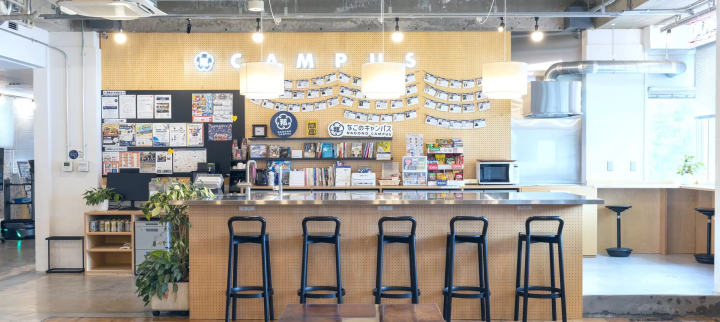
Enter a uniquely innovative urban solution: the pairing of "Nagono Campus"—a historic elementary school revitalized into a bustling startup incubator and co-working space—with "Charichari," a ubiquitous app-based bike-sharing network. Located a mere five-minute bike ride from the sprawling transportation nexus of Nagoya Station, this former educational institution now serves as an agile hub for remote professionals. Featuring walk-in co-working facilities that require zero reservations, an on-site Charichari port, and deep roots in a historic neighborhood, the campus offers a blueprint for modern, sustainable urban mobility during major international events.
This report examines how the intersection of historic preservation, flexible workspace design, and micro-mobility is transforming Nagoya into a hyper-accessible city. By bridging the gap between traditional rail transit and pedestrian exploration, Nagoya Campus and Charichari provide an indispensable resource for anyone navigating the 2026 Asian Games.
Detailed Chronology: From Century-Old School to Modern Innovation Hub
To understand the unique charm of Nagoya Campus, one must look back at its century-long trajectory—a journey from a community educational pillar to a crucible for twenty-first-century enterprise.
1909–2015: The Nagoyano Elementary School Era
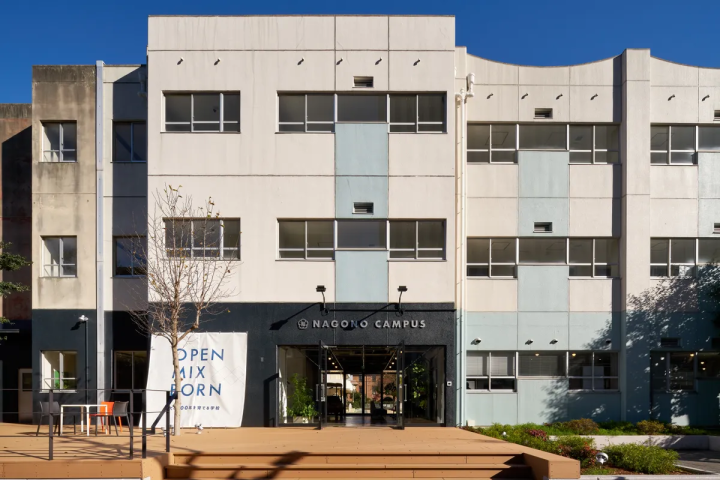
The physical structure that houses today’s co-working space was originally constructed as the Nagoya Municipal Nagoyano Elementary School, opening its doors in 1909 (Meiji 42). For 106 years, the institution anchored the local community, educating generations of children in the historic Nagono district of Nishi Ward. However, echoing a nationwide demographic trend of declining birthrates, the school officially closed its doors in 2015, leaving behind a cherished local landmark whose future hung in the balance.
2019: Rebirth as "Nagoya Campus"
Rather than succumbing to demolition, the historic property underwent a comprehensive, sensitive renovation. In October 2019, the building reopened under its current moniker, embodying the guiding philosophy: "Open, Mix, and Be Born."
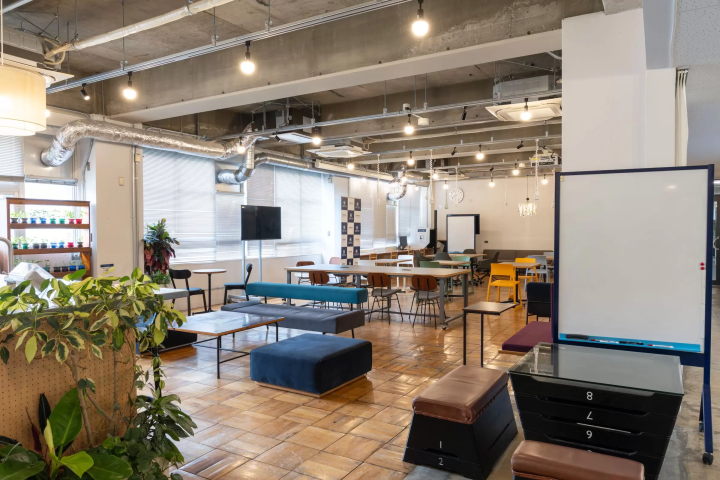
Urban planners designed the facility to honor its past while catalyzing its future. The concept bridges a century of community memory with the cultivation of next-generation industries. Today, the former classrooms house a dynamic mix of enterprises, ranging from agile tech startups to dedicated corporate innovation and new business development teams dispatched by major enterprises. Walking down the corridors, visitors can still spot original architectural touches, including preserved blackboards and student lockers, seamlessly integrated into a high-tech, collaborative office environment.
2026: The Asian Games Milestone
As Nagoya prepares for the spotlight of the 2026 Asian Games, Nagoya Campus has assumed a dual identity. It operates as both a localized engine for regional commerce and an indispensable infrastructural asset for visitors seeking quiet, fully equipped workspace amidst the festive chaos of the international games.
Supporting Context & Metrics: Micro-Mobility and Flexible Workspace Dynamics
Navigating a major metropolitan area during a global sporting event often exposes the friction points of traditional public transit. While heavy rail networks efficiently move passengers across long distances, and walking offers intimacy with the urban fabric, a persistent mobility gap remains: journeys that are too complex to walk, yet too short or indirect to justify navigating a subway transfer.
Bridging the Transit Gap with "Charichari"
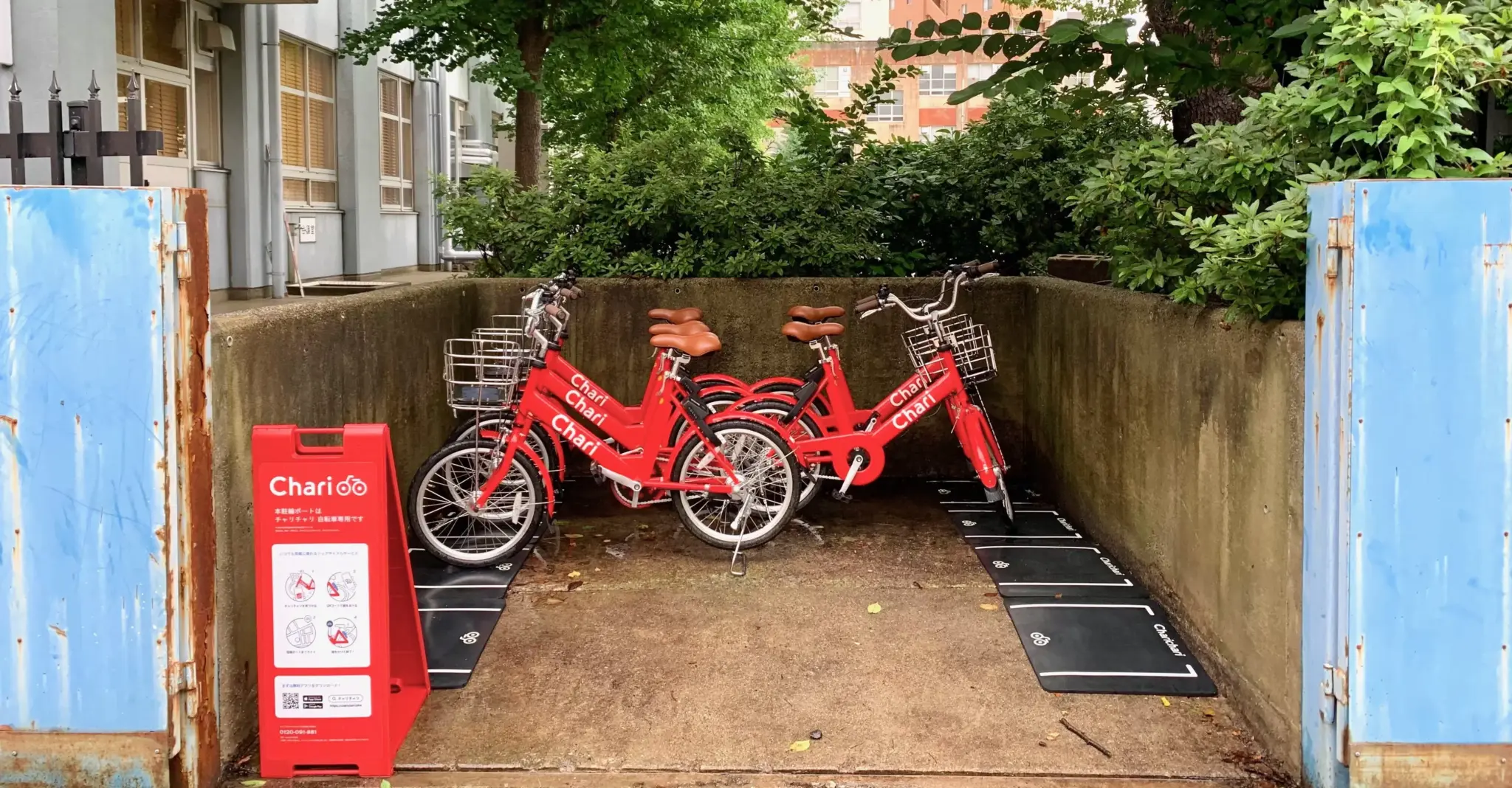
Charichari is engineered precisely to solve this "last-mile" and "medium-distance" dilemma. Operating across four major Japanese markets—Fukuoka, Nagoya, Tokyo, and Kumamoto—the service allows users to rent and return bicycles at a dense network of virtual and physical share-cycle ports without the hassle of docking stations requiring physical keys or lengthy registration processes.
During the 16 days of the Asian Games, when pedestrian and vehicular congestion is projected to peak, Charichari provides a flexible, health-conscious alternative.
- Transparent, Minute-Based Pricing: The service operates on an accessible, pay-as-you-go economic model. Standard bicycles cost just 7 yen per minute, while electric-assist bicycles—ideal for bridging longer distances or navigating Nagoya’s gentle inclines—are priced at 17 yen per minute. This granular billing structure ensures that users pay only for exact transit times, removing financial friction even for trips lasting as little as five minutes.
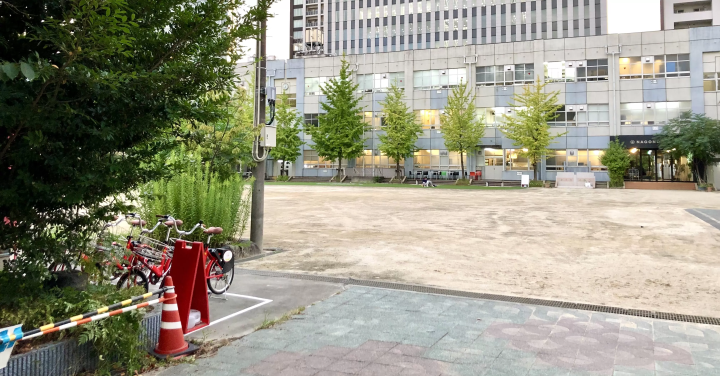
- Strategic Port Integration: A dedicated Charichari port sits directly within the grounds of Nagoya Campus, creating a frictionless loop. Commuters and visitors can dock their bicycles on campus, step inside for an urgent online meeting or a quiet hour of focus work, and undock another bike to dive back into the city’s pulsing transit network.
Nagoya Campus Facility Profile & Operational Metrics
For digital nomads, remote workers, and international journalists covering the Asian Games, Nagoya Campus provides robust infrastructure designed for immediate, frictionless productivity.
| Operational Metric / Feature | Detail & Specifications |
|---|---|
| Official Address | 2-14-1 Nagoyano, Nishi Ward, Nagoya City, Aichi Prefecture 451-0042 |
| Geographic Access | ~8-minute walk northwest from Nagoya Station’s Sakuradori Exit; ~9-minute walk from Kokusai Center Station (Subway Sakuradori Line); ~5-minute bike ride via Charichari from Nagoya Station. |
| Shared Bicycle Infrastructure | Two dedicated Charichari ports: • Nagoya Campus (North): Located inside the grounds (accessible during facility operating hours). • Nagoya Campus (South): Located outdoors, available 24 hours a day. |
| Drop-in / Walk-in Pricing | General Admission: 1,650 yen/day (tax included); Nagoya Student Discount: 550 yen/day (tax included). No reservations required. |
| Payment Ecosystem | Cashless payment only (major credit cards and digital payment methods accepted; cash is strictly not accepted). |
| Business Hours | Weekdays: 10:00 AM – 9:00 PM Weekends and Holidays: 10:00 AM – 6:00 PM |
| On-Site Amenities | High-speed Free Wi-Fi, power outlets at every seat, complimentary beverage service, dedicated phone booths, silent concentration booths, and a multifunction print station (paid service). |
| Accessibility Note | Because the facility preserves the historic structure of a vintage Japanese school building, there is no elevator. However, the drop-in co-working space is conveniently situated on the first floor, ensuring complete accessibility without the need to navigate stairwells. |
Official Statements and Local Insights
The integration of heritage architecture, modern co-working, and micro-mobility has earned high praise from urban analysts and community leaders alike.
"The philosophy behind Nagoya Campus has always been about porous boundaries—allowing the community, entrepreneurs, and travelers to mix freely," notes management representatives at the facility. "During the Asian Games, our doors are wide open to anyone who needs a moment of quiet productivity or a reliable base camp. By embedding Charichari ports directly into our schoolyard, we are offering a seamless transition between physical motion and deep-focus work."
Urban transit specialists emphasize that the success of modern Japanese cities hinges on decentralizing congestion. By offering drop-in spaces outside the immediate glass-and-steel confines of Nagoya Station’s towering skyscrapers, districts like Nishi Ward absorb commuter pressure while introducing visitors to authentic local culture.
Experiencing the Nagono District
Beyond its utility as a workplace, Nagoya Campus acts as a portal to Nagoya’s historical soul. Situated just blocks away from the campus are architectural and cultural treasures that showcase the city’s dual identity as both a modern industrial powerhouse and a keeper of Edo-period heritage:
- Shikemichi Street: Located a mere few minutes’ walk from the campus, this historic thoroughfare preserves the distinct urban layout and whitewashed earthen storehouses (dobo-zukuri) of the Edo period.
- Endoji Shopping Street: A nostalgic neighborhood arcade housing generational businesses, including Kissaten Matsuba—widely regarded as the oldest operating coffee shop in Nagoya—and Shorodo, a traditional Japanese confectionery establishment founded in 1877.
- Nagoya Castle & Cultural Corridors: A leisurely 15-minute Charichari ride from the campus leads cyclists directly to the majestic gates of Nagoya Castle, from which visitors can easily extend their journey to the historical Cultural Path and the tranquil landscape of Tokugawa Garden.
Local tourism itineraries frequently recommend an optimized daily rhythm: Rent a Charichari bicycle at the outdoor Nagoya Campus (South) port first thing in the morning, cruise the historic lanes of Shikemichi, park the bike and check into the co-working space as doors open at 10:00 AM, and cap off the evening by returning to the saddle to enjoy dinner and drinks in Endoji.
Future Outlook: A Blueprint for Sustainable Urban Events
As the 2026 Asian Games draw near, the cooperative framework between Nagoya Campus and Charichari offers an inspiring preview of how mid-sized global cities can host major events without succumbing to infrastructural gridlock.
The initiative demonstrates that sustainable urban futures do not always require massive, capital-intensive megaprojects. Instead, they can emerge from creative adaptive reuse—breathing new life into abandoned civic assets like closed schools—and coupling them with flexible, low-carbon micro-mobility networks.
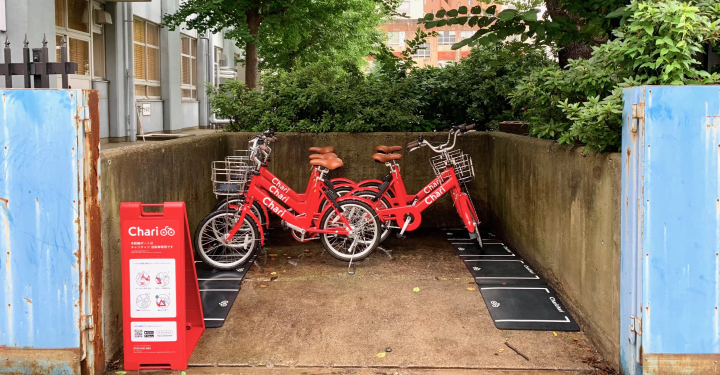
Furthermore, the expansion of the Charichari network continues apace. Company representatives have issued an open call throughout Nagoya for local business owners, commercial landlords, and community development organizations interested in hosting new bicycle ports on their properties. This collaborative expansion model seeks to weave micro-mobility deeper into the urban fabric, ensuring that the infrastructure established for the Asian Games leaves a permanent, positive legacy for residents and visitors long after the closing ceremonies conclude.
For travelers, athletes, and remote professionals navigating Nagoya this autumn, the formula is clear: step off the train, secure a bike, find your focus at a century-old chalkboard turned workstation, and experience the city on your own terms.
Quick Links & Resources
- Nagoya Campus Official Website: https://nagono-campus.jp/
- Charichari Regional Port Map: https://charichari.bike/map?region=NGO
- Related Travel Media: From Endoji Shopping Street to the Cultural Path and Tokugawa Garden






Belum ada komentar. Jadilah yang pertama berkomentar!