

Executive Overview
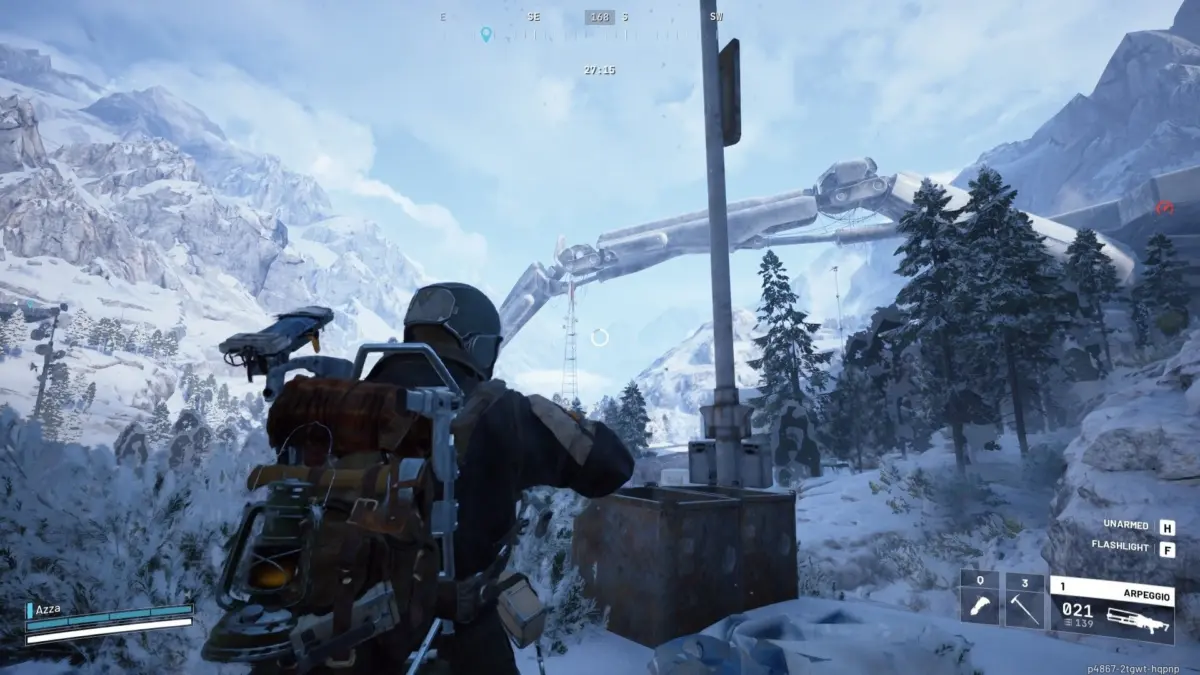
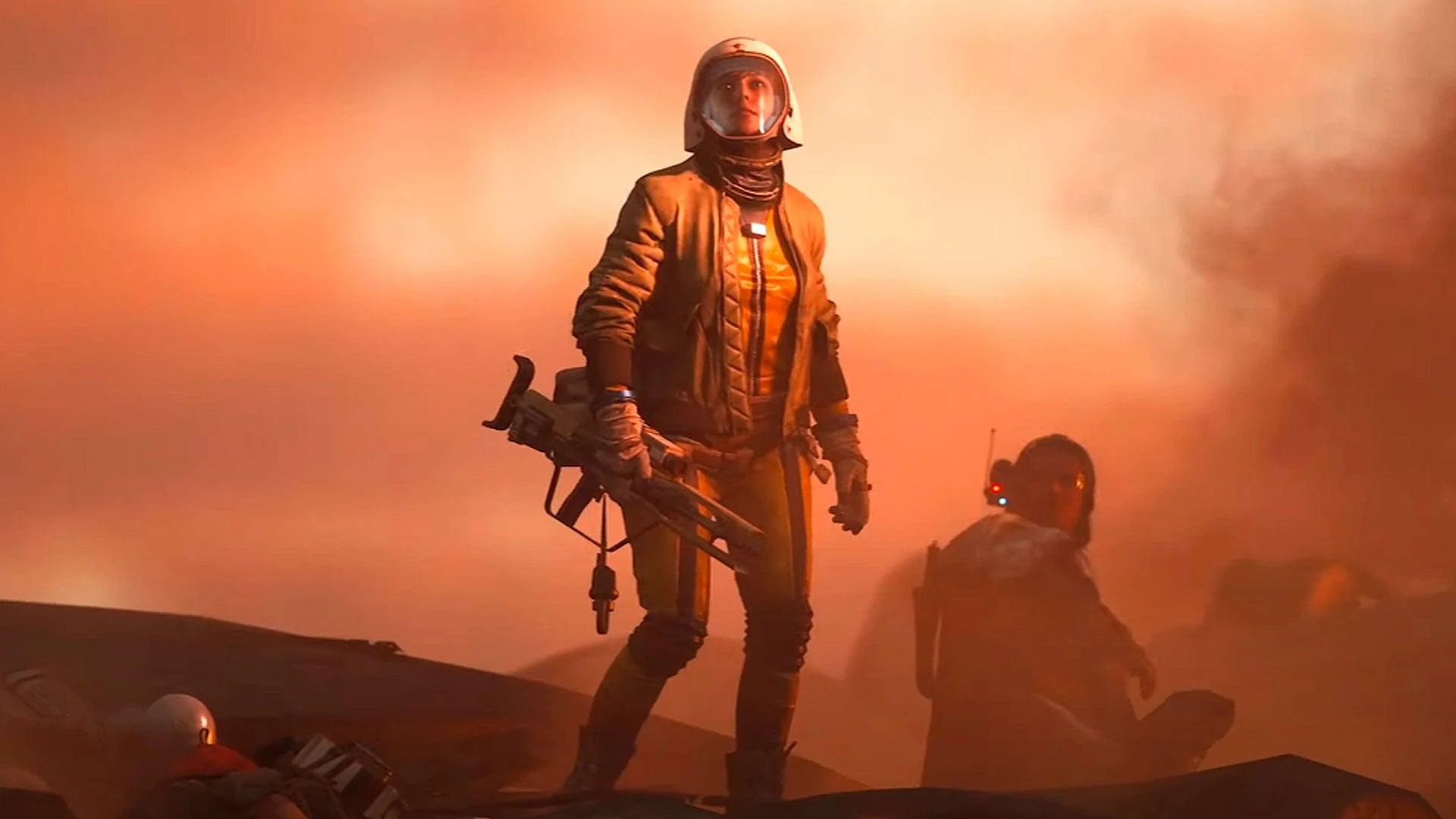
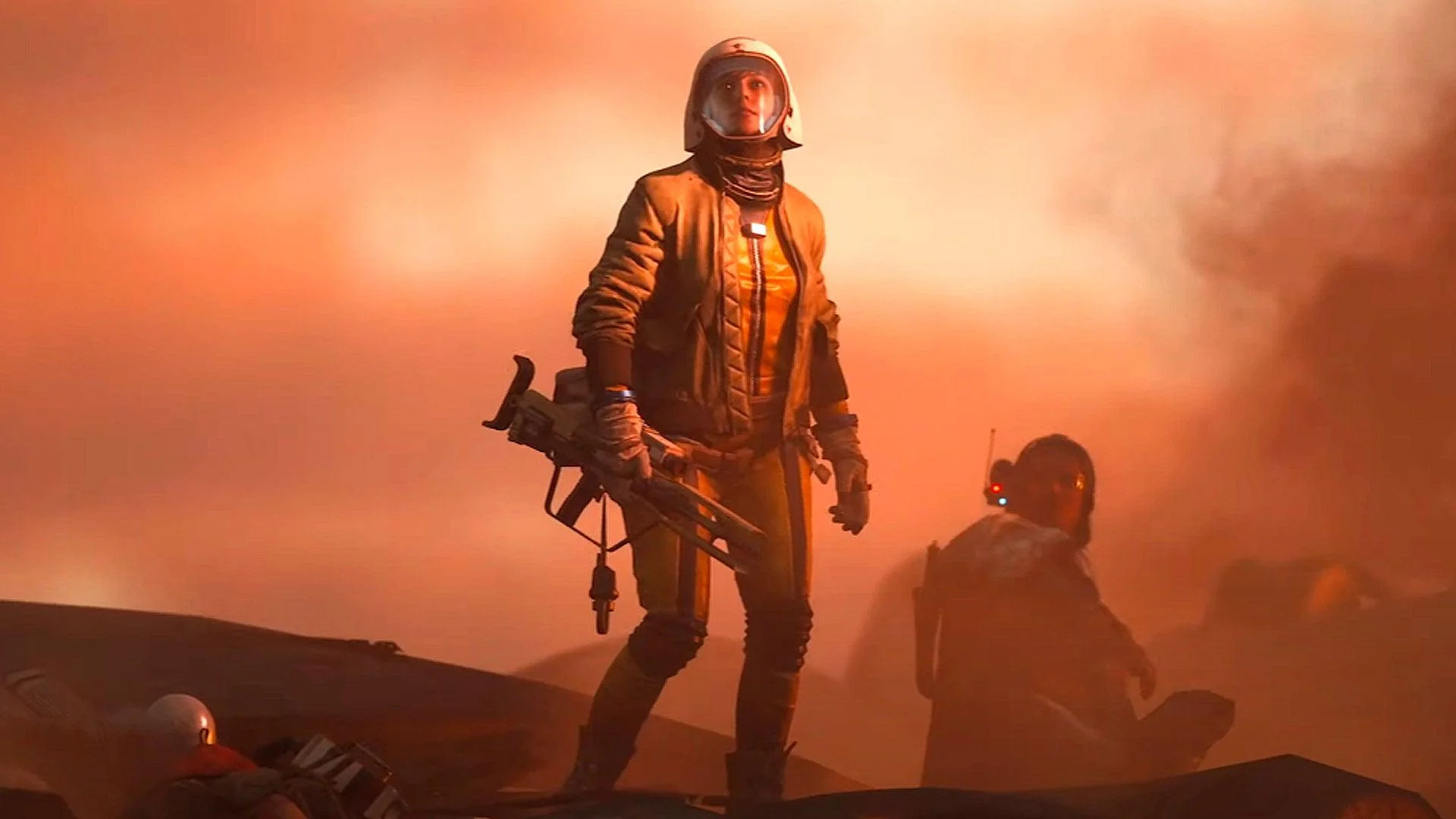
The video game industry has entered a volatile intersection of technological experimentation and artistic integrity, where the boundaries between innovation and creative displacement are increasingly blurred. When developer Embark Studios launched Arc Raiders, it captured the imagination of millions, quickly establishing itself as a frontrunner in the evolving extraction-shooter genre.
Yet, this monumental success was immediately overshadowed by a heated industry debate: the studio’s utilization of artificial intelligence to generate and mimic voice acting lines.
What began as a logistical maneuver to streamline rapid game development quickly morphed into a public relations crisis. Critics and players alike decried the use of synthetic voice lines, citing a distinct lack of emotional resonance—a shortcoming made painfully obvious when compared to the rich, organic performances found in competing titles like Bungie’s Marathon.
In response, Embark Studios has broken its silence, offering a transparent—though intensely debated—look into why the technology was implemented in the first place, how it fits into their production pipeline, and why the studio maintains that it values human talent above all else. This feature explores the chronology of the Arc Raiders AI controversy, the technical realities behind the pipeline, the wider industry precedent, and what lies ahead for the game’s narrative identity.
Detailed Chronology: From Concept to Community Backlash
The Early Experimentation Phase
Long before Arc Raiders became a household name among extraction-shooter enthusiasts, Embark Studios was already testing the waters of generative machine learning technologies. Having previously experimented with similar audio-generation pipelines during the development of their explosive multiplayer title The Finals, the technical leadership at Embark believed they had a firm grasp of the tools at their disposal.
However, transitioning these technologies into a narrative-heavy, third-person shooter proved to be a vastly different undertaking. The studio integrated voice-cloning technology to handle supplementary dialogue, temporary placeholder lines, and dynamic ping systems. Because the cast of professional voice actors had signed contractual agreements permitting Embark to utilize their vocal data for training and prototyping, the studio felt legally and operationally secure moving forward.
The Public Reveal and Immediate Backlash
The friction began the moment players got their hands on early builds and beta previews of Arc Raiders. Gamers quickly pointed out that specific lines of dialogue sounded robotic, oddly cadence-shifted, and entirely devoid of the organic warmth expected from professional voice artists.
Social media platforms and gaming forums erupted with criticism. For many players, the inclusion of AI-generated or AI-assisted voice work felt like an unnecessary shortcut—one that crossed an ethical line in an industry already grappling with widespread job insecurity and corporate layoffs. The backlash was further intensified by stark community comparisons to titles like Marathon, where traditional, human-led NPC voice performances set a vastly superior standard for character immersion.
Acknowledging the Misstep
Recognizing the escalating tension, Embark Studios’ leadership took a pragmatic approach rather than retreating into corporate defensiveness. Acknowledging that the decision was bound to cause friction, the studio’s developers stepped forward to contextualize their workflow.
Rather than framing the decision as a malicious attempt to phase out human talent, Embark’s audio and creative teams pulled back the curtain on the grueling, highly iterative realities of modern game development, where design loops move faster than traditional recording studios can possibly accommodate.
Supporting Context & Metrics: The Mechanics Behind the Pipeline
To understand why Embark turned to machine learning for Arc Raiders, one must examine the staggering logistical hurdles of modern game audio production. In a dynamic multiplayer extraction shooter, the sheer volume of reactive dialogue required is astronomical.
The Production Bottleneck of Dynamic Systems
During a typical match of Arc Raiders, players constantly ping locations, call out enemy types, report item drops, and react to shifting environmental hazards. According to Embark’s audio team, every new item, weapon modification, or map mechanic demands an extensive catalog of contextual voice lines.
- The Scale of Dialogue: A modern tactical shooter can feature tens of thousands of individual dialogue triggers, many of which are modified or replaced entirely as features are balanced and redesigned during playtesting.
- The Iteration Cycle: Game features change rapidly. If a developer alters how a specific ping system works or introduces a brand-new class of environmental threat, the corresponding audio cues must be updated instantly to maintain gameplay clarity.
Embark’s audio director, Bence Pajor, elaborated on these logistical constraints in a behind-the-scenes video detailing the evolution of the game’s sound design:
"They [the voice actors] have been here all along, but we haven’t always used them to record the actual thing you’re going to hear because that’s only been solidified super late. We made a lot of training data from their voices so we could prototype as well with their voice… To record the training data for the ping system becomes too impractical to record every possible version of something. I mean the actors would just go crazy if they had to read all of that. That’s not feasible because the game has been changing so fast and we can’t call them in every time we just change a feature."
Machine Learning vs. Generative Replacement
Industry analysts note that a fundamental point of confusion during the Arc Raiders debate has been the blurred line between machine learning prototyping tools and fully generative AI replacement. While generative AI is frequently criticized for attempting to bypass human creators entirely, Embark maintains that its pipeline was used primarily as a development scaffold—a temporary stand-in to test how audio cues function in-engine before real actors are brought in to record final performances.
Nevertheless, critics argue that even utilizing synthetic voices during public-facing tests sets a dangerous precedent, normalizing lower fidelity standards and conditioning players to accept machine-processed audio in commercial releases.
Official Statements and Industry Perspectives
The fallout from Arc Raiders has reverberated far beyond Embark Studios, drawing commentary from industry executives across the globe—including Arrowhead CEO Pilestedt, who weighed in on the delicate tightrope developers must walk when adopting controversial new technologies.
Embark’s Counter-Stance: Supporting the Talent
In subsequent statements, Embark’s Chief Creative Officer Stefan Strandberg sought to reassure both the community and the broader performance community that the studio’s long-term vision heavily relies on human artists.

"We are not in the industry of replacing actors, actually quite the opposite—we should celebrate the performance and give them more space," Strandberg stated.
The studio has emphasized that as Arc Raiders continues its live-service lifecycle, its primary goal is to flesh out the backstories, motivations, and personalities of its characters through authentic, human-delivered performances. Embark CEO Patrick Söderlund has similarly acknowledged that "a real professional actor is better than AI," signaling a pivot toward re-recording controversial placeholder dialogue with genuine human talent wherever feasible.
Future Outlook: Healing Community Trust and Setting New Standards
As Arc Raiders prepares for its next major phases of development and content updates, the shadow of the AI voice debate remains a critical case study for the entire gaming sector.
- Transparency in Development Pipelines: Future studios dabbling in machine-learning audio tools will likely need to adopt a far more transparent communication strategy. Explaining how and why tools are used prior to launch can mitigate severe consumer backlash.
- The Push for Re-Recording: Embark’s commitment to replacing temporary synthetic lines with authentic human performances will serve as a vital litmus test. If the studio successfully transitions the game’s cast to fully human-voiced assets, it may repair much of the damaged goodwill.
- The Broader Industry Precedent: The controversy highlights an ongoing philosophical crisis in game development. As budgets balloon and production schedules tighten, studios will continue seeking efficiency solutions. However, the Arc Raiders saga proves that player loyalty and artistic authenticity cannot easily be traded for convenience without a heavy cost.
Ultimately, Embark Studios finds itself at a crossroads. While the technical innovation behind Arc Raiders allowed them to build a mechanically ambitious world at an accelerated pace, the human element remains irreplaceable. Whether the studio can successfully win back its player base—and prove that its use of technology was merely a stepping stone rather than a permanent philosophy—will define the legacy of Arc Raiders for years to come.






Belum ada komentar. Jadilah yang pertama berkomentar!