

Executive Overview
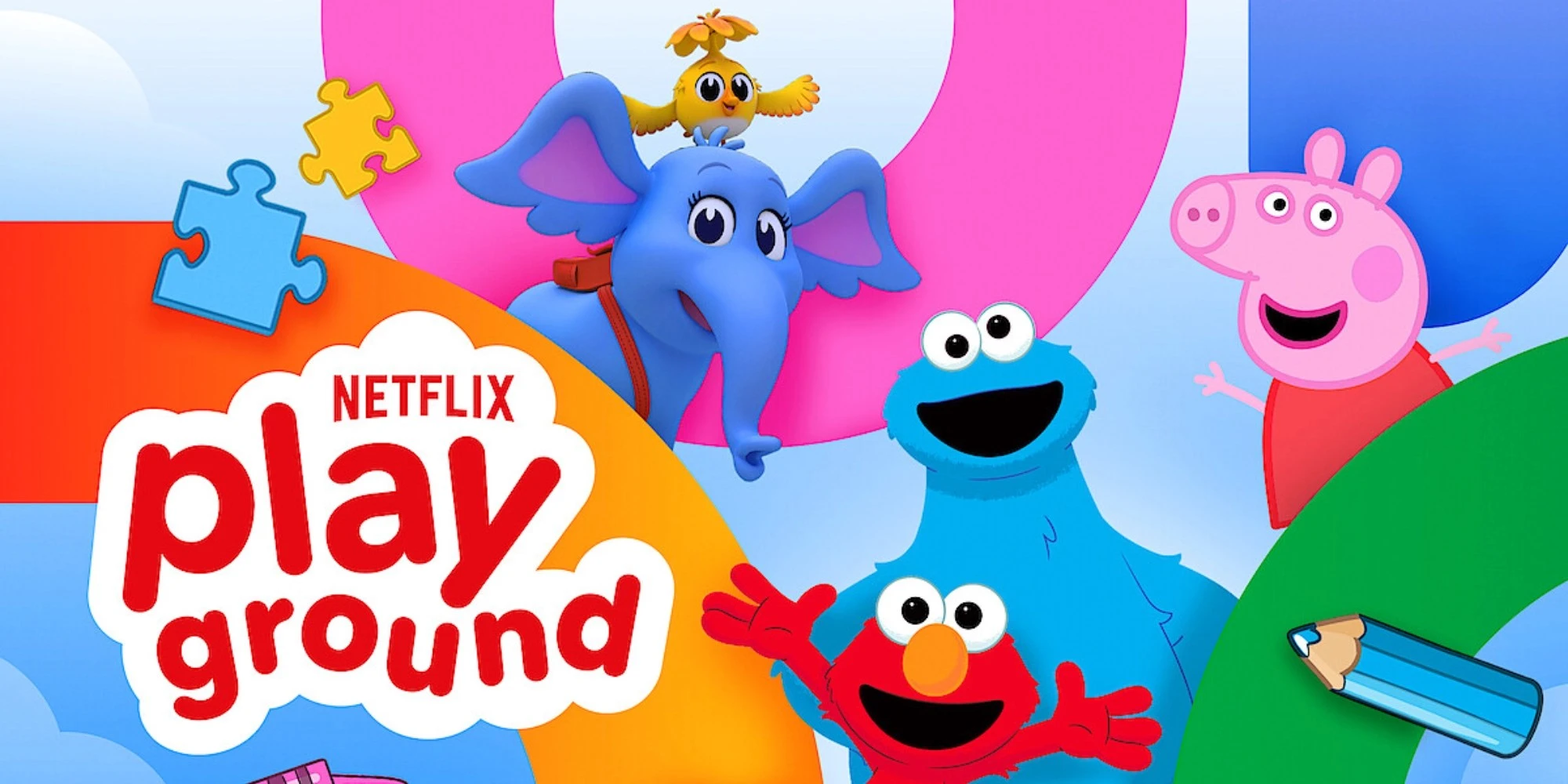
In a strategic maneuver that bridges the gap between streaming entertainment and interactive digital play, Netflix has officially launched Netflix Playground, a dedicated gaming application for the iPhone and iPad. Modelled closely on subscription models like Apple Arcade, the new platform delivers a curated library of interactive, kid-friendly content completely free of advertisements, third-party tracking, and in-app purchases.
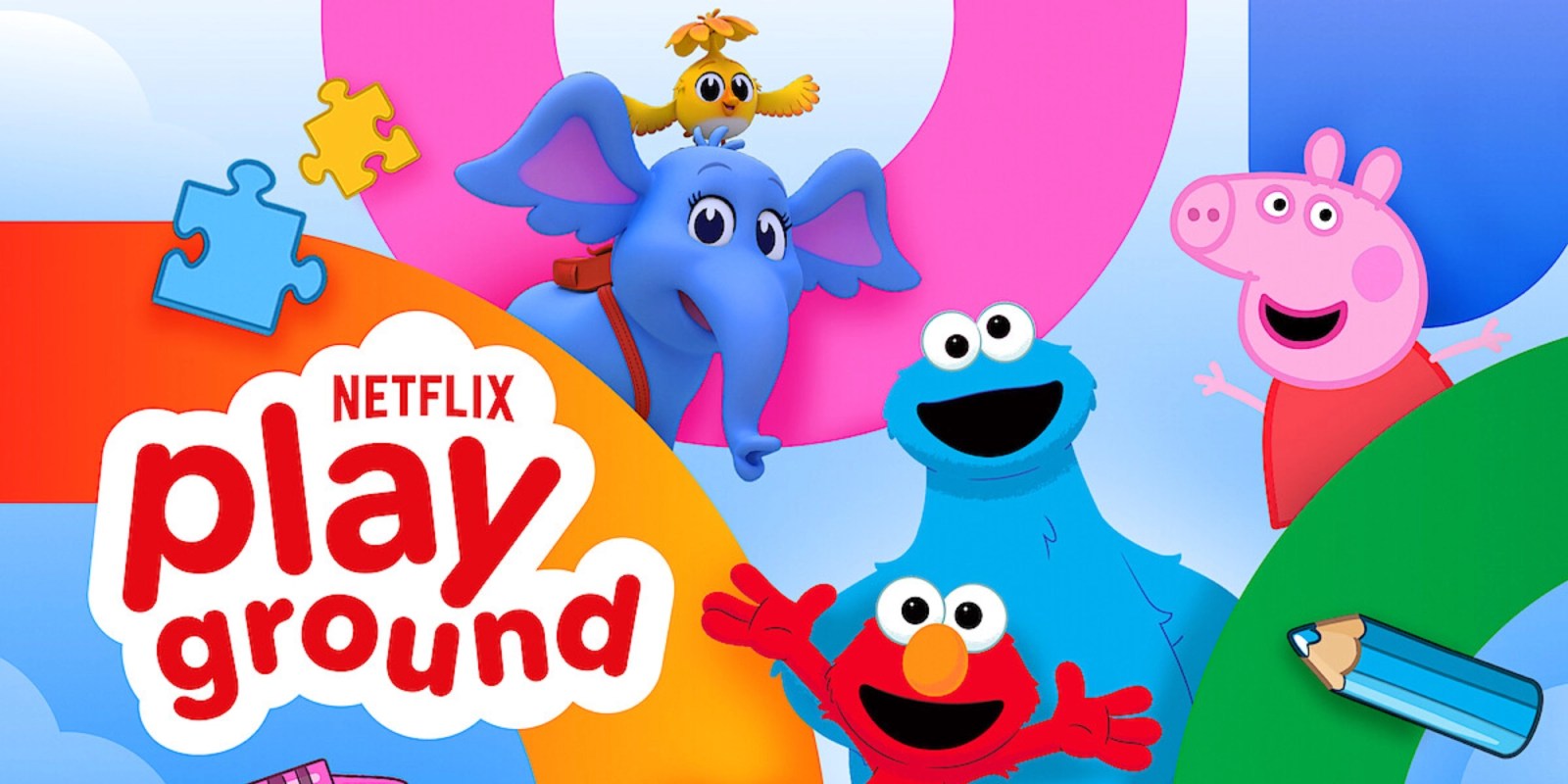
At its core, Netflix Playground is designed to capture the attention of younger demographics by transforming beloved characters and intellectual properties into bite-sized, interactive experiences. Featuring recognizable franchises such as Peppa Pig, Sesame Street, and Dr. Seuss right out of the gate, the platform represents a significant evolutionary step in Netflix’s multi-year diversification strategy. No longer content with merely dominating the living room television screen via passive video consumption, the streaming giant is aggressively carving out real estate in mobile gaming, particularly within households boasting young children.
Crucially, Netflix has structured the service to be universally accessible. Unlike premium streaming tiers or fragmented add-on fees typical of the modern app ecosystem, access to Netflix Playground is bundled into every active Netflix membership tier. Whether a subscriber is on an ad-supported plan or a top-tier premium plan, the application is available at no extra cost. By combining offline playability, zero monetization friction, and high-profile character integration, Netflix is signaling to parents that its platform is a safe, reliable digital environment for family entertainment.
Detailed Chronology: The Evolution of Netflix Gaming
To understand the strategic importance of Netflix Playground, one must examine the timeline of Netflix’s calculated pivot into the interactive entertainment space. What began as a cautious experiment has steadily matured into a core pillar of the company’s long-term business model.
Phase 1: The Mobile Experiment (2021–2022)
Netflix first signaled its serious intentions regarding gaming in late 2021, initially rolling out mobile games exclusively for Android and iOS users via its main streaming application. Early titles were heavily tethered to Netflix’s original prestige intellectual property, such as Stranger Things: 1984 and Stranger Things 3: The Game.
During this initial rollout phase, the friction was palpable. Users had to navigate to the primary Netflix app, locate the gaming tab, and be redirected to external app stores to download titles individually. Despite these hurdles, Netflix made a foundational policy commitment: all games would be entirely free to play, featuring zero microtransactions, zero ads, and zero hidden fees. This consumer-first approach was designed to differentiate Netflix titles from the aggressive monetization models dominating the mobile app stores.
Phase 2: Standalone Expansion and Studio Acquisitions (2023–2024)
As user adoption gradually ticked upward, Netflix realized that relying solely on the primary streaming app was insufficient for discovering and launching games. The company began releasing individual games directly onto the Apple App Store and Google Play Store, making the discovery pipeline smoother.
Concurrently, Netflix went on an aggressive studio-acquisition spree. It bought developers such as Night School Studio (creators of Oxenfree) and established internal game development studios in major hubs like Helsinki, Finland. The catalog expanded rapidly from casual puzzle games to narrative-driven adventures, rogue-lites, and critically acclaimed indie titles, such as Hades (ported to mobile exclusively via Netflix) and Into the Breach. However, despite these high-profile additions, a dedicated hub specifically tailored for families and younger demographics remained a glaring omission in their ecosystem.
Phase 3: The Birth of Netflix Playground (2026)
The launch of Netflix Playground marks the culmination of years of infrastructural refinement. By decoupling children’s interactive experiences from the main Netflix application and housing them in a dedicated hub on iOS devices, Netflix has solved a major user-experience bottleneck. Parents no longer need to hand over their primary streaming interface—with its mature trailers, complex recommendations, and adult content—just so their children can access a quick puzzle game.
Instead, Netflix Playground acts as a walled garden optimized specifically for iPads and iPhones. Each mini-game operates as an independent module that can be downloaded locally, ensuring that once a device is disconnected from the internet, children can continue playing seamlessly during flights, road trips, or errands.
Supporting Context & Metrics: The Economics of Kids’ Digital Media
The launch of Netflix Playground does not occur in a vacuum; it is a direct response to shifting macroeconomic trends in digital media consumption, parental fatigue regarding predatory app monetization, and fierce competition in the kid-tech sector.
Navigating the "App Store Fatigue" and Safety Concerns
Modern parents are increasingly protective of their children’s digital footprints. The modern mobile app store ecosystem has long been criticized for utilizing deceptive "dark patterns"—design mechanisms that trick children into clicking on accidental in-app purchases costing real money. Furthermore, COPPA (Children’s Online Privacy Protection Act) regulations and general data privacy concerns have made parents deeply skeptical of free-to-play kids’ apps laden with banner ads and programmatic tracking.

By eliminating ads and in-app purchases entirely, Netflix Playground positions itself as a trusted sanctuary. According to market research firm data, family-oriented households consistently rank "safety from accidental purchases" and "lack of third-party advertising" as the top two criteria when evaluating digital content for children under the age of ten. By mirroring the consumer-friendly pricing model of Apple Arcade, Netflix is leveraging its brand trust to alleviate these exact parental anxieties.
The Financial Mechanics: Retention Over Direct Monetization
Financially speaking, Netflix Playground is not designed to be a direct revenue-generating vertical. Rather, it serves as a powerful retention tool. In the hyper-competitive streaming landscape—where customer churn is a constant existential threat—services that embed themselves deeply into the daily routines of entire families experience significantly lower cancellation rates.
When a household with young children relies on Netflix not only for weekend movie nights and after-school television shows, but also for offline, ad-free mobile gaming integrated directly into their existing subscription fee, the perceived value of the subscription skyrockets. It becomes much harder for a parent to justify canceling Netflix when it simultaneously functions as a core entertainment and interactive hub for their kids.
Official Statements and Launch Lineup Breakdown
In its official press announcements and Tudum feature articles, Netflix emphasized that Playground was engineered from the ground up to be intuitive, responsive, and deeply engaging for young minds.
At launch, Netflix Playground features a carefully curated suite of seven distinct mini-games. Rather than overwhelming users with dozens of unvetted options, the platform focuses on quality and recognizable character branding. The initial launch lineup includes interactive titles tied to powerhouse global franchises:
- Peppa Pig Mini-Experiences: Focusing on exploratory play and early childhood social-emotional learning.
- Sesame Street Interactive Activities: Designed around foundational educational milestones, counting, and alphabet recognition.
- Dr. Seuss Narrative Explorations: Combining whimsical rhyming text with touch-based tactile puzzles.
- Additional foundational mini-games centered around core developmental concepts for toddlers and early-grade children.
A Robust Roadmap for the Remainder of the Year
Netflix has confirmed that the current launch roster is merely the baseline. The company has rolled out an aggressive content roadmap for the remainder of the year, promising regular updates that will introduce mini-games based on some of the most popular children’s series in the world. Confirmed future additions to the Netflix Playground ecosystem include:

- Gabby’s Dollhouse
- KPop Demon Hunters
- PJ Masks
- My Little Pony
- PAW Patrol
This pipeline guarantees that the app will maintain high replay value, as fresh characters and mechanics are cycled in to match the release schedules of corresponding television seasons on the main streaming platform.
Technical Implementation: Localized Downloads and Offline Capability
Understanding the real-world constraints of parenting—such as spotty Wi-Fi connections, cellular data caps, and traveling—Netflix designed the architecture of Playground around local storage and offline execution.
Each mini-game within the hub can be downloaded individually. If a child only cares for the Sesame Street content, parents do not need to waste valuable iPad storage space downloading the entire library. Once an individual mini-game is downloaded to the device, it runs locally without requiring an active internet connection. This technical consideration makes Netflix Playground an ideal travel companion for families on the move.
Future Outlook: Where Goes Netflix Gaming From Here?
The launch of Netflix Playground for iOS devices prompts an inevitable question: What is next for Netflix’s interactive division?
Expansion to Android and Smart Displays
While the initial rollout has focused exclusively on the Apple ecosystem (iPhone and iPad via the App Store), industry analysts view this as a testing ground. Given Netflix’s historical commitment to cross-platform parity, an Android version of Netflix Playground is widely anticipated before the end of the fiscal year. Furthermore, as smart TVs, living room tablets, and kid-centric hardware devices continue to evolve, adapting the Playground interface for larger, touch-enabled household screens seems like a logical next frontier.
Deeper Interactivity and Cross-Media Storytelling
As the lines between traditional television viewing and interactive gaming continue to blur, projects like Netflix Playground pave the way for more ambitious transmedia experiments. Imagine a future where a child watches an episode of Gabby’s Dollhouse on their television, and an extension of that narrative storyline instantly unlocks as an interactive mini-game on their iPad. By building a dedicated ecosystem for kids’ gaming, Netflix is laying the foundational technical infrastructure required to make seamless, multi-screen storytelling a reality.

The Broader Gaming Strategy
For the broader gaming industry, Netflix’s trajectory bears close watching. While Netflix has largely avoided the hyper-expensive, high-risk AAA console market—instead focusing on mobile ports, indie partnerships, and casual experiences—its execution in targeted niches like family entertainment is proving formidable. By leveraging its unrivaled library of intellectual property and coupling it with a friction-free, ad-free business model, Netflix is quietly building a formidable gaming empire from the bottom up.
As Netflix Playground makes its debut on the App Store, it stands as proof that Netflix’s gaming ambitions are maturing. No longer just a curious side project for streaming enthusiasts, Netflix Gaming is cementing itself as an indispensable utility for modern families navigating the digital age.








Belum ada komentar. Jadilah yang pertama berkomentar!