

Executive Overview
There is a universal, unspoken comfort found in a steaming bowl of freshly prepared pasta. From the silken ribbons of tagliatelle tossed in rich, slow-simmered ragù to the delicate, pillowy folds of tortellini resting in a clear broth, handmade pasta represents the pinnacle of culinary warmth and heritage. Yet, the laborious, intricate art of crafting pasta from scratch is rapidly fading. As modern lifestyles accelerate, families grow busier, and younger generations lean toward the convenience of processed foods or commercial alternatives, the time-honored techniques passed down through Italian households are quietly disappearing—even within the cultural heartland of Italy itself.
Enter Pasta Grannies, a globally acclaimed digital phenomenon founded by food writer, author, and researcher Vicky Bennison. What began as a modest digital archive has transformed into a cultural movement, a sociological study, and a vibrant community connecting millions of viewers worldwide with the indomitable spirit of Italy’s grandmothers—affectionately known as nonnas. For over half a decade, Bennison has traversed the varied and rugged terrains of Italy’s twenty regions, inviting global audiences directly into the rustic kitchens of these matriarchs. Here, far removed from the pristine, high-production studios of modern culinary television, authentic Italian home cooks demonstrate rare regional specialties, share decades-old secrets, and meticulously knead dough using techniques that predate modern culinary schools.
This comprehensive feature explores the genesis, cultural resonance, and global impact of Pasta Grannies. We will examine how a digital platform became an invaluable repository for endangered intangible cultural heritage, review the mechanics of its meteoric rise on YouTube, and analyze the profound socio-economic shifts threatening traditional European gastronomy. Through a detailed chronology, expert context, and official insights into Bennison’s mission, this article uncovers how Pasta Grannies is successfully safeguarding a vanishing culinary lineage—one nonna at a time.
Detailed Chronology: From Grassroots Archive to Global Phenomenon
Phase One: The Spark of Inspiration (Pre-2015)
Long before the launch of the channel, Vicky Bennison was immersed in the rich tapestry of Italian food culture. Living part-time in Italy, she noticed a quiet, distressing generational disconnect. The elderly women in rural villages—women who had sustained their families through post-war hardships using flour, water, eggs, and sheer ingenuity—held a wealth of culinary knowledge that was on the verge of extinction.
Bennison recognized that while high-end Italian restaurants enjoyed international acclaim, the foundational, domestic knowledge of regional pasta-making was dying with its practitioners. Children and grandchildren, caught up in the digital age and urban migration, were no longer learning how to roll dough with a mattarello (long wooden rolling pin) or shape culurgiones with the precision of a seasoned artisan. Bennison resolved to document these living archives before their stories vanished entirely.
Phase Two: The Launch and Early Days (2015–2017)
In 2015, Bennison officially launched the Pasta Grannies digital presence, choosing video as the primary medium to capture the sensory, physical nature of pasta-making. The early days were characterized by a grassroots, lo-fi aesthetic. Armed with a camera, a microphone, and an insatiable curiosity, Bennison traveled across rural Italy—from the sun-drenched hills of Puglia to the misty mountains of Trentino.
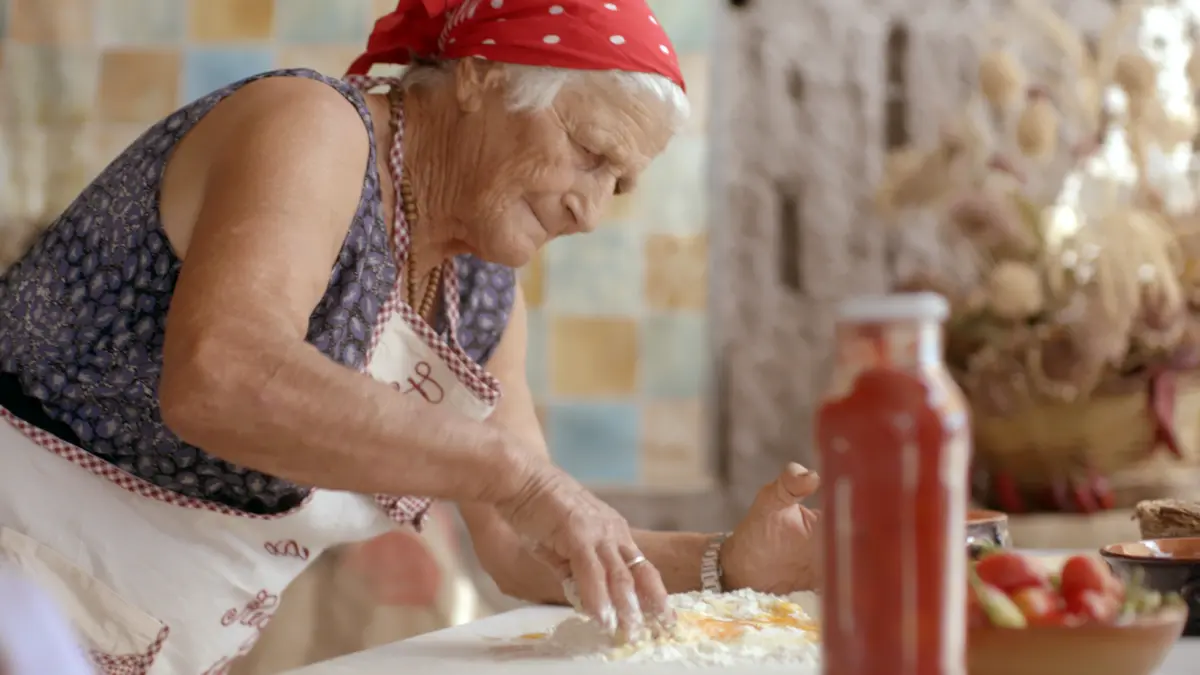
The initial videos were simple: an elderly woman, often wearing a simple apron in her modest kitchen, explaining how she made pasta for her family every Sunday. There were no flashing lights, professional studio kitchens, or fast-paced editing tricks. Instead, viewers were treated to the authentic sounds of flour dusting wooden countertops, water boiling in battered aluminum pots, and the rhythmic, comforting cadence of Italian dialects and regional accents. Slowly, word of mouth and the natural warmth of the content began to attract a dedicated audience.
Phase Three: Viral Acceleration and Mainstream Recognition (2018–2020)
By 2018, Pasta Grannies hit a cultural tipping point. As internet users grew fatigued by hyper-polished, overly curated lifestyle content, the genuine, unpretentious authenticity of the nonnas resonated deeply. The channel experienced exponential subscriber growth, amplified by features in major international culinary publications, newspaper profiles, and digital shares.
Recognizing the broader appeal of the project, Bennison expanded the brand beyond the screen. In 2019, she published the Pasta Grannies cookbook, which captured recipes, photographs, and biographical sketches of the women featured on the channel. The book became an international bestseller, cementing the platform’s transition from a niche YouTube channel to an authoritative global culinary brand.
Phase Four: Institutional Partnership and Global Reach (2021–Present)
As the channel amassed hundreds of thousands—and eventually millions—of subscribers, its cultural significance caught the attention of major tech platforms. YouTube initiated collaborative projects with Bennison, sending production teams to Italy to document the creator’s vision firsthand, analyze the mechanics of the channel’s success, and highlight the human stories behind the screens.
Today, Pasta Grannies is more than a digital archive; it is a thriving global community. It proves that digital technology, so often blamed for isolating generations, can act as a profound bridge, uniting centenarians with tech-savvy grandchildren across continents.
Supporting Context & Metrics: The Anatomy of a Cultural Movement
To fully grasp the magnitude of Pasta Grannies, one must examine the intersection of digital media anthropology, culinary preservation, and modern demographic shifts in Southern Europe.
The Vulnerability of Intangible Cultural Heritage
According to UNESCO, intangible cultural heritage includes traditions, oral expressions, social practices, and traditional craftsmanship passed down through generations. While grand historic buildings and ancient artifacts receive millions of dollars in preservation funding, domestic culinary traditions remain dangerously vulnerable.
When an elder passes away without documenting their craft, decades of localized knowledge—such as which specific type of wild flour grows in a micro-valley in Basilicata, or how weather humidity alters dough consistency—disappears overnight. Pasta Grannies acts as a decentralized, crowd-sourced anthropological archive. Each video serves as a primary source document for culinary historians, ethnographers, and anthropologists studying Mediterranean dietary habits and rural Italian sociology.
Demographic Shifts in Italy
Italy faces a complex demographic crisis characterized by a rapidly aging population and declining birth rates. Rural depopulation has accelerated as younger generations move to Milan, Rome, or abroad for employment opportunities. This urban migration severs the traditional multi-generational household structure where cooking knowledge was naturally osmosis-driven.
Furthermore, the commercialization of food has altered domestic habits. Supermarket shelves lined with industrial dried pasta have replaced the Sunday ritual of rolling fresh dough. By framing the nonnas not as outdated relics, but as revered craftspeople, Pasta Grannies elevates domestic labor to its rightful status as high art.
Digital Metrics and Audience Engagement
While exact real-time subscriber counts fluctuate, Pasta Grannies commands a dedicated global audience numbering in the millions of followers across YouTube and social media platforms. Key metrics highlight the channel’s impact:
- Global Reach: Viewership spans over 150 countries, with significant audience concentrations in the United States, the United Kingdom, Australia, Canada, and Italy.
- Demographic Diversity: Unlike typical cooking shows targeted solely at young adults, the audience spans multiple generations—from Gen Z food enthusiasts experimenting with sourdough and scratch cooking to older demographics seeking nostalgia.
- Engagement Rates: The comment sections of Pasta Grannies videos function as digital town squares where viewers share personal family anecdotes, ask technical questions about flour types, and express emotional gratitude to the featured nonnas.
Official Insights & Creator Philosophy
The success of Pasta Grannies is inextricably linked to the philosophy and dedication of its founder, Vicky Bennison. In interviews and collaborative features with digital platforms, Bennison has frequently articulated the deeper mission driving her relentless travels across the Italian countryside.
"YouTube is just the most fantastic way for these women to pass on their skills and traditions to their grandchildren, their great-grandchildren, and the rest of the world," Bennison notes.
This philosophy reframes the internet not as a cold, alienating technological force, but as an engine of familial and cultural preservation. For decades, the labor of these women—cooking three meals a day, preserving vegetables, raising livestock, and hand-rolling pasta—was viewed simply as unpaid domestic duty, often unacknowledged outside the immediate family circle.
By placing these women in front of high-definition cameras and broadcasting their expertise to millions, Bennison grants them international recognition and validation. The nonnas featured on the channel are treated with the reverence typically reserved for master craftspeople, Michelin-starred chefs, or university professors. They are authorities in their own domain.
YouTube’s decision to travel to Italy to document Bennison’s creative process underscores the platform’s growing recognition of creators who preserve endangered cultural narratives. These documentary-style collaborations provide an inside look at the logistical challenges of filming in remote Italian villages, the deep bonds formed between Bennison and the nonnas, and the emotional weight of recording techniques that have survived centuries of political, economic, and social upheaval.
Future Outlook: Ensuring the Legacy Endures
As Pasta Grannies looks toward the future, its mission is shifting from documentation to active education and cultural legacy-building. The challenges ahead are significant, but the foundation built over the past decade provides a robust roadmap for sustainable preservation.
1. Mentorship and Intergenerational Transfer
The immediate future involves encouraging younger Italians to reclaim their culinary inheritance. Cooking workshops, community-led masterclasses, and regional tourism initiatives inspired by the channel are beginning to sprout across Italy. By demonstrating that traditional pasta-making can be both a meditative hobby and a point of cultural pride, the movement encourages urban youth to reconnect with their rural roots.
2. Expansion into Digital Education and Interactive Media
While long-form YouTube videos remain the core medium, the brand is exploring enhanced educational formats. Detailed masterclasses, digital recipe databases with precise metric conversions, and interactive community forums allow aspiring home cooks to troubleshoot technical challenges—such as achieving the exact hydration level for egg pasta dough without standardized measuring tools.
3. Archival Preservation for Academic Institutions
Discussions are underway within academic and culinary research institutions to archive the complete Pasta Grannies video library as a permanent sociological record of 21st-century Mediterranean domestic life. Such an archive ensures that future generations of historians, linguists, and culinary artists will have access to authentic regional dialects, traditional kitchen utensils, and verifiable recipes long after the last practitioners have passed.
Conclusion
Pasta Grannies is far more than a charming digital cooking show; it is a vital cultural intervention. In an era dominated by fast food, instant gratification, and digital fragmentation, Vicky Bennison and her cohort of remarkable Italian grandmothers remind us of the profound value of patience, heritage, and human connection. By honoring the women who quietly nourished generations, the channel ensures that the soul of Italian cuisine—wrought by hand, seasoned with experience, and served with love—will endure for generations to come.







Belum ada komentar. Jadilah yang pertama berkomentar!