

Executive Overview
There is a profound, almost alchemical comfort found in a bowl of freshly prepared, handmade pasta. Long before the era of mechanized mass production, dehydrated boxes on supermarket shelves, and instant meal kits, the creation of pasta was a sacred, labor-intensive domestic ritual. Across the diverse regions of Italy—from the wind-swept hills of Puglia to the mist-laden valleys of Emilia-Romagna—generations of women, known affectionately as nonnas, perfected the delicate dance of flour, water, eggs, and muscle.
Yet, as modern life accelerates, family structures shift, and younger generations grapple with the relentless demands of a fast-paced global economy, this foundational culinary art is facing an existential threat. The intricate techniques required to shape tortellini, fold delicate ravioli, and extrude thick pici are vanishing, even within the borders of Italy.
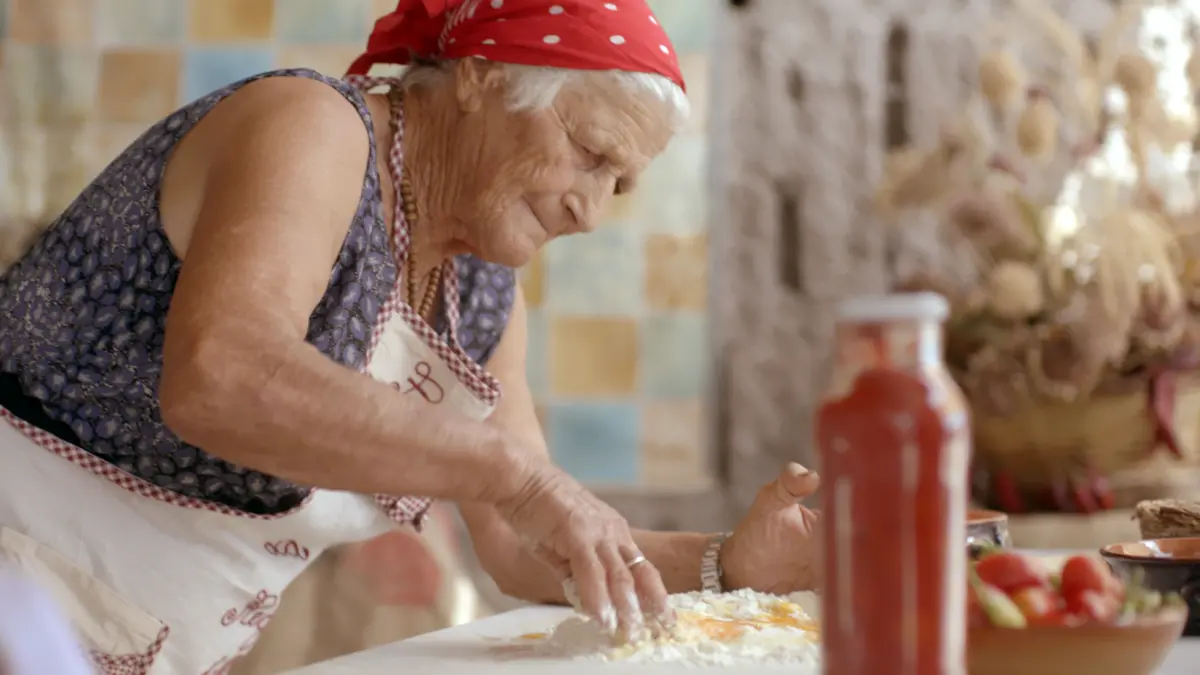
Enter Pasta Grannies, a groundbreaking digital phenomenon conceived and nurtured by food writer and documentarian Vicky Bennison. What began five years ago as an ambitious archival project has blossomed into a global movement. By crisscrossing the Italian peninsula and bringing her cameras directly into the domestic kitchens of extraordinary grandmothers, Bennison has created a living digital archive.
This deep-dive feature explores the genesis of Pasta Grannies, examining its pivotal role in cultural preservation, the mechanics of its digital dissemination via YouTube, the socio-economic factors threatening traditional Italian gastronomy, and the lasting legacy of the women who are teaching the world how to cook—one pinch of flour at a time.
Detailed Chronology: The Evolution of a Digital Movement
Phase One: The Spark of Inspiration (Pre-2015)
Long before the launch of the channel, Vicky Bennison was immersed in the cultural and culinary landscapes of Italy. As a seasoned food writer, she spent years traveling the Mediterranean, observing firsthand the profound disconnect between modern food media and domestic culinary traditions. While television cooking shows focused on flashy chefs and streamlined restaurant recipes, the true custodians of Italian cuisine—elderly women operating out of cramped, well-worn home kitchens—were largely ignored by mainstream media.
Bennison recognized a ticking clock. The women who possessed encyclopedic knowledge of regional, undocumented pasta shapes were aging. If their techniques were not captured immediately, they would be lost forever when these matriarchs passed away.
Phase Two: The Launch and Early Exploration (2015–2017)
In the mid-2010s, Bennison launched Pasta Grannies with a simple, unpretentious premise: visit an Italian grandmother, watch her make pasta, and record the process. Armed with minimal equipment and an insatiable curiosity, Bennison drove down forgotten rural roads, knocked on unmarked doors, and built trust within tight-knit communities.
The early videos were raw and organic. There were no multi-camera setups or high-gloss production values; instead, the charm lay in the authenticity of the interactions. Viewers watched nonnas measure flour by eye ("quanto basta" — as much as is needed), roll dough with rolling pins longer than their arms, and share decades of accumulated wisdom while reminiscing about post-war hardships, romance, and family life.
Phase Three: Global Viral Expansion and Institutional Recognition (2018–2021)
As internet users grew weary of hyper-curated, overly polished lifestyle content, the unvarnished authenticity of Pasta Grannies struck a resonant chord. The channel experienced exponential subscriber growth, drawing millions of views from every corner of the globe.
Recognizing the cultural significance of the project, mainstream publishers came calling. Bennison released the Pasta Grannies cookbook, which became an international bestseller. Simultaneously, tech platforms took notice. YouTube began collaborating directly with Bennison to document the human stories behind the channel, highlighting how digital infrastructure could serve as a bridge between ancient heritage and modern global audiences.
Phase Four: The Modern Cultural Phenomenon (2022–Present)
Today, Pasta Grannies is much more than a successful YouTube channel; it is a recognized cultural institution. With a dedicated digital community numbering in the millions, the project has expanded to include live demonstrations, masterclasses, and continuous documentation of endangered regional recipes. The nonnas featured on the channel have achieved minor celebrity status, celebrated not for superficial internet fame, but for their mastery of a disappearing craft.
Supporting Context & Metrics: The Anatomy of a Cultural Phenomenon
To understand the magnitude of Pasta Grannies, one must examine the socio-economic shifts altering contemporary Italy and the broader culinary world.
The Decline of Domestic Culinary Transmission
Historically, culinary knowledge in Italy was transmitted orally and experientially from mother to daughter, grandmother to granddaughter. Young girls spent hours standing on wooden chairs beside kitchen counters, kneading dough and learning the precise tactile feedback required for a successful batch of egg pasta.
However, late-20th and 21st-century modernization has disrupted this chain of transmission:
- Urban Migration: Younger generations have increasingly migrated from rural villages to metropolitan centers like Milan, Rome, and Turin, or emigrated abroad, distancing themselves from their familial kitchens.
- Time Scarcity: The rise of dual-income households and demanding work cultures has left little room for the hours-long process of hand-rolling pasta from scratch.
- Commercial Convenience: The ubiquity of high-quality dried pasta and refrigerated supermarket alternatives has eroded the perceived necessity of home production.
The Digital Preservation Matrix
Pasta Grannies leverages the democratization of digital video to combat these forces. YouTube acts as an infinite, accessible library where geographical and temporal boundaries dissolve. A teenager in Melbourne, Australia, or a retired accountant in Chicago, Illinois, can watch an 85-year-old nonna from Calabria demonstrate how to shape maccarruni using a knitting needle.
| Metric Category | Historical Context | The Pasta Grannies Digital Model |
|---|---|---|
| Reach | Confined to immediate family and local village networks. | Global audience spanning over 150 countries. |
| Longevity | Vulnerable to oral tradition loss and generational memory gaps. | Permanently archived on secure digital infrastructure. |
| Demographics | Restricted by physical proximity and familial lineage. | Accessible to anyone with an internet connection, regardless of age or background. |
Official Statements and Perspectives
The philosophical core of Pasta Grannies is anchored in the belief that food is identity. The voices driving this initiative emphasize that preserving pasta-making is fundamentally about preserving human dignity, history, and community bonds.
Vicky Bennison on the Mission of the Channel
Reflecting on the psychological and cultural dimensions of her work, creator Vicky Bennison has consistently highlighted the bridge-building capacity of digital media:
"YouTube is just the most fantastic way for these women to pass on their skills and traditions to their grandchildren, their great-grandchildren, and the rest of the world. These grandmothers are the true pillars of Italian society. Their kitchens are laboratories of history where every fold of dough tells a story of survival, celebration, and resourcefulness."
Bennison has also noted the empowering effect the project has on the women involved. Many of the nonnas featured had spent their entire lives working invisibly within domestic spheres. Seeing their techniques celebrated on a global stage, and receiving adulatory comments translated from dozens of languages, has profoundly impacted their sense of self-worth and recognition in their twilight years.
The Nonnas Speak: Wisdom from the Kitchen
While the technical instructions vary from episode to episode—ranging from the delicate egg-and-flour doughs of the north to the rustic, eggless semolina doughs of the south—the philosophical takeaways from the grandmothers remain remarkably consistent:
- Patience cannot be rushed: As many nonnas famously remind viewers, the dough has its own mood and must be respected. If it is too dry, you listen; if it is too sticky, you adjust.
- Cooking is an act of love: The foundational ingredient in every recipe shared on the channel is not salt or olive oil, but affetto (affection) for those who will consume the meal.
Future Outlook: The Legacy of the Nonnas in a Digital Age
As Pasta Grannies looks toward the future, its mission is shifting from pure documentation to active inspiration and education. The digital landscape continues to evolve, and the project is actively adapting to ensure that the knowledge captured over the past decade is translated into tangible culinary practice.
1. Re-Engaging the Younger Generations
The ultimate metric of success for Pasta Grannies is not merely view counts or subscriber milestones, but kitchen execution. By breaking down intimidating techniques into digestible, step-by-step video tutorials, the channel is empowering a new demographic of urban millennials and Gen Z cooks to reclaim their kitchens. Workshops, masterclasses, and community cook-alongs are bridging the gap between passive viewing and active participation.
2. Expanding Horizons Beyond Italy
While Italy remains the spiritual heartland of the project, the overarching philosophy—that elderly women hold the keys to humanity’s vanishing culinary heritage—is universally applicable. Food historians and digital creators have begun looking at how similar archival models could be applied to indigenous cooking traditions in Southeast Asia, Latin America, and rural Eastern Europe, ensuring that other regional foodways are not lost to the march of industrialization.
3. Institutional Archiving and Education
Discussions are currently underway with culinary institutes and cultural preservation societies to integrate the Pasta Grannies video repository into formal educational curricula. By treating these videos as primary historical sources, future chefs, anthropologists, and food historians will have permanent access to authentic domestic techniques that would otherwise have been confined to folklore.
Conclusion
In an era dominated by algorithmic efficiency, ultra-processed convenience foods, and fast-paced digital noise, Pasta Grannies offers a radical act of slowing down. It invites us to step back into the sunlit kitchens of Italy, to smell the simmering tomato sauces, to feel the cool, yielding texture of kneaded dough, and to listen to the voices of women who have weathered the storms of history with a rolling pin in their hands.
Through the visionary work of Vicky Bennison and the enduring grace of the nonnas themselves, these culinary traditions have been rescued from the precipice of oblivion. They are no longer trapped in the fading memories of aging matriarchs; instead, they are alive, vibrant, and shared with millions across the globe—proving that some things are simply too precious to ever let go.









Belum ada komentar. Jadilah yang pertama berkomentar!