YUNOYAMA ONSEN, MIE PREFECTURE — On Sunday, October 4, 2026, the historic hot spring resort town of Yunoyama Onsen will transform into a theater of fire, thunderous drums, and living history. The occasion is the annual Shōhei Matsuri (Monk Warrior Festival), widely celebrated as the largest fire festival in Mie Prefecture. Drawing tens of thousands of spectators from across Japan and the globe, this monumental autumn event marries ancient spiritual traditions with visceral, high-octane spectacle.
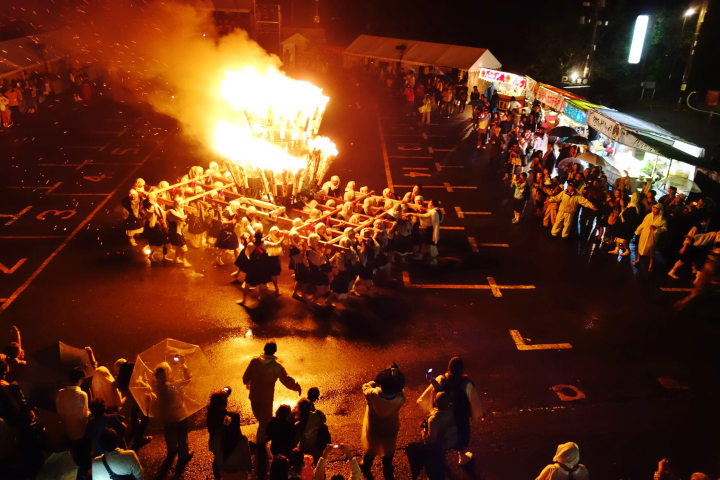
At the heart of the festival lies a breathtaking centerpiece: a 600-kilogram portable shrine (mikoshi) wreathed in roaring flames, hauled through pitch-black mountain streets by modern-day warrior monks. Yet, beyond the searing heat and dramatic pyrotechnics lies a profound narrative of survival, resilience, and cultural preservation that spans more than a millennium.
Executive Overview
The Shōhei Matsuri is not merely an autumn carnival; it is an active cultural reclamation of Sengoku-period history. Set against the rugged backdrop of Mount Gozaisho in the Suzuka Quasi-National Park, Yunoyama Onsen has spent over thirteen centuries navigating the tides of political upheaval, natural disasters, and war.
The 2026 edition of the festival promises to be one of the most comprehensive in recent memory. Scheduled for October 4, the day-long event features an intricate itinerary that begins with solemn religious rituals—such as the traditional Fish and Bird Memorial Service knife ceremony at Mitake-ji Temple—before accelerating into a vibrant afternoon of public performances, idol shows, comedy acts, and earth-shaking Shōhei Taiko drumming.
As dusk yields to absolute darkness, the festival pivots to its defining crescendo: the procession of the flaming mikoshi. Starting from Sangoku-ji Temple, the blazing shrine carves a fiery path through the Onsen town, culminating in a triumphant charge up the hill to the main venue. The evening concludes with an explosive fireworks display that illuminates the gorge, honoring the grit and sacrifice of the historic warrior monks who once defended these sacred grounds.
Detailed Chronology: Anatomy of a Fire Festival
To fully appreciate the scope of the Shōhei Matsuri, one must trace its rhythm from pre-festival preparations to its fiery conclusion. The event is meticulously coordinated by the Yunoyama Onsen Association, local hot spring innkeepers, chefs, and community members.
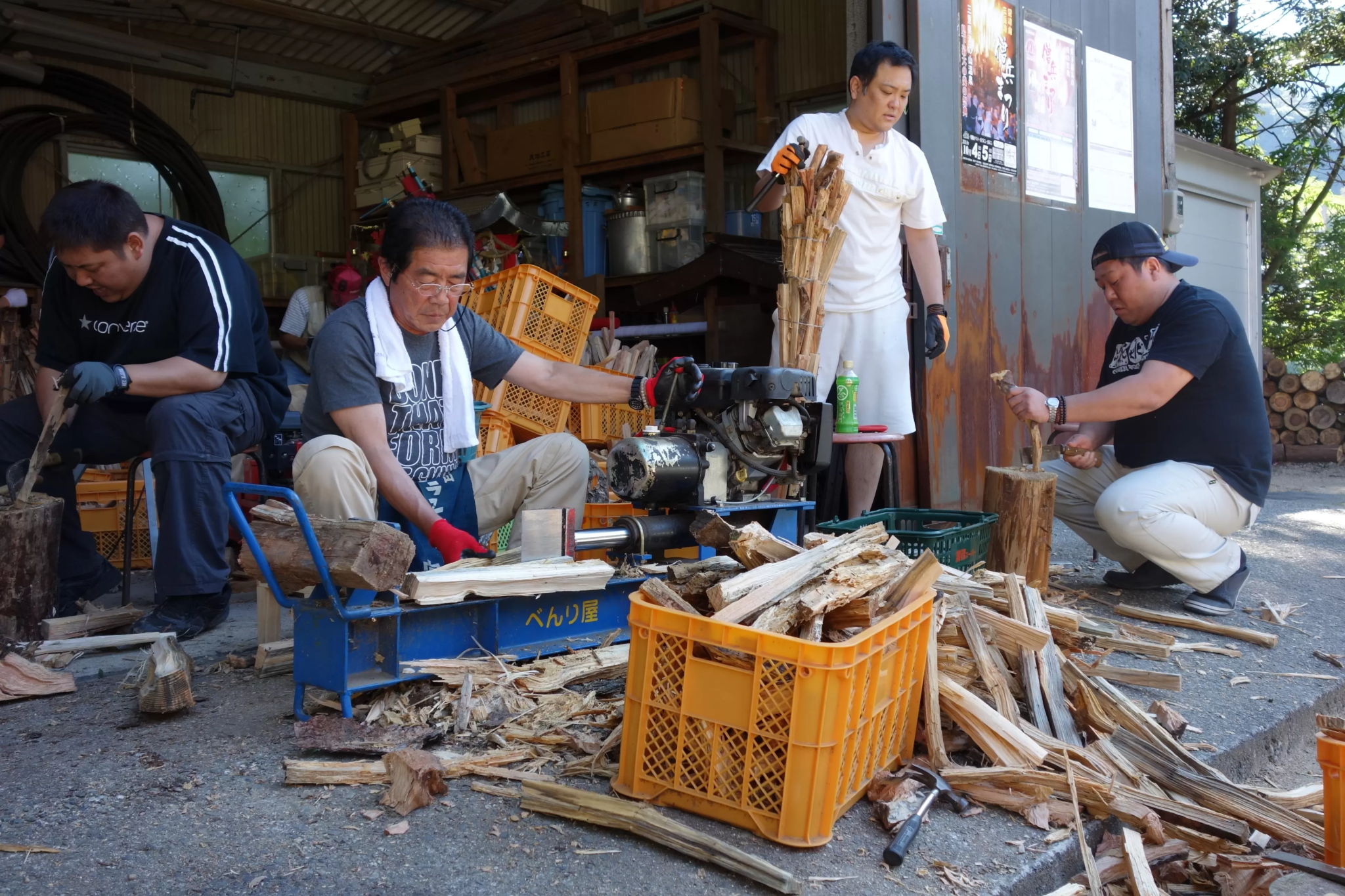
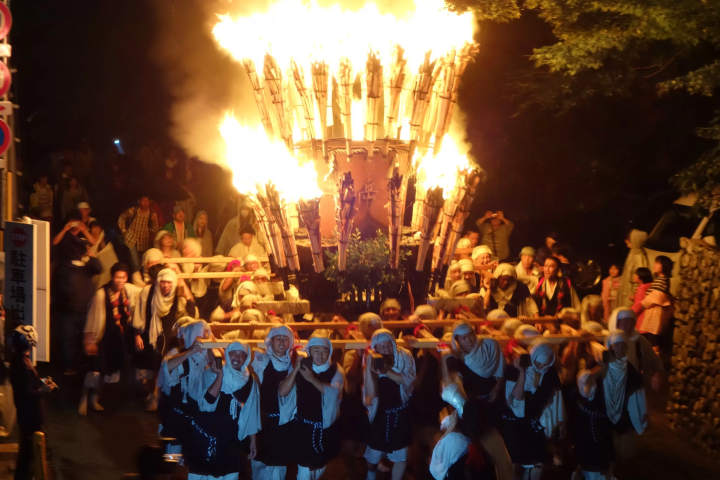
Long before the first spark is struck in October, the machinery of the festival hums to life in the dead of summer. Beginning in August, staff members from Yunoyama Onsen’s historic hotels and inns assemble to initiate the painstaking process of "torch-making."
This is not a mechanized task; rather, it is a vital act of intangible cultural heritage transmission. Senior innkeepers and veteran festival participants mentor younger generations in crafting the specialized fuel materials, torches, and structural safeguards required for the flaming portable shrine. This intergenerational transfer ensures that the technical knowledge of managing open flames in a densely built mountain spa town is safely preserved.
Phase 2: Spiritual Prelude – The Fish and Bird Memorial Service
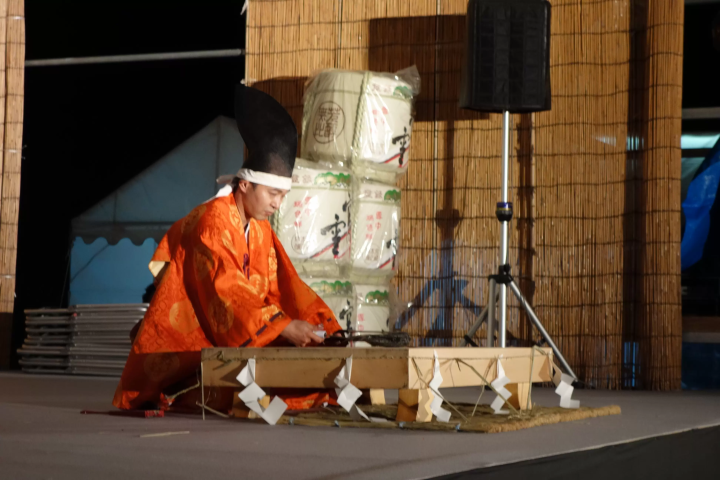
In the days leading up to the main event, the festival pauses to acknowledge its spiritual underpinnings. At the historic Mitake-ji Temple, twenty prominent local figures—including the chairman of the Yunoyama Onsen Association, local innkeepers, and master culinary chefs—gather for the Fish and Bird Memorial Service knife ceremony.
Centered around a traditional memorial for carp, this solemn ritual serves a dual purpose. Culturally, it underscores the deep culinary heritage of Yunoyama Onsen, where fresh mountain and river ingredients have nourished travelers for centuries. Philosophically, it acts as an expression of profound gratitude to the natural world, recognizing the interconnectedness of all life and seeking spiritual harmony before the chaotic energy of the fire festival is unleashed.
Phase 3: The Afternoon Awakening
As October 4 arrives, Yunoyama Onsen swells with visitors. By late afternoon, as dusk begins to paint the mountain ridge in hues of amber and violet, the festival grounds awaken.
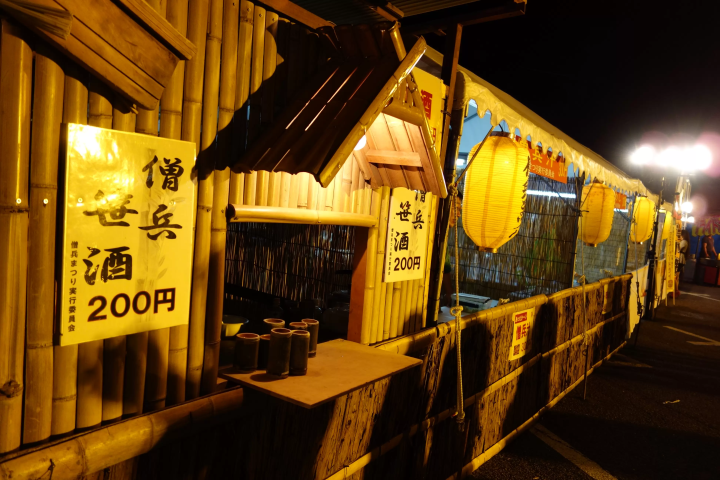
Numerous traditional food stalls and modern vendors line the streets, offering regional delicacies that scent the crisp autumn air. The main stage kicks off a dynamic entertainment lineup designed to bridge ancient folklore with contemporary Japanese pop culture. Spectators are treated to:
Energetic Idol Performances and Comedy Shows: Bringing modern entertainment and communal laughter to the historic spa town.
Traditional Yosakoi Dance: A high-energy choreographed street dance that fills the avenues with vibrant costumes and synchronized rhythm.
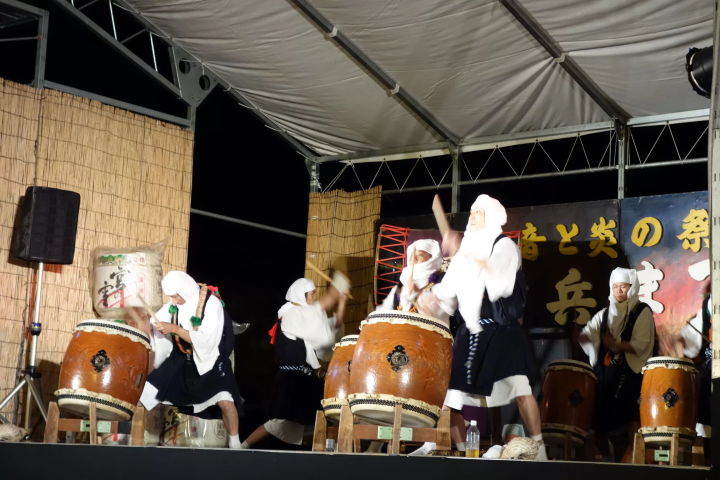
Higashi Taiko Drumming: Powerful percussion performances that reverberate off the steep gorge walls, serving as an auditory prelude to the main event.
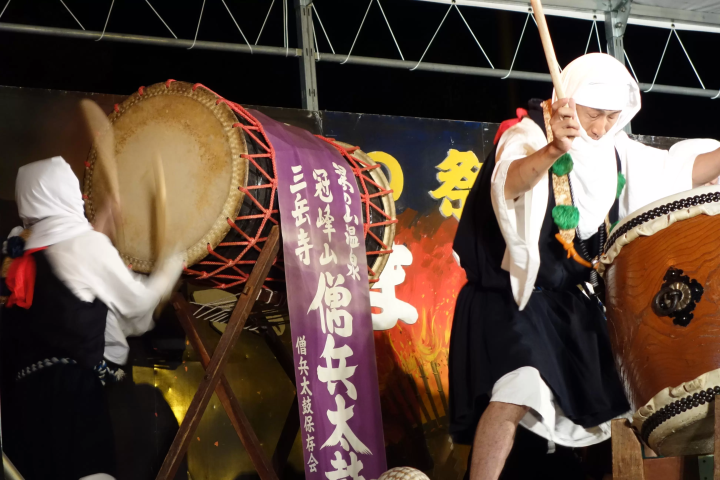
Shōhei Taiko (Monk Soldier Drumming): The rhythmic heartbeat of the festival, building psychological tension and excitement among the gathering crowd.
Phase 4: The Ascent of the Flame Mikoshi
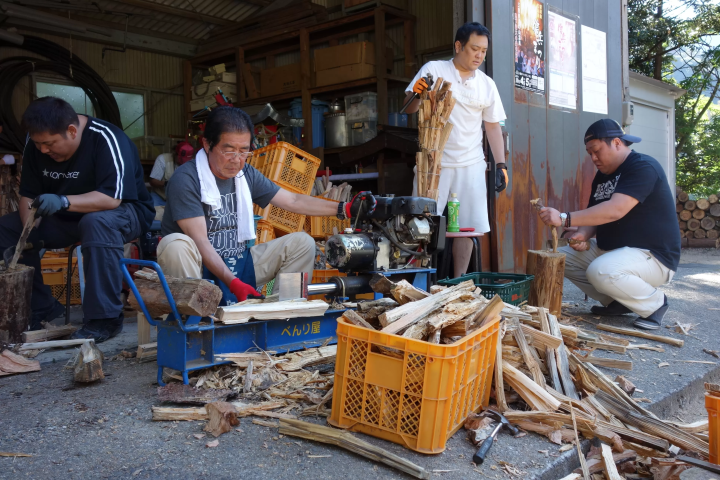
As night fully envelops the town, the atmosphere shifts from festive to reverent and electric. The focal point of the evening arrives: the departure of the Flame Mikoshi from Sangoku-ji Temple.
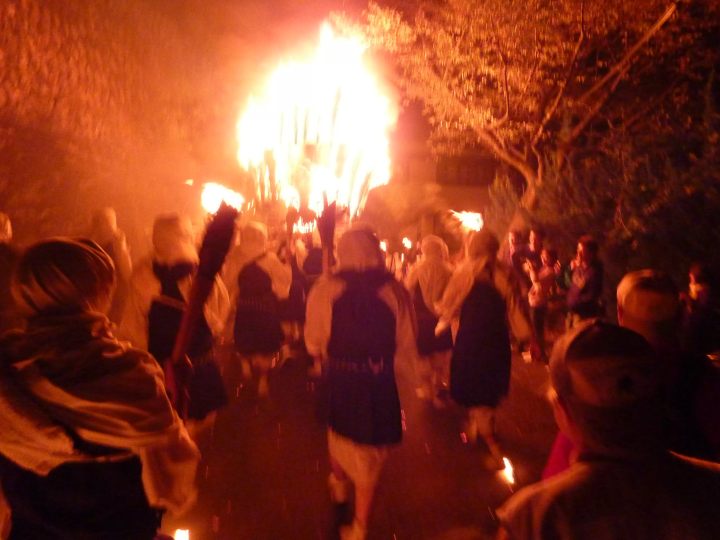
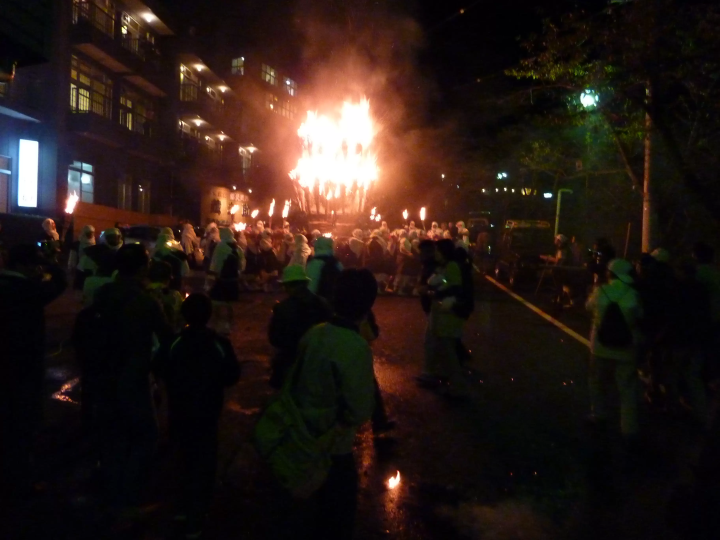
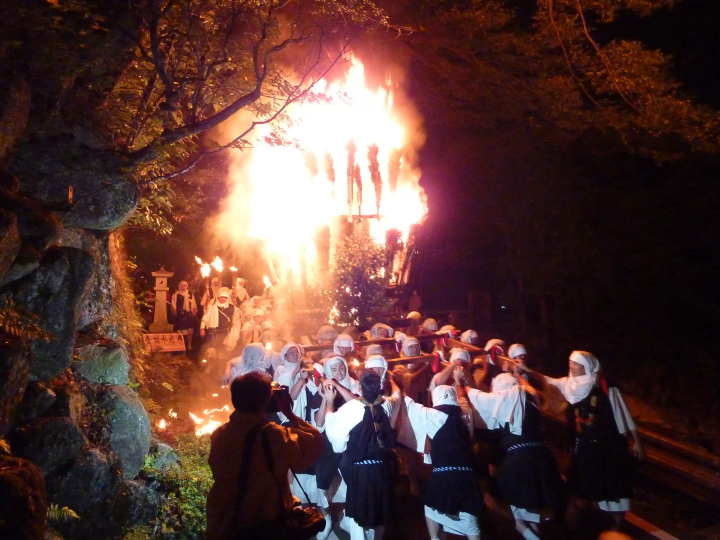
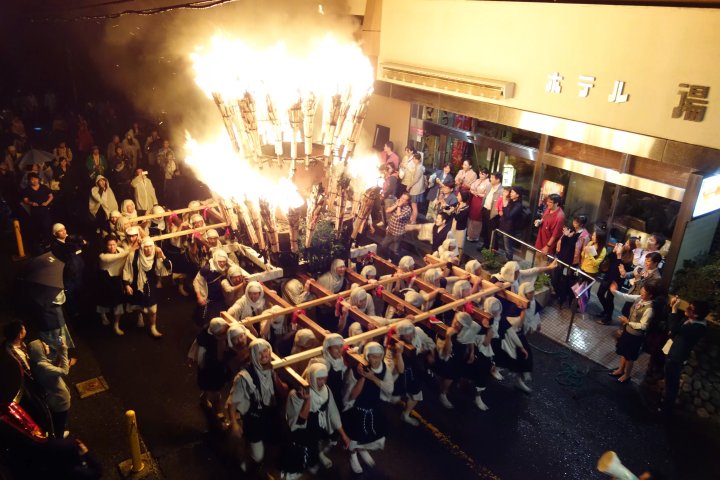
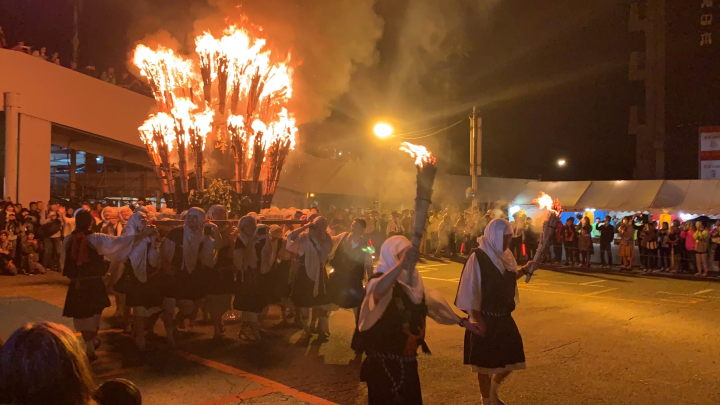
Weighing an astonishing 600 kilograms, the massive portable shrine is deliberately set ablaze. As the inferno takes hold, the pitch-black mountain night is instantly fractured by jagged orange flames and towering plumes of smoke. A cadre of bearers, dressed in traditional monk warrior attire, heave the searing structure onto their shoulders.
Piercing through the darkness, their battle cry—"Seiya!"—echoes through the valley. The spectacle is a living tableau, violently and beautifully resurrecting the heroic figures of the warrior monks who once protected the region during the turbulent Sengoku period.
Phase 5: Climax and Finale
The procession winds its way through the narrow streets of Yunoyama Onsen, flanked by mesmerized spectators holding cameras and smartphones aloft. As the flaming shrine makes its grueling final ascent up the hill toward the main venue, the energy reaches a fever pitch.
The rhythmic shouting of the bearers merges with the ecstatic roars of the crowd, creating a unified wall of sound that drowns out the mountain winds. Upon arrival at the main venue, the tension breaks into jubilation.
To reward the modern-day warrior monks for their grueling endurance in carrying the 600-kilogram burning behemoth, a massive, multi-colored fireworks display erupts over the night sky. The concussive booms and cascading lights vividly illuminate the gorge, bringing the Shōhei Matsuri to an unforgettable close. Even as the final embers fade, the clicking of camera shutters continues to echo as spectators race to capture the exhausted, triumphant faces of the bearers.
Supporting Context & Metrics: History and Lore of Yunoyama Onsen
To understand why Yunoyama Onsen burns bright every October, one must examine its 1,300-year chronicle of birth, destruction, and rebirth.
Historical Timeline & Origins
Discovery (Yoro Era): Yunoyama Onsen was originally discovered during the Yoro period (early 8th century). According to local folklore, the hot spring’s healing properties were first revealed to humanity through a wounded deer that bathed its injuries in the thermal waters—giving rise to the moniker "Deer’s Hot Spring."
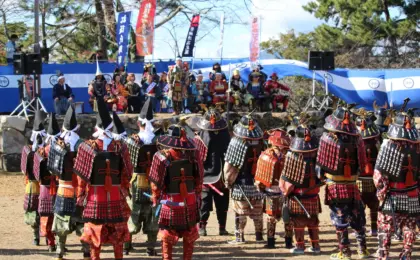
The Sengoku Period Trials: Over the centuries, the spa town was repeatedly targeted, abandoned, and rebuilt due to feudal wars and natural disasters. During the Sengoku period (15th to 17th centuries), regional temples and shrines were frequently targeted for destruction by rival warlords. The Shōhei Matsuri commemorates the brave warrior monks (shōhei) of temples like Mitake-ji who took up arms to defend their sacred sanctuaries and local communities.
The Paper Crane Legend: Alongside martial history, Yunoyama Onsen is defined by softer folklore. A prominent legend tells of a couple troubled by forbidden or impossible love who sought refuge at Mitake-ji Temple. Aided by the temple’s warrior monks, they offered paper cranes to the deities, found emotional clarity, and regained peace of mind—a narrative of sanctuary that persists in the valley’s cultural identity today.
Key Operational Metrics
Date: Sunday, October 4, 2026.
Location: Yunoyama Onsen, Mie Prefecture (Main events centered near Sangoku-ji and Mitake-ji Temples).
Shrine Weight: Approximately 600 kilograms (Flame Mikoshi).
Key Organizers: Yunoyama Onsen Association, in collaboration with local hot spring operators, chefs, and temple custodians.
Official Statements & Community Perspectives
The preservation of a festival of this magnitude requires deep institutional commitment and community-wide synchronization.
Representatives of the Yunoyama Onsen Association have emphasized that the Shōhei Matsuri is fundamentally an exercise in cultural continuity. In statements regarding the 2026 planning, association leaders highlighted the importance of the torch-making workshops that begin in August:
"The Shōhei Matsuri is not a static museum exhibit; it is a living, breathing pulse of our community. When our inn staff and local youth gather in August to craft the materials for the flame mikoshi, they are passing down more than technical skills. They are transferring our collective memory, our resilience against past wars and disasters, and our pride in Yunoyama Onsen to the next generation."
Culinary leaders participating in the pre-festival Fish and Bird Memorial Service at Mitake-ji Temple similarly stressed the ethical dimensions of the event. Master chefs noted that modern tourism often detaches consumers from the sources of their food. By honoring the carp and performing the knife ceremony, the culinary community reaffirms its respect for the natural bounty of Mie Prefecture, balancing the fiery destruction of the evening mikoshi with an afternoon of profound ecological and spiritual gratitude.
Future Outlook: Safeguarding Tradition in a Modern Era
As the Shōhei Matsuri approaches its October 4, 2026 date, organizers are looking toward the long-term sustainability of the event. Balancing the demands of international tourism with the preservation of authentic, localized ritual is a delicate operational challenge.
The Yunoyama Onsen Association has implemented enhanced safety protocols regarding crowd management and fire containment, ensuring that the 600-kilogram flaming shrine can maneuver safely through the historic district without threatening modern infrastructure. Furthermore, digital archival initiatives are underway to document the oral histories of veteran torch-makers and mikoshi bearers, ensuring that even as older generations pass the torch—literally and figuratively—the historical nuances of the Sengoku-era conflict are never lost.
Ultimately, the Shōhei Matsuri stands as Mie Prefecture’s premier cultural touchstone. It invites visitors not merely to observe, but to feel the heat of history, hear the thunder of ancient drums, and witness how a mountain hot spring town transforms fire from an agent of historical destruction into a beacon of eternal community rebirth.
Visitor Information & Inquiries
Event Date: October 4, 2026
Venue: Yunoyama Onsen, Mie Prefecture
Inquiries: Yunoyama Onsen Association
Phone: 059-392-2117 (Operating Hours: 10:00 AM – 3:00 PM)






Belum ada komentar. Jadilah yang pertama berkomentar!