In an era dominated by hyper-industrialization, digital fatigue, and mass-produced consumer goods, the ancient tactile arts of Japan offer a profound counter-narrative. Across the globe, the nation’s traditional crafts are celebrated for their uncompromising quality, intricate complexity, and the absolute devotion of their master artisans. Yet, for many international travelers, engaging with these art forms has historically meant passive observation—gazing at museum exhibits through glass or admiring high-end garments on mannequins without understanding the visceral labor behind them.
Bridging the gap between spectator and creator, platforms like Wabunka are transforming the cultural tourism landscape. Through curated, high-end cultural excursions, travelers can step directly into Japan’s living heritage, working shoulder-to-shoulder with master craftspeople.
Recently, we had the rare privilege of journeying into this world during a traditional plant-based dyeing (kusakizome) and hand-spun silk weaving workshop at Atelier Shimura in Setagaya Ward, Tokyo. Here, the formidable legacy of Fukumi Shimura—a celebrated textile master and designated Living National Treasure of Japan—continues to thrive. Far from a superficial tourist attraction, the workshop offers a multi-sensory immersion into sustainability, mindfulness, and the alchemy of nature. From the earthy, herbal aroma of boiling botanicals to the fluid grace of raw silk absorbing rich pigments, every moment provides a calming, grounding connection to the natural world.
Detailed Chronology: The Kusakizome Workshop Experience
1. Arrival and Immersion: Setting the Intention
Located in the quiet, residential sprawl of Setagaya Ward, Atelier Shimura’s Tokyo branch offers a peaceful sanctuary removed from the frantic pace of the metropolis. Travelers arriving via the Odakyu Line can disembark at Soshigaya-Okura Station, followed by either an 8-minute taxi ride or a scenic 20-minute stroll from the North exit. This walk takes visitors down neighborhood streets lined with small local shops, offering an authentic glimpse into everyday suburban Tokyo life before stepping into a realm of centuries-old tradition.
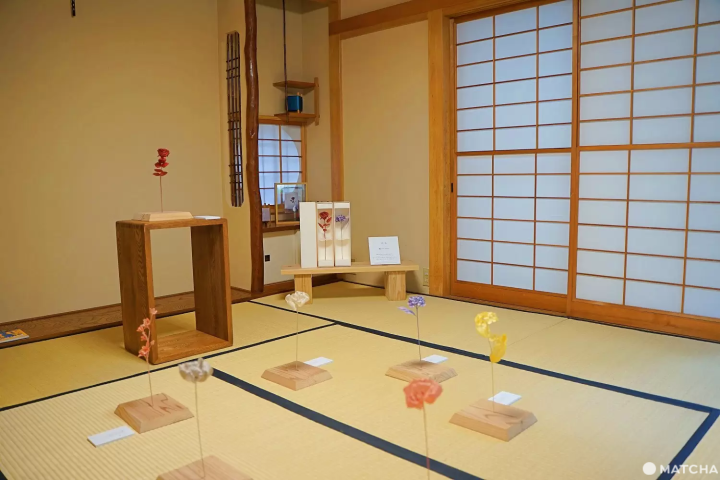
Upon arrival, guests are welcomed not into a sterile studio, but into an atmosphere of quiet hospitality. The experience begins in a traditional tatami room (washitsu), where an expert artisan guides the visitor over a warm cup of tea. For our session, our guide was Ms. Taniguchi, a professional craftsperson who initially studied natural dyeing at university before completing a rigorous apprenticeship under the Shimura family. Her deep expertise, paired with warm, unhurried conversation, immediately puts participants at ease, establishing an open dialogue that persists throughout the workshop. (For non-Japanese speakers, professional interpreters can be arranged in advance).
2. Selecting the Medium and the Botanical Elements
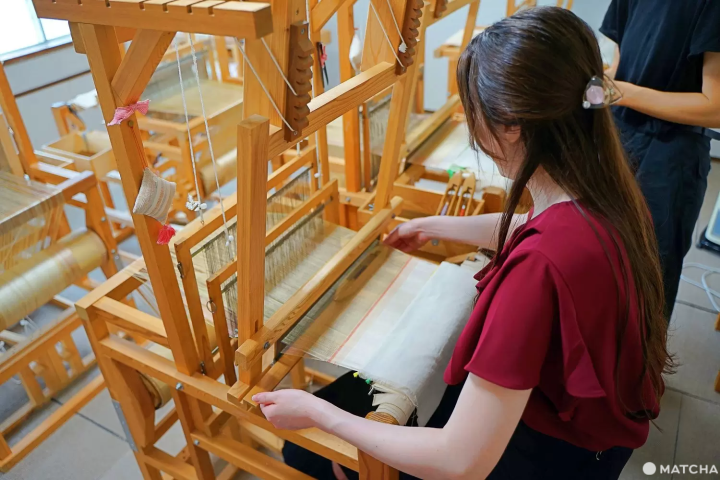
Atelier Shimura offers distinct workshops focusing on plant-based dyeing (kusakizome) and hand-spun silk weaving (tsumugi-ori), which can be booked individually or combined into an intensive six-hour masterclass.
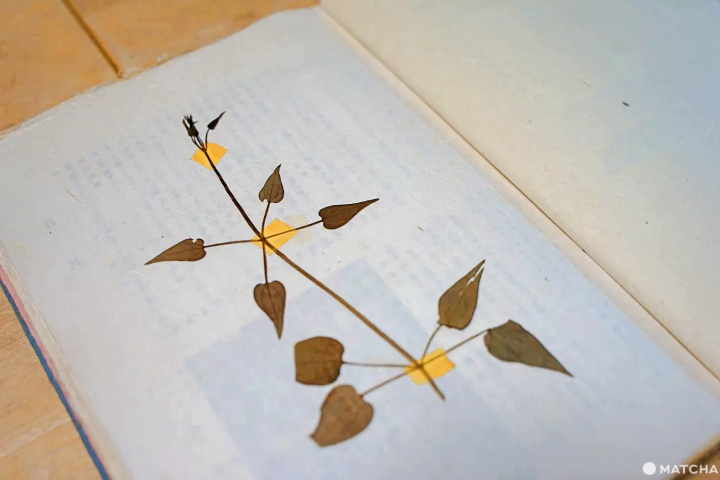
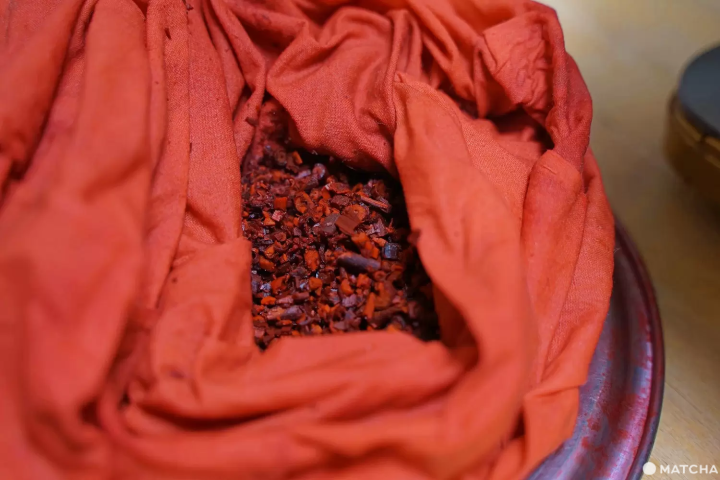
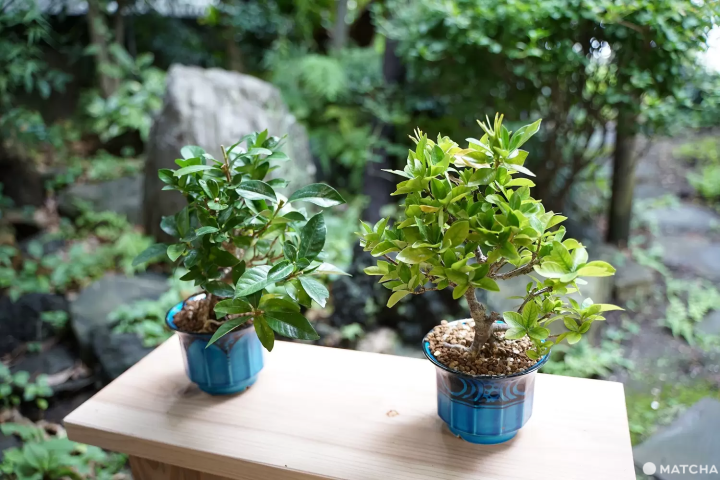
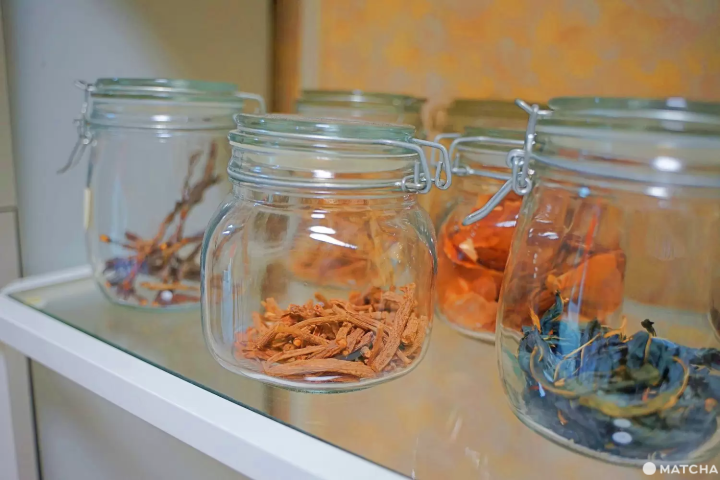
For our immersive session, we chose the Plant-Based Dyeing Experience, designed to yield a custom silk scarf. Because Atelier Shimura strictly adheres to the rhythms of the natural world, the workshop utilizes seasonal botanicals. Our mid-September visit coincided with the harvest of the Japanese madder plant, known locally as akane. Extracted primarily from the plant’s underground roots, akane produces a rich, earthy red dye.
Before the physical work begins, the guide explains the philosophy of the studio. While leaves and stems of the madder plant are green, its roots yield a vibrant crimson—a biological paradox that underscores the hidden complexities of the natural world. (Guests with specific color preferences outside of seasonal harvests may request alternative arrangements during the online booking process).
3. The Dyeing Process: Meditation in Motion
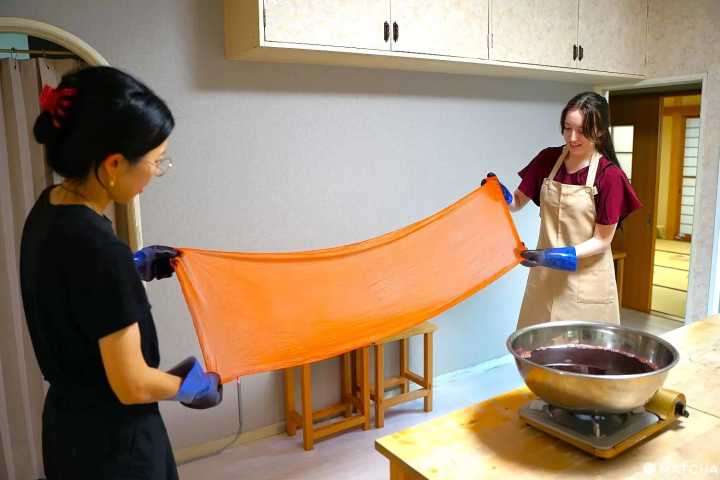
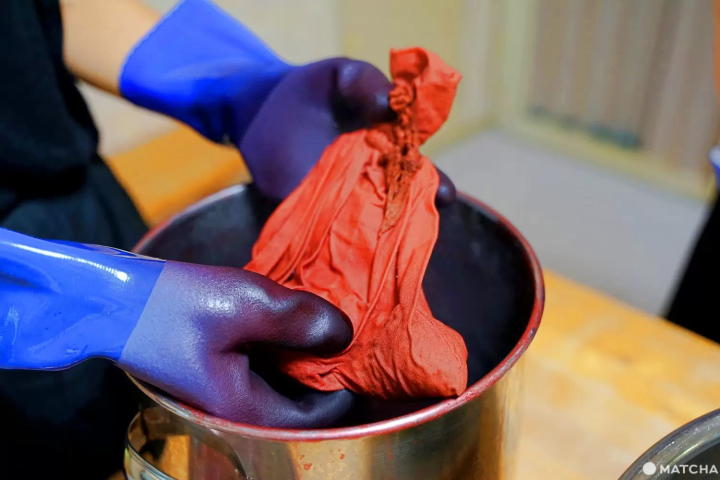
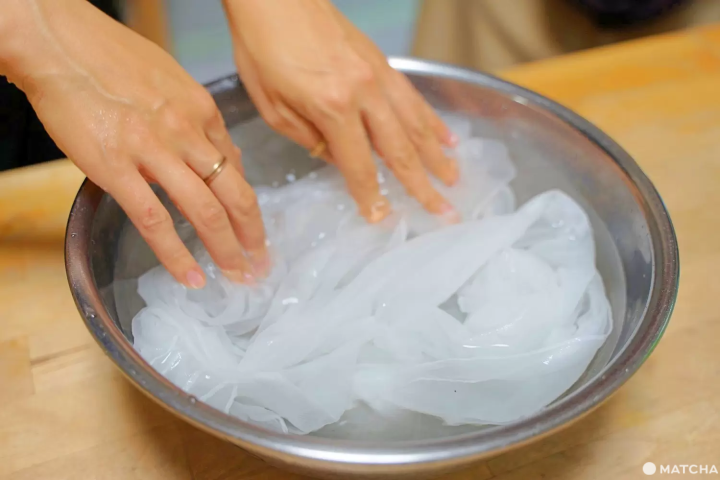
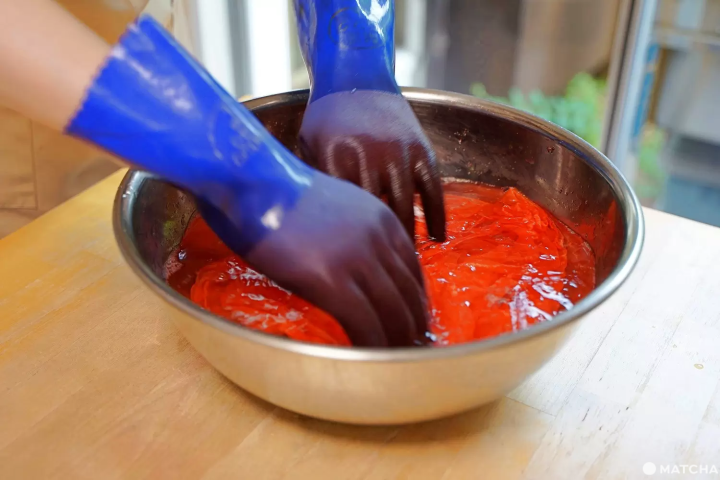
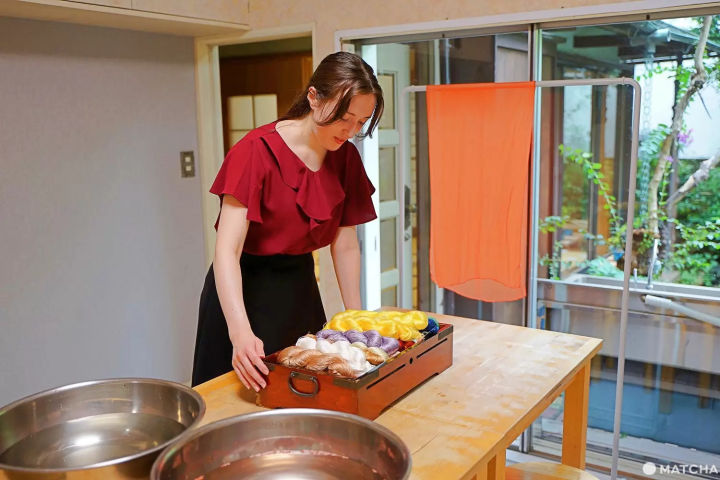
Donning an apron and thick, heat-resistant gloves, participants step up to large pots of simmering botanical baths. Ms. Taniguchi first demonstrates the proper handling technique in a basin of clean water: how to circulate the delicate silk gently and press out excess liquid without twisting, wringing, or otherwise breaking the fragile protein fibers.
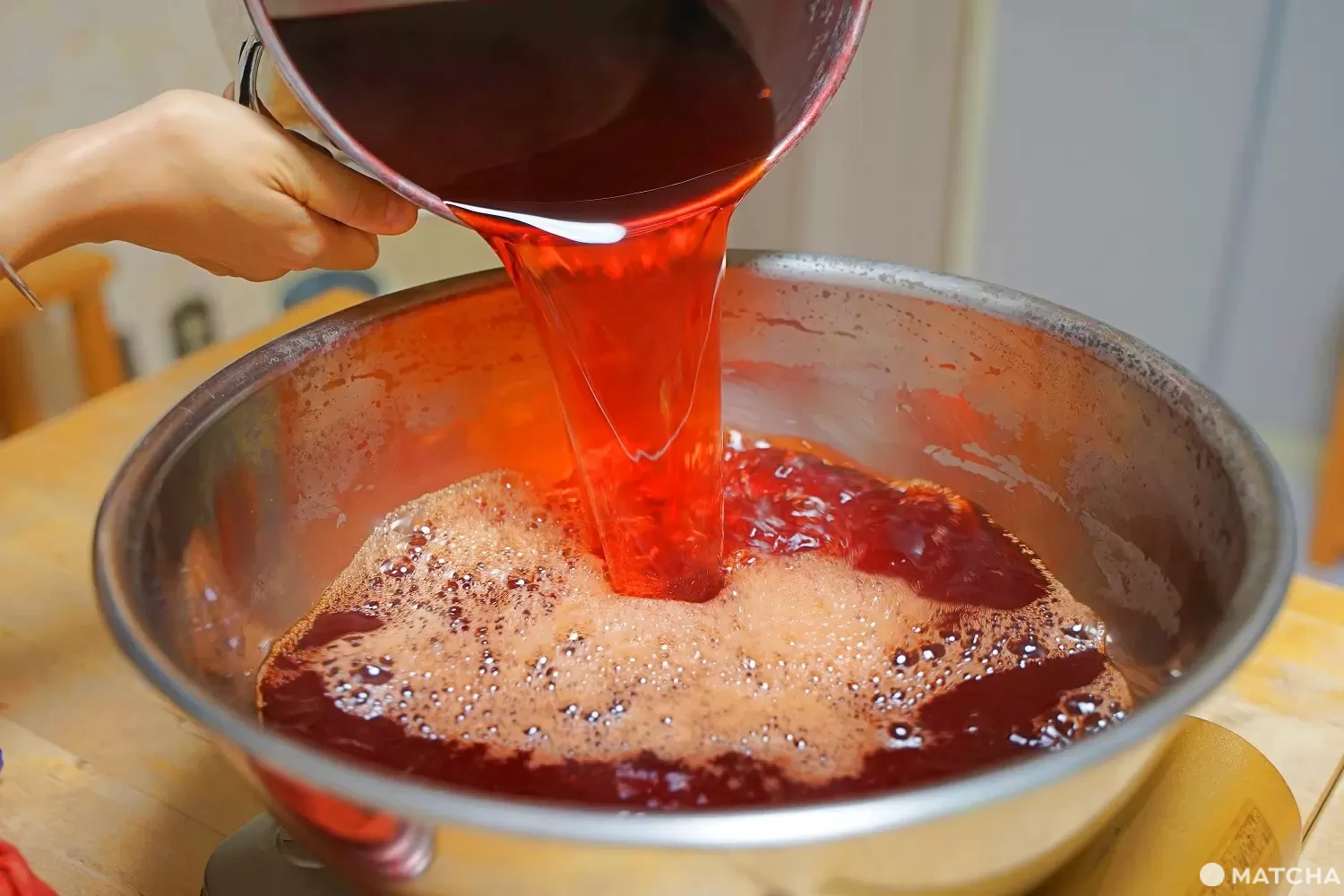
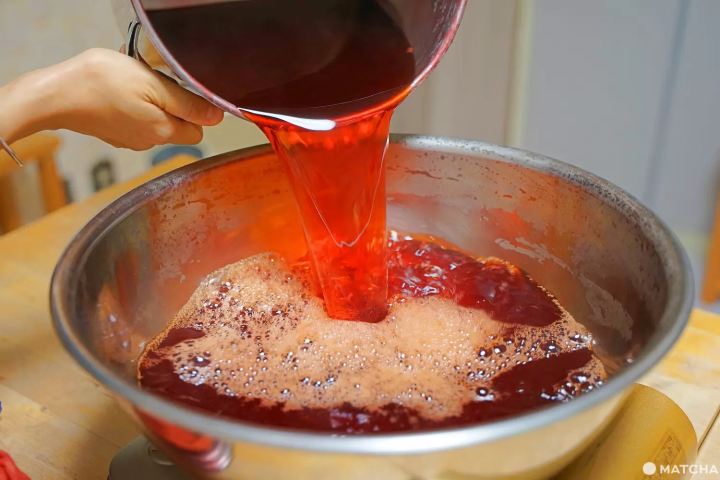
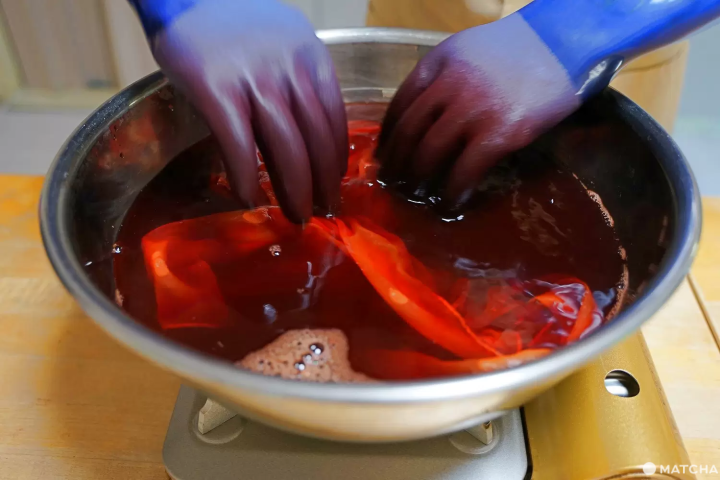
Submerging the white silk scarf into the hot red dye bath requires both focus and care. As the fabric absorbs the pigment, the rising steam releases a comforting, herbal aroma reminiscent of chamomile. Ms. Taniguchi notes that this phase of the craft is deeply meditative for the artisans. In their daily practice, they clear their minds entirely to focus on the color unfolding before them, sharpening their physical senses and entering a state of "thinking of nothing." In a modern world defined by digital noise and constant connectivity, this quiet focus on the present moment feels like an extraordinary luxury.
4. Layering and Mordanting: The Chemistry of Nature
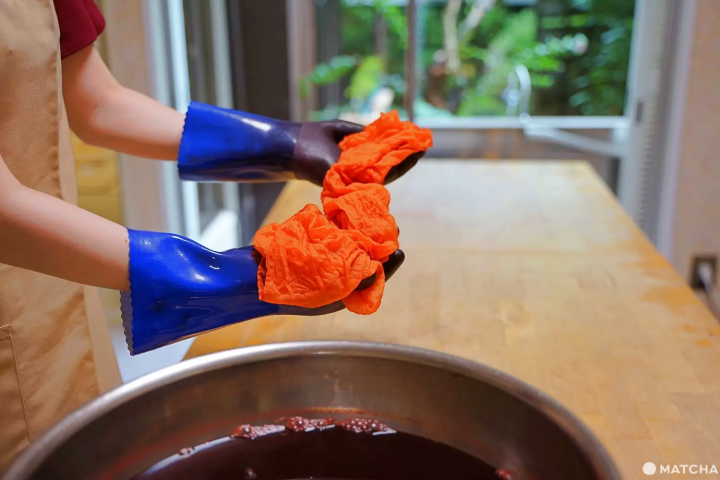
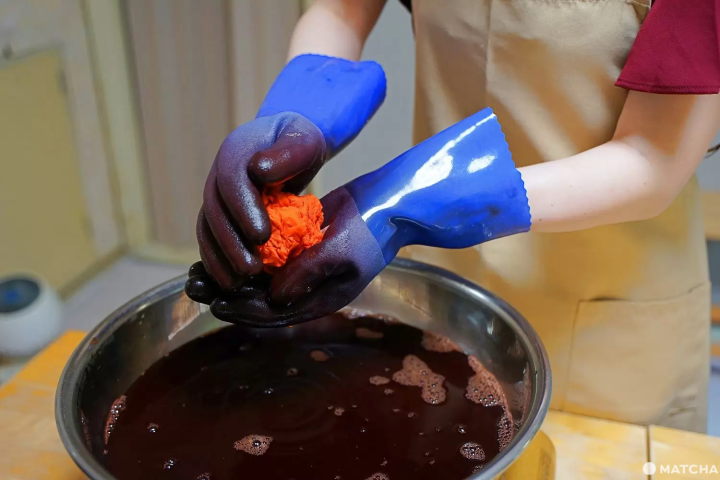
Once the initial pigment takes hold, the fabric is gently squeezed—never wrung—and inspected. To achieve the desired depth of color, the dyeing process must be repeated approximately three times.
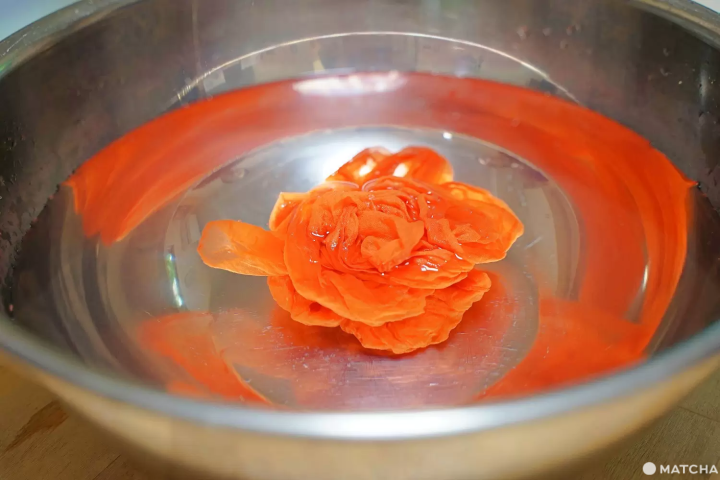
Following the color baths, the scarf undergoes the crucial mordanting phase. The fabric is submerged in a clear bath dissolved with natural alum powder, a step repeated two to three times to lock in the pigment permanently. The alum imparts a remarkably silky texture to the water; watching the crimson scarf swirl through the liquid evokes the graceful movement of a koi fish in a clear pond, adding another layer of tranquility to the workshop.
This phase represents a fascinating triad of natural elements:
The Botanical: The plant-derived dye (akane).
The Animal: The protein-based silk fibers.
The Mineral: The alum mordant.
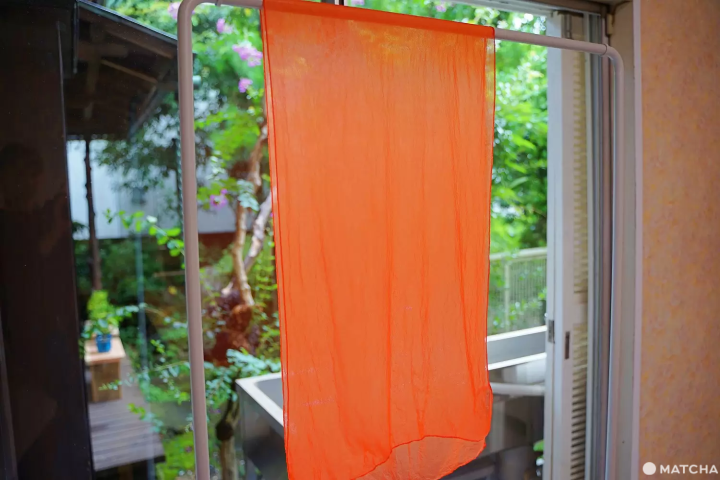
Once stabilized, the fabric is briefly exposed to sunlight before being hung to dry completely in the shade of the atelier’s garden.
Supporting Context & Metrics: The Philosophy and Heritage of Atelier Shimura
To fully appreciate an afternoon at Atelier Shimura, one must understand the institutional pedigree behind the brand. Established in 2015 by Shoji Shimura, the company was founded with a singular mission: to preserve, practice, and promote the extraordinary legacy of his grandmother, Fukumi Shimura.
Milestone / Fact
Detail
Founder of Legacy
Fukumi Shimura (Textile Master)
National Recognition
Designated a Living National Treasure of Japan (1990)
Atelier Established
2015 (Kyoto headquarters); 2017 (Tokyo branch expansion in Setagaya Ward)
Edo Period (1603–1868) featured over 48 distinct shades of brown and 100+ shades of gray derived from natural elements.
Fukumi Shimura’s designation as a Living National Treasure (Juyo Mukei Bunkazai Holder) in 1990 marked a monumental milestone in the revival of traditional Japanese plant-dyeing methods. Rather than relying on synthetic aniline dyes—which offer uniformity at the expense of ecological harmony and depth—Shimura championed a holistic return to nature.
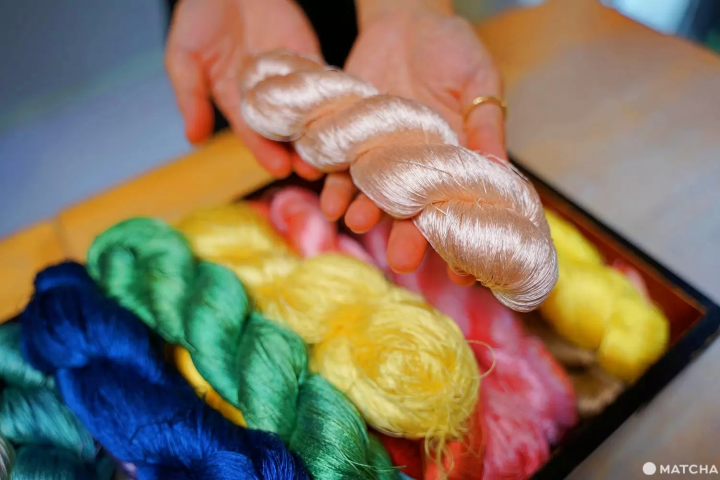
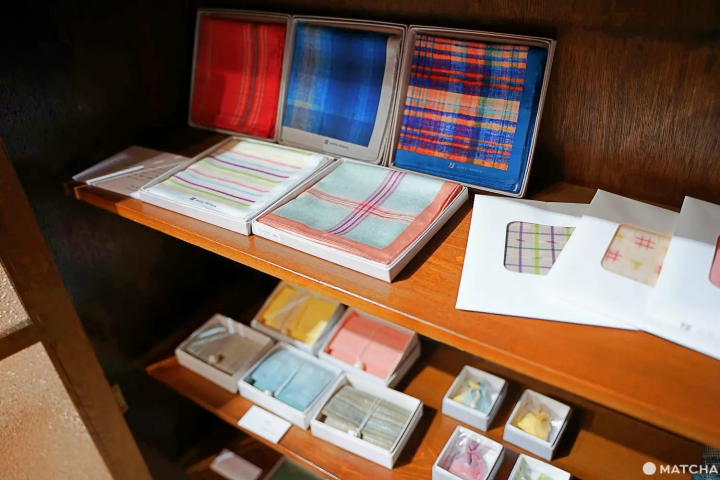
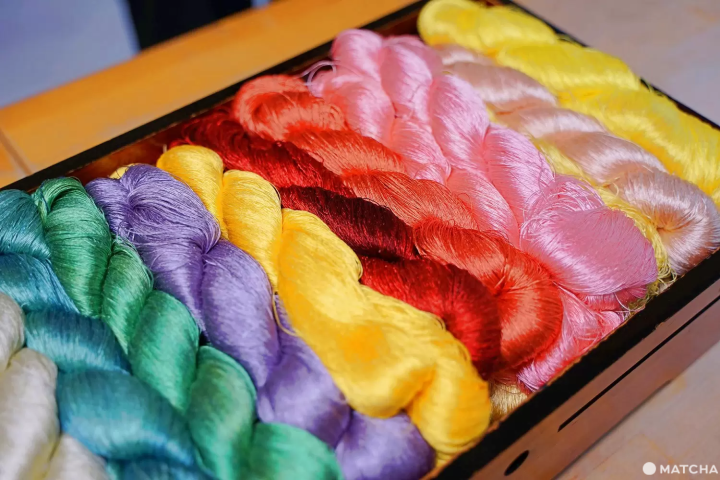
Furthermore, the historical palette of Japan is astonishingly sophisticated. During the Edo period, master dyers manipulated natural elements to produce over 48 distinct shades of brown and upwards of 100 shades of gray. Atelier Shimura continues this archival research, demonstrating how native and integrated global plant varieties yield a boundless, harmonious spectrum of subtle shades. As Ms. Taniguchi notes, because natural plant dyes reflect the organic world, even seemingly contrasting hues—such as vibrant yellows and deep purples (shikon)—harmonize effortlessly when woven together, capturing the iridescent beauty of a twilight sky.
Official Statements and Artisan Insights
The ethos of Atelier Shimura is articulated through the lived experiences of its practitioners. During our interviews and workshop sessions, the intersection of sustainability, mental wellness, and artistic discipline emerged as a central theme.
Reflecting on the psychological dimensions of the craft, Ms. Taniguchi shared:
"During the dyeing process, we must clear our minds completely to focus entirely on the color unfolding before us. It is a form of meditation. In that quiet space, we enjoy thinking of nothing, allowing our physical senses to align entirely with the materials of the earth."
Discussing the selection of akane (Japanese madder) during the autumn equinox window, the atelier emphasizes its role as a foundational or "mother color." Unlike the bright, superficial brilliance of synthetic dyes, natural root extracts carry an earthy, grounding weight that ages gracefully with the fabric.
Regarding the collaborative and inclusive nature of their workshops, representatives from Atelier Shimura note:
"Our goal is not merely to teach a mechanical skill, but to open a doorway into a dialogue with nature. Whether welcoming a solo craft enthusiast, a couple, or a family, we want every visitor to experience the profound patience, respect, and joy embedded in traditional Japanese textiles."
Future Outlook: Preserving Craft in a Digital Age
As international tourism to Japan reaches unprecedented heights, cultural institutions face a delicate balancing act: accommodating rising global interest while safeguarding the integrity of slow, meditative craft traditions.
Atelier Shimura’s dual-location model (spanning Kyoto and Setagaya Ward, Tokyo) successfully navigates this tension by capping workshop sizes, ensuring intimate instruction, and integrating educational exhibition spaces—such as their rotating tatami room galleries featuring collaborations like Gifu Product Development Laboratory’s "hananowa" paper origami displays.
Looking ahead, the future of kusakizome depends heavily on passing these complex empirical knowledge systems down to a new generation of both local apprentices and global advocates. By opening their doors to international travelers through partnerships with cultural platforms like Wabunka, Atelier Shimura ensures that the delicate chemistry, ecological mindfulness, and spiritual serenity of Japanese textile arts will continue to resonate far beyond the borders of Tokyo. For the modern traveler, an afternoon spent steaming silk in botanical vats is much more than a souvenir-making session; it is an enduring inoculation against the haste of the modern world.













Belum ada komentar. Jadilah yang pertama berkomentar!