

Executive Overview
In an era where the video game industry is perpetually obsessed with pushing the boundaries of near-photorealistic rendering, the law of diminishing returns has firmly taken hold. Pumping millions of polygons and hyper-detailed ray-traced lighting into a character’s face yields increasingly subtle differences, leading to a homogenous sea of visually impressive yet emotionally stagnant releases. Standing out from the crowd no longer requires raw graphical fidelity; instead, it demands artistic audacity, creative ingenuity, and a willingness to break away from visual conventions.
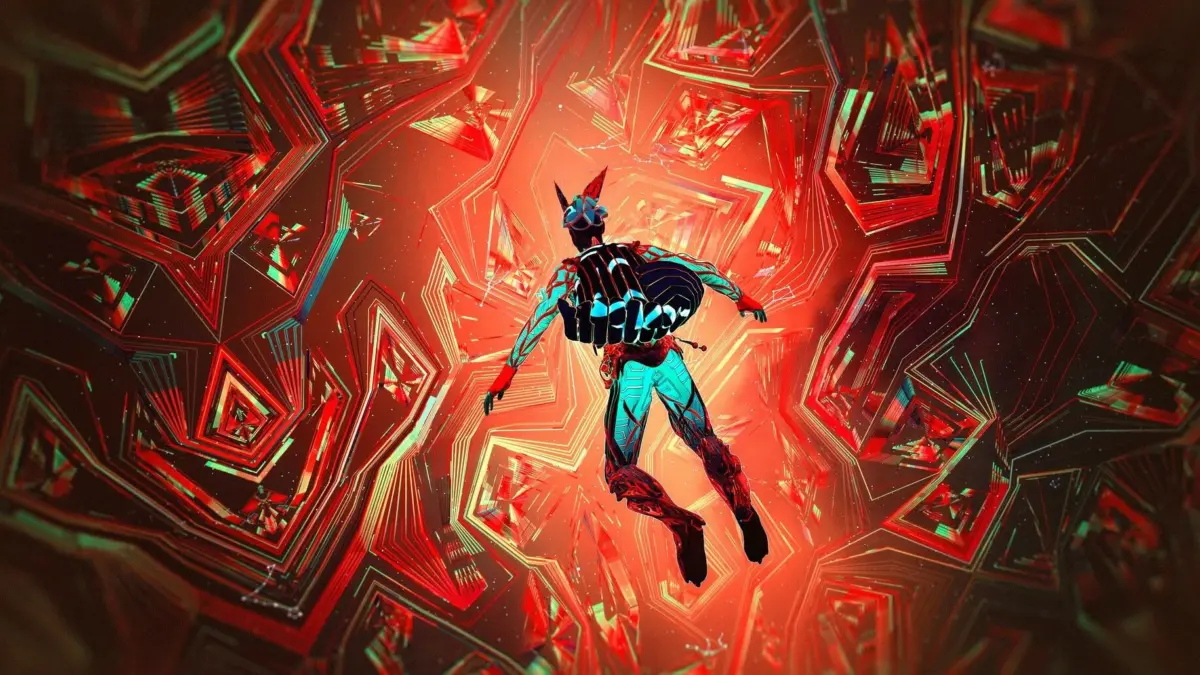
Enter Etre, an upcoming narrative-driven action-adventure game developed by Los Angeles-based indie outfit Studio Lifeforms. Upon the release of its debut trailer, the title immediately transfixed industry critics and players alike. Eschewing the gritty browns, grays, and hyper-realistic textures that dominate contemporary triple-A development, Etre opts for a striking, eye-popping aesthetic. Drawing explicit inspiration from the avant-garde graphic novels of the 1970s and 1980s, the game presents a hallucinatory vision of a living world. Players step into the shoes of Xyle, an intrepid protagonist navigating Orbis—a colossal, planet-scale alien intellect that teeters on the precipice of a profound awakening—all in a desperate search for his lost soulmate, Atel.
While its visual presentation immediately invites comparisons to synesthetic masterpieces like Rez and Tetris Effect, Etre grounds its kaleidoscopic sensory overload in a much more tactile, narrative-driven framework. Under the hood, the developers look to Remedy Entertainment’s critically acclaimed Control for mechanical inspiration, promising a semi-open structural flow, dynamic narrative consequences shaped by player agency, and a deeply physical, movement-based combat system.
As the gaming community looks past the initial wave of visual shock and awe, questions naturally linger regarding the game’s depth, tactile satisfaction, and eventual execution. With no firm release date announced—though a window sometime next year remains the prevailing expectation—Etre stands as one of the most conceptually intriguing indie titles on the horizon. This report delves into the mechanics, artistic roots, structural ambitions, and lingering questions surrounding Studio Lifeforms’ mesmerizing debut project.
Detailed Chronology: The Genesis and Unveiling of Etre
The journey of Etre from a conceptual seed in the minds of the creators at Studio Lifeforms to a globally discussed Steam page announcement is a testament to the power of distinct artistic vision. While Studio Lifeforms has operated largely under the radar as an independent development house based in the creative hub of Los Angeles, their ambitions have clearly been soaring far beyond conventional indie boundaries.
The Conceptualization of Orbis
The earliest phases of Etre’s development centered heavily on world-building rather than mechanical loops. The concept of Orbis—envisioned not merely as a terrestrial landmass or an urban sprawl, but as a planet-scale alien mind on the brink of awakening—demanded a setting that felt entirely alien to human comprehension. Traditional sci-fi tropes of cold, metallic space stations or overgrown alien jungles were discarded in favor of architecture that breathes, shifts, and defies Euclidean geometry.
To bring this sentient cityscape to life, the art direction team turned to the fertile creative grounds of 1970s and 1980s European and international graphic novel movements. Though the developers have kept specific literary and artistic influences close to their chest, the resulting style channels the rich, ink-heavy, surrealist traditions popularized by legendary bande dessinée artists. This retro-futuristic, high-contrast, and vividly saturated illustrative style acts as the structural foundation of Etre’s universe.
The Arrival on Steam and the Public Awakening
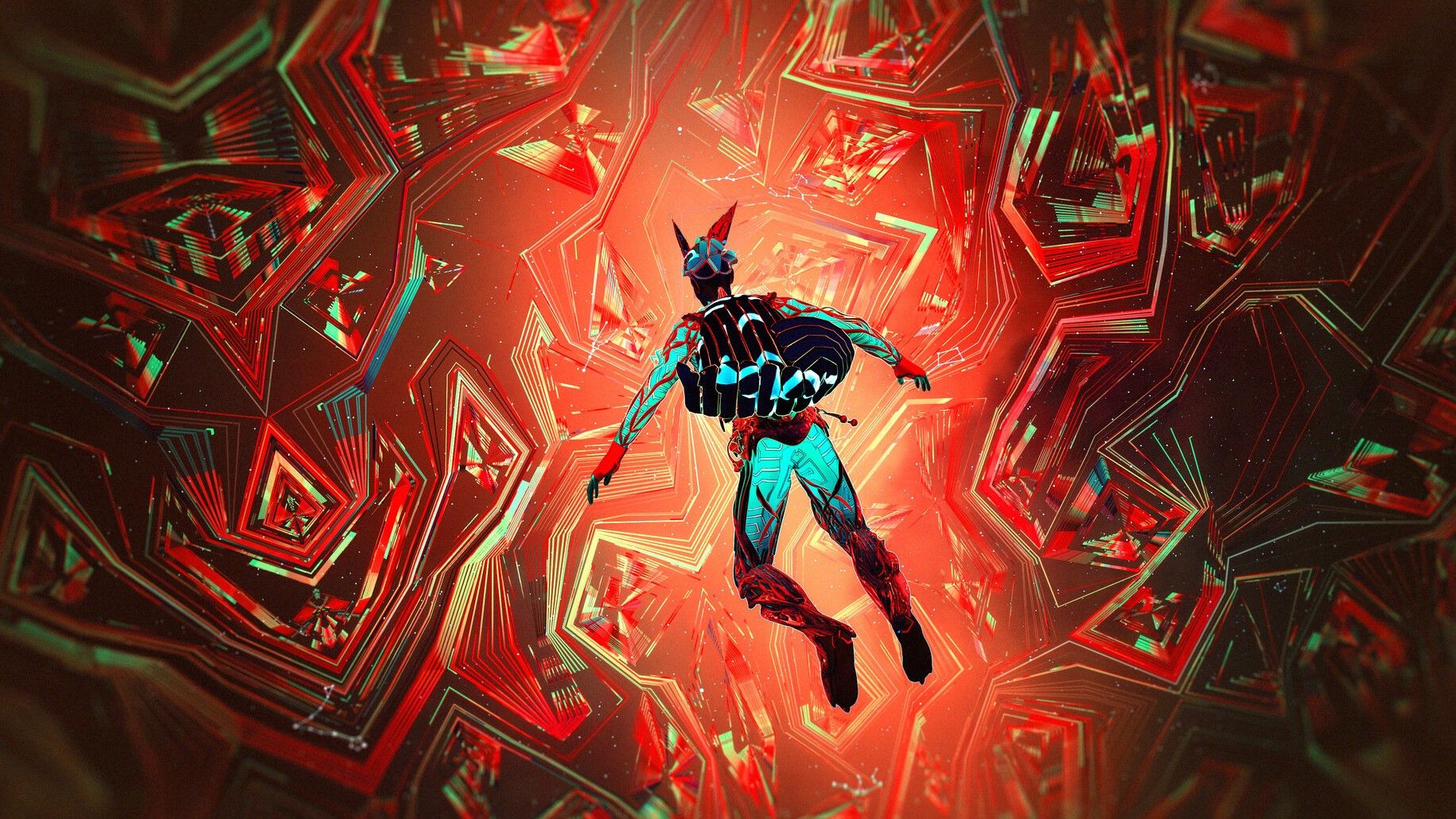
The project crossed a major milestone with its official public debut, spearheaded by a striking announcement trailer hosted on YouTube and amplified via its official Steam store page. The initial footage bypassed typical cinematic setups, dropping viewers directly into a disorienting, kaleidoscopic void where protagonist Xyle floats through impossible spaces.
The reveal immediately generated significant buzz across gaming communities. In an industry saturated with iterative sequels and safe franchise bets, a game that looks genuinely novel—reminiscent of interactive modern art rather than standard digital entertainment—commands immediate attention. The trailer provided the first concrete look at the game’s premise: Xyle’s harrowing journey across the awakening mind of Orbis in search of Atel, establishing an emotional core beneath the psychedelic art direction. Following the trailer drop, the title was quickly wishlisted by thousands of players, cementing its status as an indie project to watch closely over the coming cycles.
Supporting Context & Metrics: Artistic Lineage and Mechanical DNA
To truly understand what Studio Lifeforms is attempting to achieve with Etre, one must analyze its dual lineage: its artistic heritage and its mechanical inspirations. The game occupies a fascinating intersection between sensory art installations and grounded, third-person action-adventure gameplay.
The Visual Cousins: Beyond Photorealism
Visually, Etre breaks away from the Unreal Engine 5 hyper-realism treadmill that has consumed much of the mid-to-high-tier development space. Instead, it relies on stylized shaders, vibrant color palettes, and bold line work that evokes hand-drawn print media.
- The Synesthetic Predecessors: In the broader scope of video game history, Etre’s closest aesthetic relatives are titles like Rez (developed by United Game Artists and Tetsuya Mizuguchi) and Tetris Effect. Both of those titles leverage visual rhythm, pulse, and kaleidoscopic color shifts to induce an almost hypnotic flow state in the player.
- The Grounded Twist: However, where Rez and Tetris Effect are abstract, arcade-style rhythm and puzzle experiences, Etre channels those same vibrant, mind-bending visual philosophies into a grounded, narrative-driven exploration framework. Players are not matching blocks or shooting digital wireframes; they are traversing a physical, albeit surreal, alien metropolis.
The Mechanical Blueprint: Taking Cues from Control
While its appearance is undeniably artistic, its gameplay foundation is built on proven, highly engaging mechanical principles. Studio Lifeforms has openly cited Remedy Entertainment’s award-winning Control as its primary mechanical blueprint. This influence manifests in several key ways:
- Semi-Open Exploration: Rather than pushing players down a strictly linear corridor or dropping them into an overwhelmingly vast open world, Orbis is designed to be explored in a semi-open, metroidvania-adjacent fashion where traversal abilities unlock new paths.
- Movement-Based Combat: Much like Jesse Faden’s acrobatic firefights through the shifting corridors of the Oldest House, Etre emphasizes high-mobility combat encounters that require players to dash, evade, and reposition constantly.
- Surreal Threat Vectors: In keeping with its bizarre setting, the opposition players face is far removed from standard military shooters or generic sci-fi grunts. Combat encounters pit Xyle against environmental anomalies, conceptual hazards, and "living geometry"—entities that blur the line between architecture and hostile lifeforms.
Official Statements & Industry Perspective
Independent development studios operating outside the safety nets of major conglomerates often rely on crystal-clear messaging to convey their unique value propositions to players. Studio Lifeforms has framed Etre as an exploration of scale, emotion, and perception.
According to development briefs released alongside the initial promotional rollout, the studio describes Orbis as:
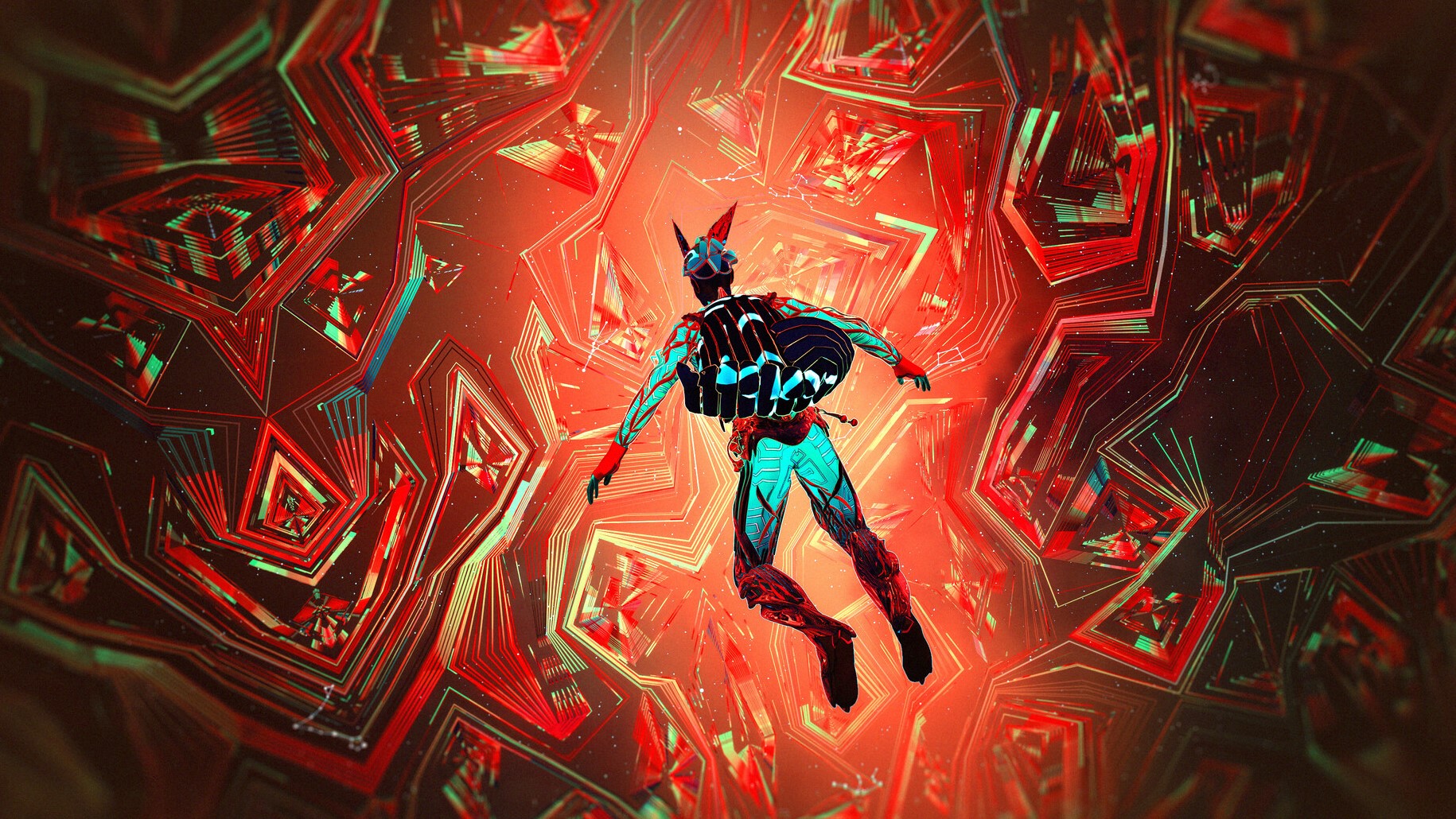
"A planet-scale alien mind on the brink of awakening—a living, breathing, and thinking urban expanse where every street corner, structural shift, and environmental anomaly reflects the subconscious turmoil of a colossal cosmic entity."
This narrative framing elevates the exploration from a simple fetch quest—finding Xyle’s soulmate, Atel—into an existential journey. Player choices and actions within Orbis are slated to shape the progression of the narrative, implying that the sentient city itself reacts to the player’s passage.
Industry analysts and critics monitoring the indie landscape have noted that while the aesthetic ambition of Studio Lifeforms is commendable, the true test for Etre will lie in its mechanical execution. Early gameplay clips showcased on Steam have sparked constructive debate among enthusiasts. While the visual splendor is undeniable, some observers have noted that the combat pacing in early snippets can occasionally appear somewhat flat.
Drawing another parallel to Remedy’s Control, much of the joy in that title stemmed from the visceral, tactile satisfaction of combat—such as telekinetically ripping massive chunks of concrete out of a wall and hurling them at hostile Hiss entities. For Etre to succeed critically and commercially, its gorgeous art style must be backed up by that same level of tactile feedback, weapon responsiveness, and fluid moment-to-moment combat weight. Striking the balance between an interactive art piece and a deeply satisfying action game is a notoriously difficult tightrope walk, one that Studio Lifeforms will need to master before launch.
Future Outlook: What Lies Ahead for Etre
As the industry looks toward the horizon, Etre occupies a coveted space among highly anticipated independent releases. It represents a growing counter-movement within the gaming ecosystem—one that values distinct artistic identity, bold color theory, and surrealist world-building over the exhaustive pursuit of graphical perfection.
Anticipated Release Window
As of writing, Studio Lifeforms has not committed to a concrete release date. However, industry consensus and production timelines suggest that players can reasonably expect Etre to materialize sometime next year, likely rolling out across PC via Steam first, with potential console ports depending on development milestones and funding.
Key Milestones to Watch
- Extended Gameplay Deep Dives: Future updates from Studio Lifeforms will need to showcase raw, uninterrupted combat footage to alleviate concerns regarding the tactile weight and pacing of the game’s movement-based skirmishes.
- Narrative Branching Revelations: With the developers promising a story shaped by player actions within a sentient alien mind, further clarification on the extent of player agency and branching paths will be crucial.
- Soundtrack and Audio Design: Given its spiritual kinship with synesthetic experiences like Rez, the sonic landscape of Etre—how Orbis sounds as it wakes up—will undoubtedly play a massive role in cementing its immersive atmosphere.
In conclusion, Etre is shaping up to be a vital release for players suffering from visual fatigue. By wedding the surreal, ink-soaked aesthetics of 1980s graphic novels with the fluid, kinetic combat philosophy of modern hits like Control, Studio Lifeforms has crafted a compelling pitch. Whether the final product can match the breathtaking heights of its initial announcement trailer remains one of the most exciting narrative threads in the indie gaming space today.







Belum ada komentar. Jadilah yang pertama berkomentar!