

Executive Overview
As the competitive landscape of Korean television continues to evolve, cable network tvN is preparing to launch one of its most anticipated character-driven dramas of the year. Titled Four Hands, Two Sonatas, the upcoming series promises an emotionally resonant deep dive into the high-stakes, hyper-focused world of elite musical education. Scheduled to premiere on August 29 at 9:10 p.m. KST, the drama bridges the delicate gap between adolescent self-discovery and the relentless demands of professional adulthood.
At its core, Four Hands, Two Sonatas follows the intersecting lives of two exceptionally gifted students who cross paths at a prestigious arts high school. Over the course of the narrative, viewers will trace their trajectories from vulnerable teenagers navigating the complexities of friendship, first love, and academic pressure into seasoned professional pianists grappling with the heavy burdens of rivalry and public expectation.
Ahead of its premiere, tvN has released a tantalizing sneak peek into the world of the series, spotlighting actor Lee Jun Young in the role of Choi Jeong Yo—a musical prodigy whose extraordinary perception alters how he interacts with reality. With production values that emphasize both auditory and visual storytelling, Four Hands, Two Sonatas is positioned to be a major cultural touchstone for fans of melodramas and coming-of-age narratives alike. This report explores the nuances of the upcoming premiere, the thematic depth of the narrative, the implications of the cast’s performances, and the broader outlook for tvN’s latest prestige project.
Detailed Chronology of the Premiere Preview
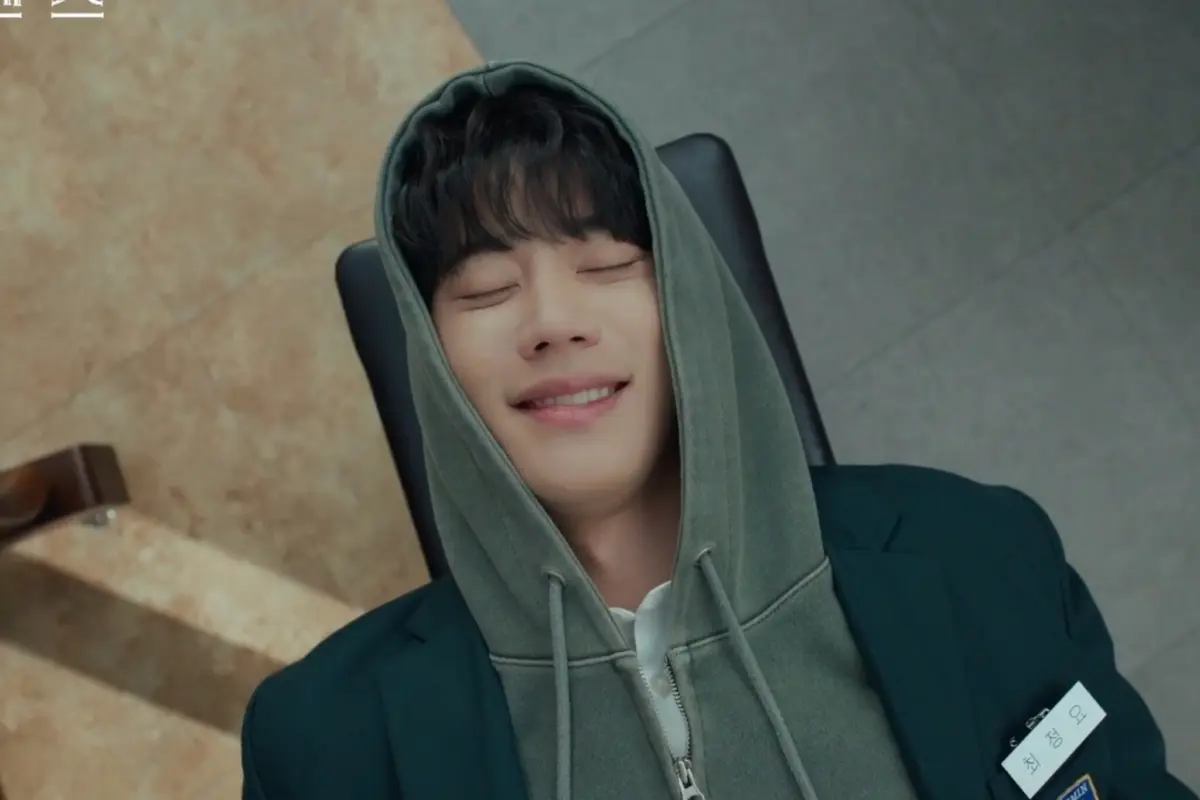
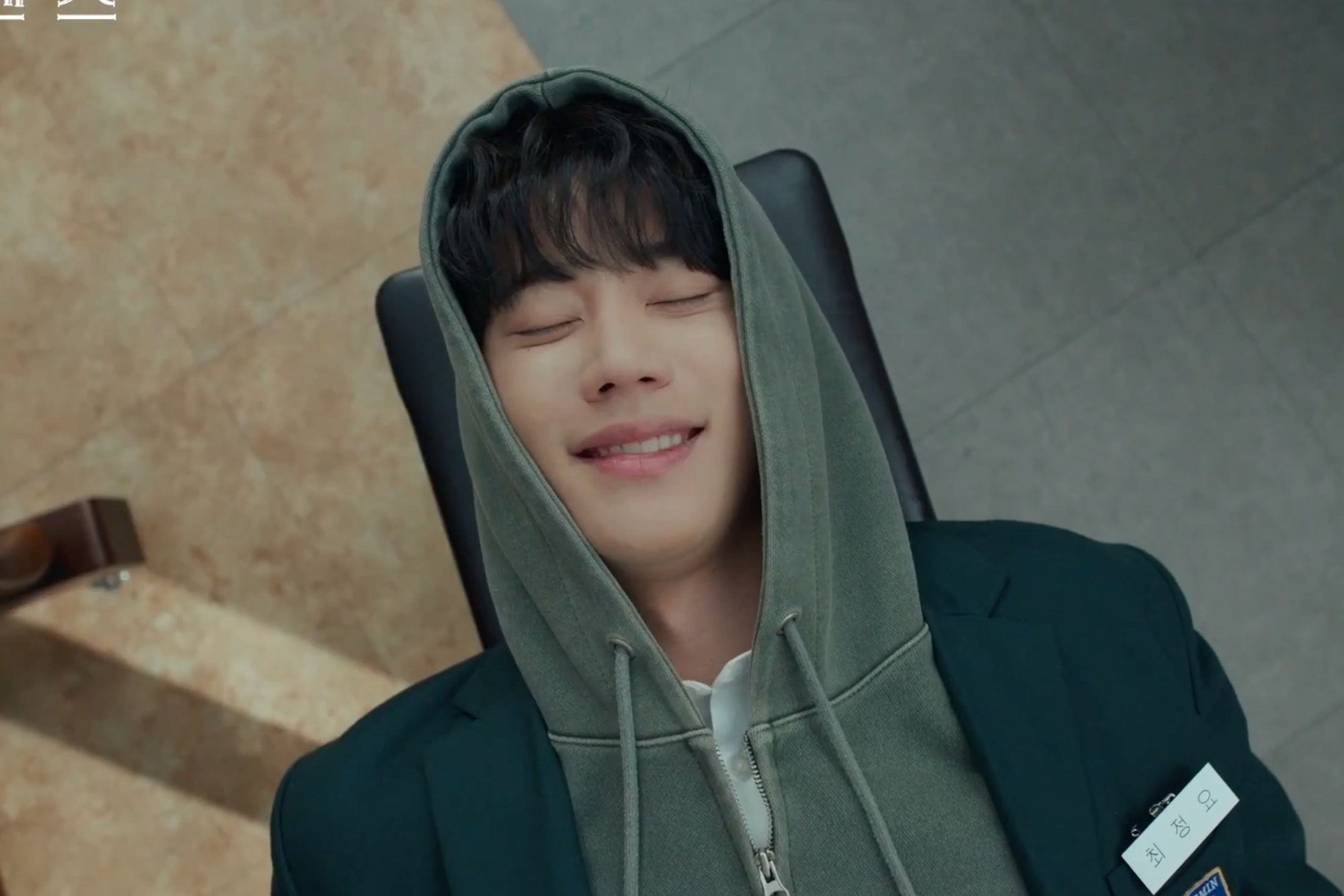
The newly unveiled preview for the premiere episode of Four Hands, Two Sonatas establishes an immediate, intimate connection with its protagonist, Choi Jeong Yo, portrayed with characteristic intensity by Lee Jun Young. The sequence opens within the sterile yet echoing halls of an elite arts academy—a space traditionally defined by structure, discipline, and the mechanical repetition of scales.
Rather than conforming to the rigid environment, Jeong Yo is introduced lying down across a wooden piano bench, a posture that signals both his casual defiance of institutional norms and his deep alienation from conventional student life. With his eyes squeezed shut tight, he surrenders entirely to his surroundings. To the average observer, the audio landscape of a high school is cacophony: the squeak of rubber-soled shoes on linoleum, the distant chatter of teenagers navigating hallway politics, the sharp slamming of lockers, and the scraping of metal chair legs.
However, through the auditory perception of a true prodigy, these mundane environmental noises transform. In Jeong Yo’s universe, the chaos of daily school life resolves into a complex, spontaneous symphony. Every ambient sound is processed through his gifted ears as musical notes, rhythm, and counterpoint. This sequence not only highlights the unique psychological makeup of the character but also visually communicates his profound isolation; he experiences the world on a frequency entirely separate from his peers.
This meditative reverie is abruptly shattered. The auditory illusion of the schoolyard symphony evaporates as a teacher bursts into the practice room, shattering the quiet atmosphere. With a sharp, authoritative command that brings Jeong Yo—and the audience—crashing back to earth, the instructor barks, "Hey, Choi Jeong Yo. Get up right this instant. Everyone, gather around."
The abrupt transition from the sublime internal world of the prodigy to the harsh, demanding realities of high-school administration encapsulates the central tension of Four Hands, Two Sonatas: the constant friction between artistic genius and the institutional systems designed to harness, channel, and ultimately judge it.
Supporting Context & Metrics: The Anatomy of a Musical Melodrama
To fully appreciate the narrative architecture of Four Hands, Two Sonatas, one must examine the specific subgenre it occupies. Musical dramas and films—ranging from international cinematic touchstones like Whiplash and The Red Violin to acclaimed K-dramas such as Do You Like Brahms?—rely heavily on the intersection of technical discipline and emotional vulnerability.
The Psychology of the Musical Prodigy
In television writing, depicting a prodigy presents a distinct challenge: how to make extraordinary technical talent feel grounded and emotionally accessible. By framing Choi Jeong Yo’s perception as an all-encompassing auditory experience where everyday noise becomes music, the creators of Four Hands, Two Sonatas have bypassed standard tropes of the "tortured genius." Instead, they offer a character whose gift is simultaneously a blessing and a sensory burden. This hyper-awareness makes him acutely sensitive to the emotional frequencies of those around him, setting the stage for deep interpersonal conflicts, particularly when he encounters a rival who matches—or challenges—his capabilities.
Lee Jun Young’s Rising Trajectory
The casting of Lee Jun Young in the lead role brings significant industry weight to the project. Known for his versatility across diverse genres—from action thrillers and romantic comedies to gritty character studies such as Reborn Rookie—Lee has cultivated a reputation for investing complex emotional intelligence into his characters. His ability to convey internal turmoil through subtle physical micro-expressions is expected to anchor the emotional weight of Four Hands, Two Sonatas, particularly during sequences that require him to balance adolescent insecurity with the heavy aura of a generational talent.
The Arts High School Setting as a Microcosm of Ambition
By setting the formative years of the narrative within an arts high school, the series taps into a universal adolescent anxiety: the race for validation. The school functions as a pressure cooker where friendships are forged in the crucible of intense competition. The dual-narrative structure—implied by the title Four Hands, Two Sonatas (a musical term for a piano duet played by two performers on a single instrument)—suggests that the relationship between the two central students will be deeply symbiotic. They are simultaneously collaborators and competitors, locked in a lifelong dialogue where every musical piece they master reflects the shifting power dynamics of their relationship.
Official Statements and Production Insights
While promotional materials have thus far focused on visual teasers and character introductions, production insiders from tvN have dropped subtle hints regarding the artistic vision guiding Four Hands, Two Sonatas.
According to representatives close to the production team, the development of the script involved extensive consultation with professional classical pianists and music educators to ensure authenticity in both the depiction of technical training and the psychological toll exacted by conservatory-level expectations.
"We wanted to explore how music shapes not just a career, but the very psychology of human connection," noted an anonymous production source. "When two people communicate through an instrument like the piano, words become secondary. Four Hands, Two Sonatas examines what happens when that musical communication bleeds into real-world friendship, jealousy, and love. Lee Jun Young’s portrayal of Choi Jeong Yo captures that delicate boundary between genius and isolation with striking precision."
Furthermore, network executives have emphasized the stylistic choices made by the directing team, particularly regarding sound design. Because the protagonist experiences the world through a musical lens, the post-production sound editing required a specialized approach that blends ambient environmental noise seamlessly with classical instrumentation, creating a synesthetic viewing experience for the audience.
Future Outlook: What to Expect from the Premiere and Beyond
As the premiere date of August 29 rapidly approaches, anticipation within the K-drama fandom community is reaching a fever pitch. Four Hands, Two Sonatas enters the weekend broadcasting slot with high expectations, positioned to capture viewers who appreciate character-driven narratives with high emotional stakes.
Key Narrative Arcs to Watch
- The Catalyst of Rivalry: How the initial meeting between Jeong Yo and his future rival at the arts high school sets off a chain reaction of personal growth and professional ambition.
- The Evolution from Youth to Adulthood: The narrative pacing will be crucial in successfully bridging the gap between the messy, high-emotion environment of high school and the sophisticated, high-pressure world of professional concert halls.
- The Soundtrack as a Narrative Device: Given the premise, the original soundtrack and piano arrangements featured in the series are expected to play a starring role, acting as emotional signposts for the characters’ internal development.
Streaming and Global Accessibility
In addition to its domestic broadcast on tvN at 9:10 p.m. KST, the drama’s international distribution strategy—bolstered by platforms like Viki, where related works by Lee Jun Young such as Reborn Rookie enjoy robust viewership—ensures that a global audience will be able to follow the series in real-time. This cross-border accessibility is expected to foster active online communities, fan theories, and critical discussions regarding the series’ thematic exploration of ambition and art.
Ultimately, Four Hands, Two Sonatas has all the foundational elements of a memorable television event: a compelling lead performance, a richly textured professional setting, and a universal story about the lengths to which we go to find our harmony in a discordant world. Whether Choi Jeong Yo will be able to balance his extraordinary internal symphony with the complex demands of human relationships remains to be seen, but audiences will not have to wait much longer to find out as the curtain rises on August 29.







Belum ada komentar. Jadilah yang pertama berkomentar!