

Executive Overview
The modern video game industry operates on an unforgiving treadmill. For live-service titles, launch day is rarely a finish line; rather, it is the starting gun for an endless sprint of content drops, patches, seasonal events, and community management. When a game fails, the post-mortem is often straightforward. But what happens when a game succeeds too well, too quickly?
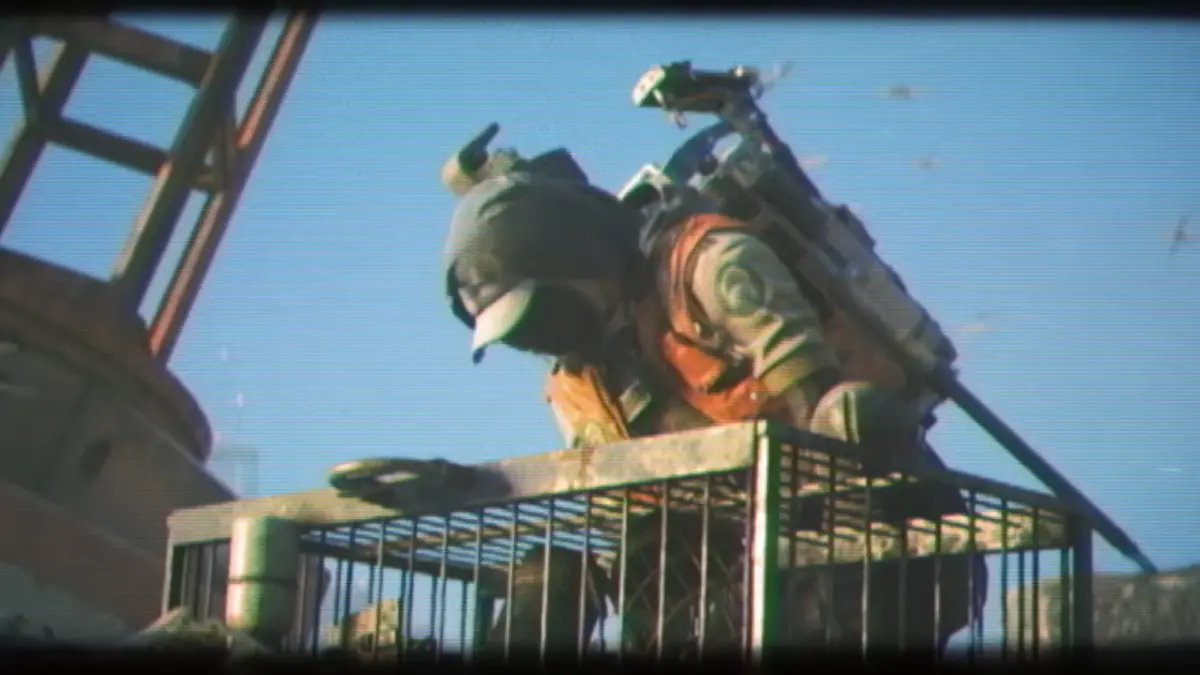
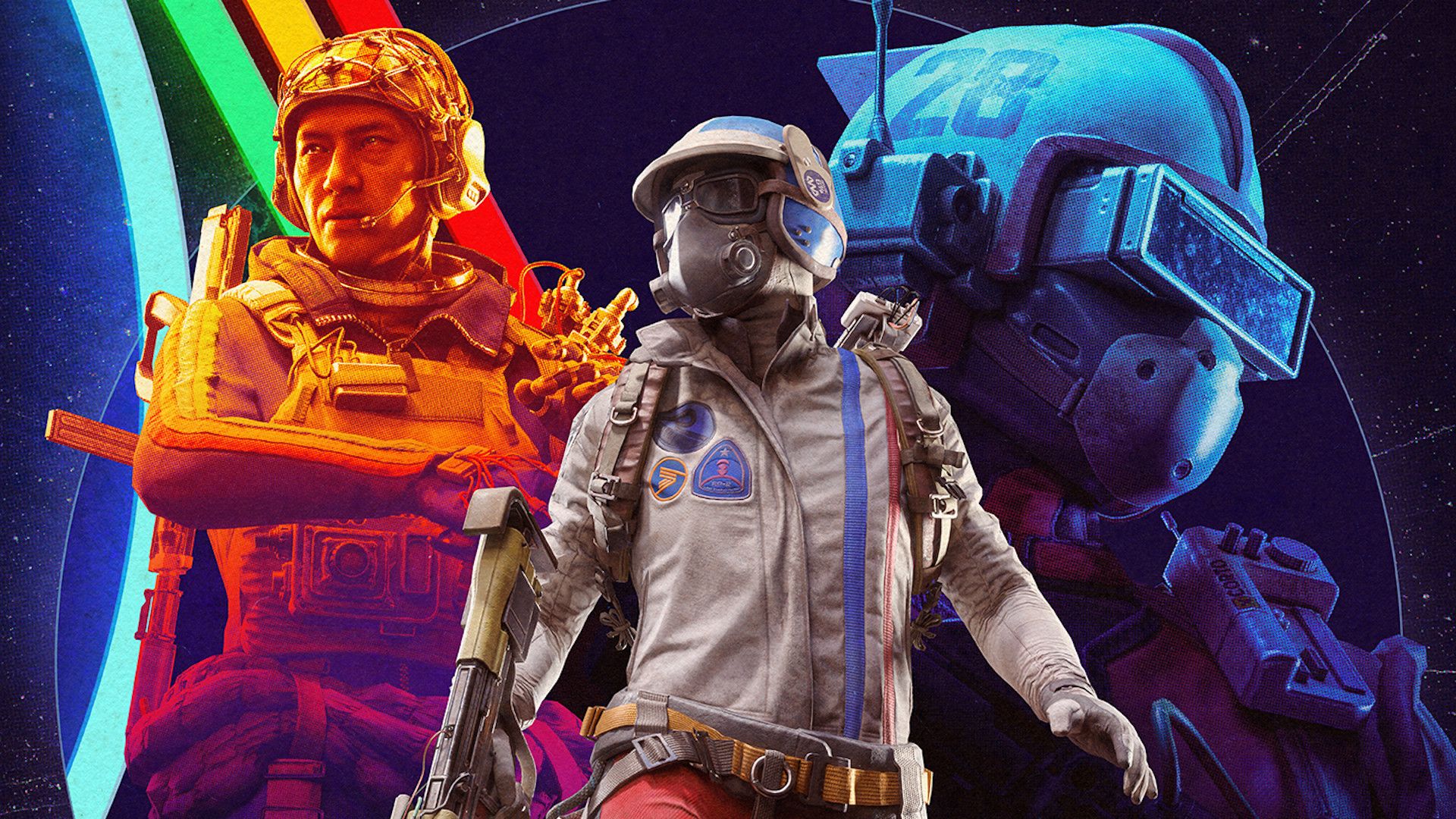
This is the cautionary tale of Arc Raiders, Embark Studios’ third-person extraction shooter. Upon its release, the game shattered expectations, pulling in massive player counts and dominating digital storefronts within minutes of going live. Yet, beneath the veneer of commercial triumph lay a harsh reality: a mid-sized studio was suddenly forced to run a marathon at a sprinter’s pace.
In a candid retrospective, Executive Producer Aleksander Grøndal detailed the devastating human and operational toll that followed the game’s explosive debut. Plagued by constant over-scoping, punishing milestone cycles, and the crushing weight of live-service maintenance, the development team spiraled into exhaustion and widespread burnout. The experience serves as a stark reminder of the hidden human costs in modern game development, illustrating how the relentless pursuit of player retention can nearly cannibalize the very creators responsible for the magic.
Detailed Chronology: From Launch-Day Euphoria to Studio Exhaustion
The Shockwave of Success
When Arc Raiders first opened its servers, the gaming community responded with an appetite that caught everyone—most notably the developers themselves—completely off guard. Surging past 100,000 concurrent players within its first 30 minutes on Steam, the title quickly cemented itself as a top seller.
The early days of the game were defined by a rare atmosphere. Players navigated a world that was visually stunning, deeply atmospheric, and perilous, fostering organic community interactions that are increasingly rare in contemporary multiplayer spaces. For the first few weeks, the mood inside Embark Studios was celebratory. They had built a hit.
The Live-Service Treadmill
However, the euphoria of a successful launch quickly evaporated as the realities of the live-service model set in. Unlike traditional single-player titles where development slows down significantly after gold master, a live-service game demands a continuous, relentless output of fresh content to sustain its player base.
Grøndal admitted that while the team was mentally prepared for the transition to live service—having heard the warnings from veterans across the industry—they were fundamentally unequipped for the sheer velocity of modern player consumption.
"When you build a game up until launch, you build and you test and you build and you test and you fix things and measure results," Grøndal explained. "The way that we’ve been building video games was based on that idea—but now the demands of the players are really high, we feel like we really can’t go much faster."
As players tore through newly introduced maps, solved narrative arcs, and mastered gameplay loops faster than Embark could code them, a dangerous cycle began. The studio attempted to bridge the gap by accelerating production pipelines, pushing out updates at an unsustainable cadence. Instead of satisfying the community, this rushed approach resulted in content that felt thin, uninspired, and plagued by bugs, triggering a noticeable player drop-off.
The Breaking Point
By the middle of the year, the strain had transformed from an operational hurdle into a cultural crisis. The engineering, design, and art teams were running on fumes, caught in a loop of endless crunch dictated by rigid, unforgiving milestones.
"The team was super unhappy," Grøndal noted. "To be fair, they were running really hard milestones and that wasn’t fun and challenging, so we had to do something. The players were also complaining and I don’t think the consistency was high enough."
The cycle of reactive development—patching exploits, dealing with emerging cheater problems, and scrambling to put out fires—consumed nearly all of the studio’s bandwidth. Strategic planning fell by the wayside, replaced by day-to-day triage. It was only when leadership paused to question the fundamental purpose of their workflow that the studio began to confront its unsustainable trajectory.
Supporting Context & Metrics: The Anatomy of "Suffering From Success"
To understand the crisis at Embark Studios, one must examine the structural disparities in the modern games industry. Arc Raiders competed directly in an arena dominated by industry behemoths like Activision Blizzard and Riot Games. These multi-billion-dollar corporate giants possess vast pools of capital, massive dedicated support studios, and deeply entrenched infrastructure designed specifically to absorb the logistical shocks of running multi-platform live-service ecosystems.
Embark Studios, by contrast, operates on a comparatively boutique scale. While creatively ambitious and immensely talented, the studio simply did not possess the headcount required to maintain parity with legacy live-service giants under the same update cadence.
The Financial and Human Overhead
Maintaining a live-service game is a financial and operational black hole. Beyond creating new content, studios must dedicate vast resources to:
- Infrastructure Maintenance: Ensuring server stability for hundreds of thousands of simultaneous users.
- Security & Anti-Cheat Operations: Combatting relentless waves of exploiters and hackers—an issue that severely impacted Arc Raiders and forced Embark to overhaul its detection and ban systems.
- Quality Assurance (QA) & Hotfixing: Rapidly deploying patches to address breaking bugs before community sentiment sours.
According to Grøndal, these maintenance costs routinely overshot the studio’s operational capacity. When a development team spends 80% of its working hours fighting fires and patching holes, proactive, high-quality creative work grinds to a halt. The math was simple, but brutal: trying to do everything meant doing nothing well.
Official Statements: Inside the Mind of Leadership
The human cost of video game production is a subject that industry executives rarely address with absolute candor. Grøndal’s reflections stand out for their vulnerability, offering a rare glimpse into the psychological toll exacted by AAA development cycles.
Reflecting on his own history in the industry—including his tenure at EA working on the Battlefield franchise—Grøndal shared a deeply personal account of systemic exhaustion:
"Being burned out feels super shitty to be honest. It’s terrible. I don’t recommend it to anyone."
He detailed how pushing past human limits during a previous game launch resulted in a five-month medical leave due to physical and mental exhaustion. His perspective underscores a critical paradigm shift that modern studios are slowly being forced to adopt: the preservation of human capital must supersede the demands of release schedules.
"It’s super important [to protect people]," Grøndal emphasized. "Also, it means we lose good people who might be out [of work] for a very long time."
By acknowledging that exhausted workers produce substandard results, Grøndal articulated a business case for work-life balance. Over-extended developers make mistakes, creative fatigue sets in, and the resulting content fails to meet the very standards players demand. Quality, as it turns out, requires rest.
Future Outlook: A Course Correction for Embark Studios
The turning point for Arc Raiders came when leadership stepped back, evaluated the studio’s core competencies, and chose to pivot away from reactive panic. Instead of racing to match the impossible output speed of larger competitors, Embark decided to play to its strengths: deliberate iteration, high artistic fidelity, and sustainable pacing.
This shift in philosophy has already begun to yield tangible results. Recent expansions, such as the Frozen Trail update, demonstrated a marked change in strategy. Rather than pushing out a fragmented stream of minor patches, the studio delivered a robust, highly anticipated content drop featuring expanded maps, deep weapon upgrades, and player-requested features like customizable personal outposts.
Furthermore, Embark has committed to structural changes regarding game security and community protection, prioritizing long-term systemic fixes over quick, superficial band-aids.
The Path Forward
The story of Arc Raiders is a vital lesson for the gaming industry at large. As player expectations continue to scale upward, studios—particularly mid-sized independent developers—must establish operational frameworks that insulate their workforce from the grinding wheels of the live-service machine.
Grøndal’s final sentiment encapsulates the philosophy that will guide Arc Raiders into its next chapter:
"It’s very important for us to create a framework that allows us to be creative while having a good work-life balance. If we think long-term about this product—not just in small increments but big-picture stuff—we need all of these great people. Those are the people who built Arc Raiders in the first place."
For fans of the game, this new approach may mean longer waits between major updates. But as history has repeatedly shown, patience is a small price to pay for a game built by creators who are healthy, inspired, and alive to see its full potential.







Belum ada komentar. Jadilah yang pertama berkomentar!