Nestled within Japan’s ruggedly picturesque Tohoku region, Yamagata Prefecture stands as a masterclass in topographical contrasts and seasonal metamorphosis. Bounded by the Sea of Japan to the west and an imposing spine of inland mountain ranges—including the iconic volcanic peaks of Mount Zao and Mount Gassan—Yamagata exhibits a textbook humid continental climate defined by four sharply delineated seasons. With an average annual temperature hovering around 10°C (50°F), the prefecture’s unique geography creates microclimates where localized atmospheric shifts generate striking disparities between morning lows and afternoon highs.
Far from being a mere meteorological footnote, this environmental variance is the crucible that shapes Yamagata’s identity. The region experiences robust precipitation patterns, heavily influenced by winter Siberian air masses dumping copious snow on the coastal and mountainous zones, contrasted with lush, rain-fed agricultural cycles in the warmer months. For international travelers, domestic wanderers, and cultural historians alike, Yamagata offers an immersive travel paradigm. Whether one seeks the fleeting, ethereal beauty of spring cherry blossoms, the vibrant agrarian bounty of summer, the fiery crimson canvas of autumn foliage, or the surreal, snow-ghost landscapes of midwinter, Yamagata delivers a compelling, year-round narrative of natural splendor and deep-rooted traditions.
Detailed Chronology: A Season-by-Season Meteorological and Cultural Breakdown
To navigate Yamagata successfully, travelers must understand the precise rhythms of its meteorological calendar, pairing climatological realities with practical sartorial planning and regional itineraries.
Spring (March to May): The Thaw and the Blossom
Spring in Yamagata is a gradual, poetic awakening from a deep winter slumber. Temperatures climb steadily from a brisk average of 8°C (46.4°F) in March to a comfortable 20°C (68°F) by May. However, early spring retains the biting chill of the receding snowpack, particularly during dawn and dusk.
Sartorial Advice: Visitors in March should prioritize heavy layering—thick sweaters, long-sleeved thermal shirts, and a wind-resistant, lightweight winter jacket. By April and May, daytime outings permit lighter jackets or cardigans, though a versatile scarf remains a wise safeguard against brisk mountain drafts.
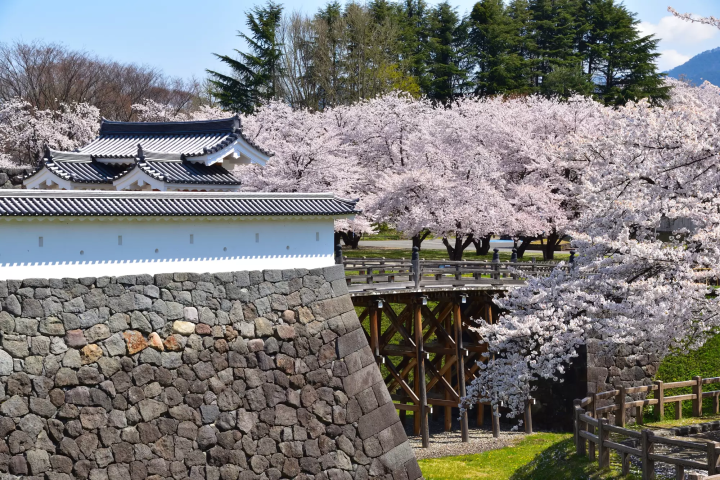
Cultural & Sightseeing Highlights: The crown jewel of Yamagata’s spring is its sakura (cherry blossom) season. Kajo Park in Yamagata City—built on the ruins of Yamagata Castle—and the historic avenues of Shirataka Town transform into pastel pink wonderlands. This season also marks the preliminary emergence of Yamagata’s legendary culinary scene, where travelers can sample premium Yamagata beef alongside early-season cherries.
Summer (June to August): Agrarian Abundance and Festival Fervor
Summer in Yamagata is marked by high energy, humid warmth, and intense agricultural productivity. July and August routinely see daytime mercury readings soar past 30°C (86°F). Yet, true to the prefecture’s inland mountain topography, evenings offer a refreshing reprieve, frequently tumbling back down to a comfortable 20°C (68°F).
Sartorial Advice: Breathability is paramount. Short-sleeved cotton shirts, linen trousers, and shorts are ideal for daytime exploration. Sun protection—including wide-brimmed hats, UV-blocking sunglasses, and high-SPF sunscreen—is non-negotiable.
Cultural & Sightseeing Highlights: This is the zenith of Yamagata’s agricultural calendar. Orchards swing open their gates for peach and grape-picking excursions, offering immediate farm-to-table gratification. Simultaneously, summer nights erupt in cultural pageantry. Major celebrations like the Sakata Festival and the dazzling Yamagata Fireworks Festival showcase centuries-old traditions, folkloric dance, and communal revelry.
Autumn (September to November): The Crimson Transformation
Autumn sweeps across Yamagata with breathtaking velocity. September retains a pleasant summer-like warmth averaging 20°C (68°F), but October and November witness a sharp descent, with average temperatures contracting to between 10°C (50°F) and 15°C (59°F).
Sartorial Advice: Layering is once again essential. Long-sleeved tops paired with fleece-lined or wool jackets will ensure comfort during extended outdoor excursions. A lightweight scarf and gloves are recommended for late-autumn evenings, particularly at higher altitudes.
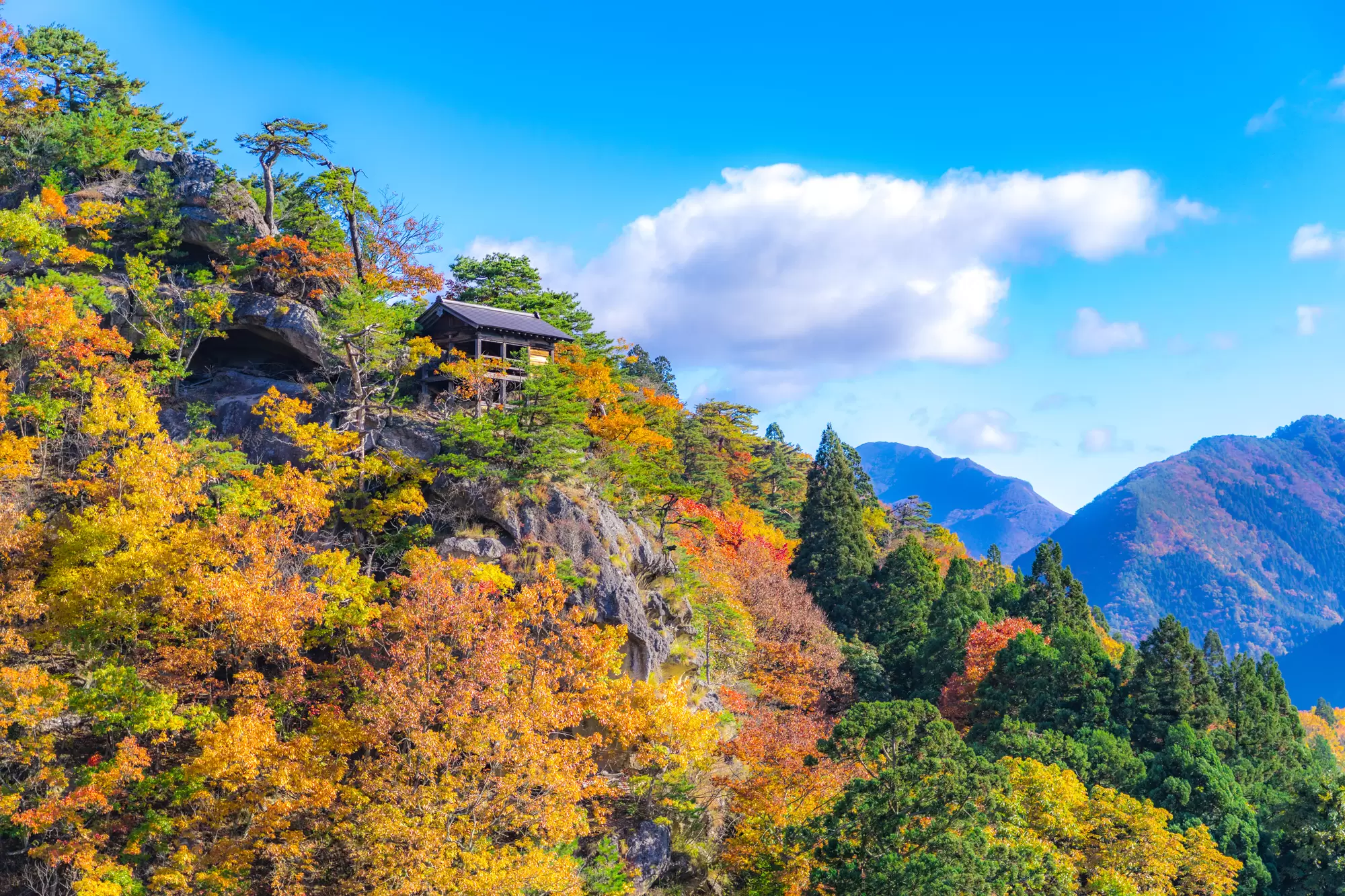
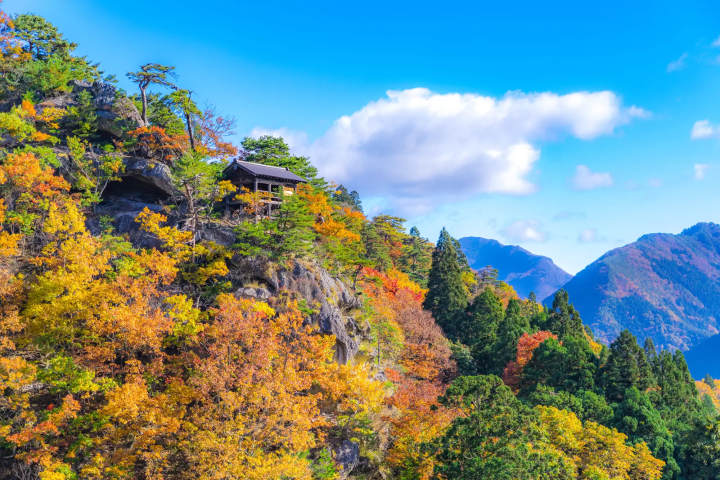
Cultural & Sightseeing Highlights: Regarded by many photographers as the premier season to visit, Yamagata’s autumn foliage (koyo) paints the landscapes of Kaminoyama, Zao, and Mount Gassan in breathtaking shades of amber, crimson, and gold. Gastronomically, autumn is a season of abundance: newly harvested rice, crisp mountain apples, and rich seasonal seafood dominate local izakayas and ryokans.
Winter (December to February): The Snow Country Haven
Yamagata’s winter is an uncompromised alpine wonderland. Temperatures regularly plunge below freezing, oscillating between -5°C (23°F) and 5°C (41°F) through January and February. Heavy moisture rolling off the Sea of Japan hits the inland mountain barriers, resulting in monumental snowfall accumulations.
Sartorial Advice: Arctic-grade preparation is mandatory. Heavy, down-insulated winter coats, thermal base layers, waterproof trousers, insulated gloves, and windproof scarves are absolute requirements. Specialized footwear—such as slip-resistant snow boots with deep treads—is critical for safe navigation of icy pathways.
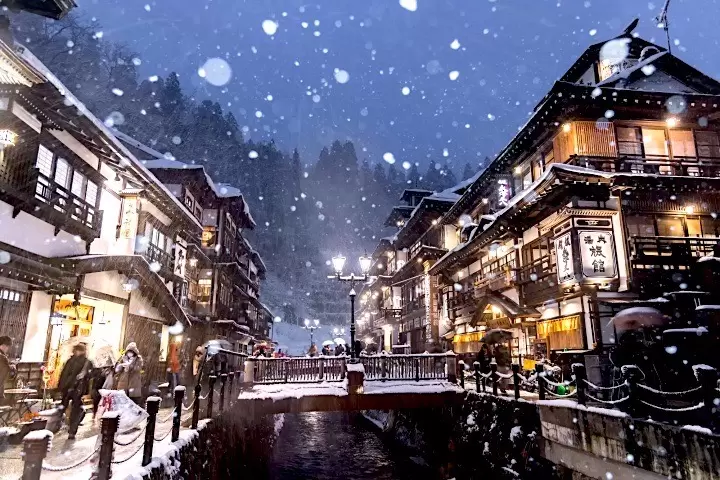
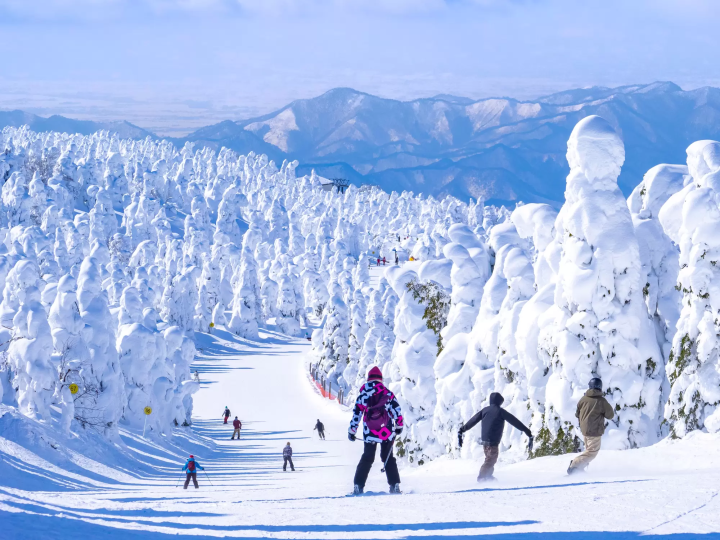
Cultural & Sightseeing Highlights: Winter transforms Yamagata into an elite destination for winter sports. The Zao Onsen Ski Resort features world-class terrain for skiers and snowboarders of all abilities. Most famously, the high-altitude winds and sub-zero temperatures sculpt the local conifers into eerie, magnificent ice formations known as the "Juhyo" or "Snow Monsters." Following a day on the slopes, visitors can retreat to centuries-old hot spring (onsen) towns, soaking in mineral-rich waters as snow flutters down around them.
To contextualize Yamagata within the broader architecture of Japanese tourism and geography, several key metrics and regional factors must be considered:
Geographic Footprint: Spanning over 9,300 square kilometers, Yamagata is geographically expansive yet sparsely populated compared to Japan’s metropolitan corridors, allowing its natural ecosystems to remain remarkably pristine.
Precipitation Indices: The prefecture records some of the highest annual snowfall totals in the Japanese archipelago, a critical data point for civil infrastructure, agricultural planning (such as snow-melt irrigation for rice paddies), and tourism logistics.
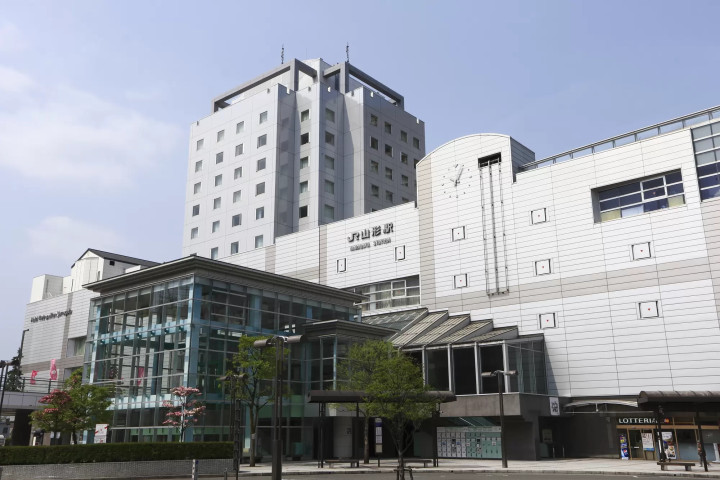
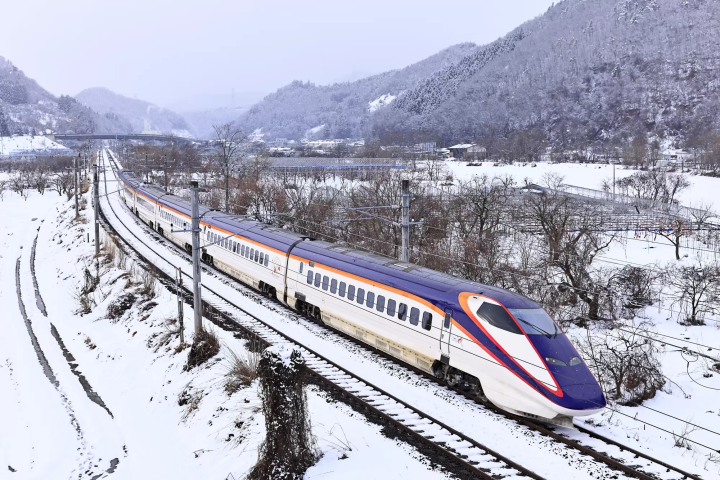
Accessibility: Maintained by the Yamagata Shinkansen (bullet train network), travel from Tokyo to Yamagata Station takes approximately 2.5 hours, making this dramatic meteorological and cultural shift remarkably accessible to international travelers arriving via Japan’s primary transit hubs.
Official Statements and Regional Insights
Local tourism boards, cultural administrators, and agricultural cooperatives emphasize the symbiotic relationship between Yamagata’s weather patterns and its economic and cultural vitality. According to regional tourism promotional frameworks, Yamagata’s weather is not merely a background condition, but the primary architect of its tourism product.
"Yamagata does not experience weather as a disruption; our climate is our greatest artisan," notes a regional tourism planning representative. "The biting winter snows protect our dormant fruit orchards and sculpt the Zao Snow Monsters; the heavy spring snowmelt nourishes our world-famous cherries and rice fields; and the dramatic thermal swings between day and night in summer infuse our fruits with unparalleled sugar content. Every season in Yamagata tells a distinct, uncompromised story of earth and sky."
Furthermore, local hot spring associations stress the therapeutic alignment of Yamagata’s climate. The juxtaposition of freezing winter temperatures with the volcanic, geothermal heat of hot spring sanctuaries like Ginzan Onsen and Zao Onsen creates an experiential contrast that underpins the region’s wellness tourism strategy.
Future Outlook: Sustainable Tourism and Climate Adaptation in Yamagata
As global weather patterns shift, Yamagata Prefecture faces both opportunities and challenges regarding its seasonal identity. Climate change has introduced variability into traditional snowfall timelines and cherry blossom bloom dates, prompting local agricultural and tourism sectors to implement proactive adaptation strategies.
Looking toward the future, Yamagata’s regional planners are heavily investing in sustainable tourism models. Initiatives include promoting off-peak green tourism, enhancing eco-friendly infrastructure in sensitive alpine zones like Mount Gassan, and diversifying agricultural experiences to buffer against seasonal weather anomalies. By safeguarding its natural topography and promoting year-round travel diversification—steering visitors away from hyper-concentrated peak weeks toward shoulder seasons—Yamagata aims to protect its fragile ecosystems.
For the modern traveler, Yamagata represents an enduring invitation to slow down and synchronize with the natural world. Whether one is watching the cherry blossoms unfurl against ancient castle walls in April or listening to the silent fall of snowflakes over a steaming mountain onsen in January, Yamagata’s four-season narrative remains one of Japan’s most captivating travel experiences.











Belum ada komentar. Jadilah yang pertama berkomentar!