Date: August 25, 2026 Location: Osaka, Japan Author: Global Business Destinations Desk
Executive Overview
In the rapidly evolving landscape of global business tourism, event planners and corporate executives face an increasingly complex set of demands. Attendees expect seamless international connectivity, cutting-edge conference facilities, and luxurious accommodations, while corporate stakeholders increasingly mandate strict adherence to environmental, social, and governance (ESG) standards. Furthermore, modern business travelers seek authenticity—moving beyond sterile hotel boardrooms to engage directly with local cultures, artisan industries, and sustainable urban ecosystems.
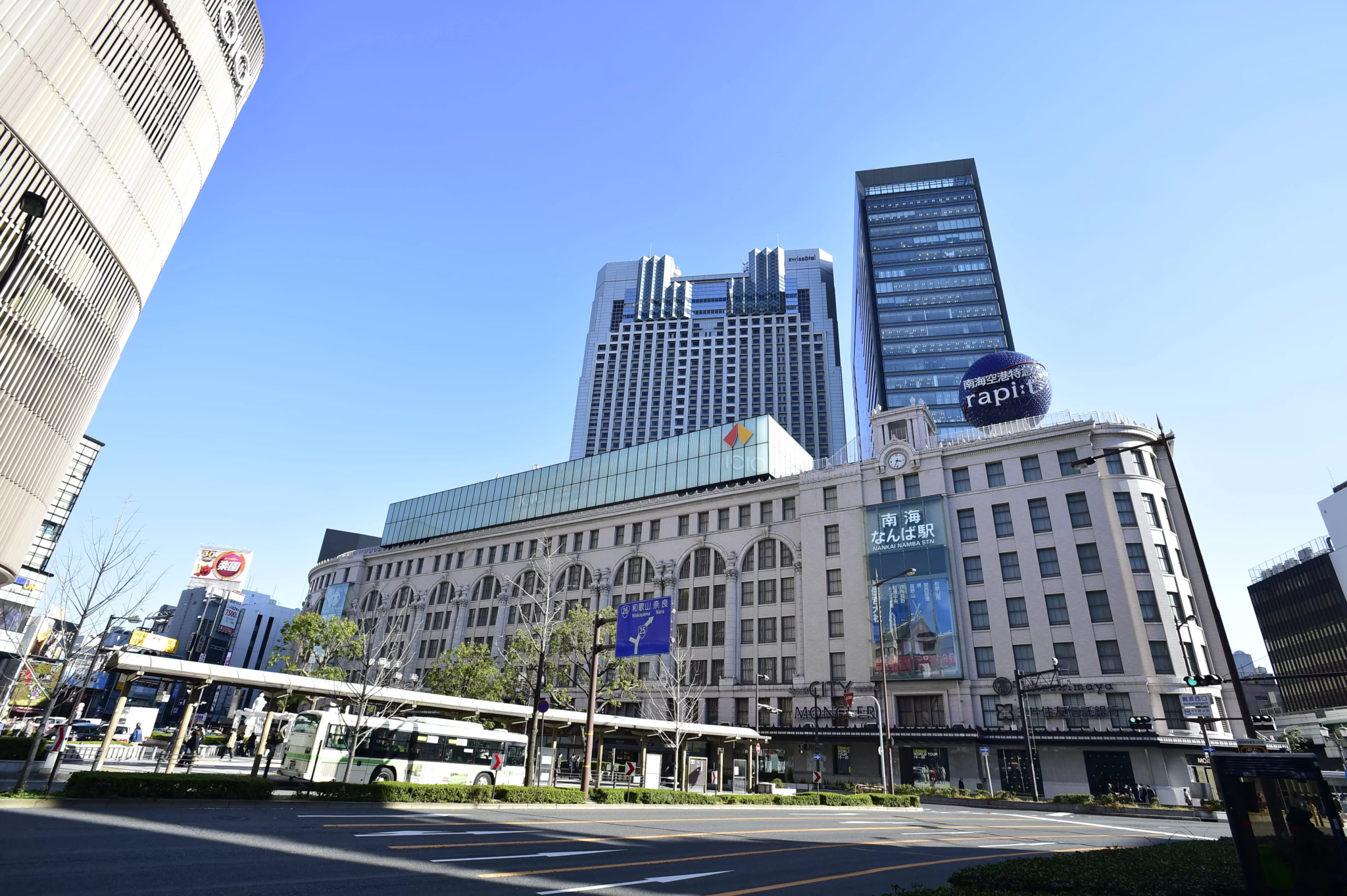
Enter Namba, Osaka’s premier vibrant entertainment and commercial district. Situated just 34 minutes from Kansai International Airport (KIX) via direct train access, Namba is rapidly positioning itself as Asia’s premier boutique destination for MICE (Meetings, Incentives, Conferences, and Exhibitions).
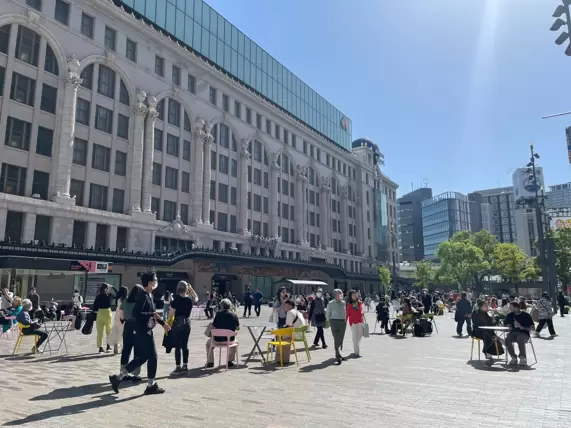
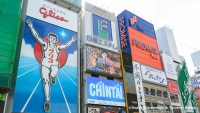
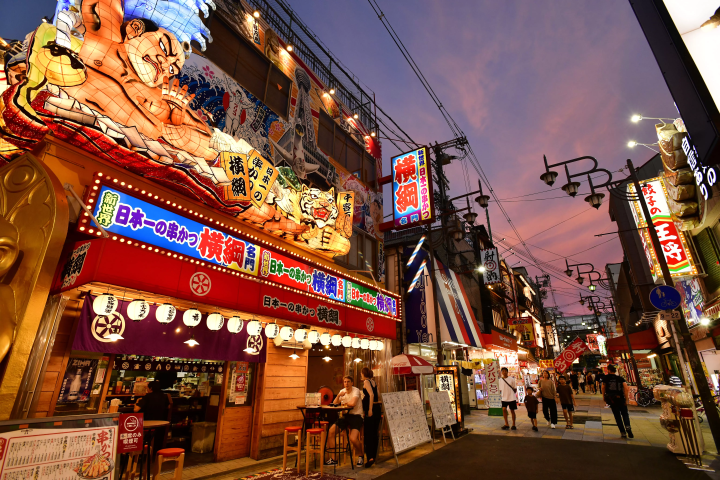
Far from being merely a bustling district known for its world-class gastronomy and neon-lit streetscapes, Namba presents an exceptionally compact, highly integrated urban ecosystem. Here, conference halls, premium hotels, fine dining establishments, and evening networking hubs exist within a fully walkable radius. Backed by comprehensive, all-in-one institutional support from the Nankai Group, and powered heavily by 100% renewable energy initiatives, Namba offers an unmatched blend of frictionless logistics, professional productivity, and authentic cultural immersion.
Detailed Chronology & Structural Logistics: The Anatomy of a Seamless Namba MICE Experience
To truly understand why Namba excels as an international meeting destination, one must analyze the logistics of attendee transit and spatial design. Traditional global business hubs often subject participants to grueling commutes between sprawling airports, remote convention centers, and distant hotels—a friction point that drains productivity and elevates stress levels. Namba systematically eliminates these hurdles through a uniquely concentrated urban layout.
Phase 1: Arrival and Transit Efficiency
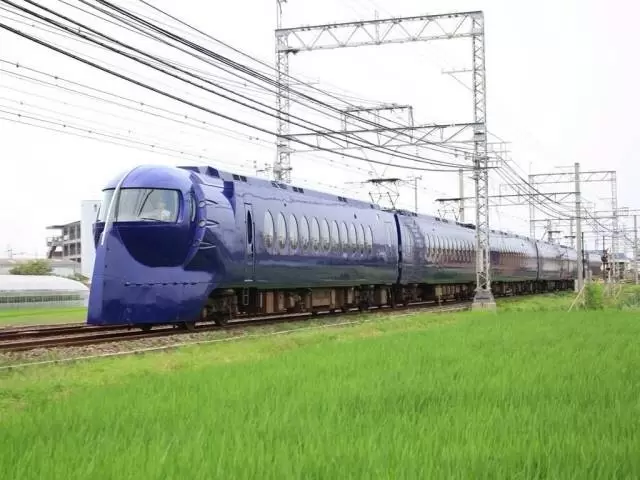
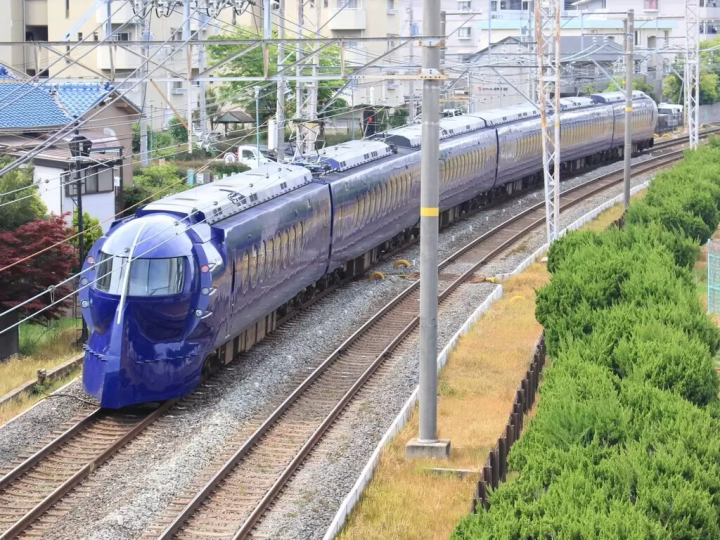
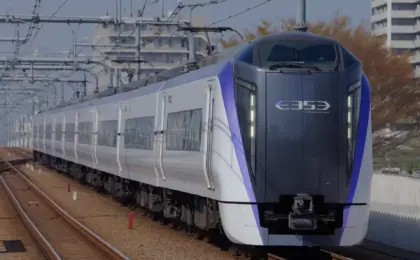
Upon touching down at Kansai International Airport (KIX), international delegates board the Nankai Electric Railway’s Rapi:t limited express train. Within as little as 34 minutes, travelers arrive directly at Nankai Namba Station. For domestic participants arriving via the Shinkansen (bullet train), the district is equally accessible—only about 15 minutes away from Shin-Osaka Station.
Crucially, this transit corridor is not merely fast; it is environmentally responsible. Nankai Electric Railway operates its key routes, including the KIX-to-Namba express lines, utilizing 100% renewable energy. This enables corporate groups to initiate their sustainable event itineraries the exact moment they clear customs.
Phase 2: The Walkable Urban Ecosystem
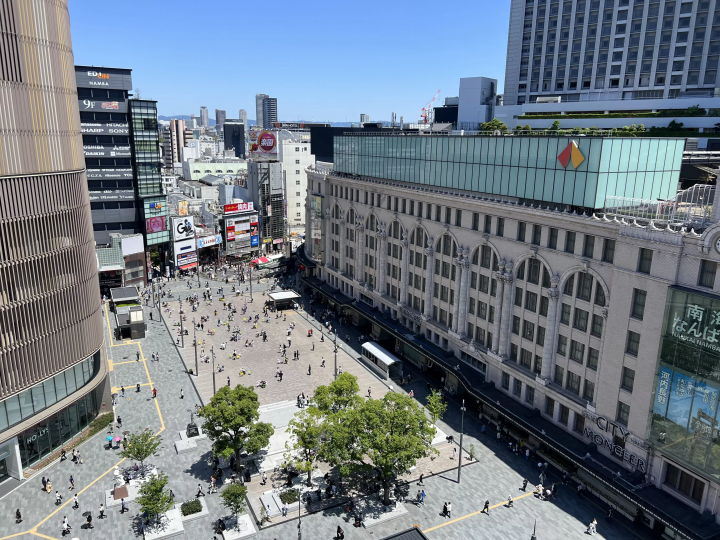
Once delegates arrive in Namba, the need for ground transportation virtually vanishes. Conference venues, luxury lodgings, casual dining areas, and historical attractions are situated within a highly compact, walkable grid.
Namba SkyO Convention Hall: Serving as the anchor for medium-sized international conferences and corporate summits, this state-of-the-art facility boasts a maximum capacity of 460 attendees. Directly connected to Nankai Namba Station, Namba SkyO offers flexible configurations for keynotes, breakout sessions, and dynamic exhibitions. Notably, the entire facility operates on 100% renewable energy.
Swissôtel Nankai Osaka: Directly linked to the convention infrastructure, this flagship luxury hotel provides world-class banquet spaces and all-in-one convenience, allowing speakers and organizers to transition between guest rooms and conference stages in a matter of minutes.
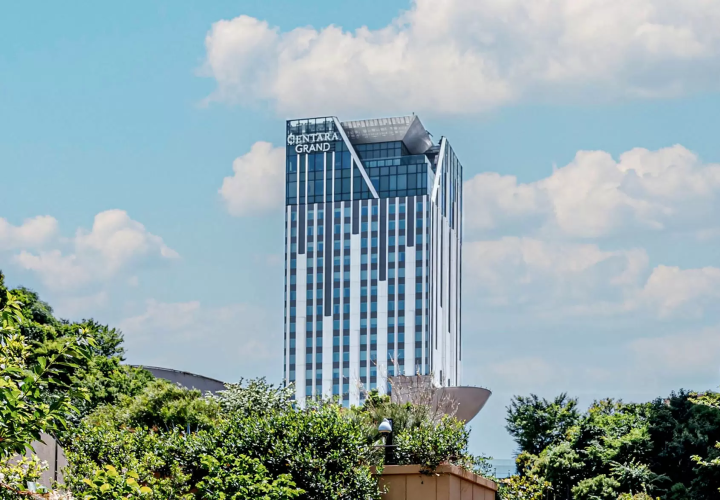
Centara Grand Hotel Osaka: An internationally operated luxury hotel providing a sophisticated, polished environment perfectly suited for high-level executive receptions and VIP networking events.
Diverse Hospitality Options: Beyond flagship luxury brands, the district features a robust portfolio of accommodations catering to varied budgets, scales, and cultural preferences.
Phase 3: The Synergy of Work and Leisure
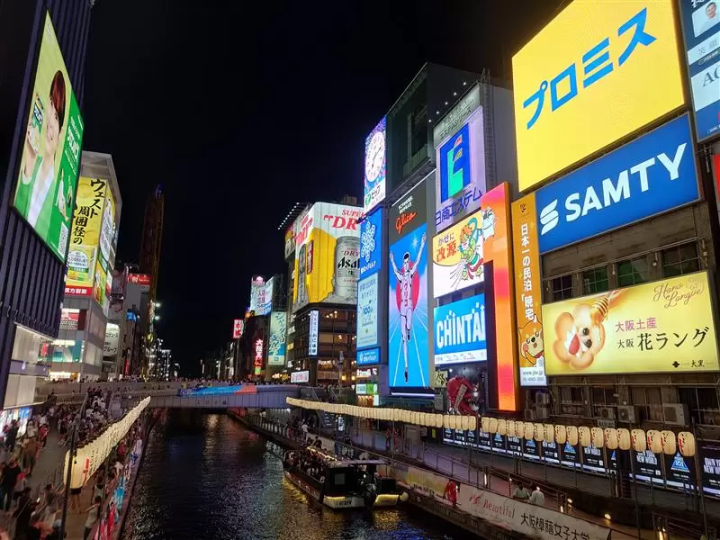
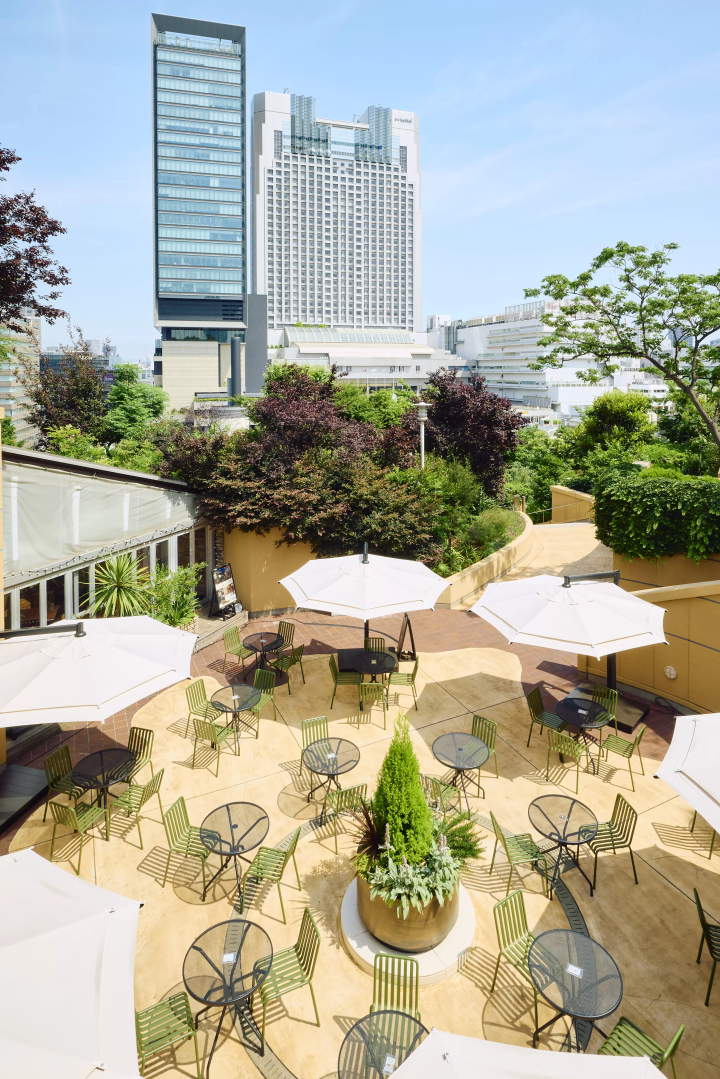
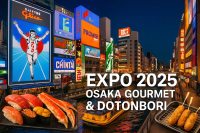
Because the venues, hotels, and after-hours networking zones are inextricably linked, the traditional lag time between conference sessions is eliminated. Participants experience significantly lower fatigue and higher retention rates. After formal agendas conclude, attendees can naturally transition to casual open-air terraces, rooftop gardens, or the vibrant culinary alleys of Dotonbori. This casual, lively atmosphere successfully lowers the psychological barriers typically associated with cross-cultural networking, fostering organic professional synergies.
Supporting Context & Metrics: Sustainability, Academia, and Industrial Heritage
Modern corporate travel cannot rely on convenience alone; it must deliver substantive educational value and verifiable ecological responsibility. Namba excels across all three pillars: sustainability, academic proximity, and industrial tourism.
1. Zero-Emission Infrastructure and Urban Biodiversity
Namba’s commitment to the environment extends far beyond transit. Key landmarks throughout the district have transitioned entirely to green electricity:
Namba SkyO & Namba Parks: Both complexes operate on 100% renewable energy.
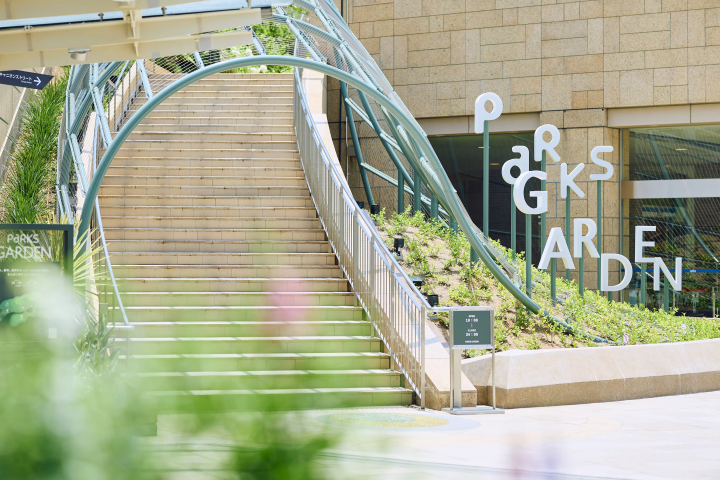
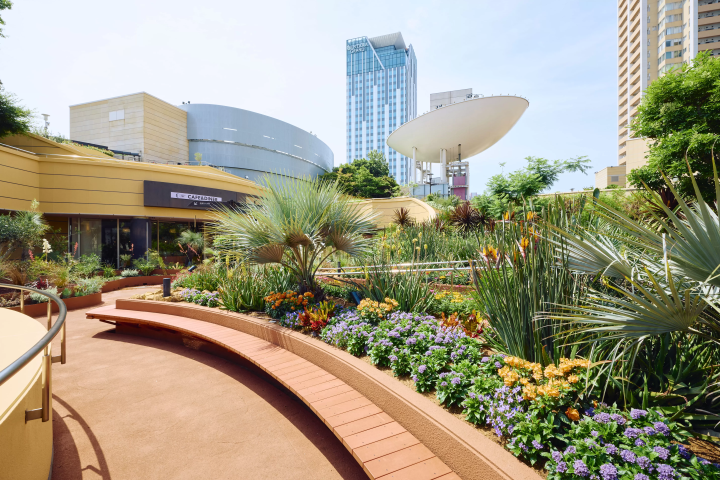
Parks Garden: Located atop Namba Parks, this sprawling multi-level rooftop garden acts as an urban sanctuary. It combats the urban heat-island effect, supports local biodiversity, and serves as an inspiring, green intermission space for conference attendees needing a breath of fresh air. Guided tours led by Nankai staff are available to educate corporate groups on how urban ecological stewardship is practically applied.
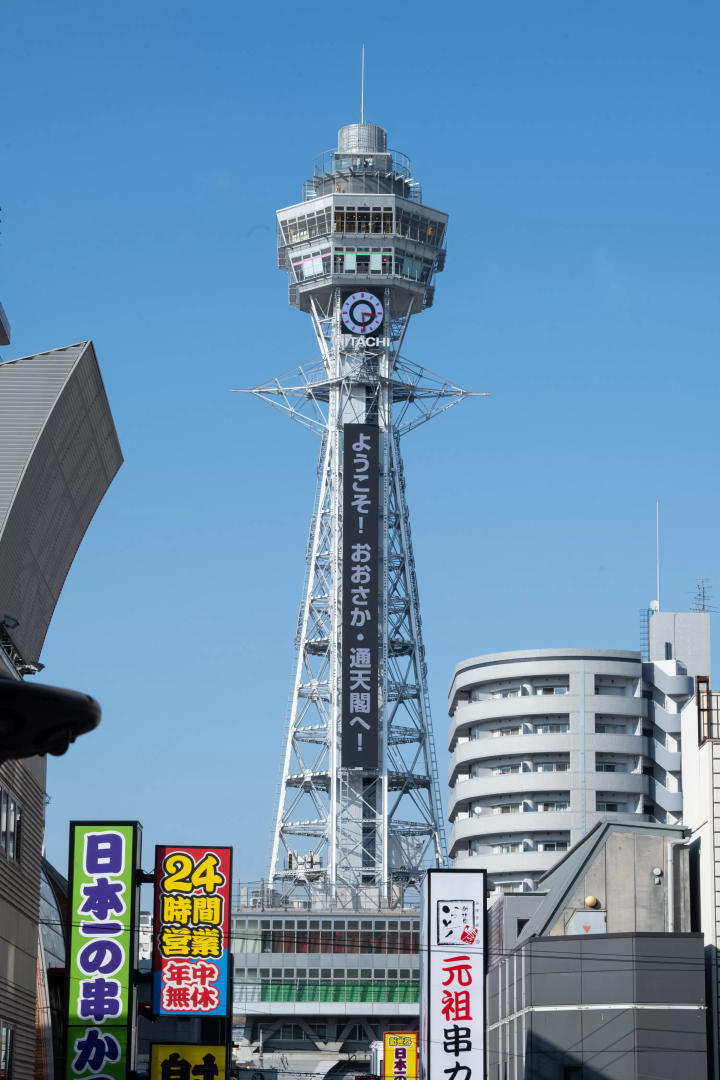
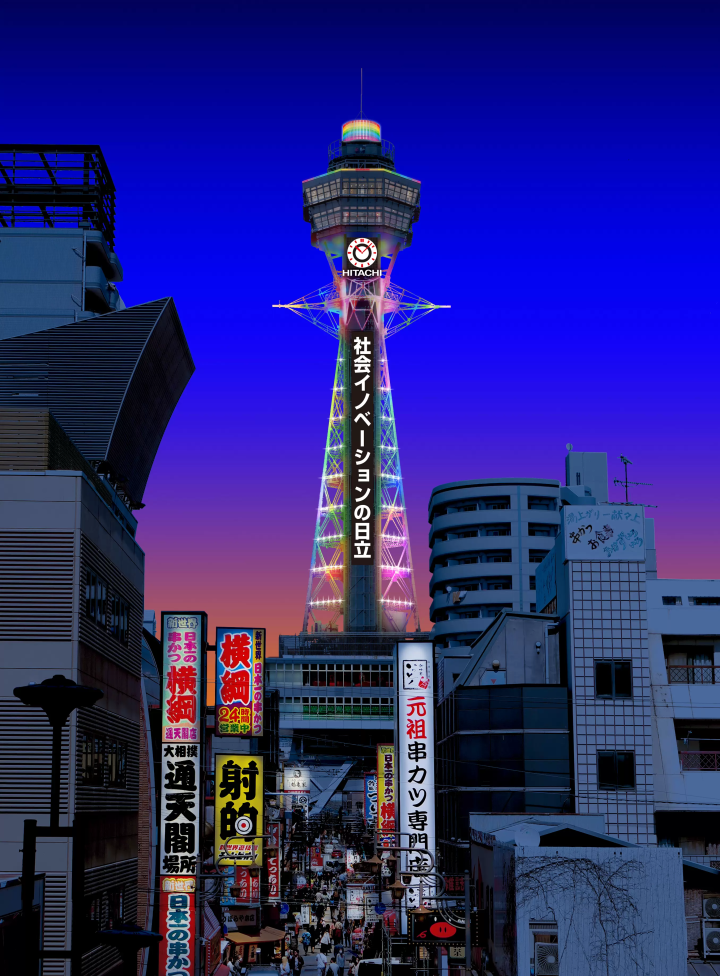
Tsutenkaku Tower: Osaka’s iconic landmark has also achieved 100% renewable-energy operation, cementing the city’s broader vision of sustainable urban tourism.
2. Academic Proximity and Research Collaboration
For academic institutions and research-driven corporations, Namba serves as an ideal launchpad. The district offers rapid, direct access (approximately 30 minutes) to leading institutions such as Osaka Metropolitan University and the Kinki University School of Medicine. This proximity facilitates effortless coordination for joint symposia, technological exchanges, and academic retreats.
3. Immersive Industrial Tourism: The Craft of South Osaka and Wakayama
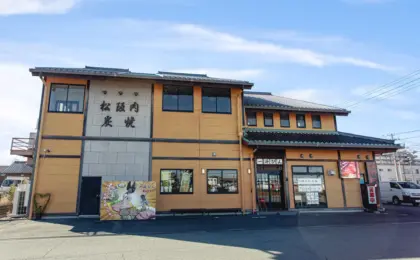
One of Namba’s most distinctive value propositions is its proximity to South Osaka’s legendary manufacturing belt and Wakayama’s historical heartland. Organizers can curate bespoke corporate site visits that offer hands-on exposure to traditional and advanced Japanese manufacturing, including:
Precision blade forging and metal processing
Specialized gear production and plastic molding
Traditional towel manufacturing and artisanal textile dyeing
Regional sake brewing and artisan confectionery manufacturing
These immersive field trips grant participants a rare window into Japan’s philosophy of craftsmanship, continuous improvement (kaizen), and rigorous quality control. Furthermore, a short excursion south introduces delegates to the Mozu-Furuichi Kofun Group, a UNESCO World Heritage site of immense cultural and historical gravity.
Official Statements and Institutional Support: The Nankai Group Advantage
Coordinating an international MICE event across multiple vendors can often overwhelm even the most seasoned event planners. Namba solves this structural challenge through the comprehensive, centralized support of the Nankai Group.
As the primary urban developer and transit provider of the district—tracing its history back to the original construction of Namba Station—the Nankai Group offers an integrated, single-point-of-contact approach that is virtually unmatched in the region.
"From high-speed transit powered by renewable energy to seamless venue coordination, accommodation sourcing, and curated industrial excursions, our goal is to eliminate administrative friction for event organizers," notes a representative from the Nankai Group’s industrial tourism and MICE division.
"We provide an all-in-one ecosystem where planners can customize every facet of their itinerary with absolute peace of mind. Whether dealing with a finalized participant roster or exploring speculative concepts for future fiscal years, our teams in Japan and abroad stand ready to tailor programs that match exact budgetary and strategic objectives."
Model Itinerary: A Three-Day Sustainable MICE Blueprint in Namba
To demonstrate the practical application of Namba’s MICE ecosystem, the following three-day model plan illustrates how business, sustainability, and cultural immersion can be seamlessly woven together.
Day 1: Arrival, Inaugural Sessions, and Welcome Networking
Morning: Arrival at Kansai International Airport (KIX) via international flight $rightarrow$ Seamless transfer to Namba via the renewable-powered Rapi:t express (approx. 34 minutes) $rightarrow$ Hotel check-in at Swissôtel Nankai Osaka or Centara Grand Hotel Osaka.
Afternoon: Opening keynote and main plenary sessions hosted at the Namba SkyO Convention Hall.
Evening: Welcome networking reception at a fine dining establishment within easy walking distance, featuring local culinary specialties and relaxed cross-cultural icebreakers.
Day 2: Focused Workshops, Urban Ecology, and Industrial Insights
Morning: Specialized breakout sessions and collaborative workshops held in fully equipped secondary meeting rooms.
Afternoon Session 1: An outdoor educational site tour of Namba Parks and the Parks Garden, focusing on urban biodiversity, rooftop agriculture, and corporate SDG initiatives (weather permitting).
Afternoon Session 2: Corporate site visit to South Osaka. Delegates embark on a guided factory tour, engaging in executive dialogues and Q&A sessions with local manufacturing leaders.
Evening: Free time for delegates to explore Namba’s vibrant nightlife, neon-lit entertainment districts, or enjoy quiet dining along the Dotonbori canal.
Day 3: Strategic Outcomes, Cultural Exploration, and Departure
Morning: Final wrap-up sessions, outcome-sharing plenaries, and collaborative action plan development at the primary venue.
Afternoon: Optional free exploration for interested participants. Choices include a guided walking tour of historic Osaka or an extended cultural excursion to the UNESCO World Heritage Mozu-Furuichi Kofun Group or the sacred sites of Wakayama.
Evening: Program concludes, followed by convenient evening transit back to Kansai International Airport for international departures or seamless connections to other major Japanese business hubs.
Future Outlook & Inquiry Guide
As global organizations increasingly demand event destinations that prioritize both ultra-efficient logistics and uncompromising ecological standards, Namba stands out as a visionary model for the future of business tourism. By uniting high-speed transit, compact walkability, state-of-the-art convention spaces, 100% renewable energy operations, and profound cultural-industrial depth, the Namba-Kansai Airport corridor offers an environment where productivity and participant satisfaction reach unprecedented heights.
Plan Your Next Event in Namba
Whether you are organizing a medium-sized international conference, an executive corporate retreat, or a specialized university seminar, the Nankai Group’s dedicated MICE team is equipped to assist you—even during the preliminary stages of event conceptualization.
Inquiry Flexibility: Organizers are encouraged to reach out even if participant numbers and final dates are not yet fully solidified. Reference pricing and flexible itinerary customization are available for current and future fiscal years.
How to Connect:
Complete the preliminary inquiry form linked below.
A dedicated representative will respond from [email protected] within 3 business days.









Belum ada komentar. Jadilah yang pertama berkomentar!