

Executive Overview
The cinematic landscape of the late 2020s is about to witness an unprecedented collision of auteur powerhouses. Netflix has officially unleashed the promotional campaign for The Further Mis-Adventures of Cliff Booth, a high-profile feature film that pairs the razor-sharp, nostalgic penmanship of Quentin Tarantino with the meticulous, shadowy aesthetic of visionary director David Fincher.
Serving as a direct, highly anticipated follow-up to Tarantino’s critically acclaimed 2019 alternate-history masterpiece, Once Upon a Time… in Hollywood, the new film brings Academy Award winner Brad Pitt back into the worn leather jacket and effortless swagger of his iconic role: the unflappable, lethal stuntman-turned-fixer Cliff Booth.
As IMAX tickets officially go on sale, alongside the release of a striking new theatrical poster and promotional teaser, anticipation has reached a fever pitch. Set against the gritty, neon-drenched backdrop of 1977 Los Angeles, the narrative strips away the sun-kissed optimism of the late sixties, replacing it with a hard-boiled crime thriller. Los Angeles has changed, the counterculture fairytale has curdled, and the city no longer requires a hippie-slaying stuntman quite the way it used to. Yet, Tinseltown’s underbelly remains as murky as ever—ensuring that Cliff Booth’s unique, frequently extralegal skill set is still very much in demand.
With a star-studded ensemble cast featuring Elizabeth Debicki, Scott Caan, Carla Gugino, Yahya Abdul-Mateen II, and Peter Weller, The Further Mis-Adventures of Cliff Booth is positioning itself as both a major theatrical event—thanks to a strategic IMAX window beginning November 25, 2026—and a premier streaming crown jewel for Netflix ahead of its December 23, 2026 debut.
Detailed Chronology: From 1969 to the Gritty Reality of 1977
To fully appreciate the narrative trajectory of The Further Mis-Adventures of Cliff Booth, one must look back at the cinematic chronology established seven years prior in the real world, and eight years prior within the film’s universe.
The 1969 Paradigm Shift
In Once Upon a Time… in Hollywood, audiences were introduced to a hyper-stylized, revisionist version of 1969 Los Angeles. The film charted the twilight of Hollywood’s golden age through the parallel lives of fading television Western star Rick Dalton and his loyal, stoic stunt double and best friend, Cliff Booth. Culminating in a famously bloody, darkly comedic climax on Cielo Drive, Cliff casually dismantled members of the Manson family, cementing his legacy not merely as a behind-the-scenes Hollywood worker, but as an accidental guardian angel of the Hollywood hills.
The 1977 Reality Check
The fairytale, however, has officially expired. The year is now 1977. The cultural reckoning of the 1970s has taken hold of America, and Los Angeles is no longer defined by psychedelic optimism and sun-drenched innocence. It is an era defined by economic stagnation, rising crime rates, post-Watergate cynicism, and a shifting cinematic paradigm—ushered in by the early tremors of the New Hollywood movement and gritty urban crime dramas.
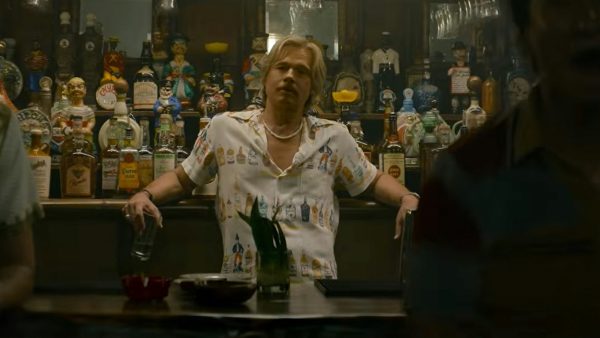
In this new reality, Cliff Booth is older, wiser, and operating on the margins of an industry that is rapidly modernizing. When he isn’t earning an honest living working odd shifts as a local bartender or threading film as a projectionist in downtown LA theaters, Cliff is moonlighting as a "fixer." In a town where studio executives, rising stars, and shady power brokers constantly find themselves trapped in compromising positions, Cliff offers a rare commodity: absolute discretion, absolute silence, and the physical capacity to handle problems that cannot be solved by lawyers or publicists.
Plot Dynamics and Character Profiles
The narrative kicks into high gear when Cliff receives an unexpected phone call from high-powered talent agent Karen Crosby (portrayed with razor-sharp sophistication by Elizabeth Debicki). Crosby is operating on behalf of her marquee client, television megastar Charlie Peters (Scott Caan)—a rugged, old-school actor renowned for insisting on performing his own stunts.
As Cliff enters Peters’ inner circle, he is quickly drawn into a web of ambition, paranoia, and danger. The character dynamics introduce a rich tapestry of Hollywood players:
- Toni Peters (Carla Gugino): Charlie’s knowing, fiercely perceptive wife, who understands the treacherous mechanics of fame better than anyone.
- Roderick “Hot Rod” Harrison (Yahya Abdul-Mateen II): A professional football champion-turned-screen star whose transition to the silver screen comes with a unique set of high-stakes complications.
- The Verdusco Brothers (Matt Groove and JB Tadena): A pair of enigmatic, ruthless gangsters whose violent operations are causing tectonic shifts in the criminal underworld across Los Angeles.
What begins as a routine professional inquiry quickly devolves into a sprawling neo-noir crime story. Interweaving elements of murder, blackmail, theft, and corporate extortion, Tarantino’s script—realized through Fincher’s icy, precision-engineered directorial lens—transforms 1977 Hollywood into a high-stakes chessboard where a single wrong move can be fatal.
Supporting Context, Production Pedigree, and Distribution Metrics
The pairing of Quentin Tarantino’s dialogue-driven, pop-culture-infused universe with David Fincher’s clinical, atmospheric visual storytelling represents one of the most fascinating creative collaborations in modern cinema history.
The Auteur Collision
Quentin Tarantino has long maintained that his directorial career would conclude after his tenth feature film. By handing directorial duties over to David Fincher—a peer and contemporary whose filmography (Se7en, Zodiac, Gone Girl, Mank) represents the absolute pinnacle of modern cinematic tension and procedural realism—Tarantino has ensured that his literary universe expands without breaking his self-imposed directorial threshold. Fincher’s penchant for deep shadows, creeping dread, and meticulous period recreation provides a stark, riveting contrast to the sun-bleached pop vibrancy of Once Upon a Time… in Hollywood.
The IMAX Strategy and Streaming Window
In a strategic distribution coup for Netflix, The Further Mis-Adventures of Cliff Booth is receiving a prestige theatrical rollout, capitalizing on the massive resurgence of premium large-format (PLF) cinema experiences.
- IMAX Release Date: November 25, 2026. Tickets went on sale alongside the promotional materials rollout, signaling strong studio confidence in the film’s visual and auditory scope, captured explicitly for large screens.
- Streaming Premiere Date: December 23, 2026, exclusively on Netflix.
This staggered release model highlights the evolving economics of Hollywood distribution. By offering a month-long exclusive theatrical and IMAX window ahead of the crucial year-end holiday streaming rush, Netflix is aiming to capture both traditional cinephiles looking for high-end cinematic craftsmanship and global subscribers seeking premier entertainment during the winter holidays.
Official Statements and Industry Impact
While traditional press junkets are still ramping up, early industry reactions to the marketing campaign suggest that The Further Mis-Adventures of Cliff Booth could redefine how cinematic universes are expanded in the streaming era.
Box office analysts and film historians have noted that the project bridges the gap between traditional theatrical blockbusters and prestige streaming auteur cinema. By taking a beloved supporting character from a multi-Oscar-winning theatrical feature and spinning him into a hard-boiled, Fincher-directed detective narrative, Netflix and the creative team have created a hybrid product that satisfies both theatrical purists and home-viewing audiences.
The supporting cast further bolsters the project’s prestige. Alongside Pitt, Debicki, Caan, Gugino, and Abdul-Mateen II, veteran screen icon Peter Weller (RoboCop, The Adventures of Buckaroo Banzai) joins the ensemble, lending an undeniable authenticity to the gritty, cynical texture of 1970s genre cinema. Rounding out the cast are Corey Fogelmanis and Karren Karagulian, completing a sprawling canvas of Hollywood royalty, working-class stiffs, and underworld operatives.
Future Outlook: A New Standard for Cinematic Extensions?
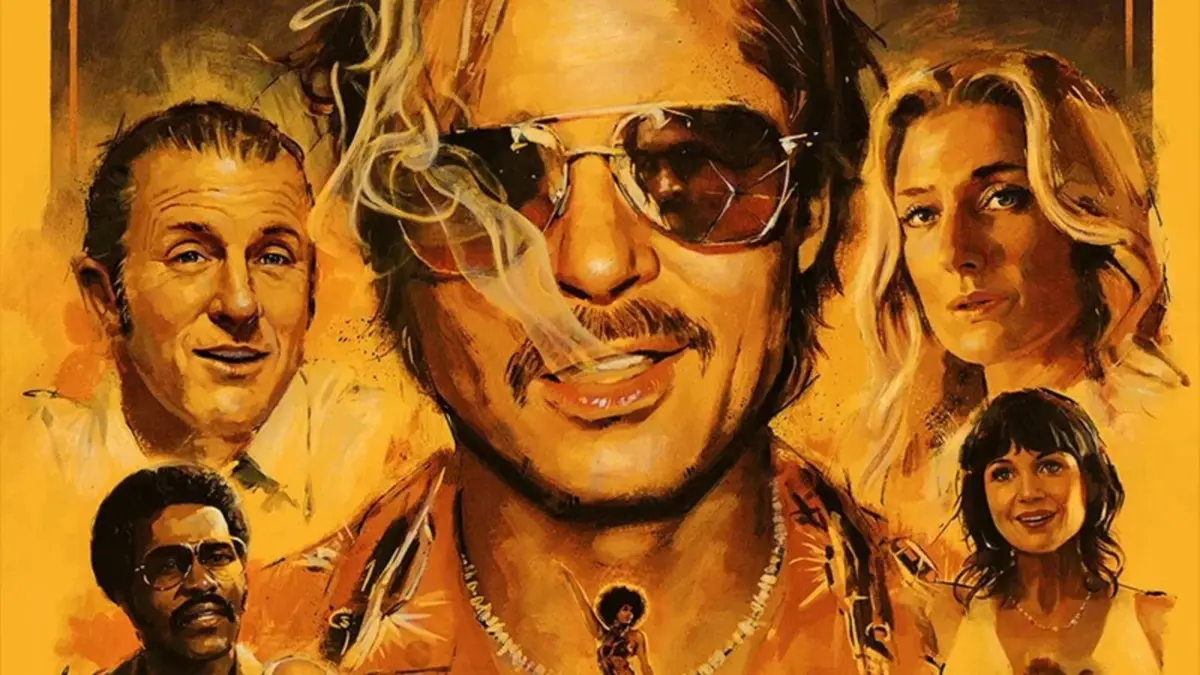
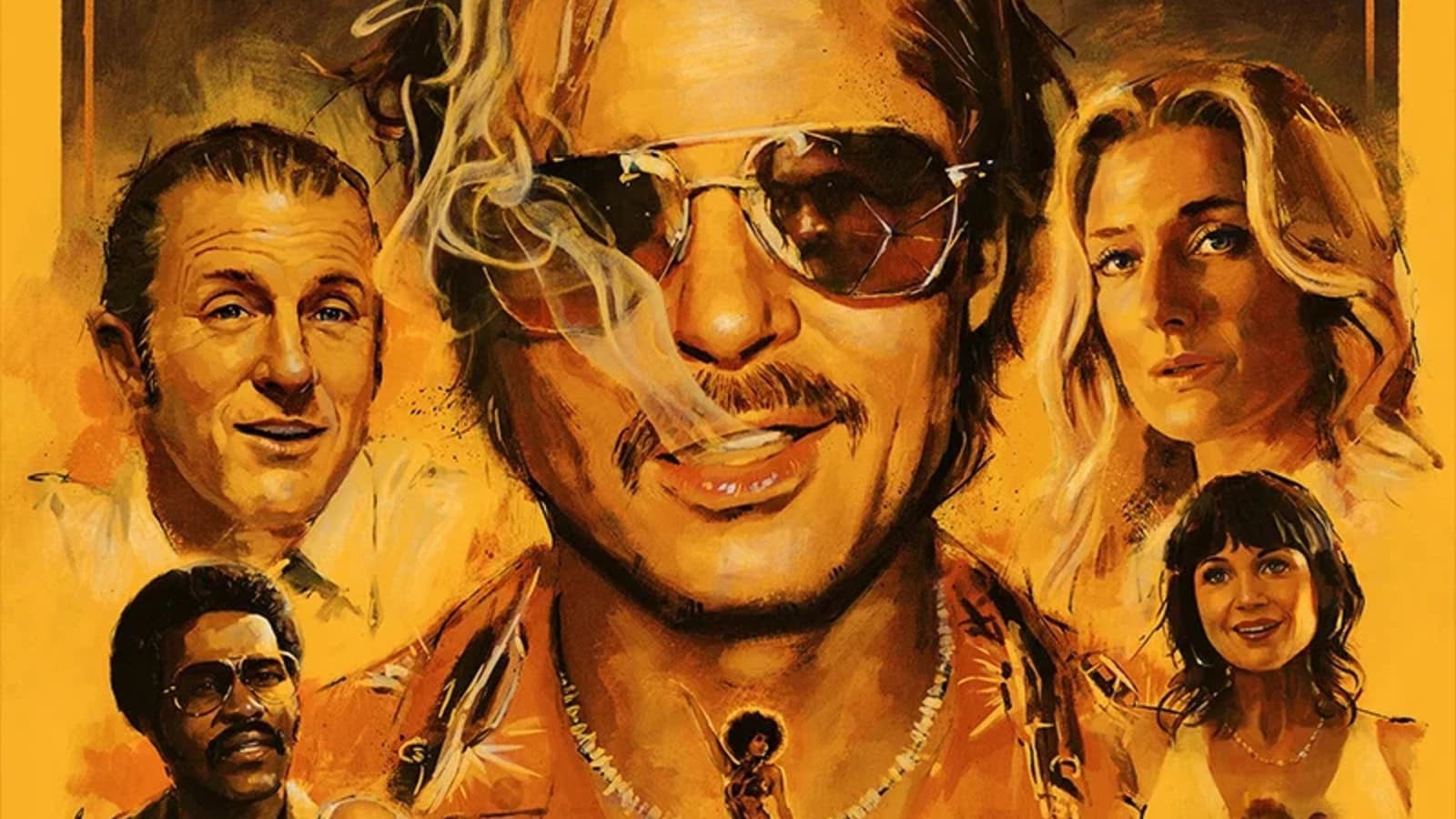
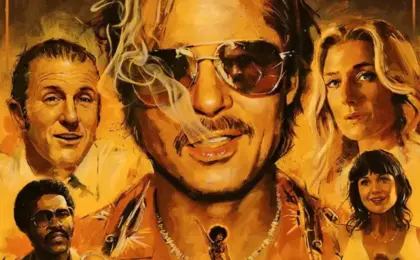
As the countdown to November 25 ticks away, the cultural footprint of The Further Mis-Adventures of Cliff Booth is already proving massive. The striking new promotional poster—featuring Brad Pitt’s weary yet lethal gaze against a hazy, neon-lit Los Angeles skyline—has dominated social media engagement metrics, while the accompanying teaser trailer has offered tantalizing glimpses of Fincher’s signature framing paired with Tarantino’s unmistakable cadence.
If this experiment succeeds, it could establish a brand-new blueprint for Hollywood franchise building: moving away from generic superhero cinematic universes and toward auteur-driven, character-focused neo-noir extensions. For now, one thing remains certain: the fairytale of 1960s Hollywood may be dead and buried, but as long as Cliff Booth is around to clean up the mess, the dark side of Tinseltown will always have someone to call.





Belum ada komentar. Jadilah yang pertama berkomentar!