

Executive Overview
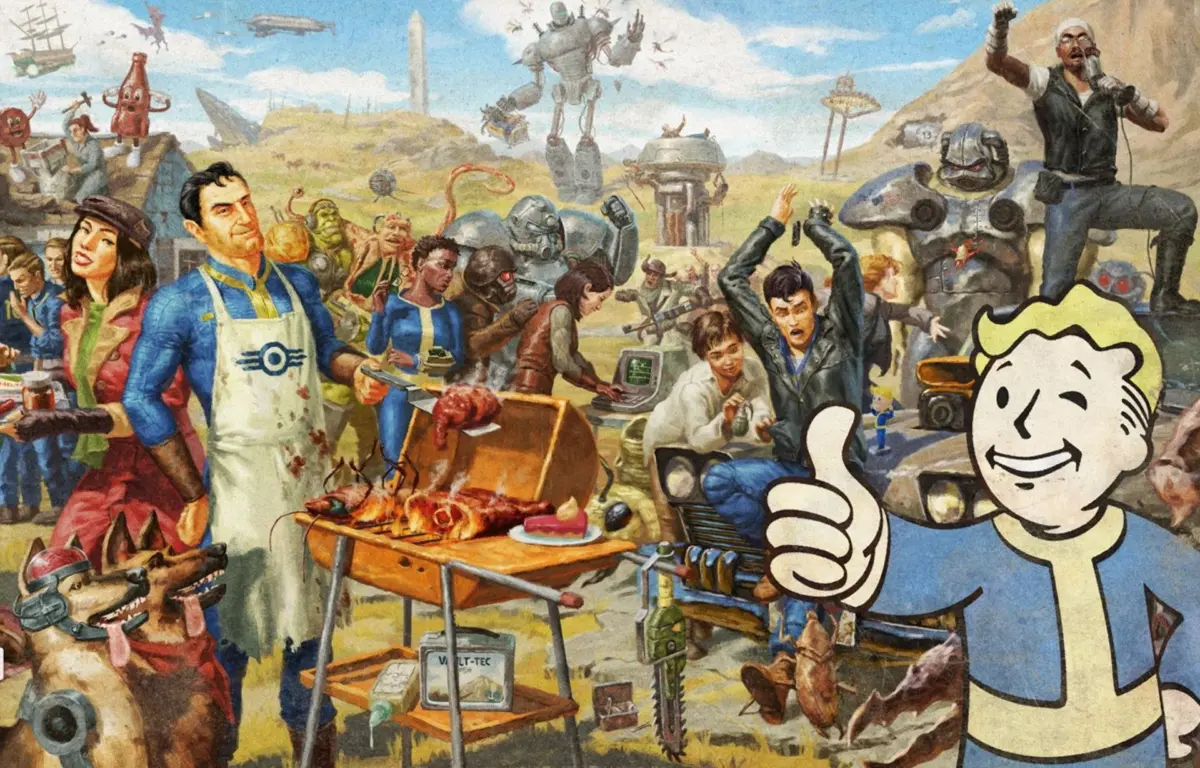
Nearly a decade has passed since the release of Fallout 4 in 2015, leaving fans of Bethesda Softworks’ post-apocalyptic role-playing franchise stranded in an agonizingly long content drought. With The Elder Scrolls VI taking priority in Bethesda’s development pipeline, a mainline entry like Fallout 5 remains half a decade—if not more—away from reality. Estimates place its potential launch somewhere in the mid-to-late 2030s, meaning players could face a staggering two-decade gap between numbered titles in the franchise.
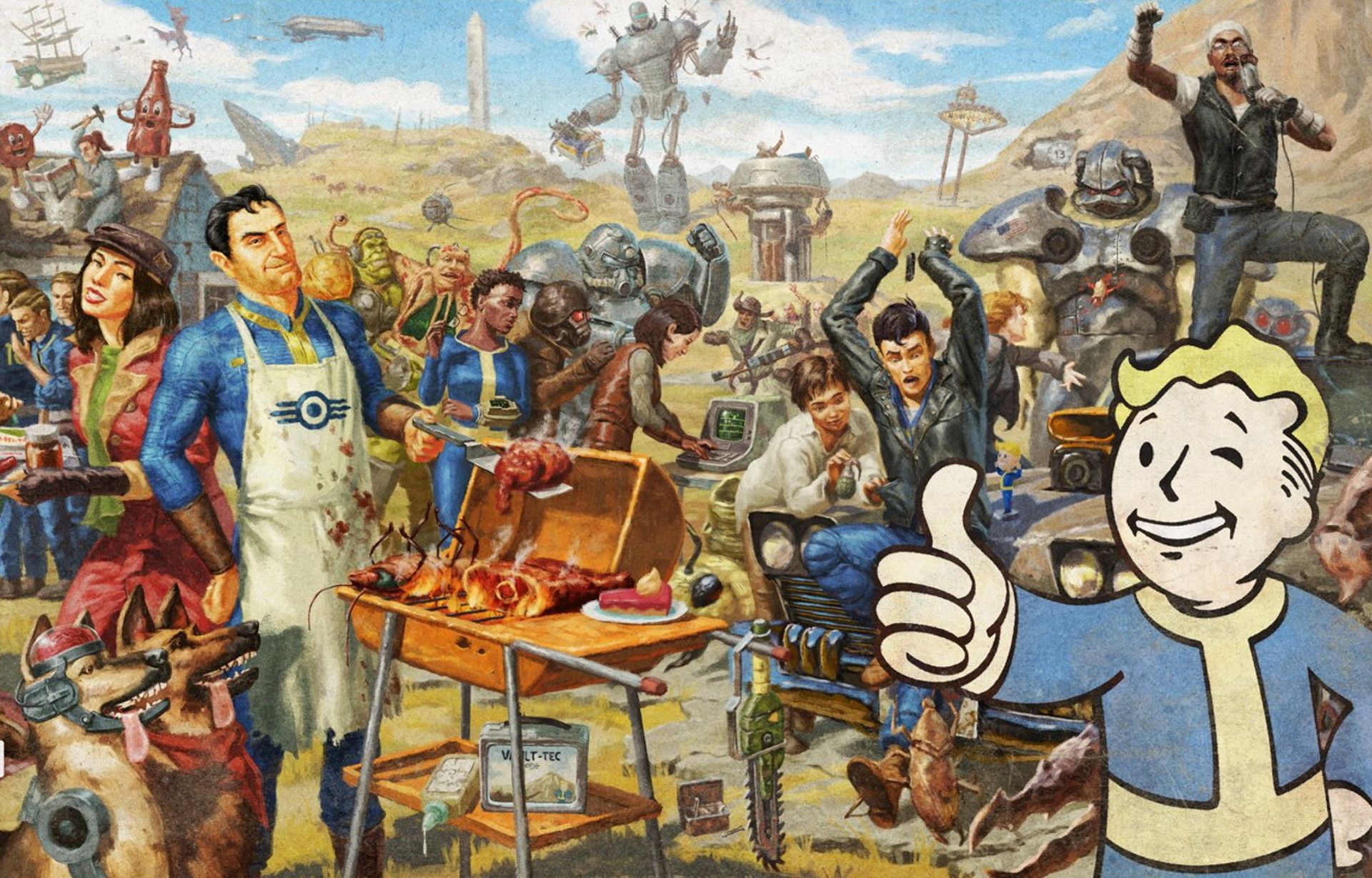
Despite this prolonged silence on the mainline front, the Fallout universe is arguably more culturally ubiquitous than ever. Amazon’s hit television adaptation has introduced millions of new viewers to the ruins of a retro-futuristic United States, while live-service titles like Fallout 76 and legacy experiments like Fallout Shelter continue to command active player bases. Yet, beneath this commercial renaissance lies a deeper creative crisis.

Critics, industry veterans, and long-time fans are increasingly asking foundational questions about the direction of the series: Are modern iterations relying too heavily on tired tropes? Do classic titles hold up against modern quality-of-life standards? And can a multi-billion-dollar intellectual property evolve if it remains tethered to the exact same formula of Vault suits, Pip-Boys, and atomic-age pastiche?
Detailed Chronology: From Interplay Origins to the Bethesda Era
To understand the current discourse surrounding the Fallout franchise, one must examine its turbulent and transformative history across three distinct eras.

[1997] Fallout (Interplay / Black Isle)
  └─ Establishes the isometric wasteland, dark humor, and tactical turn-based RPG roots.

[1998] Fallout 2 (Interplay / Black Isle)
  └─ Expands the map, adds cultural satire, but leans into zaniness and scale over focus.

[2008] Fallout 3 (Bethesda Softworks)
  └─ Reinvents the franchise as a 3D first/third-person open-world action RPG ("Oblivion with guns").

[2010] Fallout: New Vegas (Obsidian Entertainment)
  └─ Fan-favorite narrative depth; introduces Hardcore Mode and complex factional politics.

[2015] Fallout 4 (Bethesda Softworks)
  └─ Introduces settlement building, weapon crafting, and a voiced protagonist, sparking division.

[2018–Present] Fallout 76 & Amazon Series
  └─ Live-service evolution alongside a multimedia expansion into television.
The Interplay Genesis (1997–1998)
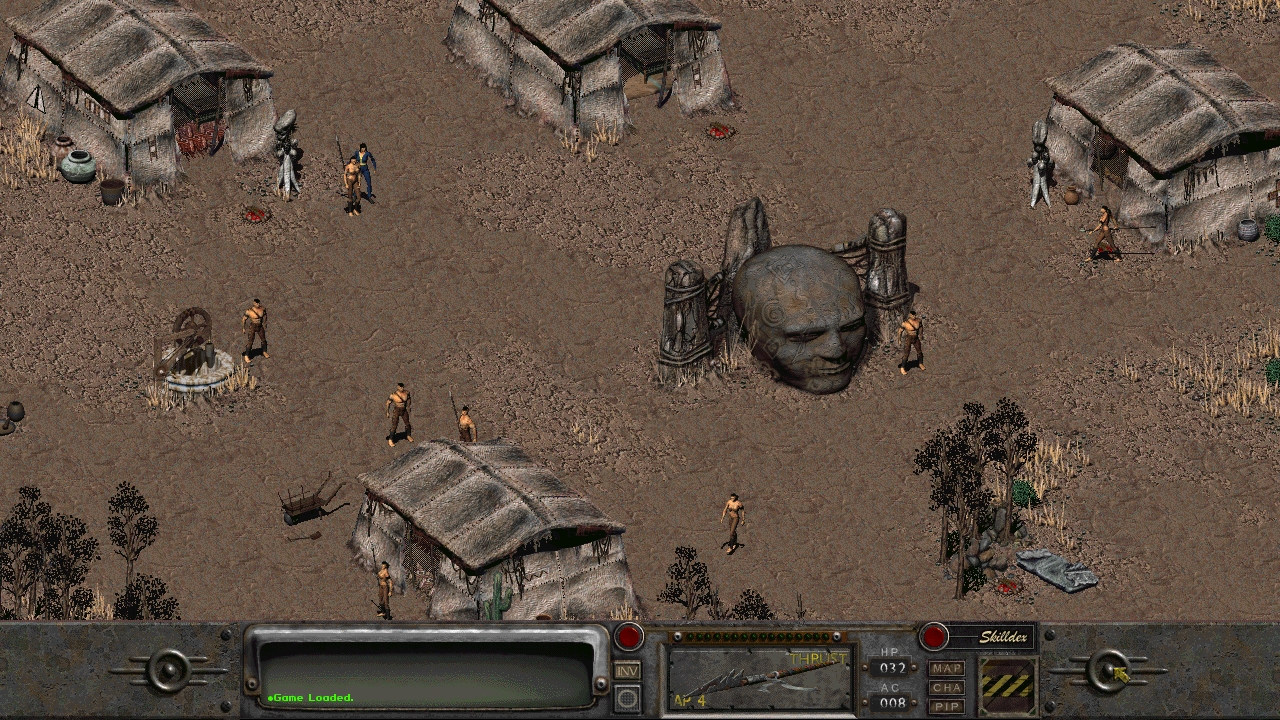
The franchise began under Interplay Entertainment’s Black Isle Studios division. Released in 1997, the original Fallout established the bleak, retro-futuristic wasteland aesthetic, coupling it with a sophisticated SPECIAL character attribute system and dark, cynical storytelling. Its sequel, Fallout 2 (1998), expanded the scope massively, introducing iconic elements like the New California Republic (NCR), Jet, and sprawling mob-run cities like New Reno. However, it also introduced a self-referential zaniness and pop-culture heavy humor that polarized purists.
The Bethesda Reimagining (2008–2010)
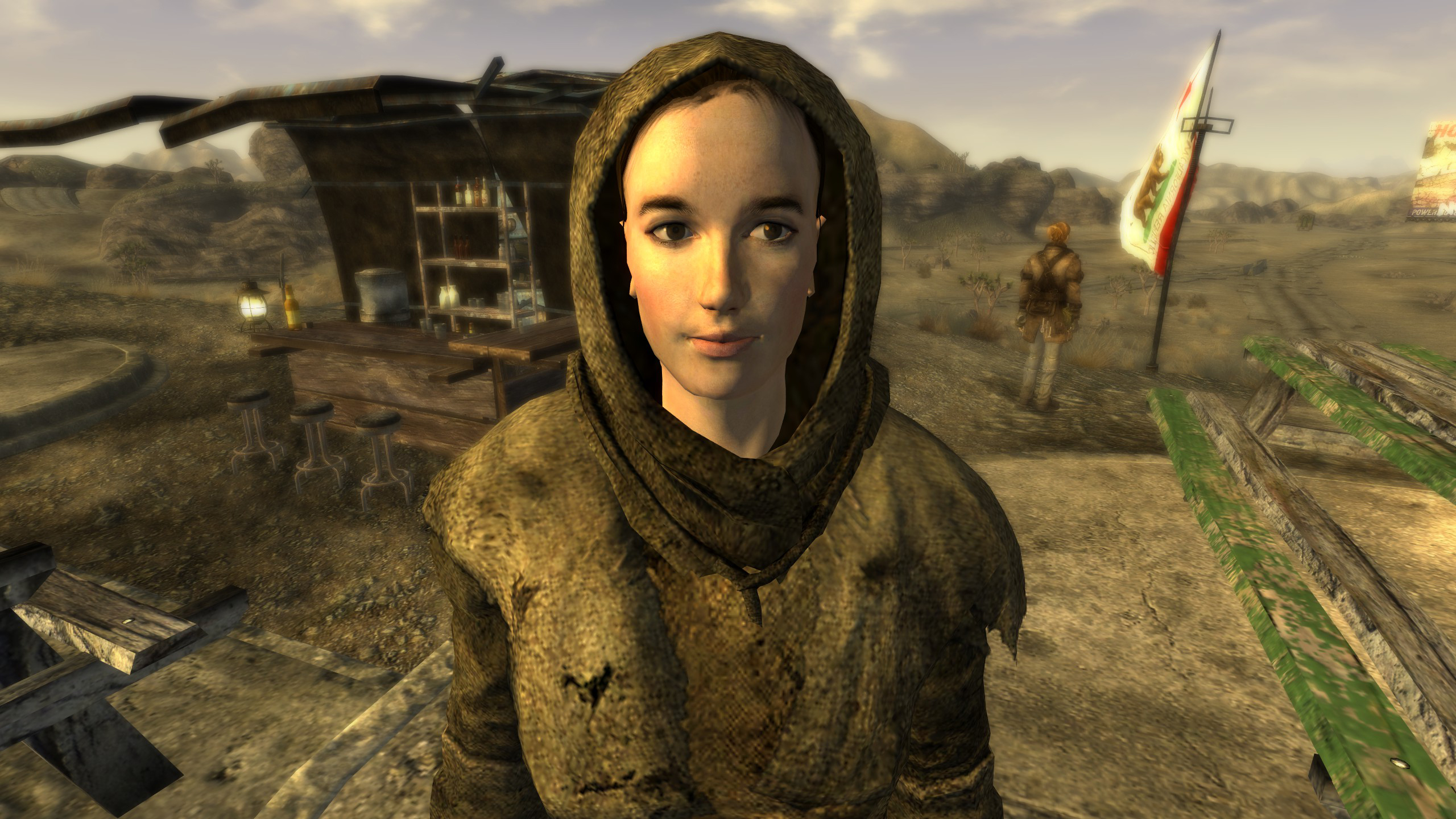
After acquiring the intellectual property, Bethesda Game Studios transformed Fallout into a massive, 3D open-world blockbuster with Fallout 3 (2008). Shifting the setting to the Capital Wasteland (Washington, D.C.), Bethesda popularized the real-time-with-pause V.A.T.S. combat system and established a new baseline for modern RPG exploration. This was followed swiftly by Obsidian Entertainment’s critically acclaimed Fallout: New Vegas (2010), which blended classic West Coast lore with survival mechanics and political intrigue.

The Modern Experimentation Era (2015–Present)
Fallout 4 (2015) marked a shift toward systemic gameplay loops, introducing robust crafting, base-building mechanics, and a fully voiced protagonist. While it was a massive commercial success, its narrative rigidity and departure from traditional role-playing choices initiated intense debates within the community. Subsequent releases—the online multiplayer experiment Fallout 76 (2018) and the mobile idle game Fallout Shelter—demonstrated the franchise’s versatility, culminating in Amazon’s critically acclaimed 2024 television series, which successfully validated the property on the global stage.
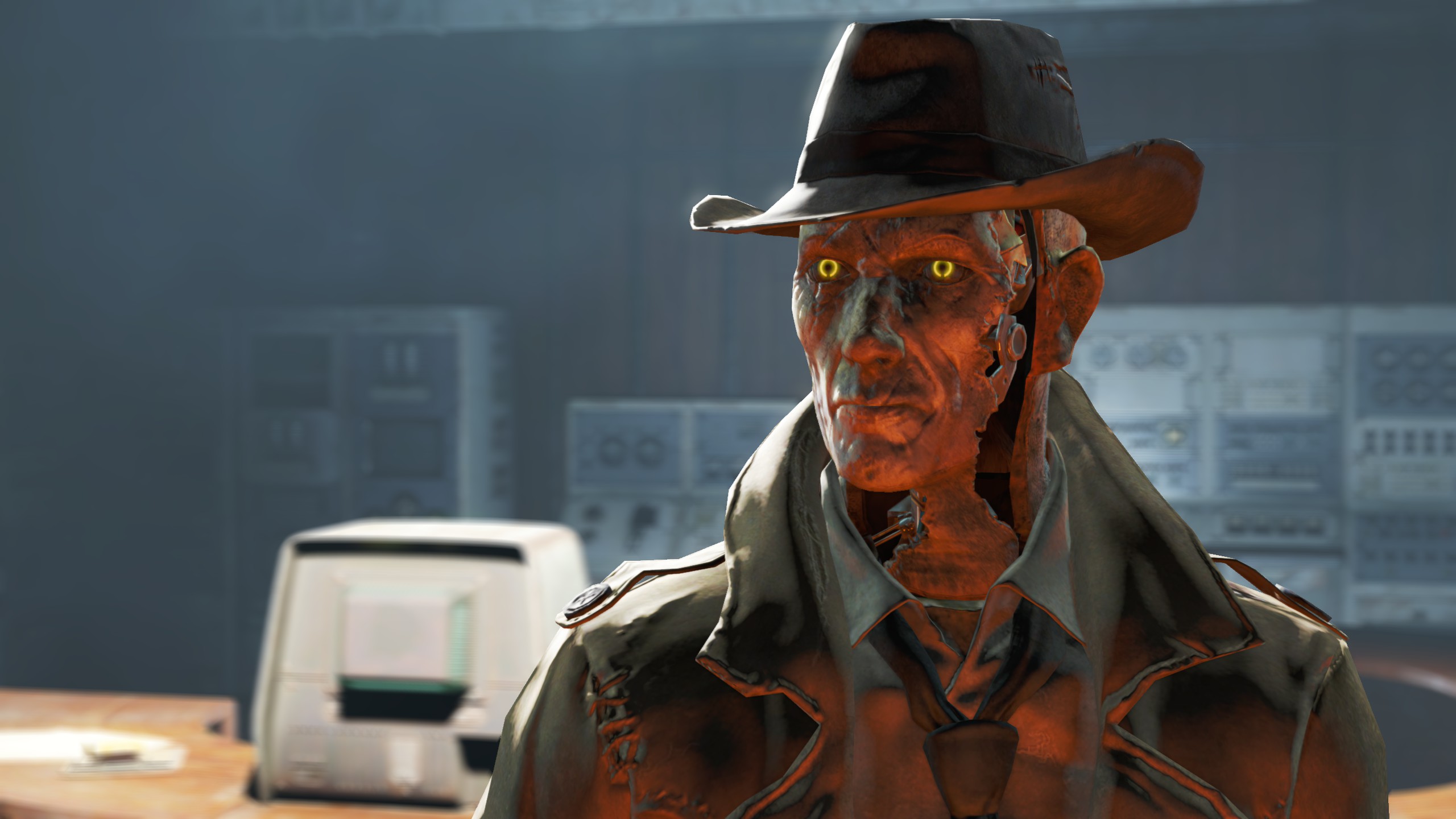
Supporting Context & Metrics: Remasters, Hardcore Modes, and Lore Debates
As the community waits out the long development cycle for future projects, several key debates dominate the discourse among players and critics alike.

The Case for Remastering the Classics
While Microsoft and Bethesda have periodically hinted at or leaked plans for modernizing Fallout 3 and Fallout: New Vegas, industry analysts argue that the original two isometric games are far more deserving of a comprehensive polish.
- Accessibility Barriers: Modern players spoiled by intuitive user interfaces frequently struggle with the clunky, archaic control schemes of 1997’s Fallout and 1998’s Fallout 2.
- The Steam Deck Baseline: A targeted remaster focusing exclusively on native controller support, high-resolution UI scaling, and seamless Steam Deck optimization would open up foundational lore to an entirely new generation of gamers without requiring a total mechanical overhaul.
Hardcore Mode as a Design Standard
When New Vegas introduced "Hardcore Mode," it was initially dismissed by some players as artificial difficulty. In practice, however, survival mechanics fundamentally change how players interact with the game world. By introducing mandatory hydration, sleep, and the burden of weight on ammunition and healing items:
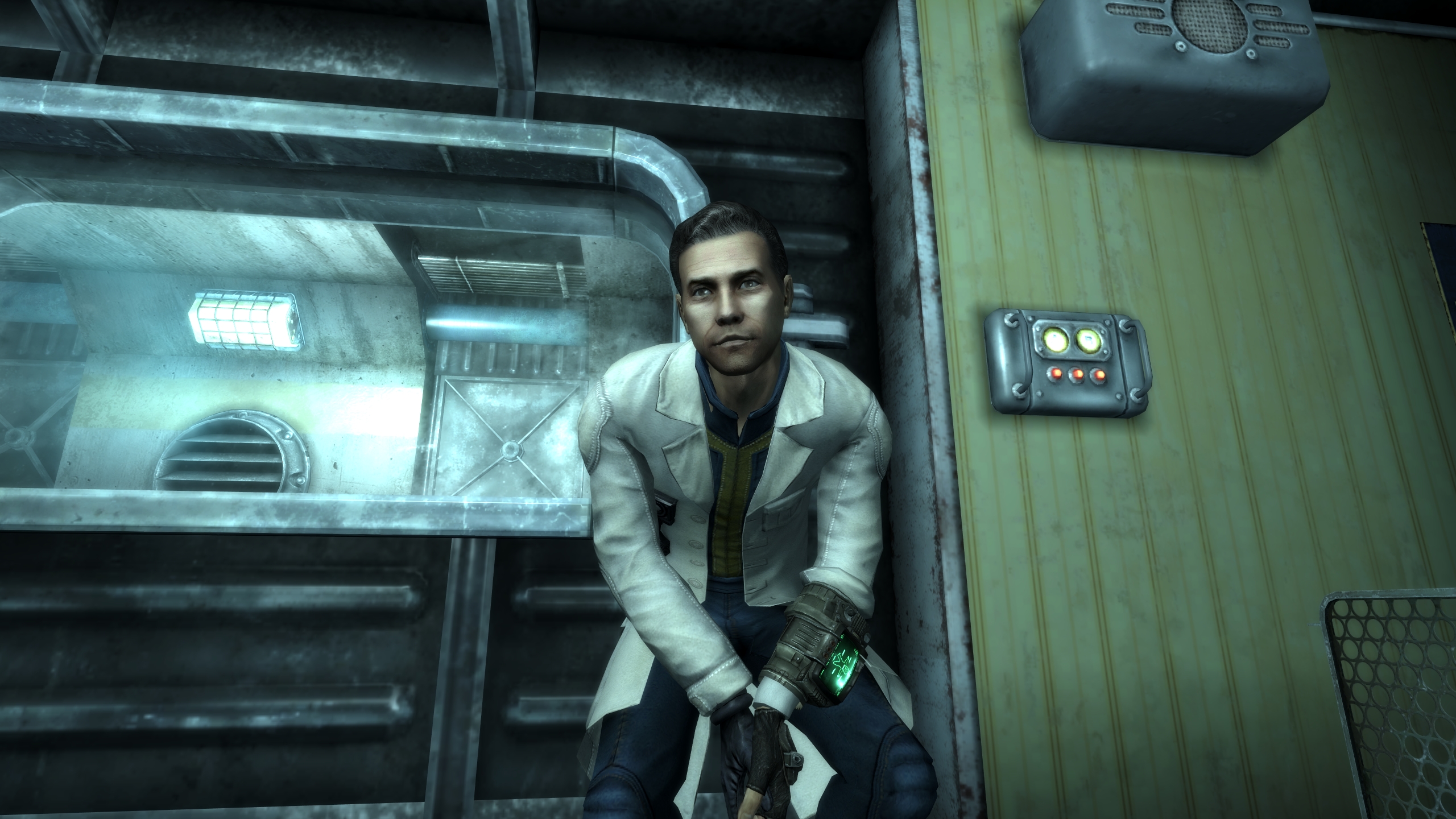
- Economy and Crafting: Raw meat, dirty water, and crafting stations transform from optional distractions into vital survival imperatives.
- Strategic Depth: Companion permadeath and encumbrance limits force meaningful tactical decisions regarding armor distribution, perk selection (such as Strong Back or Pack Rat), and risk assessment.
Lore Rigidness vs. Narrative Freedom
The massive success of Amazon’s television series brought old friction points regarding franchise canon to the forefront. Die-hard fans frequently comb through terminal entries, side quests, and environmental storytelling to police continuity. However, critics argue that the Fallout universe should embrace an unreliable narrator philosophy akin to George R.R. Martin’s Fire & Blood. Historical records in the real world are messy, contradictory, and biased; allowing television writers and game developers flexibility to bend or rewrite established "facts" prevents the creative stagnation of the IP.
Official Statements & Industry Perspectives
The internal tension between preserving classic Fallout identity and pushing the franchise into uncharted territory is echoed by prominent voices across the gaming media landscape.

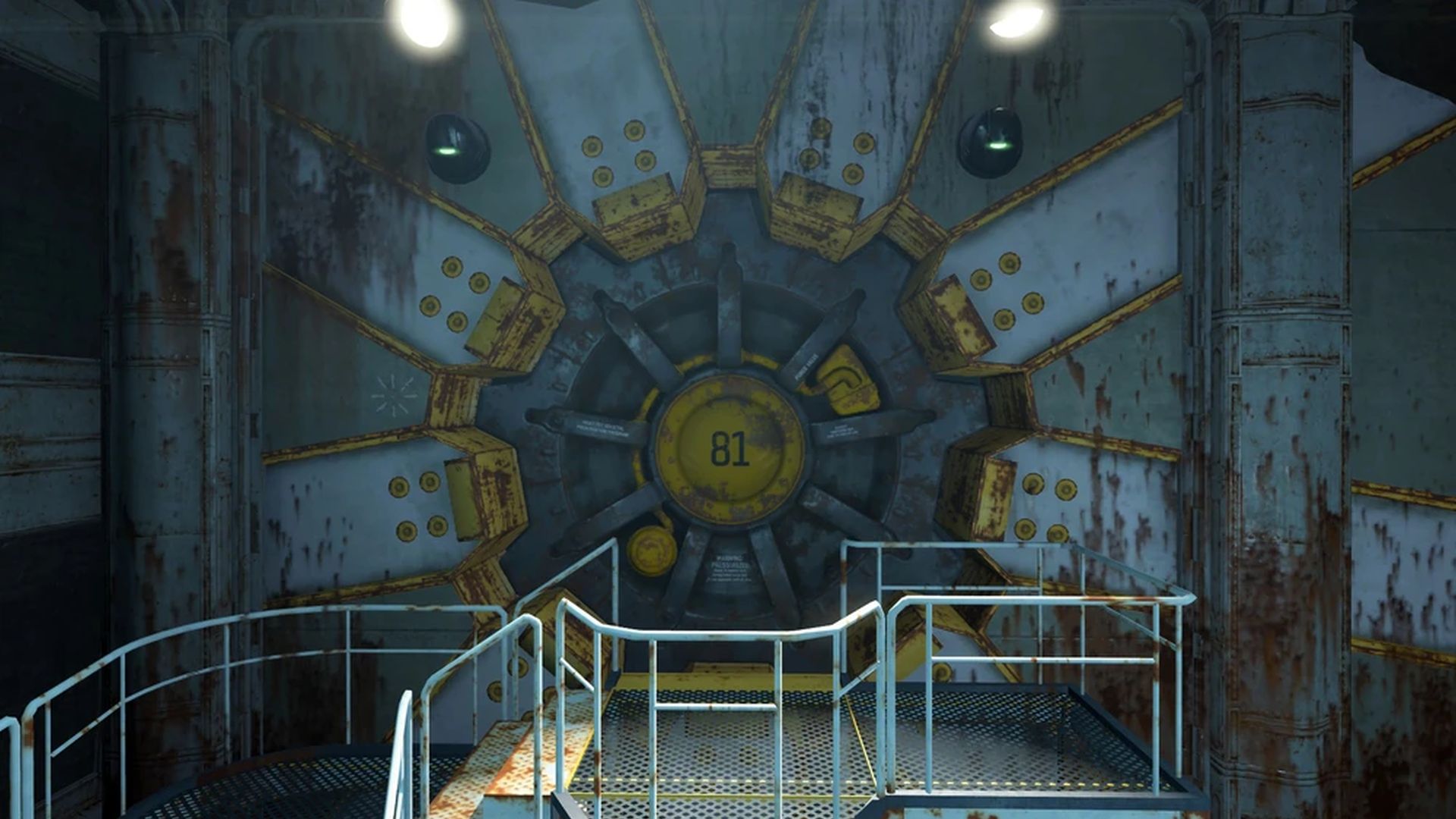
- On Moving Away from Vault Dwellers: Critics have long noted that despite starting players as tribal warriors (Fallout 2) or couriers (New Vegas), games invariably funnel protagonists back into blue Vault suits and Pip-Boys. Industry commentators advocate for letting players choose alternate starting identities—such as ghouls, super mutants, or synths—right out of the gate in Fallout 5, bypassing obligatory underground prologue sequences entirely.
- On Creative Stagnation: Major gaming publications have raised concerns that the series risks becoming a self-parody. The perpetual recycling of Brotherhood of Steel chapters, Super Mutants, Deathclaws, and 1940s/50s swing music risks turning a once-pioneering wasteland into a predictable theme park. Experts suggest shifting future titles geographically (such as the American Deep South or Alaska) or conceptually (exploring non-RPG genres like grand strategy or intricate city-builders).
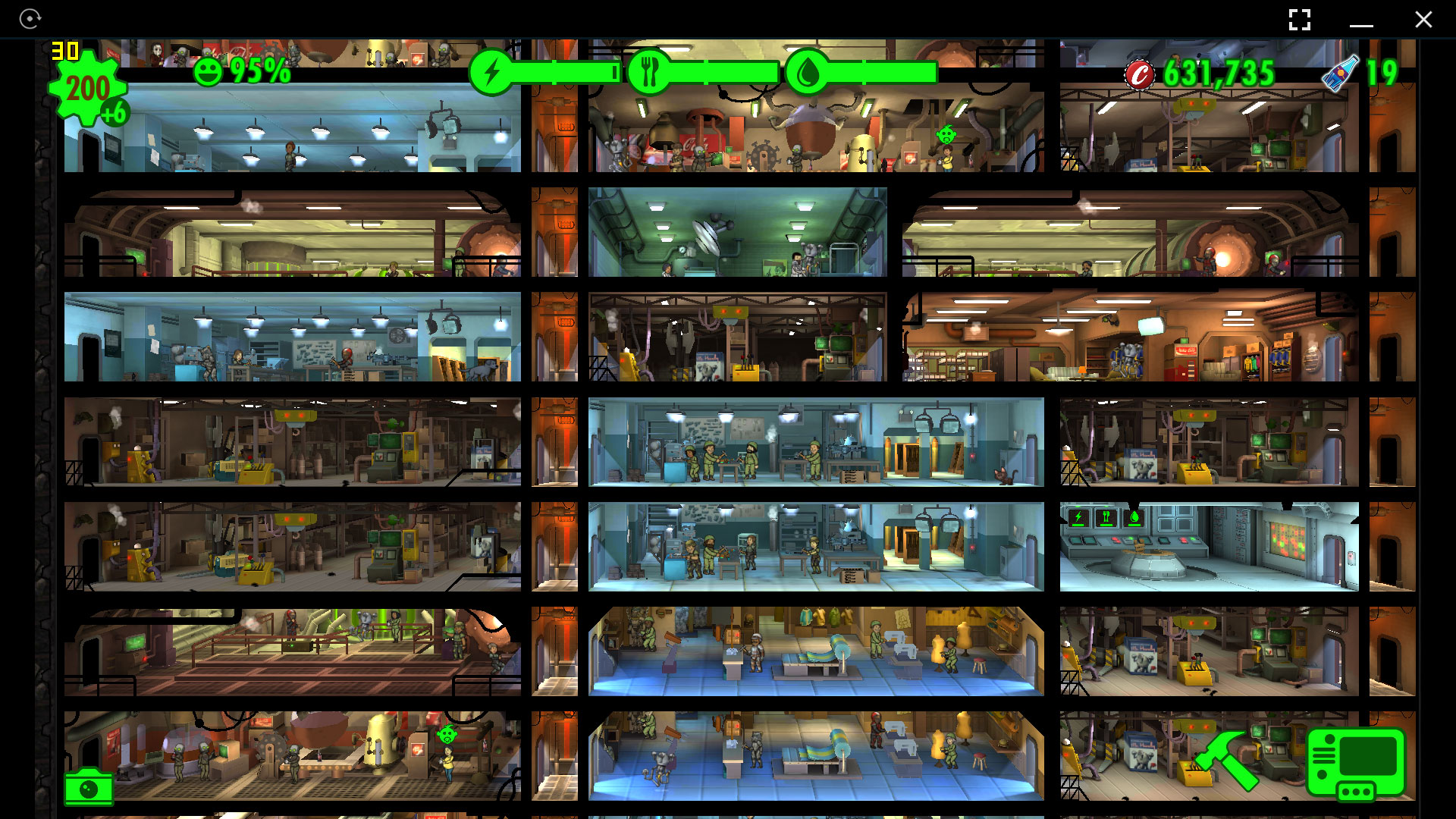
- On Spinoff Potential: The commercial triumph of Fallout Shelter proves that the setting possesses universal appeal detached from first-person action-RPG mechanics. Analysts suggest that the brand’s vast potential remains underexploited outside of traditional formats, opening the door for narrative-driven tactical games, political intrigue simulations, or dark literary expansions penned by celebrated speculative fiction authors.
Future Outlook
The road ahead for Fallout is defined by a peculiar dichotomy: corporate security versus creative risk. On one hand, the intellectual property is more valuable than ever, propelled by Hollywood production values and a steady stream of merchandise. On the other hand, the core video game franchise faces an unprecedented bottleneck.
With The Elder Scrolls VI consuming Bethesda’s primary bandwidth, fans must reconcile themselves to a reality where Fallout 5 may not materialize until well into the 2030s. To prevent the brand from fossilizing during this extended hiatus, the publisher faces a critical choice. Continuing to milk nostalgic tropes and iterative updates risks alienating an aging, hyper-critical player base. Conversely, empowering external studios, greenlighting non-traditional spin-offs, and granting narrative creators the freedom to break away from tired templates could transform the Fallout wasteland into a truly boundless, evolving sandbox.

Until Bethesda reveals its long-term roadmap, the community will continue to scavenge the digital ruins of past games—debating canon, tweaking survival mods, and wondering if the next chapter of the apocalypse will dare to venture beyond the familiar comfort of the Vault door.








Belum ada komentar. Jadilah yang pertama berkomentar!