

Executive Overview
When Capcom first rolled out the public demo for Onimusha: Way of the Sword, the action-gaming community experienced a collective crisis of faith. What should have been a triumphant return for one of gaming’s most revered historic-fantasy franchises instead sparked a wave of online anxiety. Vocal portions of the community—steeped in the punishing feedback loops of soulslikes and character action games—took to social media with urgent concerns. They argued that the enemies were too docile, the combat mechanics leaned excessively toward casual button-mashing, and the overall pacing lacked the relentless, breathless pressure expected of modern swordplay titles.
The backlash grew hot enough to prompt an unusual public relations response from Capcom producer Akihito Kadowaki, who defended the software by asserting that the demo was merely a vertical slice of the game’s earliest hours.
Now, with the complete ~40-hour campaign thoroughly explored, a definitive assessment can be made: those early anxieties, while understandable given the genre landscape, fundamentally misjudged the holistic design of Onimusha: Way of the Sword. While it purposefully avoids the masochistic, stamina-starved punishing loops of FromSoftware’s Sekiro: Shadows Die Twice or Team Ninja’s Nioh series, Capcom’s latest epic is far from a cakewalk. It is a carefully calibrated power fantasy that shifts the burden of challenge away from mindless enemy swarms and toward tactical positional awareness, disciplined resource management, and genuinely punishing boss encounters. This report examines how the full release addresses player concerns, details the evolution of its combat architecture, and evaluates its place in the modern action genre.
Detailed Chronology: From Demo Panic to Full-Game Reality
The Summer Demo Disconnect
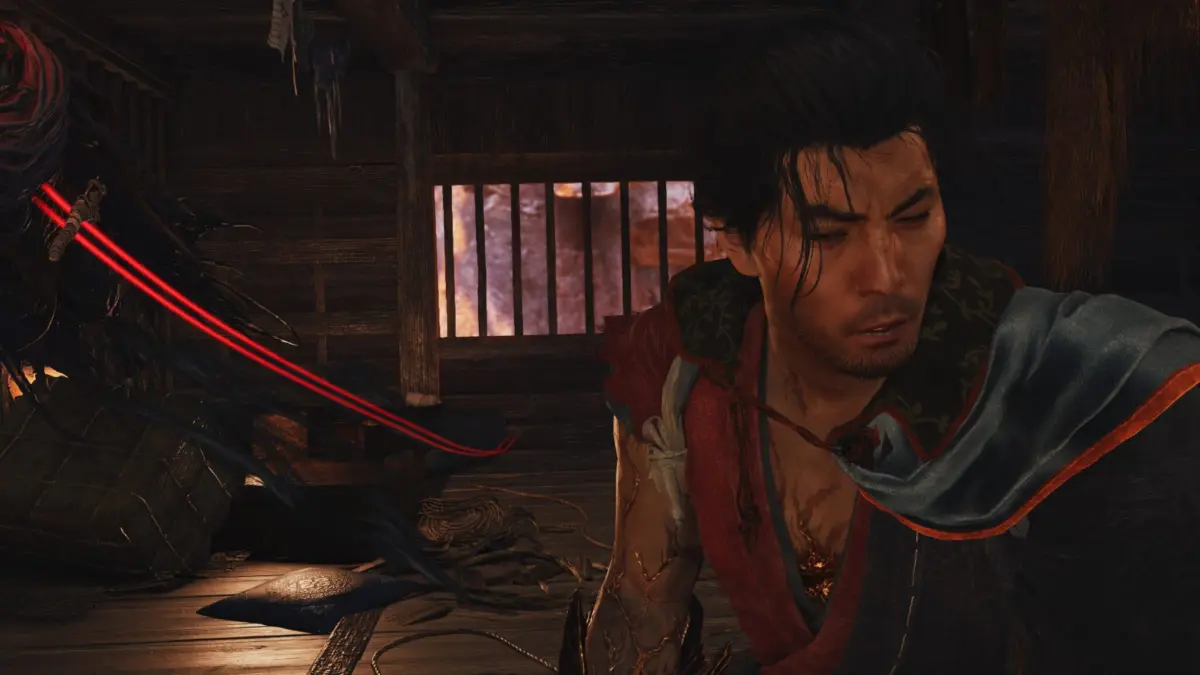
The friction between Capcom’s design philosophy and contemporary player expectations began the moment the Onimusha: Way of the Sword demo dropped. In an era dominated by high-octane twitch reactions and unforgiving death mechanics, the demo presented a surprisingly accessible opening. Players were placed into the boots of legendary swordsman Musashi, empowered by a mystic demon gauntlet, slicing through early-game Genma foot soldiers who politely waited their turn to engage.
Short-form video clips quickly circulated across platforms like X (formerly Twitter), highlighting instances where groups of enemies stood back while the player dispatched their comrades one by one. To veterans of modern action titles, it looked like a red flag: a symptom of modern game sanitization, engineered to appease casual audiences at the expense of genuine mastery.
Producer Intervention and the Road to Release
Recognizing the mounting narrative that the game would lack teeth, producer Akihito Kadowaki took to official channels to urge patience. In a direct video address, Kadowaki clarified that the demo represented a strictly curated, early-game tutorial environment designed to ease players into complex systems without overwhelming them. He promised that the final release would feature aggressive regular Genma variants and demanding bosses capable of turning the tables on overconfident players.
The Crucible of the Full Campaign
Stepping into the completed 40-hour campaign validates Kadowaki’s assertions, though with a nuance worth noting: the first few hours are indeed gentle for anyone fluent in modern action mechanics. However, as the campaign progresses past its introductory training wheels, the difficulty curve sharpens dramatically.
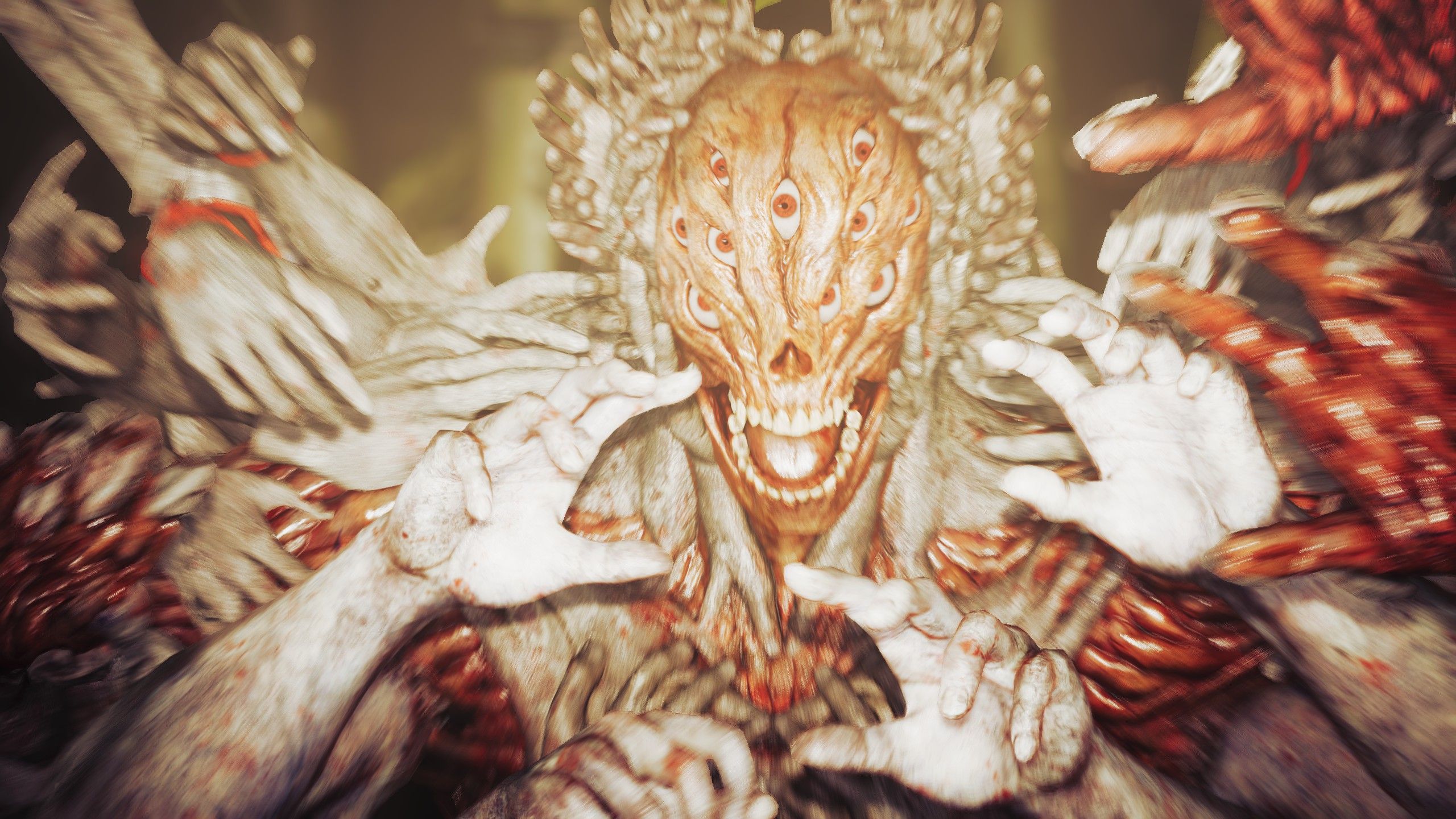
Players who rely on thoughtless aggression or sloppy parry timings find themselves routinely dismantled. The game introduces mixed enemy compositions, escalating threats like heavily armored infantry, shield-bearers, and agile ranged combatants that exploit every lapse in the player’s focus. Far from being a passive walk in the park, the full game offers a deeply textured combat puzzle that demands respect.
Supporting Context & Metrics: Addressing the Core Criticisms
To fully understand Onimusha: Way of the Sword, we must systematically break down the primary concerns raised by the community during the demo phase and examine how the full game counters them.
1. The Difficulty Option Dilemma
- The Concern: Fans argued that the standard difficulty was entirely too forgiving and demanded an alternative hard mode right out of the box.
- The Reality: Capcom did include a higher difficulty option—appropriately titled "Way of the Sword"—but locked it behind completing the standard campaign. Given the title’s substantial length (hovering around 40 hours for a thorough playthrough), locking this mode away feels like a missed opportunity. A readily available hard mode from minute one would have immediately silenced critics who breezed through the introductory acts.
2. The Myth of the Passive Mob
- The Concern: Viral footage suggested that enemy groups lacked coordination, standing around idly while the player executed them individually.
- The Reality: While it is true that mobs do not zerg-rush the player simultaneously in the relentless style of a Dark Souls gank squad, their behavior is a deliberate homage to traditional samurai cinema. Early Genma utilize tactical framing: they will dash behind you, encircle your position, and menace their blades in an atmospheric display of tension.
Crucially, this passivity evaporates as the game progresses. While base Genma are intentionally designed as satisfying "fodder" to showcase Musashi’s lethal skill set, they are systematically paired with "heavy" units capable of unblockable attacks, devastating grabs, and defensive parries. When an archer or flying Genma applies ranged pressure from the perimeter, even basic enemies will seize the opportunity to strike from behind, forcing players to master spatial awareness and defensive animations.
+-----------------------------------------------------------------+
|               ENEMY ENCOUNTER SCALING MATRIX                    |
+-------------------+--------------------+------------------------+
| Game Phase        | Enemy Composition  | Primary Challenge      |
+-------------------+--------------------+------------------------+
| Acts 1 - 2        | Isolated Fodder    | Basic combos, timing   |
| Acts 3 - 5        | Mixed Mobs         | Spatial awareness      |
| Late Game         | Armor/Shield/Elites| Stamina breaking, parry|
| Boss Encounters   | Apex Threats       | Precision, resource war|
+-------------------+--------------------+------------------------+
3. Dispelling the Button-Mashing Myth
- The Concern: The early-game mechanics allowed players to button-mash their way through basic encounters, leading to fears that depth had been sacrificed.
- The Reality: Button-mashing is a death sentence against mid-to-late-game threats. While a simple three-hit combo will dismantle a basic Genma, executing it blindly leaves you vulnerable to incoming crowd interruptions. Furthermore, the game introduces a punishing stamina economy: blocking incoming heavy strikes will entirely deplete your gauge, leaving you staggered. Bosses actively weaponize this mechanic, stealing a chunk of your souls and powering up if they shatter your stamina guard, effectively reversing the momentum of the duel.
4. Pacing and the Weight of Steel
- The Concern: The combat felt sluggish and deliberate compared to the hypersonic blitz of Devil May Cry or Ninja Gaiden.
- The Reality: Onimusha deliberately chooses a slower, weightier rhythm. It is modeled after the tense, fatal cadence of classic samurai cinema, where a single misstep means death. Attacks carry genuine physical momentum; animations capture the resistance of steel meeting steel and bone.
However, "slower" does not mean unresponsive. Advanced techniques like the issen—the ultimate high-risk, high-reward counter mechanic requiring players to press the attack button mere fractions of a second before an enemy lands a blow—demand razor-sharp reflexes. It is an experience tailored for those who appreciate martial gravity over frantic button inputs.
Official Statements and Developer Philosophy
Capcom’s transparency regarding the development and tuning of Onimusha: Way of the Sword highlights a modern challenge in game publishing: managing consumer expectations through public betas and vertical-slice demos.
Producer Akihito Kadowaki’s video address served as a vital anchor during a period of community turbulence. By emphasizing that early-game balance is intentionally structured to onboard players, Capcom reaffirmed its commitment to pacing. The development team understood that throwing players into the deep end with aggressive, high-damage enemies from the opening seconds would alienate newcomers.
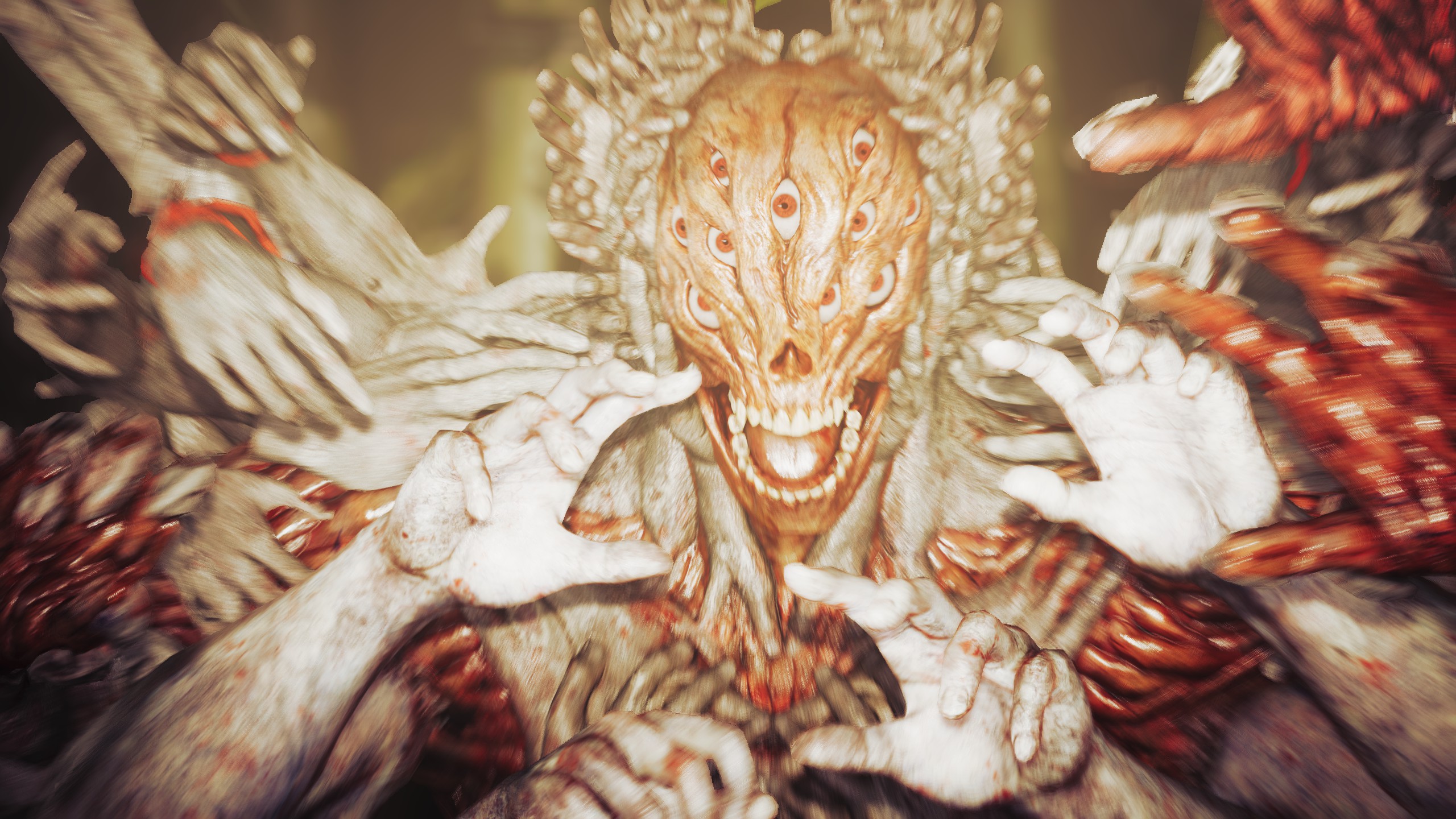
Instead, Onimusha treats the player as an apex predator early on—culminating in late-game mechanics where weaker enemies literally fall over in terror after witnessing you slaughter their allies—while shifting the true intellectual and mechanical challenge toward elite units and monumental boss battles. This philosophical divide explains why early demos can so easily misrepresent a game’s overarching design identity.
Future Outlook: The Legacy and Evolution of Onimusha
The release and subsequent reception of Onimusha: Way of the Sword mark a critical turning point for Capcom. By successfully modernizing a dormant franchise without stripping away its distinct identity, the studio has proven that historical fantasy still holds a vital place in the contemporary action landscape.
What This Means for the Franchise Going Forward:
- Refined Expectations for Demos: Publishers will likely take heed of the Onimusha demo controversy, recognizing that early-game vertical slices must be carefully balanced to showcase both accessibility and hidden depth to prevent premature community panic.
- The Action Sub-Genre Landscape: As players grow fatigued by the relentless homogeneity of ultra-punishing soulslikes, Onimusha carves out a refreshing middle ground. It offers cinematic grace and supreme power-fantasy fulfillment without sacrificing strategic depth.
- Potential Expansions and Sequels: Given the critical re-evaluation of the game post-launch—shifting from skepticism to widespread praise for its combat architecture and boss design—the commercial success of Way of the Sword virtually guarantees that the dormant Onimusha IP has finally been successfully resurrected for a new generation of hardware.
Ultimately, Onimusha: Way of the Sword proves that patience is a virtue, both for players navigating its deliberate combat cadence and for communities assessing a game before seeing its full hand. Once the training wheels come off, Capcom’s epic delivers an unforgettable, blade-clashing crucible that honors its legendary lineage.





Belum ada komentar. Jadilah yang pertama berkomentar!