


Executive Overview
The intersection of classic tabletop role-playing games (TTRPGs) and digital roguelike deckbuilding mechanics has birthed some of the most enduring, highly replayable titles of the past decade. Yet, few releases have managed to capture the dark, unsettling aesthetic quite like Hell Hold’em. Debuting with considerable critical acclaim at the SAGA Barcelona Game Fest 2026, Hell Hold’em bridges a 15-year legacy of Spanish tabletop publishing with the visceral, high-stakes adrenaline of modern poker roguelikes.
Developed under the creative vision of veteran designer Pedro J. Ramos and tied closely to the legendary Spanish publisher Nosolorol, Hell Hold’em transports players into the suffocating, labyrinthine depths of "The Twisted House." This infernal architectural nightmare is not merely a setting; it is a sentient adversary. The house hungers, manipulating the very fabric of reality to trap the desperate souls of the damned. To survive this macabre descent, players must harness forbidden magic, master deckbuilding strategies under pressure, and engage in high-stakes poker matches where the chips are literal souls, and the stakes are eternal damnation.
This report offers an exhaustive exploration of Hell Hold’em, detailing its gameplay systems, narrative foundations, design philosophy, and its broader implications for the indie roguelike genre.
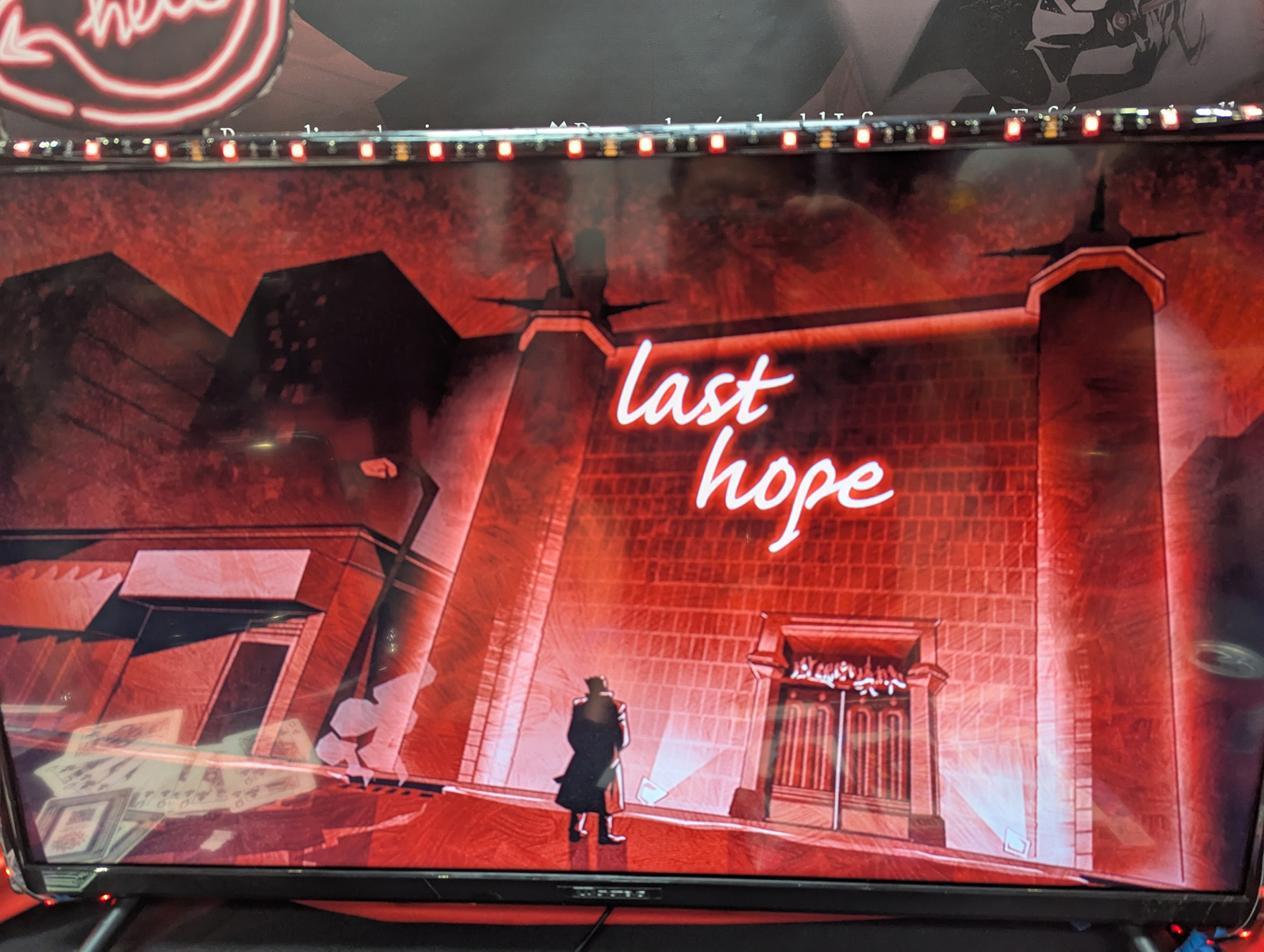
Detailed Chronology: From Tabletop Origins to Digital Inferno
The journey of Hell Hold’em from an ambitious tabletop concept to a breakout Steam sensation is rooted in a rich history of collaborative game design and iterative world-building.
The Nosolorol Legacy (2011–2026)
For over a decade and a half, Nosolorol has stood as a pillar of the Spanish TTRPG community, renowned for translating complex, atmospheric narratives into tactile gaming experiences. Projects like The Twisted House served as the foundational bedrock for Hell Hold’em. These original tabletop modules focused heavily on psychological horror, claustrophobic exploration, and moral corruption.
When Pedro J. Ramos and his development team decided to adapt these tabletop mechanics into a digital roguelike, the primary challenge was translating the slow-burn dread of a pen-and-paper session into real-time digital tension. The solution lay in weaponizing the UI. Every menu, card draw, and chip stack within Hell Hold’em is designed to evoke a sense of oppressive claustrophobia.
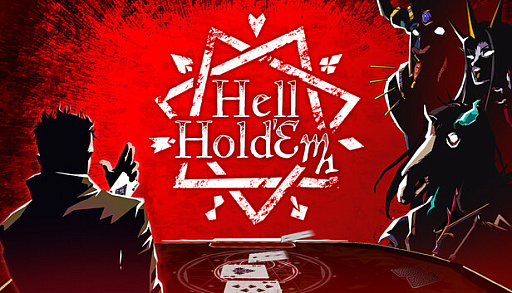
Development Milestones and the SAGA Barcelona Game Fest 2026 Debut
The development cycle of Hell Hold’em prioritized atmospheric immersion above all else. Early playtests focused on refining the pacing of matches, ensuring that the transition from standard poker hands to supernatural combat felt seamless.
The title officially broke into the global consciousness during its showcase at the SAGA Barcelona Game Fest 2026, where attendees were given hands-on access to early builds. The reception was immediate and overwhelmingly positive. Reviewers praised the game for its ability to marry the analytical depth of Texas Hold’em with the unpredictable chaos of dark fantasy RPG mechanics. By the time the demo hit digital storefronts, it had already cultivated a dedicated following among enthusiasts of titles like Balatro and Inscryption.
Supporting Context & Metrics: Mechanics, Monsters, and Meta-Progression
To understand why Hell Hold’em resonates so deeply with players, one must dissect the interlocking systems that govern its gameplay loop. It is not merely a poker game with a spooky coat of paint; it is an intricate tactical battler where traditional poker hand rankings serve as your primary arsenal against the denizens of the abyss.
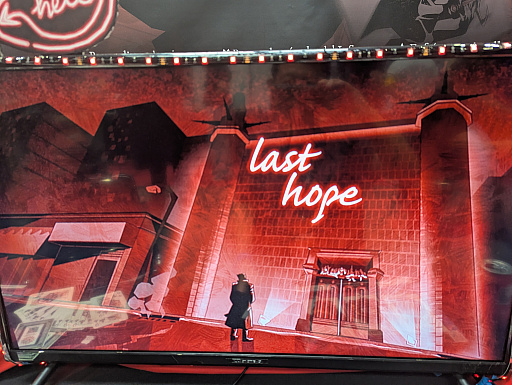
The Anatomy of a Hand: Combat and Card Synergy
In Hell Hold’em, players must navigate a gauntlet of increasingly difficult encounters. Each run challenges you to build, prune, and optimize a deck of cards that dictates your poker potential. However, standard poker hands are just the beginning.
- Trickstar, Fighter, and Detective Classes: Players can choose from three distinct archetypes, each altering the underlying mechanics of hand construction. While a brute-force fighter might rely on high-damage offensive hands, a detective archetype utilizes investigation mechanics to manipulate the deck, predicting and countering enemy moves before they hit the table.
- The "666" Modifier and High-Risk Mechanics: The core of the game’s difficulty lies in its risk-reward balancing act. The infamous "666" modifier rewards players who push their luck to the absolute brink. By invoking forbidden pacts, players can multiply their chip earnings exponentially—provided they can survive the catastrophic escalating threat level that accompanies such arrogance.
Iconic Boss Encounters: The Lords of the Twisted House
Progression through Hell Hold’em is punctuated by harrowing boss fights against legendary entities of the abyss.
- Baal Berith ("Arrogant Decree"): Serving as a terrifying early-game skill check, Baal Berith forces players to constantly reckon with his signature mechanic, "Arrogant Decree." This passive effect limits the player’s maximum hand size while utilizing a devastating 25-chip attack known as "Violent Blow." Defeating Baal Berith requires rigorous deck manipulation and precise resource management.
- The Croupier ("Vile Judgment"): Operating as the master of ceremonies for the infernal casino, The Croupier tests the player’s mastery of the game’s economy. Utilizing the "Vile Judgment" mechanic, this boss periodically confiscates chips or forces disadvantageous card trades, punishing players who fail to diversify their tactical options.
Official Statements and Design Philosophy
In recent interviews surrounding the game’s launch, lead designer Pedro J. Ramos shed light on the core philosophy driving Hell Hold’em.
"We didn’t just want to make a game where you play poker with demons," Ramos explained during a post-festival roundtable. "We wanted the act of betting to feel heavy. Every time you push all-in, you are gambling with narrative territory, character progression, and literal soul equity. The house always wins in traditional gambling, but in ‘Hell Hold’em,’ your goal is to cheat the house just enough to survive the night."
The development team emphasized that the juxtaposition of clean, mathematical poker probabilities against chaotic, fleshy, and grotesque supernatural art styles was a deliberate choice. This dissonance keeps players on edge, preventing the gameplay from devolving into sterile number-crunching. Instead, every victory feels hard-fought and morally ambiguous.
Future Outlook: The Road Ahead for Hell Hold’em
As Hell Hold’em continues to build momentum on Steam, the indie gaming community is watching closely to see how the developers plan to expand the experience.
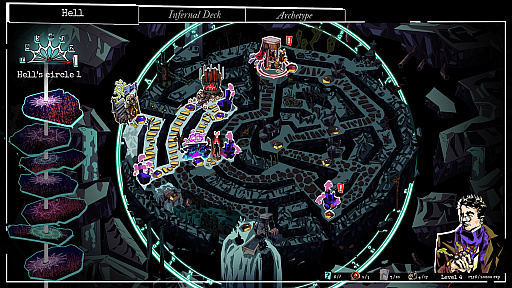
Roadmap and Community-Driven Updates
With the initial release successfully capturing the imagination of roguelike enthusiasts, the development roadmap includes plans for:
- Expanded Character Classes: Introducing new archetypes that manipulate alternative poker variants (such as Omaha or Seven-Card Stud).
- Endless Descent Modes: Providing high-difficulty modifiers for veteran players seeking the ultimate tactical challenge.
- Modding Support and Community Events: Allowing players to design their own custom bosses, cursed items, and poker decks, ensuring long-term community engagement.
Conclusion
Hell Hold’em represents a masterclass in genre fusion. By taking the familiar mechanics of poker and infusing them with the dread, storytelling depth, and tactical crunch of a veteran TTRPG publisher like Nosolorol, the development team has crafted something truly unique. As players continue to step into The Twisted House to test their luck against the lords of the underworld, one thing is certain: the stakes have never been higher, and the descent has only just begun.








Belum ada komentar. Jadilah yang pertama berkomentar!