

Executive Overview
The mobile gaming landscape is undergoing a subtle yet profound paradigm shift. For years, the industry’s financial and cultural gravity centered around high-octane battle royales, twitch-reflex shooters, and sprawling open-world RPGs designed to demand hours of continuous engagement. Today, however, a quieter revolution is taking root in the palms of millions: the rise of the daily puzzle game. Capitalizing on the psychological framework pioneered by word-based phenomena like Wordle and expanded into platforms like Apple News+, developers are recognizing that modern users increasingly crave low-stress, high-charm interactions that respect their time while still scratching an itch for mental stimulation.
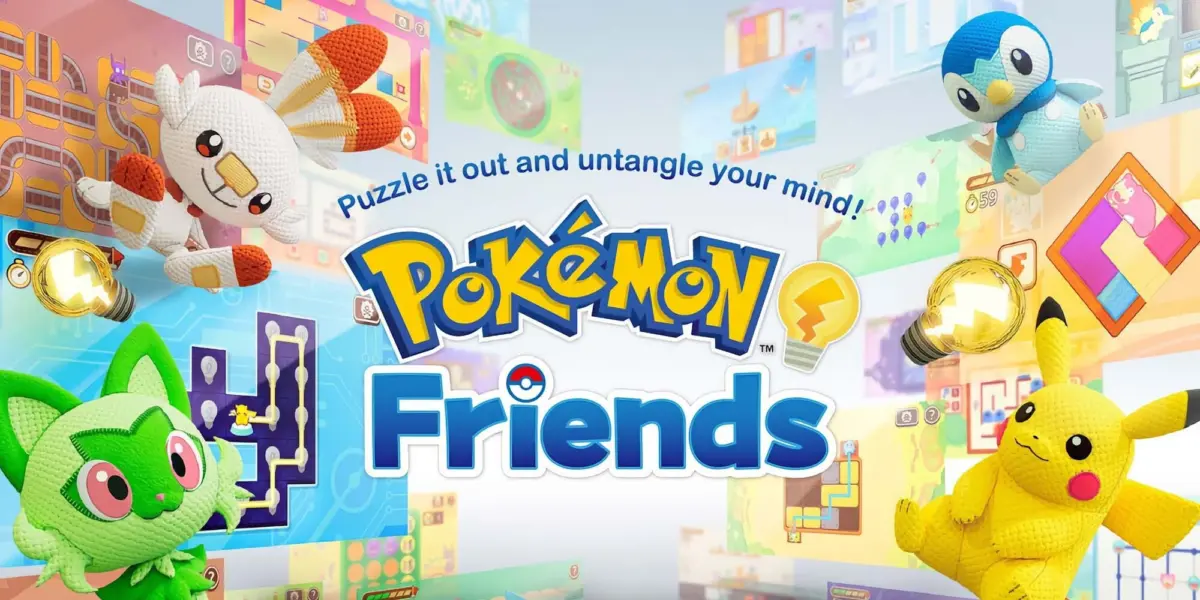
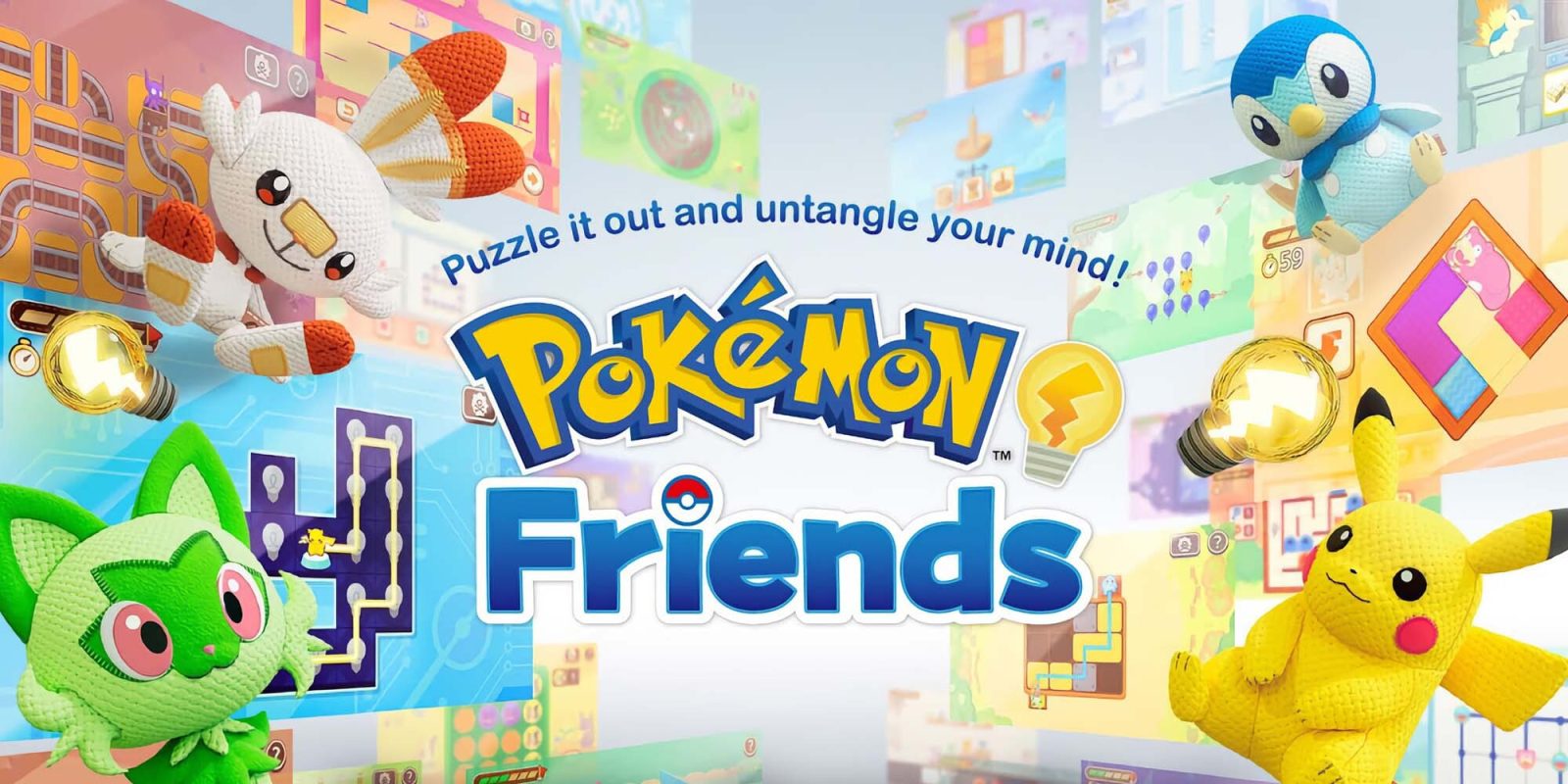
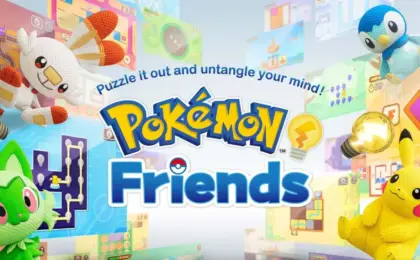
Entering this rapidly expanding arena is one of the most culturally dominant intellectual properties on the planet. The Pokémon Company has officially launched its newest mobile offering, Pokémon Friends, now available globally on the iOS App Store. Deviating from traditional monster-battling mechanics, Pokémon Friends leans heavily into the "cozy gaming" movement. It combines bite-sized, casual brainteasers with a delightful crafting loop: players solve puzzles to earn digital yarn, which is then spun into charming Pokémon plushies to decorate a personalized virtual room.
This release marks a strategic pivot for the franchise, signaling that the Pokémon brand is eager to capture the commuter, the coffee-break gamer, and the mindfulness-seeker. As daily puzzle formats cement themselves as daily digital rituals across devices—from dedicated apps to integrated platform services—Pokémon Friends arrives not merely as a novelty, but as a calculated effort to blend nostalgia, casual mechanics, and low-friction retention strategies. This report examines the mechanics of Pokémon Friends, the broader economic and cultural trends driving the daily puzzle boom, and what this launch means for the future of mobile entertainment.
Detailed Chronology & Mechanics: How Pokémon Friends Works
The development and deployment of Pokémon Friends represent a quiet, stealthy rollout characteristic of modern casual mobile titles. Rather than relying on multi-year teaser campaigns or closed beta tests, The Pokémon Company positioned the title to drop cleanly onto the App Store, inviting curious fans and casual puzzle enthusiasts alike to download and explore its mechanics organically.
The Core Gameplay Loop
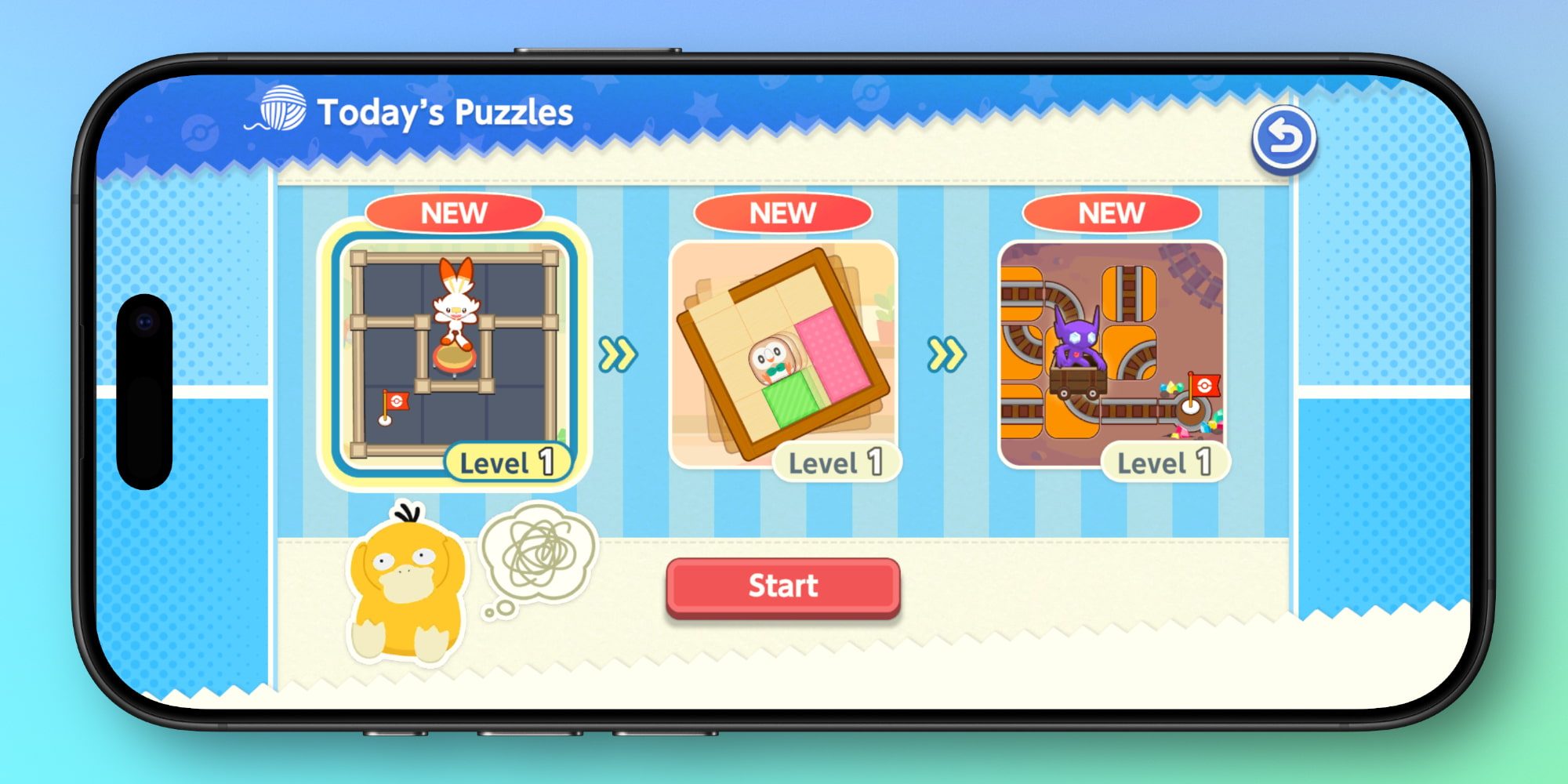
At its heart, Pokémon Friends is structured around a predictable yet deeply satisfying daily loop designed to establish long-term habits without inducing player burnout.
- The Daily Puzzle: Players are greeted each day with a fresh selection of lightweight brainteasers. Unlike hardcore puzzle games that feature ticking clocks or punishing failure states, these challenges are tailored to be approachable, relaxing, and mentally refreshing. They act as a digital palate cleanser for the morning commute or a winding-down ritual before sleep.
- The Reward System (Yarn Collection): Successfully completing these puzzles yields a tangible, satisfying reward: digital yarn. This resource serves as the currency of progression within the game’s crafting economy.
- The Crafting Mechanic: Once a sufficient quantity of yarn is accumulated, players take it to a virtual crafting station. Here, the yarn is transformed into endearing, tactile-looking Pokémon plushies.
- Room Customization: The ultimate destination for these crafted creations is the player’s personal virtual room. As days pass and puzzles are completed, this space evolves from a sparse environment into a cozy, customized sanctuary populated by an ever-growing menagerie of soft-textured Pokémon companions.
Monetization and Accessibility
True to the current casual mobile model, Pokémon Friends is released as a free-to-download application on the iOS App Store. However, it incorporates a freemium monetization structure, utilizing In-App Purchases (IAPs) for specific optional content, convenience items, or aesthetic customization options. This ensures that the core puzzle-solving and plushie-crafting experience remains accessible to all players, while providing monetization avenues through cosmetic expansions and accelerated progression paths.
Supporting Context & Metrics: The Rise of the Cozy and Daily Puzzle Economy
To understand the strategic significance of Pokémon Friends, one must examine the broader macroeconomic and behavioral shifts occurring within the mobile gaming industry. The traditional mobile market has faced mounting headwinds, including rising user acquisition costs, privacy-driven ad-tracking limitations (such as Apple’s App Tracking Transparency framework), and a saturated market of live-service games fighting for finite attention spans.
The Fatigue of "Second Jobs"
For much of the past decade, successful mobile games relied on retention strategies that essentially transformed leisure time into a second job. Daily login bonuses, time-gated resource gathering, and mandatory multiplayer guilds meant that missing a day could severely penalize a player’s standing.
Over the past few years, however, consumer sentiment has pivoted sharply. Driven largely by the cultural phenomenon of Wordle—which restricted users to one puzzle a day—and the subsequent expansion of daily word, logic, and trivia games by major media outlets and tech giants, players have demonstrated a clear preference for games that respect their boundaries. The "cozy game" genre, popularized on consoles and PC by titles like Animal Crossing: New Horizons and A Little to the Left, has successfully bled over into mobile. These games prioritize safety, emotional comfort, aesthetic warmth, and low-stakes interactivity over competitive stress.
The Apple News+ and Casual Ecosystem Integration
The timing of Pokémon Friends aligns neatly with broader platform-level investments in casual puzzle gaming. Apple, for instance, has heavily integrated daily puzzle mechanics directly into its Apple News+ ecosystem, recognizing that word games and quick mental diversions are powerful drivers of daily active usage (DAU).
By stepping into this arena, The Pokémon Company is leveraging its greatest asset: universal, cross-generational IP recognition. Pokémon has always excelled at emotional resonance. Long before mobile gaming existed, the franchise was built on the premise of collecting, nurturing, and forming attachments to digital creatures. Translating that foundational philosophy from combat-oriented training to gentle crafting and room decoration is a remarkably organic evolution. It bridges the gap between aging millennial fans who grew up with the original Red and Blue versions and younger, casual gamers who prefer low-stress puzzle interactions over complex competitive systems.
Official Statements and Industry Perspective
While The Pokémon Company has maintained a measured, minimalist approach to the initial marketing rollout of Pokémon Friends, industry analysts and mobile gaming experts have been quick to dissect the strategic implications of the release.

In preliminary statements accompanying the App Store launch, representatives from developer networks emphasize the game’s design philosophy: a deliberate shift toward emotional well-being and frictionless play. Unlike competitive titles designed to spike adrenaline, Pokémon Friends is explicitly engineered to lower cortisol levels.
"We are witnessing the maturation of a demographic," notes digital media analyst Sarah Jenkins. "The original generation of Pokémon trainers are now working professionals, parents, and adults navigating high-stress digital environments. They don’t always have twenty minutes to manage inventory screens, type-match matchups, or grind raid battles. What they want is a five-minute moment of pure nostalgia, a cute aesthetic, and a comforting digital ritual. Pokémon Friends hits that psychological sweet spot with surgical precision."
Furthermore, game design critics have pointed out that integrating the tactile imagery of yarn and plushies is a brilliant psychological anchor. In an increasingly hyper-digitized world, physical textures—even simulated ones—evoke comfort and safety. By making the reward of a logic puzzle a soft, handmade-style plushie rather than a weapon upgrade or currency bump, the game successfully reframes the reward-processing centers of the brain toward warmth and domestic comfort.
Future Outlook: What Pokémon Friends Means for the Franchise
As Pokémon Friends settles into the wild waters of the iOS App Store, its trajectory over the coming months will offer a fascinating case study in how heritage franchises can adapt to shifting consumer psychology.

Expansion Potential and Content Updates
Given the nearly infinite roster of Pokémon—spanning over a thousand distinct species across multiple regional generations—the content pipeline for Pokémon Friends is virtually limitless. Future updates could easily introduce:
- Themed Seasonal Events: Holiday-specific yarn types or limited-edition plushies corresponding to Halloween, winter holidays, or spring festivals.
- Expanded Room Customization: Deeper interior design mechanics, allowing players to build elaborate themed habitats (such as water-type aquatic rooms or forest-type woodland sanctuaries) for their plush collections.
- Social Sharing Features: Light, non-competitive social loops allowing users to share snapshots of their cozy virtual rooms with friends, reinforcing community engagement without introducing toxicity or pressure.
Cross-Platform and Broader Ecosystem Impact
If Pokémon Friends proves to be the engagement juggernaut that market watchers anticipate, it could pave the way for a broader slate of "micro-casual" experiences from The Pokémon Company. Rather than anchoring all mobile efforts to massive tentpole releases like Pokémon GO or Pokémon Sleep, the company may find that maintaining a portfolio of low-overhead, highly addictive daily utility games creates a stable, recurring touchpoint with fans across all walks of life.
Ultimately, Pokémon Friends is more than just a cute diversion; it is a symptom of a broader cultural exhaustion with digital friction. By taking the world’s most lucrative media franchise and distilling it down to yarn, quiet puzzles, and soft plushies, The Pokémon Company has proven that sometimes the best way to move forward in mobile gaming is to simply slow down, take a breath, and get cozy.
What are some of your favorite daily puzzle games? Are you diving into Pokémon Friends to build your virtual plushie collection? Let us know your thoughts in the comments below!






Belum ada komentar. Jadilah yang pertama berkomentar!