The video game industry continues to push the boundaries of digital entertainment, hardware design, and software engineering. As the market enters a transitional phase defined by cross-generational hardware adoption, the introduction of advanced rendering architectures, and the evolution of long-running massively multiplayer online role-playing games (MMORPGs), publishers and hardware manufacturers are recalibrating their strategic approaches.
This comprehensive report examines the most significant developments across multiple gaming ecosystems, including the anticipated hardware shifts surrounding upcoming platform iterations, major MMORPG milestone updates, and innovative indie-to-AAA crossover titles making waves on Steam, PlayStation, and Nintendo platforms. By analyzing pricing structures, release timelines, hardware specifications, and player engagement metrics, industry stakeholders can gain a clearer understanding of the current trajectory of the interactive entertainment sector.
Detailed Chronology of Key Releases and Announcements
The early November 2026 gaming landscape is marked by several pivotal software launches, hardware revisions, and platform expansions. Below is a detailed chronological breakdown of the major announcements and titles shaping the current market cycle:
Early November 2026 Product Lineups and Pricing Structures
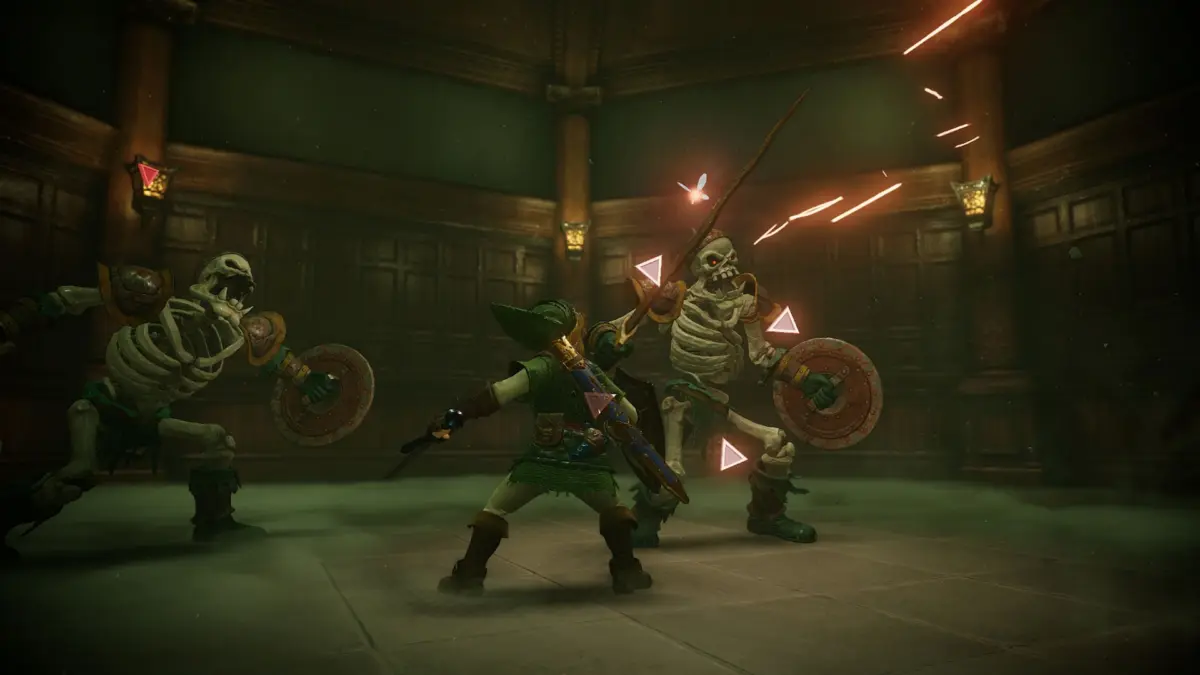
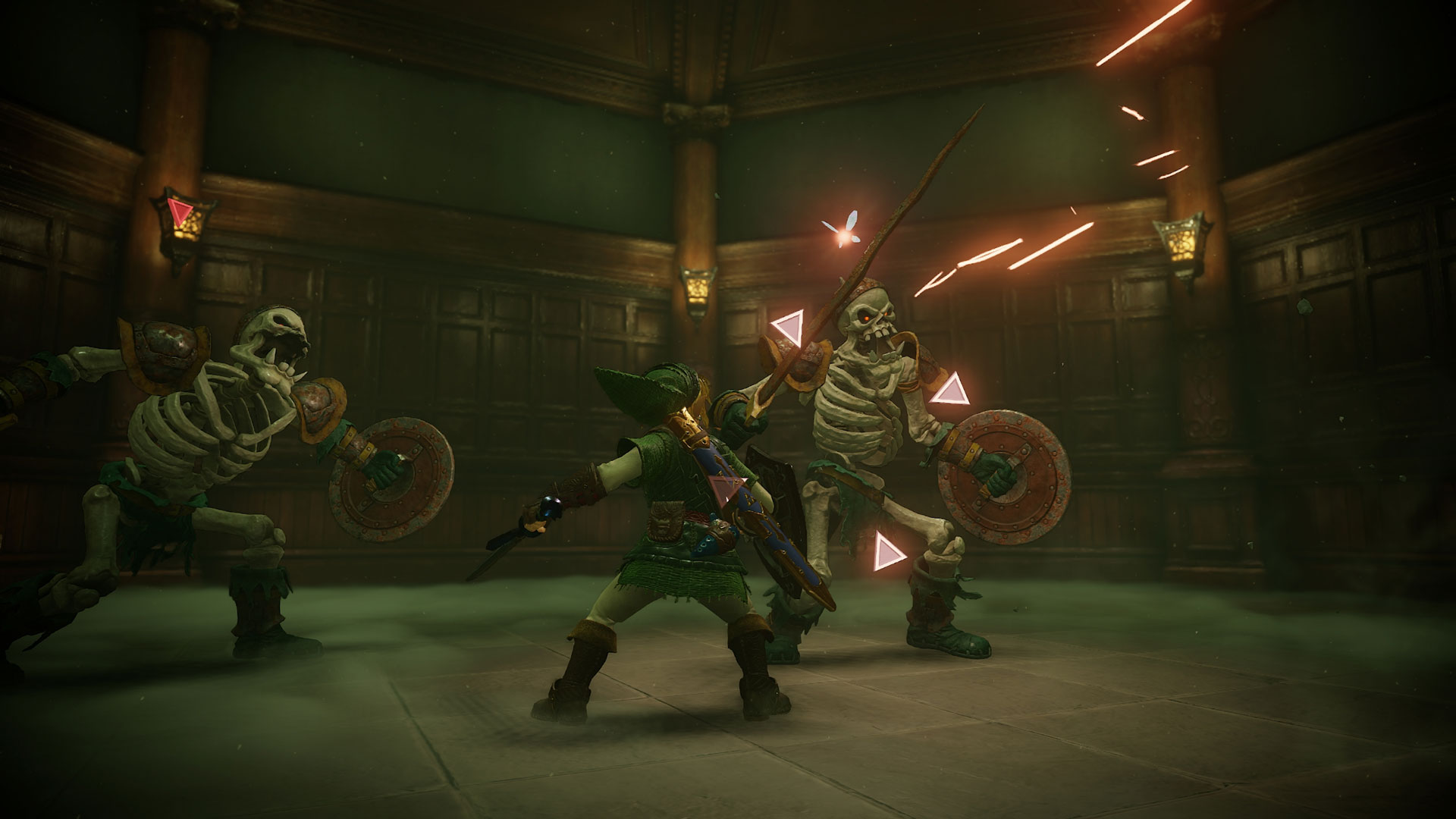
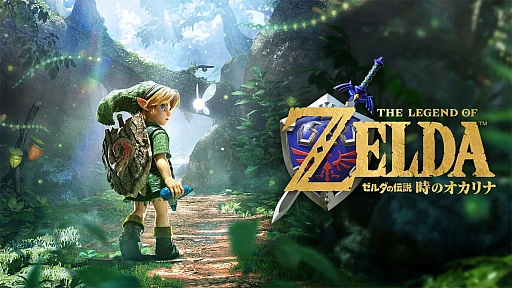
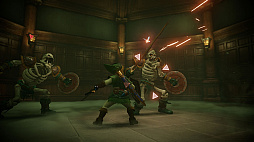
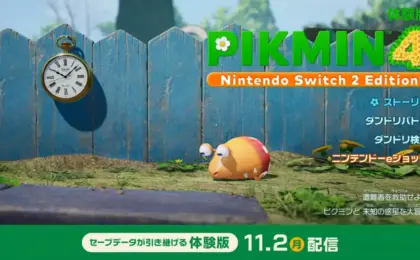
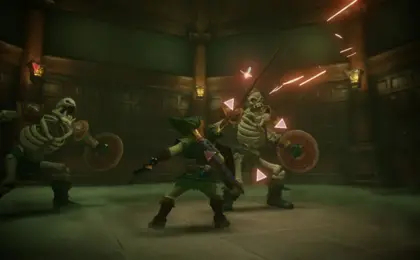
Platform Ecosystem Expansion (Nintendo Switch Successor Ecosystem): Building upon the legacy of classic titles originally launched on the Nintendo 64 platform in 1998, publishers are increasingly tailoring legacy experiences for next-generation hardware iterations. These updates leverage modern 3D rendering engines, enhanced spatial audio, and upgraded frame-rate stabilization protocols to modernize classic control schemes without sacrificing the core nostalgic appeal that defined the original releases.
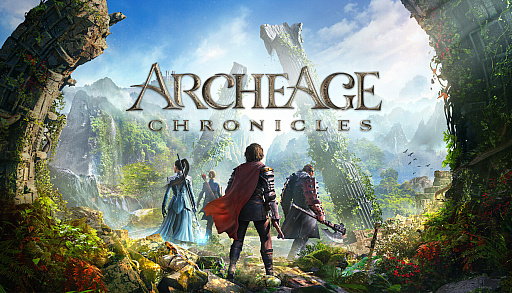
ArcheAge Chronicles (Steam / PC Ecosystem): Officially slated for release windows in November 2026, ArcheAge Chronicles represents a monumental shift for the beloved MMORPG franchise. Building on 50 years of fictional lore and world-building within the overarching ArcheAge universe, the title transitions away from traditional linear progression toward a player-driven, sandbox-focused design philosophy. The developers have emphasized non-linear exploration, dynamic socio-economic systems, and real-time combat mechanics, creating a deeply immersive experience for both veteran adventurers and newcomers.
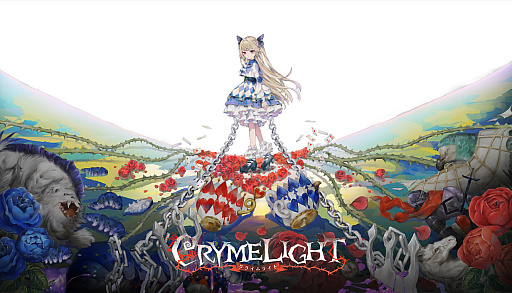
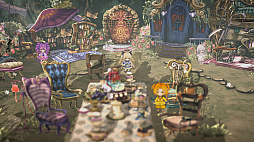
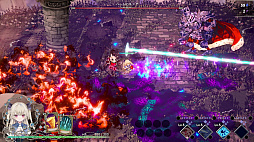
CRYMELIGHT (Steam, PlayStation Store, My Nintendo Store): Priced competitively at 3,278 JPY (approx. $22 USD) and launching across multiple storefronts in early November 2026, CRYMELIGHT blends rogue-lite progression mechanics with atmospheric visual storytelling. The title focuses heavily on environmental puzzle-solving, intricate character builds, and high-stakes tactical combat, earning praise from early preview events for its challenging yet rewarding gameplay loop.
Supporting Context, Technical Metrics, and Platform Analysis
Hardware Adaptation and Cross-Generational Development
The gaming hardware market is experiencing a profound transformation as developers balance the vast installed base of current-generation systems with the upcoming technical horizons represented by next-gen platforms. Software engineers are utilizing advanced upscaling technologies—such as machine learning-driven reconstruction techniques and temporal anti-aliasing—to deliver high-fidelity visuals at stable frame rates across heterogeneous hardware profiles.
Table: Selected November 2026 Major Releases Overview
Title
Target Platforms
Launch Price (approx.)
Core Genre / Category
Key Technical Features
Classic Nintendo 64 Remaster Project
Nintendo Switch Successor
¥7,980
3D Action / Platformer
Modernized control schemes, upgraded 3D spatial assets, high-framerate support
ArcheAge Chronicles
PC (Steam)
¥3,600
Sandbox MMORPG
Non-linear world exploration, dynamic economy, real-time action combat
The Evolution of the Sandbox MMORPG: ArcheAge Chronicles
The MMORPG genre has long sought a balance between structured narrative campaigns and open-ended player freedom. With ArcheAge Chronicles, the development team has restructured the foundational pillars of the franchise. Rather than forcing players down a rigid narrative corridor, the game provides a sandbox environment where player actions directly influence regional economies, faction territories, and global events.
Key technical advancements in ArcheAge Chronicles include:
Seamless Open-World Streaming: Utilizing modern SSD streaming architectures and optimized server-client networking, the game minimizes loading screens during exploration, allowing for fluid transit across vast continents and oceanic bodies.
Dynamic Economic Simulation: Player-crafted goods, trade routes, and resource harvesting nodes are subject to fluctuating market demands, encouraging cooperative guild logistics and player-driven commerce.
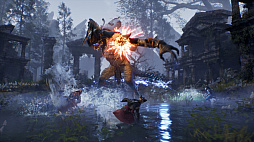
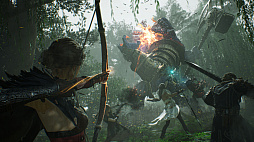
Action-Oriented Combat Integration: Moving away from static target-locking systems, the combat engine emphasizes directional blocking, active evasion, and skill-combo synergies that reward mechanical precision and tactical positioning.
Narrative-Driven Rogue-Lites: The Case of CRYMELIGHT
Independent and mid-tier developers continue to innovate within the rogue-lite genre by introducing deeper narrative frameworks and complex environmental interactions. CRYMELIGHT exemplifies this trend by intertwining its atmospheric storytelling directly with its core gameplay loop. Every failed run contributes to the unfolding lore, altering NPC behaviors and unlocking new traversal abilities for subsequent attempts. This design choice mitigates the frustration often associated with repetitive gameplay loops, transforming failure into a narrative progression tool.
Official Statements and Industry Insights
Developer Perspectives on Next-Gen Optimization
In recent interviews conducted across major industry publications, leading game directors and technical leads have shared critical insights regarding the challenges and opportunities presented by modern hardware development.
"The primary objective when bringing legacy concepts into the modern era is not merely scaling up resolution, but fundamentally rethinking how players interact with space and momentum. By leveraging modern computational power, we can preserve the soulful integrity of the original design while eliminating the friction points imposed by historical hardware limitations."
— Lead Technical Director, Retro-Modern Adaptation Initiative
Furthermore, industry analysts note that cross-platform availability remains a crucial driver for software adoption. By ensuring titles like CRYMELIGHT are accessible across Steam, PlayStation platforms, and Nintendo ecosystems, publishers are maximizing their market penetration while accommodating diverse consumer hardware preferences.
MMORPG Sustainability and Community Engagement
Regarding the long-term viability of massive online multiplayer titles, industry veterans emphasize the necessity of listening closely to community feedback. As demonstrated by ongoing development diaries for titles like Final Fantasy XIV and expansive projects like ArcheAge Chronicles, maintaining transparent communication channels between developers and players is paramount. Regular producer letters, roadmap updates, and community-driven test phases ensure that major content expansions align with player expectations and technical feasibility.
Future Outlook: What Lies Ahead for the Gaming Industry
As the industry moves past the fourth quarter of 2026, several key trends will dictate market momentum:
Hardware Interoperability and Cloud Integration: With the anticipated rollout of new console iterations and continued enhancements to PC storefront ecosystems, cross-play and cross-save functionality are shifting from premium features to baseline consumer expectations.
AI-Assisted Development Tools: Studios of all sizes are increasingly integrating machine learning algorithms into asset generation, quality assurance testing, and non-player character (NPC) behavior modeling, significantly reducing production cycles without compromising artistic vision.
The Renaissance of Remasters and Re-imaginings: As seen with the successful modernization of N64-era classics for newer Nintendo platforms, consumer nostalgia—when paired with respectful, high-quality technical overhauls—remains a powerful commercial engine capable of engaging both aging demographic cohorts and younger generations of gamers.
The coming months will undoubtedly reveal further hardware announcements and software showcases, solidifying 2026 as one of the most technologically diverse and content-rich periods in modern gaming history.











Belum ada komentar. Jadilah yang pertama berkomentar!