

Executive Overview
The cinematic landscape of 2026 has brought forward one of its most polarizing literary adaptations: Klara and the Sun, directed by Taika Waititi and co-written alongside Dahvi Waller. Based on Nobel Prize-winning author Kazuo Ishiguro’s acclaimed 2021 dystopian novel, the film carries immense anticipation. It boasts an all-star ensemble cast featuring Jenna Ortega, Mia Tharia, Amy Adams, Natasha Lyonne, Aran Murphy, Rachel House, Steve Buscemi, Davida McKenzie, and Harry Greenwood.
At its core, the narrative follows Klara, an Artificial Friend—a solar-powered robot girl designed to combat human isolation—as she attempts to heal a deeply fractured and grieving family. Yet, from its festival run onward, the feature has sparked intense debate among critics and audiences alike.
The central tension of the film lies in an ongoing stylistic clash. Waititi, celebrated globally for his distinct, eccentric brand of deadpan comedy and whimsical tonal shifts in works like Jojo Rabbit, applies a heavy layer of quirky humor to material that demands profound emotional gravity. Rather than functioning as a subtle background element, this stylistic choice engulfs the runtime. It undercuts what should be a sobering, philosophically rich exploration of artificial intelligence, grief, biological enhancement, and the fragility of human connection. While individual performances—particularly Jenna Ortega’s committed, hyper-stylized portrayal of Klara—shine through, the film ultimately stumbles under the weight of its own tonal identity crisis.
Detailed Chronology: From Page to Screen and Festival Debuts
The journey of Klara and the Sun from a contemplative page-turner to a chaotic cinematic venture highlights the perils of mismatched visionary pairings.
The Premise and the Setup
In Ishiguro’s original text, the world is quiet, melancholic, and subtly terrifying. It is a future where post-World War III society has suffered a permanent collapse of the internet, resulting in a spike in loneliness and a widespread trend of genetic enhancement ("lifting") among children, which carries lethal risks. Into this bleak ecosystem steps Klara, an AF endowed with extraordinary observational capabilities and an innocent, almost spiritual reverence for the Sun, which she views as a divine life-force.
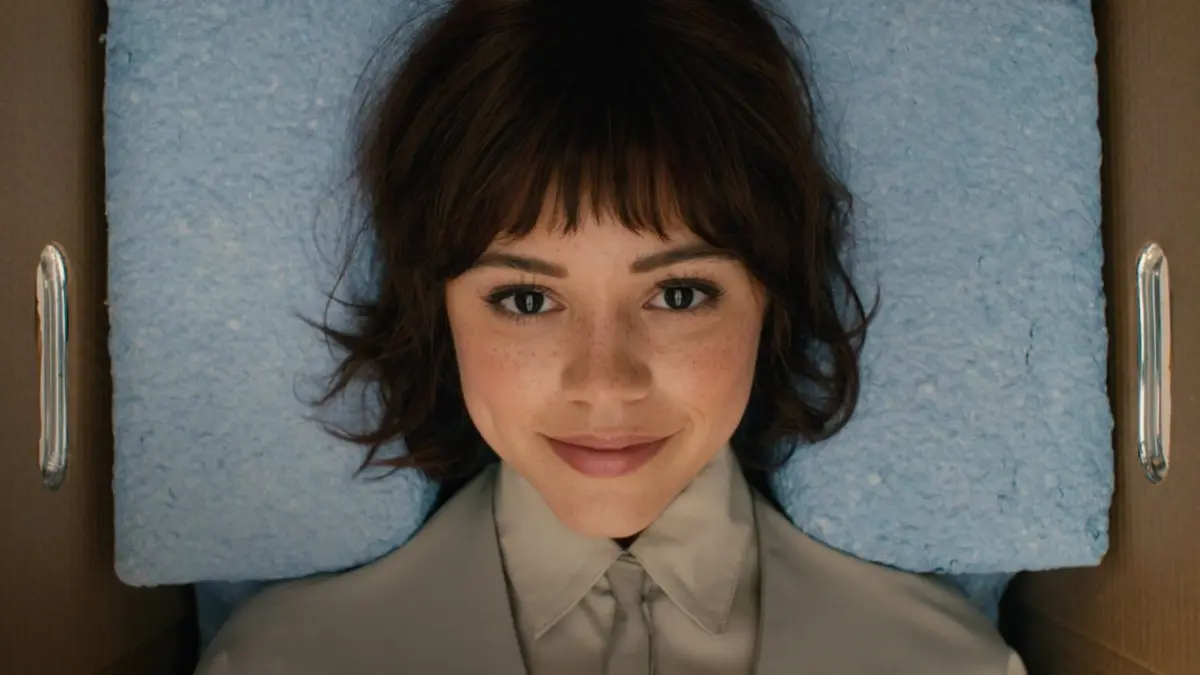
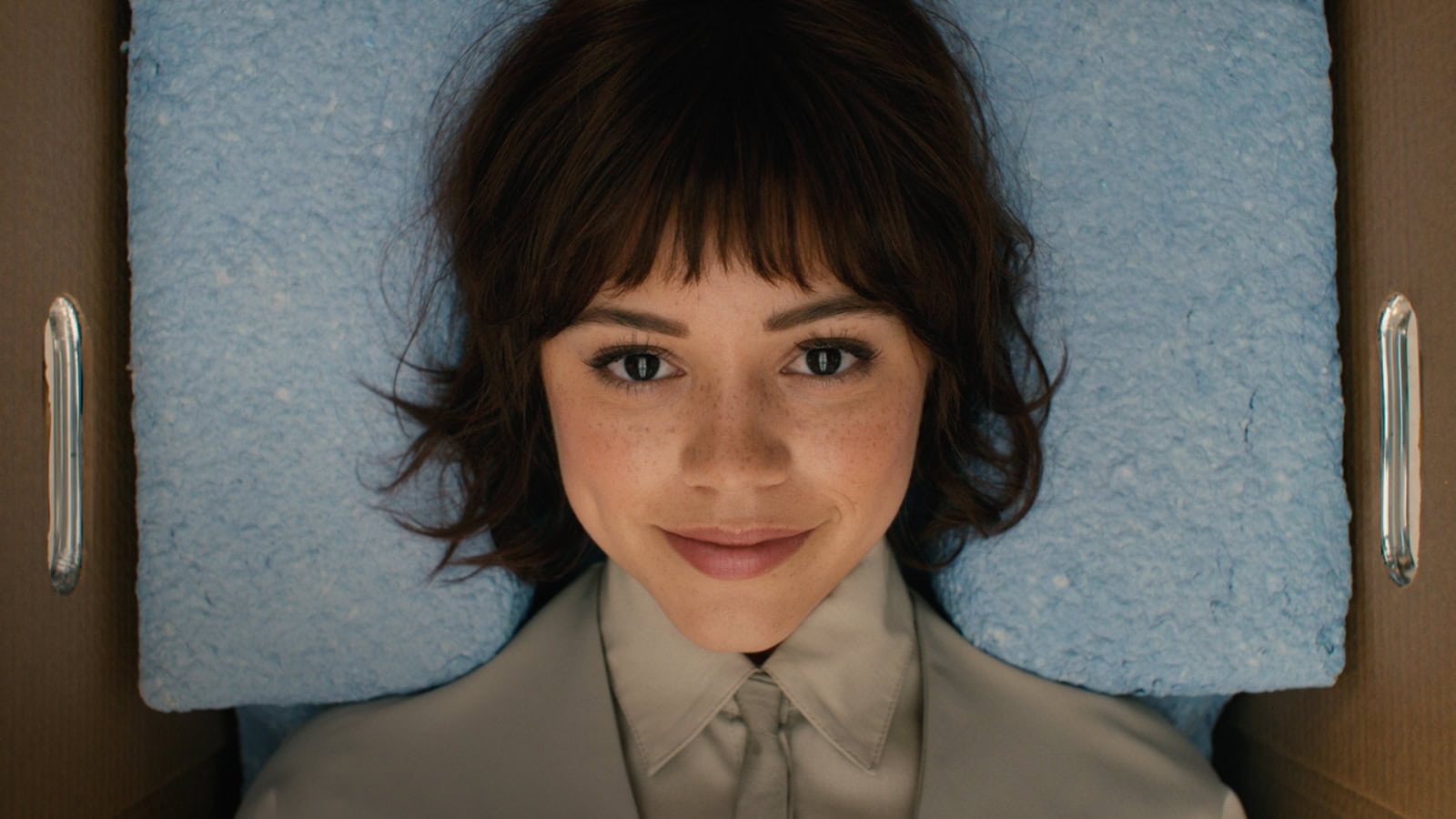
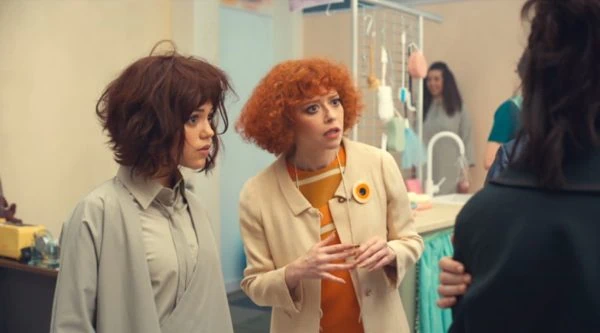
In the film’s opening act, viewers are introduced to Klara in a specialty storefront run by a conspicuously quirky manager, portrayed by Natasha Lyonne. Alongside other older-model AFs—some bearing unsettling design implications pointing toward a sexualized consumer market—Klara stands out for her twitchy, hyper-expressive mannerisms. She constantly stands on one leg, smiles too widely, and converses with sunlight.
The Inciting Incident and Family Dynamics
The plot accelerates when Chrissy (Amy Adams), a skeptical and emotionally devastated mother, purchases Klara to serve as a companion to her terminally ill teenager, Josie (Mia Tharia). This revelation arrives as an abrupt, insulting first-act twist kept secret from both Klara and Josie.
As Klara transitions from the storefront to a remote farmhouse, the narrative rushes through pivotal developments. We learn that Josie has had her DNA artificially altered to ensure academic and social brilliance, a process that is steadily killing her. Meanwhile, her long-standing family maid (Rachel House) voices concerns about being replaced by a machine, though her anxieties are quickly flattened into off-putting comedic beats rather than poignant social commentary.

The film also introduces hurried subplots regarding Josie’s technologically curious boyfriend, Rick (Aran Murphy), and a broader, unsettling piece of lore: earlier models of AFs occasionally malfunctioned and killed humans—a dangerous detail introduced as a throwaway line and never explored again.
The Climax and Tonal Realignment
As Josie’s health deteriorates, Klara embarks on a misguided, unwavering crusade, praying to the Sun to intervene and save her owner. Simultaneously, the audience is introduced to other genetically altered youths, whose over-the-top, irritating personalities further strain the film’s pacing.
Remarkably, the film undergoes a stark transformation in its third act. When Waititi momentarily strips away the relentless absurdity and commits to the philosophical weight of the material—investigating what it truly means to love, grieve, and let go—Klara and the Sun flickers into life. These late-stage moments hint at the profound adaptation this film could have been, leaving viewers lamenting the comedic barrage that preceded it.
Supporting Context & Metrics: Analyzing the Production and Critical Reception
Evaluating Klara and the Sun requires examining how its creative components align—or fail to align—with audience expectations and the source material.
Cast and Crew Metrics
- Director: Taika Waititi
- Screenwriters: Taika Waititi and Dahvi Waller, based on the novel by Kazuo Ishiguro.
- Key Cast Members:
- Jenna Ortega (Klara)
- Mia Tharia (Josie)
- Amy Adams (Chrissy)
- Natasha Lyonne (Store Manager)
- Aran Murphy (Rick)
- Rachel House (The Maid)
- Featuring supporting turns by Steve Buscemi, Davida McKenzie, and Harry Greenwood.
- Runtime: Just shy of two hours (approximately 115 minutes).
The Stylistic Disconnect
The core structural metric of failure in Klara and the Sun is its genre classification dissonance. Despite dealing with fatal illnesses, post-war societal collapse, and existential questions about artificial consciousness, the film leans so heavily into whimsical eccentricity that reviewers have noted the glaring absence of a "Comedy" tag on major film databases.
Waititi’s defenders rightly point out that his comedic DNA has yielded masterpieces in the past. Elements like a programmed robot scarecrow function brilliantly within his absurdist wheelhouse. However, multiplying this tone across every single character—from the store manager to the dying teenager and her desperate mother—transforms what should be tonal "comic relief" into an oppressive, wall-to-wall barrage of quirky jokes.
Visual Design and Technological Portrayal
On a technical level, the film does achieve moments of genuine creative flair. Klara’s first-person perspective is rendered through a clever video-game aesthetic, where surrounding environments temporarily pixelate as if they haven’t finished loading. This visual metaphor successfully communicates an artificial being learning to process a complex physical reality.
Yet, these touches are overshadowed by logical gaps. Characters casually use voice-activated futuristic vehicles without knowing how to drive them, leading to consequence-free crashes that cheapen the dramatic stakes. Furthermore, the film toes an uncomfortable line regarding pro-AI sentimentality, sidestepping any rigorous ethical debate over whether technological companions genuinely benefit psychologically vulnerable teenagers.
Official Statements and Industry Insights
While major studio press releases ahead of the film’s release emphasized the prestige of adapting a Kazuo Ishiguro novel alongside an A-list cast, post-festival press reactions have focused heavily on the creative risks taken by the filmmakers.
In promotional interviews leading up to the festival circuit, Taika Waititi expressed a desire to inject vibrant, unexpected energy into dystopian cinema, steering away from the monochromatic, dreary visual palette that often plagues sci-fi adaptations. Producers noted that casting Jenna Ortega was a strategic choice to anchor the film’s emotional core, capitalizing on her ability to portray deadpan, uncanny, yet deeply empathetic personas.
However, literary purists and film critics have voiced contrasting perspectives. Early reviews from the BFI London Film Festival highlighted the friction between Ishiguro’s quiet, deeply internal prose and Waititi’s loud, externalized cinematic showmanship. Industry analysts have pointed out that while star power like Amy Adams and Jenna Ortega guarantees initial audience curiosity, the film’s polarizing word-of-mouth threatens its long-term box office and streaming legs. As one prominent critic summarized, the production often feels like two entirely different movies fighting for dominance within a single two-hour frame.
Future Outlook: Legacy and Cultural Impact
As Klara and the Sun rolls out to broader theatrical and digital audiences, its ultimate legacy will likely be defined as a cautionary tale of stylistic mismatch.
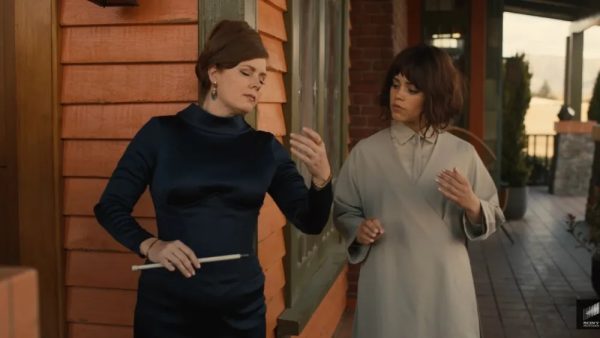
- The Adaptation Debate: The film will undoubtedly serve as a prominent case study in film schools regarding the challenges of adapting literary works with internalized narration. Ishiguro’s novels rely on subtle subtext, unreliable narration, and quiet emotional devastation—qualities that are easily flattened by bombastic directorial signatures.
- Talent Trajectories: For its stars, Klara and the Sun will remain a footnote of intense ambition. Jenna Ortega’s physical commitment to the role of Klara proves her versatility beyond horror and gothic drama, even if the surrounding framework falters. Similarly, Amy Adams continues to showcase her ability to anchor chaotic family dramas, even when the script restricts her emotional arc.
- The Sci-Fi Landscape: In an era saturated with artificial intelligence narratives exploring consciousness, grief, and technological dependency, Klara and the Sun misses an opportunity to deliver a definitive philosophical statement. By playing it too whimsical for a tragedy and too tragic for a comedy, it leaves audiences yearning for the quiet, haunting introspection of the original page.
Ultimately, no amount of cinematic prayer can fully repair the fractures in this ambitious adaptation. While its third act flashes with brilliance, Klara and the Sun stands as a reminder that auteur signatures must serve the story, rather than eclipse it.






Belum ada komentar. Jadilah yang pertama berkomentar!