

Executive Overview
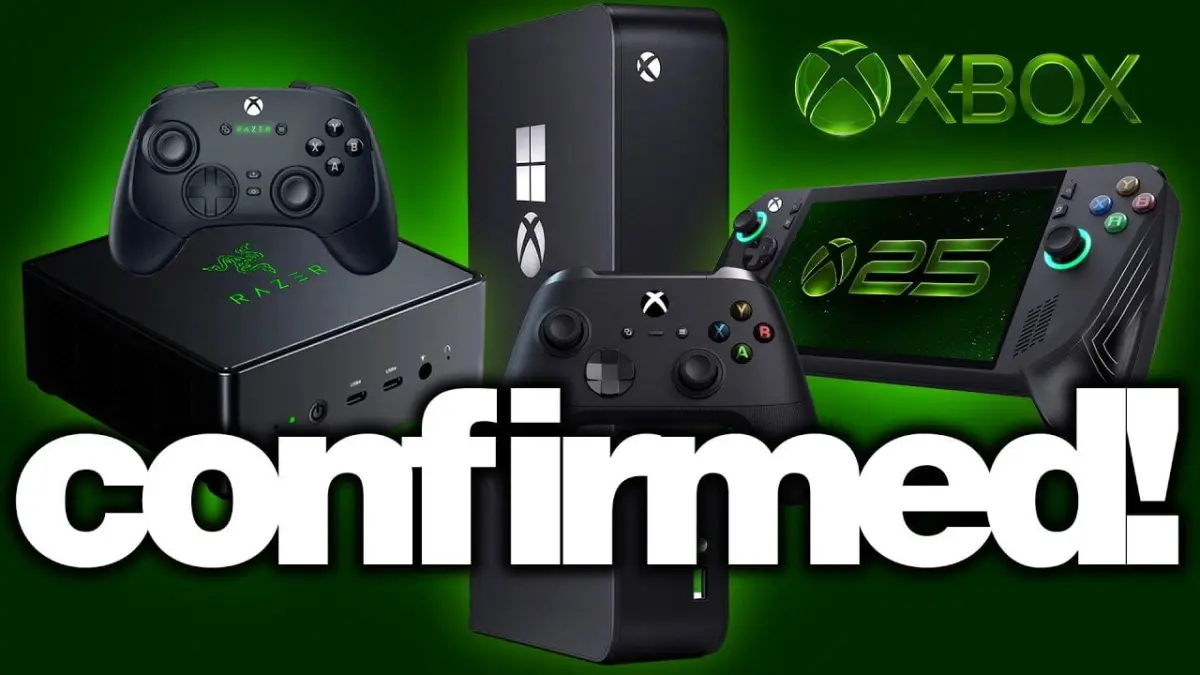
The gaming landscape is on the brink of a profound structural evolution. Microsoft has officially confirmed plans for Project Helix, an ambitious, multi-tiered hardware and software initiative scheduled to launch its flagship first-party console in November 2027. Designed to tear down traditional silos separating consoles, personal computers, and mobile gaming, Project Helix represents a complete reimagining of how hardware is conceptualized, distributed, and experienced.
At the literal and figurative heart of this initiative is the Xbox Magnus chip, a cutting-edge processor developed in deep collaboration with semiconductor giant AMD. Integrating an advanced Neural Processing Unit (NPU) alongside high-performance graphical architecture, the Magnus chip is engineered to support next-generation workloads, including real-time ray tracing, AI-driven upscaling, and buttery-smooth 120 frames per second (FPS) rendering across form factors.
Rather than adhering to the traditional, isolated console generation model, Project Helix introduces three distinct hardware categories: traditional hybrid consoles, Xbox-integrated desktop PCs, and portable handheld gaming devices. Bolstered by strategic Original Equipment Manufacturer (OEM) partnerships with industry heavyweights like ASUS, Razer, Samsung, and Dell, these devices embrace a modular design philosophy. Users will finally enjoy unprecedented customization options, such as upgradeable RAM and storage.
Coupled with a proprietary Microsoft emulator ensuring robust backward compatibility for original Xbox and Xbox 360 titles—complete with modern graphical enhancements—Project Helix aims to honor gaming history while aggressively spearheading its future. This report provides an exhaustive analysis of the technological milestones, hardware configurations, OEM collaborations, strategic timelines, and broader market impacts defining Xbox Project Helix.
Detailed Chronology: The Road to Project Helix
Understanding the magnitude of Project Helix requires tracing the strategic breadcrumbs Microsoft has laid down over the past several years. As the gaming market shifted toward cloud streaming, subscription models like Xbox Game Pass, and cross-play integration, Microsoft’s hardware strategy had to adapt to remain competitive against entrenched rivals and the soaring popularity of PC gaming handhelds.
-
2024: The Genesis of Silicon Integration
The architectural foundation of Project Helix was laid long before public announcements. The Xbox Magnus chip officially entered early manufacturing stages in 2024. Engineering teams at Microsoft and AMD focused heavily on silicon scalability, ensuring that a single architectural design could power devices ranging from power-efficient handhelds to high-end desktop-class systems without sacrificing core software compatibility. -
Spring 2027: Developer Kit Distribution
As the hardware moves from silicon design to production-ready prototypes, third-party and first-party studios are scheduled to receive Project Helix developer kits in the spring of 2027. This crucial window gives developers roughly six months to optimize their pipelines for the Magnus chip’s advanced NPU capabilities, ray-tracing pipelines, and variable form-factor performance targets. -
November 2027: The Flagship Console Launch
The culmination of the Project Helix initiative is slated for November 2027, when Microsoft will roll out its flagship first-party console. This launch date marks a definitive milestone, effectively drawing a line under the Xbox Series X/S era and inaugurating a unified ecosystem where software boundaries dissolve entirely.
The Xbox Magnus Chip: A Technological Milestone
The technological backbone of Project Helix is the Xbox Magnus chip. Crafted in close partnership with AMD, this system-on-chip (SoC) departs from traditional console architectures by placing heavy emphasis on artificial intelligence and hardware-level scalability.
Core Architectural Features
-
Neural Processing Unit (NPU) Integration:
The inclusion of a dedicated NPU is arguably the Magnus chip’s most transformative feature. In modern gaming, AI is no longer limited to non-player character (NPC) pathfinding. The NPU facilitates advanced machine learning models for real-time image upscaling, frame generation, and dynamic resolution scaling. This ensures that even lower-powered form factors, such as handheld devices, can project high-fidelity visuals akin to traditional desktop setups. -
High-Performance GPU and Ray Tracing:
Equipped with a next-generation AMD Radeon-based graphics block, the Magnus chip natively supports advanced ray-tracing algorithms, global illumination, and hardware-accelerated reflections. Furthermore, the architecture is meticulously optimized to push up to 120 FPS at stable resolutions, catering to the competitive esports market and high-refresh-rate display owners. -
Unprecedented Scalability:
As noted by industry commentators and analysts like Colt Eastwood, the true genius of the Magnus chip lies in its scalability. Historically, developers had to create distinct optimization profiles for completely different hardware architectures when porting games between PC, console, and mobile platforms. The Magnus ecosystem circumvents this friction by utilizing a unified instruction set and architectural scaling, allowing game code to run fluidly across hybrid consoles, desktop rigs, and portable units with minimal porting overhead.
Three Hardware Categories Tailored to Gamers
Recognizing that modern gamers do not fit into a single demographic or lifestyle category, Project Helix abandons the "one-size-fits-all" console box approach. Instead, Xbox is introducing three distinct hardware categories designed to capture every segment of the interactive entertainment market.
1. Hybrid Consoles
Positioned as the spiritual successors to the traditional living room console, these devices serve as the anchor of the Project Helix ecosystem. Designed to sit comfortably beneath a television or entertainment center, hybrid consoles offer uncompromised, top-tier performance. They leverage the full thermal and electrical headroom of the Magnus chip to deliver native 4K gaming, advanced ray tracing, and high-framerate stability.
2. Xbox-Integrated PCs
In a move that blurs the lines between console and PC gaming ecosystems, Project Helix introduces pre-built desktop systems fully integrated with the Xbox operating environment. These machines bridge the gap for players who desire the open-ended customization and versatility of a personal computer while retaining the streamlined, couch-friendly launcher experience of the Xbox interface.
3. Portable Gaming Devices
Capitalizing on the explosive growth of the handheld PC market (such as the ASUS ROG Ally and Steam Deck), Project Helix includes native portable gaming devices. Powered by an ultra-efficient, low-wattage variant of the Magnus chip, these handhelds allow users to take their entire digital library on the go, utilizing cloud saves, local streaming, and native processing to play AAA titles away from home.
OEM Partnerships and Modular Design
One of the most radical departures from Microsoft’s historical hardware strategy is the embrace of open collaboration. Rather than acting as the sole manufacturer of Xbox hardware, Microsoft has forged strategic partnerships with industry giants including ASUS, Razer, Samsung, and Dell.
The Modular Hardware Revolution
Through these OEM relationships, Project Helix introduces a modular design philosophy that brings PC-like upgradeability to the console ecosystem. Key modular components include:
- Upgradeable RAM: Users are no longer permanently bottlenecked by the memory configuration installed at the factory. Select Project Helix hybrid and desktop systems feature accessible memory slots, allowing players to upgrade their RAM configurations as software demands evolve.
- Modular Storage Expansion: Beyond proprietary storage expansion cards, the ecosystem supports standardized, high-speed NVMe M.2 drives, granting consumers greater purchasing flexibility and more competitive pricing options.
- Customizable Form Factors: Because brands like Razer and ASUS are designing hardware within the Helix ecosystem, consumers can choose from an array of aesthetic designs, cooling solutions, and peripheral integrations tailored to their specific tastes.
This modularity democratizes high-performance gaming. Budget-conscious consumers can invest in entry-level Helix configurations and upgrade components over time, while performance enthusiasts can max out their systems from day one.
Backward Compatibility and Digital Preservation
In an era where digital decay and storefront closures frequently threaten older media, Microsoft continues to set the industry standard for game preservation. Backward compatibility is a foundational pillar of Project Helix, ensuring that a gamer’s historical library remains fully accessible and valued.
Utilizing a sophisticated, Microsoft-developed software emulator running natively on the Magnus chip’s architecture, Project Helix enables users to play original Xbox and Xbox 360 titles, alongside the entirety of the Xbox One and Xbox Series X/S libraries, on next-generation hardware.
Importantly, these legacy titles do not merely run; they are actively enhanced. The hardware utilizes automated machine-learning routines and brute-force processing power to inject higher anisotropic filtering, unlock framerates up to 120 FPS, and apply Auto HDR protocols to games designed decades ago. By bridging the generational divide, Xbox ensures that its community’s financial and emotional investments in digital game libraries are respected and protected.
Supporting Context & Market Metrics
To fully appreciate the commercial impetus behind Project Helix, one must examine the shifting metrics of the global gaming industry:
- The Convergence of PC and Console: Market research indicates that over 60% of modern gamers utilize multiple platforms to consume interactive media. The strict boundary between "console players" and "PC players" is rapidly dissolving.
- The Rise of Handheld Gaming: The portable PC gaming sector has expanded exponentially, demonstrating clear consumer appetite for high-end gaming experiences outside the traditional living room setup.
- Service-Driven Ecosystems: With the continued expansion of Xbox Game Pass and cross-network play, hardware is increasingly viewed by Microsoft not as a high-margin profit center, but as an access point to a broader, recurring-revenue digital service ecosystem. By offering hardware across three distinct tiers (consoles, PCs, handhelds), Microsoft maximizes its potential total addressable market (TAM).
Official Statements & Strategic Vision
While initial details regarding Project Helix have been dissected by industry analysts and insiders like Colt Eastwood, Microsoft’s overarching corporate messaging emphasizes unity, accessibility, and player choice.
Internal strategy documents and public communications highlight the concept of the "Player-Centric Ecosystem." Executives have repeatedly stressed that the future of Xbox is no longer tethered to a single piece of plastic sitting beneath a television. Instead, the goal is to make the Xbox brand ubiquitous across every screen a consumer owns—whether that is a high-end desktop rig, a living room console, a portable handheld, or a smart TV running cloud streaming apps.
By offering free online services through the core Xbox network for baseline features and integrating first-party blockbusters seamlessly across hybrid hardware variants, Microsoft is attempting to build the most inclusive, frictionless community in gaming history.
Future Outlook
As the industry ticks closer to the November 2027 launch date, anticipation within the gaming community is reaching a fever pitch. Project Helix is far more than a routine mid-cycle refresh or a predictable console successor; it is a calculated bet on the future of modularity, AI-driven silicon scalability, and cross-platform harmony.
The challenges ahead are real. Coordinating manufacturing pipelines across multiple massive OEMs (ASUS, Razer, Samsung, Dell) while ensuring uniform software optimization will require immense logistical discipline. Furthermore, convincing consumers to embrace modular console hardware will necessitate a paradigm shift in how living room gaming is marketed.
However, should Microsoft execute its vision successfully, Project Helix could fundamentally redefine the hardware cycle. By erasing the artificial walls between PC and console gaming, championing rigorous backward compatibility, and giving players the freedom to customize their hardware profiles, Xbox is poised to set a bold, highly influential standard for the entire interactive entertainment industry well into the 2030s.







Belum ada komentar. Jadilah yang pertama berkomentar!