

Executive Overview
As the digital creator economy matures, platform governance has emerged as one of the defining challenges of modern media. In a comprehensive end-of-year address to the platform’s global community, YouTube leadership has laid out an ambitious roadmap designed to address mounting concerns over creator monetization, policy enforcement, mental health, and regulatory compliance.
The report paints a picture of a booming digital ecosystem that continues to scale at an unprecedented rate. Channels boasting one million or more subscribers have surged by 65 percent year-over-year, while the cohort of creators earning five- or six-figure annual incomes has expanded by over 40 percent. Yet, this rapid expansion occurs against a backdrop of increasing friction. Creators have voiced widespread anxieties regarding copyright overreaches, opaque algorithmic updates, advertiser-friendliness thresholds, and the psychological toll of relentless publishing schedules.
Simultaneously, YouTube finds itself navigating a complex geopolitical and regulatory landscape. From impending compliance with the European Union’s Copyright Directive (Article 17) to stringent new U.S. Federal Trade Commission (FTC) guidelines concerning children’s privacy under COPPA, the platform is walking a tightrope. It must maintain an open, thriving ecosystem for expression while executing robust safety and regulatory measures. This comprehensive analysis explores YouTube’s strategic initiatives across creator success, communication, platform responsibility, and the road ahead for the global creator economy.

Detailed Chronology of Platform Evolutions and Policy Shifts
To understand YouTube’s current strategic posture, one must examine the systematic rollout of updates designed to reshape the creator experience throughout the year. Platform governance is rarely static; rather, it is a continuous iteration of policy adjustments, technological overhauls, and community feedback loops.
Early-Year Priorities: The Balance of Openness and Responsibility
In August, platform leadership broke from standard quarterly communication norms to publish a dedicated manifesto focused entirely on the delicate equilibrium between openness and responsibility. This strategic pivot was prompted by intense public discourse regarding the viability of open content platforms in the wake of real-world safety crises. By explicitly reaffirming its commitment to protecting the community while safeguarding freedom of expression, YouTube set the tone for subsequent policy rollouts.
Mid-Year Adjustments: Reforming Copyright and Manual Claiming
For years, one of the most persistent pain points for monetized creators was the predatory nature of manual copyright claims. Rights holders could target brief, incidental, or unintentional uses of short music clips within a video, sweeping up 100 percent of the generated revenue regardless of the infraction’s scale.

Responding directly to creator outrage, YouTube instituted major structural reforms:
- Removal of Financial Incentives for Minor Infractions: Updates were deployed to strip away the economic reward for claiming very short, unintentional audio snippets.
- Mandatory Timestamping: Rights holders were forced to provide precise timestamps for manual claims, ensuring creators could identify and review the exact infraction point.
- Streamlined Editing Tools: The platform introduced in-studio editing capabilities that allow creators to quickly trim or replace manually claimed content without stripping their entire video of monetization or deleting the file entirely.
Fall and Winter Rollouts: Transitioning to YouTube Studio and Data Adjustments
As the year drew to a close, YouTube initiated the mandatory migration of its user base from the legacy "Classic Studio" to the modern "YouTube Studio" infrastructure. Built on aging technology, the Classic platform hindered rapid bug resolution and feature deployment. Despite pushback from creators accustomed to legacy workflows, the platform emphasized that the new backend analytics dashboard and real-time performance metrics are foundational for future innovation.
Concurrently, the platform finalized preparations for sweeping compliance changes stemming from legal settlements with the U.S. Federal Trade Commission and the New York Attorney General regarding the Children’s Online Privacy Protection Act (COPPA). By establishing mandatory audience-setting designations for creators, YouTube set the stage for a January enforcement date that would systematically disable personalized advertising and comments on content designated for children.

Supporting Context & Metrics: The Creator Economy Explored
Numerical data reveals an ecosystem undergoing explosive growth, yet heavily reliant on diversified revenue streams beyond traditional pre-roll advertising.
The Financial Landscape of Modern Creators
Traditional ad-revenue models are increasingly being supplemented by direct fan-to-creator funding mechanisms. Features designed to foster direct audience engagement—such as Super Chat, Channel Memberships, and integrated Merchandise shelves—have fundamentally transformed earning potential.
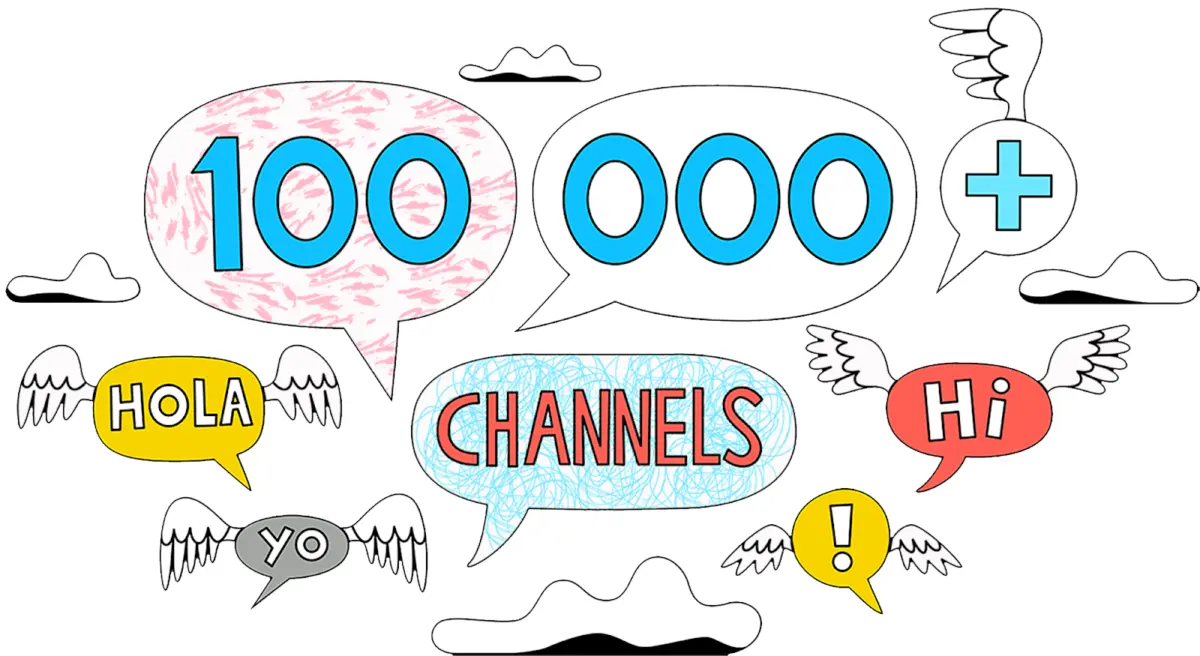
- Super Chat Adoption: Deployed across more than 100,000 channels, Super Chat has proven remarkably lucrative during live streams. Top-performing broadcasts have recorded viewer contributions exceeding $400 per minute as fans pay to have their messages highlighted. Building on this momentum, YouTube expanded Super Stickers to eligible creators across 60 global markets.
- The Rise of YouTube Stories: Micro-content formats have similarly driven channel discovery. Creators utilizing active Stories recorded an average subscriber growth increase of over eight percent compared to peers who abstained from the feature.
Navigating Brand Safety and "Edgy" Content
One of the most persistent economic challenges for creators has been the "yellow icon" phenomenon—the algorithmic flagging of videos that restricts advertising due to perceived controversial or sensitive themes. To mitigate lost revenue, YouTube launched an experimental matching program designed to pair advertisers comfortable with mature material (such as marketers promoting R-rated theatrical releases) with creators whose content aligns with those brands. The pilot program successfully injected hundreds of thousands of dollars into yellow-icon-flagged videos during its first month alone.

Furthermore, acknowledging the nuances of digital entertainment, YouTube announced imminent policy revisions designed to separate real-world violence from video game violence. While maintaining strict standards against genuine harm, the updated policies will ease restrictions on gaming content, offering much-needed relief to the Let’s Play and streaming communities.
Official Statements and Leadership Insights
Addressing the community directly, platform executives emphasized transparency regarding development methodologies and creator well-being.
Demystifying Product Development and Experimentation
Creators frequently express frustration over sudden UI changes, unexplained experiments, and platform alterations that appear to solve non-existent problems. Addressing this friction, leadership revealed the sheer scale of the platform’s engineering pipeline: over 2,500 distinct updates were pushed in a single year. Every significant feature undergoes rigorous multi-variant testing—often evaluating three or four iterations simultaneously—before public deployment. Leadership acknowledged past shortcomings in communication and pledged to provide clearer insights into why architectural tests are conducted and how they ultimately benefit the broader ecosystem.

Combating Creator Burnout: The Data on Taking Breaks
Mental health and chronic burnout have become central topics of discussion among top-tier digital creators, many of whom harbor deep-seated fears that stepping away from the camera will permanently tank their channel’s algorithmic visibility.
In response, YouTube’s product teams analyzed six years of platform data spanning millions of channels and various hiatus timeframes. The empirical findings offered comforting reassurance: on average, channels experienced higher view counts upon returning from a break than they did immediately before leaving. Leadership underscored that audiences ultimately tune in for the creator, validating the necessity of rest and personal recovery.
The Self-Certification Pilot and Regulatory Advocacy
To democratize policy enforcement, YouTube announced the expansion of its Self Certification pilot to hundreds of thousands of YouTube Partner Program (YPP) creators. This mechanism empowers creators to pre-rate their content against monetization guidelines. Accurate self-reporting builds algorithmic trust, grants creators granular control, and provides precise diagnostic feedback when monetization flags occur.

On the legislative front, executives detailed ongoing international advocacy efforts. Reflecting on discussions with global leaders—including New Zealand Prime Minister Jacinda Ardern, Washington D.C. legislators, and European regulators—leadership highlighted the critical importance of educating policymakers about the mechanics of the creator economy. Through sustained advocacy regarding Article 17 of the EU Copyright Directive, creator involvement successfully secured vital liability protections, demonstrating the tangible impact of grassroots digital lobbying.
Future Outlook: Looking Toward 2020 and Beyond
As the digital landscape transitions into a new decade, YouTube’s strategic roadmap points toward deeper integration of community-driven philanthropy, refined algorithmic self-regulation, and heightened compliance frameworks.
- Expansion of Philanthropic Tools: Buoyant from the monumental success of creator-led environmental initiatives like the #teamtrees challenge—which inspired widespread mobilization to plant 20 million trees—YouTube is graduating its native Donate button out of beta. Rolling out initially to thousands of U.S. creators before international expansion, this tool will allow seamless fundraising campaigns to be embedded directly into videos and live streams.
- Implementation of EU Copyright Laws: While foundational legislative victories were secured regarding Article 17, the coming years will require continuous monitoring as individual European nations draft and implement local statutory laws based on the directive. YouTube has committed to keeping creators informed and engaged throughout this localization process.
- Refinement of Safety and Harassment Guidelines: With ongoing policy updates addressing harassment, pranks, and challenges, the platform continues to consult with external civil rights experts, extremism researchers, and legal authorities. Rigorous pre-launch reviewer accuracy testing will remain a prerequisite before any new policy is formally enacted.
Ultimately, YouTube’s trajectory illustrates the trials of scaling the world’s largest video repository. By balancing automated governance with personalized creator advocacy, data-driven transparency with mental health awareness, and stringent regulatory compliance with economic opportunity, the platform aims to secure a sustainable future for the modern creative economy.








Belum ada komentar. Jadilah yang pertama berkomentar!