

Executive Overview
As 2019 drew to a close, YouTube found itself at a historic crossroads. The world’s dominant video-sharing platform was grappling with the dual pressures of explosive, global growth and mounting regulatory scrutiny. In an expansive year-end letter to the platform’s vast ecosystem of creators and artists, leadership underscored a delicate tightrope walk: preserving the radical openness that fueled its meteoric rise while aggressively implementing robust measures to protect community safety and regulatory compliance.
Data from the closing months of 2019 painted a picture of a booming digital economy. Channels boasting over one million subscribers experienced a remarkable 65% year-over-year surge, while creators pulling in five- or six-figure annual incomes grew by more than 40%. Yet, this prosperity existed in tension with complex systemic shifts. From sweeping copyright overhauls and the phasing out of the legacy "Classic Studio" to stringent new compliance guidelines driven by the U.S. Federal Trade Commission (FTC) and the European Union’s Article 17, the platform was undergoing a structural evolution.
This retrospective examines the critical developments of 2019—breaking down how YouTube navigated creator monetization, policy adjustments, mental health advocacy, and international regulatory battles that continue to shape the modern creator economy.
Detailed Chronology
The trajectory of YouTube throughout 2019 was defined by iterative updates, direct creator engagement, and reactive policy rollouts designed to mitigate friction across its global network.
Q1–Q2 2019: Confronting Copyright and Studio Transitions
Early in the year, the platform’s relationship with its creator base was strained by friction over copyright enforcement. Content creators continually voiced frustration regarding the aggressive manual claiming of brief, often unintentional, music clips embedded within monetized videos. Under previous enforcement structures, these claims frequently resulted in 100% of a video’s ad revenue being diverted to the copyright holder, irrespective of how negligible the sample was.
Simultaneously, product teams began laying the groundwork for a mandatory migration from the legacy Creator Studio to the modern YouTube Studio platform. Built on outdated infrastructure, the classic dashboard lacked the technological scalability required to roll out rapid bug fixes and user-requested features.
August 2019: The Pivot to Responsibility
In a notable departure from its standard quarterly format, YouTube’s leadership published an open letter in August dedicated entirely to the platform’s primary guiding principle: balancing openness with responsibility. Amid growing external skepticism regarding the viability of a completely open platform, management doubled down on its commitment to shield communities from harm without resorting to draconian censorship. This strategic shift laid the groundwork for subsequent policy updates targeting hate speech, digital pranks, and dangerous challenges.
Autumn 2019: Regulatory Pressures and COPPA Settlements
By late autumn, external legal and political forces began to profoundly reshape platform operations. Following a major investigation, YouTube reached a landmark settlement with the U.S. Federal Trade Commission (FTC) and the New York Attorney General concerning violations of the Children’s Online Privacy Protection Act (COPPA). This forced a rushed operational pivot: creators were required to explicitly designate whether their content was made for kids, preparing the ground for the deactivation of personalized advertising and comment sections on children’s media starting in January 2020.

Concurrently, European regulators advanced discussions surrounding the local implementation of Article 17 (formerly Article 13) of the EU Copyright Directive, prompting intensive lobbying and educational outreach from YouTube executives and creators alike.
Q4 2019: Global Outreach and the Year-End Summary
To close out the year, leadership embarked on global listening tours, engaging with high-profile and emerging creators in London, Washington, D.C., and across Europe. These summits addressed creator burnout, self-certification pilot expansions, and policy definitions surrounding gaming versus real-world violence. The year culminated in massive community-led philanthropic efforts, most notably the #TeamTrees campaign, which galvanized creators to plant 20 million trees by January 2020.
Supporting Context & Metrics
Financial Growth and Diversification
While traditional ad revenue remained the bedrock of the YouTube economy, 2019 marked a turning point in diversifying creator income streams. Engagement-driven features proved transformative for thousands of channels:
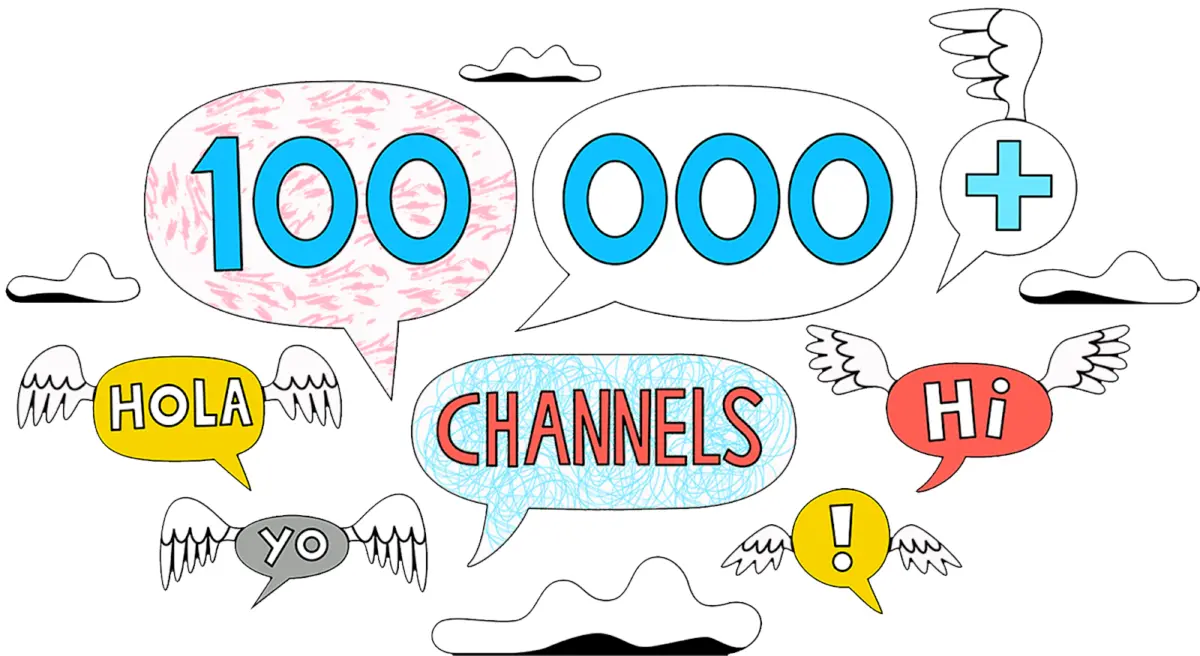
- Super Chat & Super Stickers: Over 100,000 channels successfully integrated Super Chat during live broadcasts, with select streams generating upwards of $400 per minute. This success spurred the international expansion of Super Stickers to eligible creators across 60 countries.
- Alternative Monetization: Channel Memberships and integrated merchandise shelves helped thousands of independent creators more than double their baseline platform revenues.
- YouTube Stories: Channels actively utilizing Stories experienced an average subscriber growth increase of over 8% compared to non-adopters, proving the format’s viability as a discovery tool.
- Bridging Content and Brands: An experimental program designed to match "edgy" content (such as videos bearing yellow monetization icons) with progressive brand marketers—like those promoting R-rated films—generated hundreds of thousands of dollars in its first month alone.
Platform Infrastructure: Over 2,500 Annual Updates
Refuting creator complaints about relentless, unexplained platform tweaks, internal metrics revealed the sheer scale of product development. In 2019 alone, YouTube deployed over 2,500 distinct platform updates. Every single feature release underwent rigorous multi-variant testing—often trialing three to four potential iterations—before public rollout to ensure optimal performance for both users and creators.

Official Statements
Addressing Creator Burnout
One of the most humanizing elements of YouTube’s late-2019 communications centered on the mental health and well-being of digital creators. Acknowledging widespread industry discussions regarding burnout and the psychological pressure to maintain constant upload schedules, leadership addressed the pervasive fear that taking a break would permanently damage a channel’s algorithmic standing.
Citing internal data compiled across six years and millions of channels, platform analysts delivered an encouraging verdict:
"Across millions of channels and hundreds of different time frames for breaks, the same thing was true: On average, channels had more views when they returned than they had right before they left. If you need to take some time off, your fans will understand. After all, they tune into your channel because of you."
Navigating Policy, Copyright, and Compliance
Addressing the meticulous nature of policy creation, management explained why systemic updates frequently face extended rollout timelines. Policy revisions—such as the modernization of hate speech guidelines and prank protocols—required months of cross-functional collaboration and external consultations with civil rights experts, free-speech advocates, and extremism researchers.

Furthermore, strict pre-implementation testing protocols were enforced. Reviewers were required to demonstrate high rating accuracy under new guidelines before policies went live, ensuring consistent enforcement across international borders and linguistic divides.
Regarding the sweeping regulatory changes of Article 17 in Europe, leadership emphasized the power of collective advocacy:
"Thanks to all of the creator involvement, we were able to make improvements to the legislation—in particular, securing liability protections when we make best efforts to match copyright material with rights owners. This change made a big difference and moved the copyright directive in a better direction for the internet and YouTube."
Future Outlook
As YouTube transitioned out of 2019, its strategic roadmap for the decade ahead crystallized around three core pillars: enhanced transparency, technical modernization, and climate-conscious philanthropy.

1. Technological and Administrative Transition
The definitive retirement of the Classic Creator Studio scheduled for early 2020 signaled a hard break with the past. By migrating all creators to the modern YouTube Studio, the platform aimed to build a sustainable technological foundation capable of supporting advanced real-time analytics, streamlined dashboard customization, and rapid feature deployment.
2. Expanding Self-Certification and Policy Nuance
To alleviate the friction of automated demonetization, YouTube committed to expanding its Self-Certification pilot program to hundreds of thousands of YouTube Partner Program (YPP) creators. By allowing creators to pre-report content compliance, the system learns to calibrate trust, granting creators greater autonomy while providing granular feedback on ad-suitability decisions. Additionally, impending policy updates promised to decouple gaming violence from real-world violence, easing restrictions on gaming content creators.
3. Regulatory Navigation and COPPA Adaptation
The looming implementation of COPPA-compliant audience settings in January 2020 represented an existential shift for children’s content creators. While acknowledging the disruption caused by disabling personalized ads and community features on kids’ media, leadership pledged ongoing educational outreach to help creators adapt. Simultaneously, the platform prepared for multi-year national implementations of Article 17 across European Union member states.
4. Philanthropy as a Community Pillar
Culminating the year with the widespread adoption of the #TeamTrees initiative—highlighted by high-profile collaborations featuring creators like MrBeast and Mark Rober—YouTube announced the wider rollout of its native Donate button. Coming out of beta testing in the U.S. and slated for international expansion, the tool empowers creators to embed certified fundraising campaigns directly into their videos and live streams.

Ultimately, YouTube’s 2019 retrospective proved that while the platform faced unprecedented regulatory crosswinds and community growing pains, its foundational belief in the creator economy remained resolute. By marrying corporate accountability with grassroots digital entrepreneurship, the platform positioned itself to weather the complexities of the digital age.







Belum ada komentar. Jadilah yang pertama berkomentar!