

Executive Overview
Apple is preparing for one of the most consequential product launch events in its modern corporate history this September. Early code insights pulled from the macOS Tahoe beta have inadvertently unveiled a hardware roadmap that breaks sharply from tradition. The upcoming keynote will not merely serve as a routine seasonal refresh; it represents a fundamental restructuring of Apple’s flagship tier, the integration of visual intelligence into everyday wearables, and a strategic pivot toward a deeply interconnected smart home ecosystem.
Compounding the technological significance of this event is a monumental leadership transition. For the first time in over a decade, the keynote will be helmed by John Turnis as Apple’s new Chief Executive Officer. Turnis steps into the role at a critical juncture, tasked with steering the tech giant through a landscape defined by aggressive competition, escalating component costs, and persistent global silicon constraints.
While the headline-grabbing introduction of the ultra-premium "iPhone Ultra"—with a rumored starting price exceeding $2,000—demonstrates Apple’s aggressive pursuit of high-margin innovation, it also introduces substantial commercial risks. Questions surrounding device durability, cost-justification in a strained economic climate, and supply chain bottlenecks threaten to complicate what should otherwise be a triumphant autumn rollout.
Detailed Chronology of the September Lineup
The leaks and beta code strings point to a multi-tiered launch strategy designed to cater to divergent consumer segments, ranging from ultra-luxury tech enthusiasts to cost-conscious buyers seeking reliable performance.
1. The iPhone Ultra: Pushing the Envelope of Mobile Technology
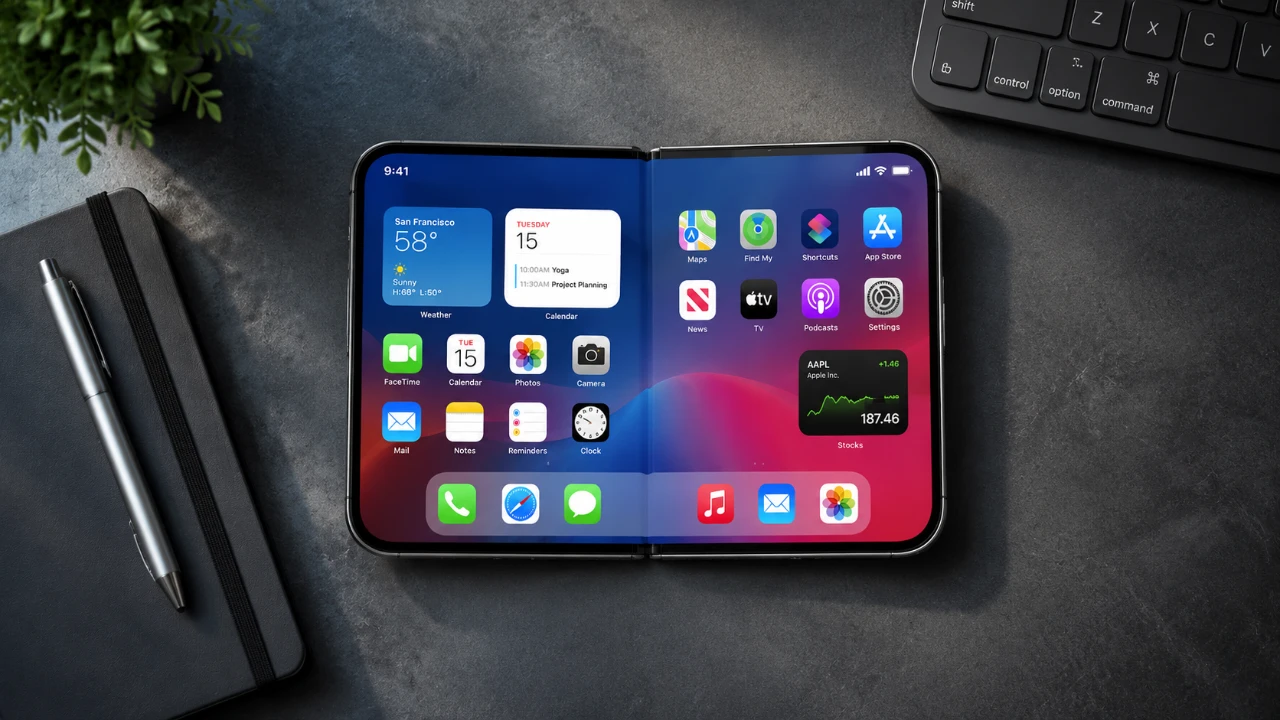
Positioned above the traditional Pro Max tier, the iPhone Ultra is poised to become Apple’s most ambitious—and expensive—handset to date. With pricing expected to clear the $2,000 threshold, the Ultra is rumored to incorporate a revolutionary variable aperture camera system. This hardware addition will bridge the gap between pocket-sized convenience and professional-grade cinematography, allowing users to manually control depth of field and light intake in real time.
Beyond optics, the Ultra is rumored to feature advanced multitasking capabilities, optimized by next-generation silicon architecture designed to handle heavy localized AI workloads. However, the device’s extreme price tag places an immense burden of expectation on Apple. Consumers paying upwards of two grand will demand uncompromising build quality, enhanced drop-and-scratch resistance, and guaranteed multi-year software longevity.
2. iPhone 18 Pro and Pro Max: Iterative Refinement
For users who find the Ultra’s price point prohibitive, Apple will maintain its more traditional flagship offerings with the iPhone 18 Pro and Pro Max. According to supply chain trackers, these models will feature targeted hardware enhancements, refreshed color options, and internal thermal management upgrades.
Rather than introducing radical re-designs, the Pro and Pro Max lines will rely on iterative refinement to sustain consumer interest. Furthermore, due to ongoing silicon shortages, industry analysts anticipate a staggered hardware rollout, with the Pro Max and Ultra models potentially arriving weeks after the initial wave of devices to ensure manageable inventory levels.
3. AirPods Pro: Merging Audio with Visual Intelligence
Perhaps the most surprising leak from the recent beta builds centers on the next-generation AirPods Pro. Apple is reportedly integrating micro-cameras and advanced "visual intelligence" sensors directly into the wireless earbuds.
This hardware configuration is designed to feed real-world visual data into an expanded Siri AI engine, enabling features such as instant object recognition, environmental translation, and contextual awareness. By merging spatial audio technology with visual data capture, Apple is transforming the AirPods from a passive audio accessory into an active, wearable computing node.
4. The Smart Home Ecosystem: HomePods and the Home Hub
Apple’s connected home strategy is also receiving a major overhaul. Updated HomePod models are slated for release, featuring enhanced Siri processing power and new colorways. More importantly, leaks suggest the debut of a dedicated "HomePod Hub"—a centralized hardware control point designed to anchor Apple’s HomeKit and Matter-compatible device network.
Concurrently, rumors persist regarding the introduction of a second-generation "iPhone Air," a lightweight, streamlined handset intended to offer a sleeker form factor and a more accessible price point for mainstream buyers.
Supporting Context & Metrics
To fully understand the weight of Apple’s September event, one must examine the macroeconomic and industrial forces shaping the consumer electronics market.
- The Premium Pricing Paradox: By introducing a $2,000+ smartphone tier, Apple is testing the absolute ceiling of consumer price elasticity. While high-income demographics have historically proven resilient to inflation, the broader macroeconomic climate remains cautious. Apple must convince buyers that the Ultra’s variable aperture optics and advanced processing justify a cost higher than many modern laptop computers.
- The Silicon Supply Chain: Global foundry constraints continue to impact semiconductor yields. The production of the rumored 2nm-class chips required for the iPhone Ultra and Pro lineups demands extreme precision, making production bottlenecks a distinct possibility. A staggered launch schedule may be necessary to mitigate fulfillment delays.
- The Wearables Market Expansion: With the integration of visual intelligence into AirPods Pro, Apple is attempting to capture a larger share of the emerging smart-wearables market. Analysts project that context-aware AI wearables will represent a multi-billion-dollar growth vector over the next five years, provided privacy concerns regarding camera-equipped accessories can be effectively managed.
- Smart Home Penetration: Despite the popularity of the iPhone, Apple’s HomeKit has historically lagged behind Amazon Alexa and Google Home in terms of total market share. The introduction of a dedicated HomePod Hub is a direct strategic countermeasure designed to capture household dominance through localized, privacy-focused automation.
Strategic Analysis: Navigating Industry Headwinds
Apple’s product pipeline reveals a dual-track strategy: pushing technological boundaries at the absolute high-end while safeguarding its core volume drivers with iterative updates. Yet, executing this strategy requires navigating three major operational hurdles:
- Consumer Confidence and Durability: When a device costs as much as a used car, consumers expect military-grade durability. Apple’s engineering teams must prove that the Ultra’s complex moving parts—such as the rumored variable aperture mechanism—can withstand daily wear and tear without compromising water and dust resistance.
- Ecosystem Synergy and Developer Support: The success of features like visual intelligence in AirPods and advanced AI multitasking on the iPhone Ultra relies heavily on third-party developer adoption. Apple must provide developers with robust APIs well ahead of the commercial release to ensure a rich ecosystem of optimized apps is available on day one.
- The Turnis Doctrine: As John Turnis takes the reins as CEO, his early strategic decisions will be scrutinized by Wall Street. Turnis has long been associated with operational excellence, and his ability to streamline supply chains while preserving Apple’s design-first ethos will be put to the test immediately.
Future Outlook
As invitations for the September event go out, the tech world stands at a crossroads. The unveiling of the iPhone Ultra, the camera-equipped AirPods Pro, and the expanded smart home hardware will set the technological agenda for the remainder of the decade.
If Apple successfully balances its drive for high-margin innovation with practical consumer demands for durability and value, the company will solidify its dominance in the premium tech sector. However, missteps in pricing, supply chain execution, or software stability under new leadership could open the door for competitors eager to challenge Apple’s crown.
The autumn season will not only showcase Apple’s latest engineering triumphs; it will define the opening chapter of the post-Tim Cook era, testing whether Apple can continue to reinvent the way humanity interacts with personal technology.








Belum ada komentar. Jadilah yang pertama berkomentar!