

Executive Overview
For discerning culinary travelers navigating the bustling urban sprawl of Japan’s Aichi Prefecture, Nagoya stands as an undisputed mecca of regional gastronomy. Famed for its bold, unapologetic flavors, the city boasts an array of iconic culinary staples, ranging from crispy tempura shrimp rice balls (tenmusu) and rich, umami-laden dark red miso (hatcho miso) to a legendary, deeply comforting morning breakfast culture. Yet, among these localized masterpieces, one noodle dish reigns supreme as the quintessential representative of the city’s palate: kishimen.
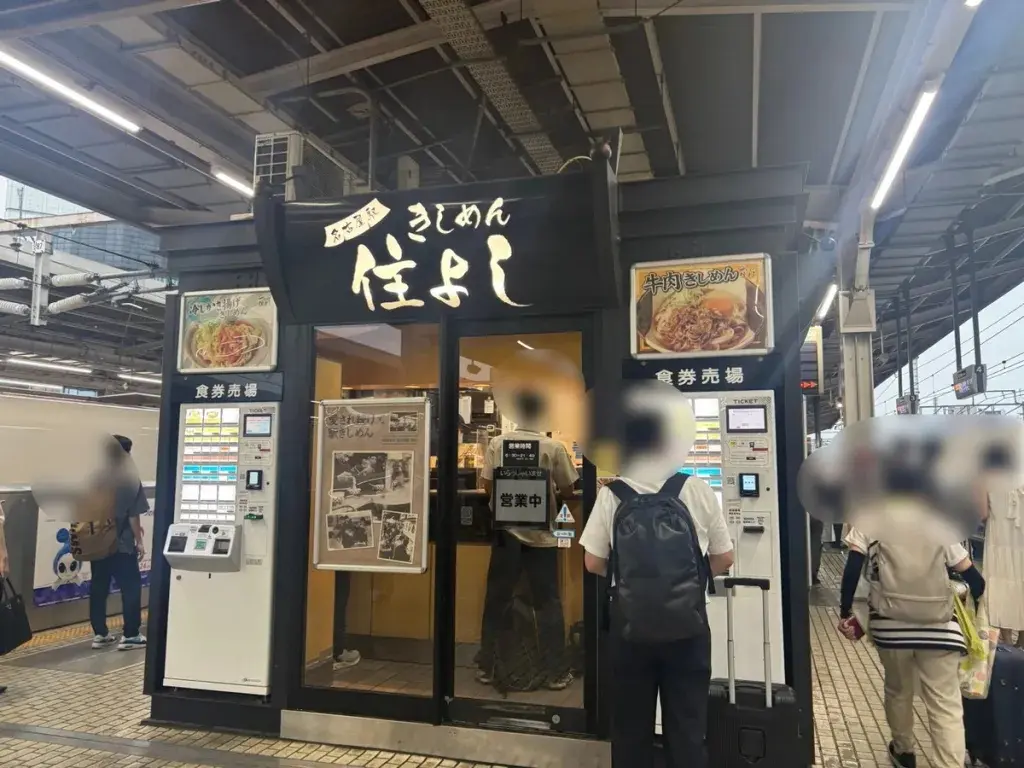
Characterized by its distinctively broad, flat profile and served in a deeply aromatic, soy sauce-based dashi broth, kishimen is woven tightly into the cultural fabric of Nagoya Station. For decades, travelers passing through the transit hub have formed notoriously long queues outside Sumiyoshi, a celebrated stand-and-eat kishimen institution located on the Shinkansen bullet train platform. The enduring popularity of this specific kiosk has transformed it into a mandatory pilgrimage site for food tourists across Japan.
However, a recent investigative culinary foray through the labyrinthine corridors of Nagoya Station has uncovered a well-kept secret that upends conventional tourist wisdom. While thousands of passengers continue to crowd the Shinkansen platform, enduring lengthy waits for a bowl of these coveted noodles, Sumiyoshi quietly operates three additional branches situated on non-Shinkansen conventional rail platforms.
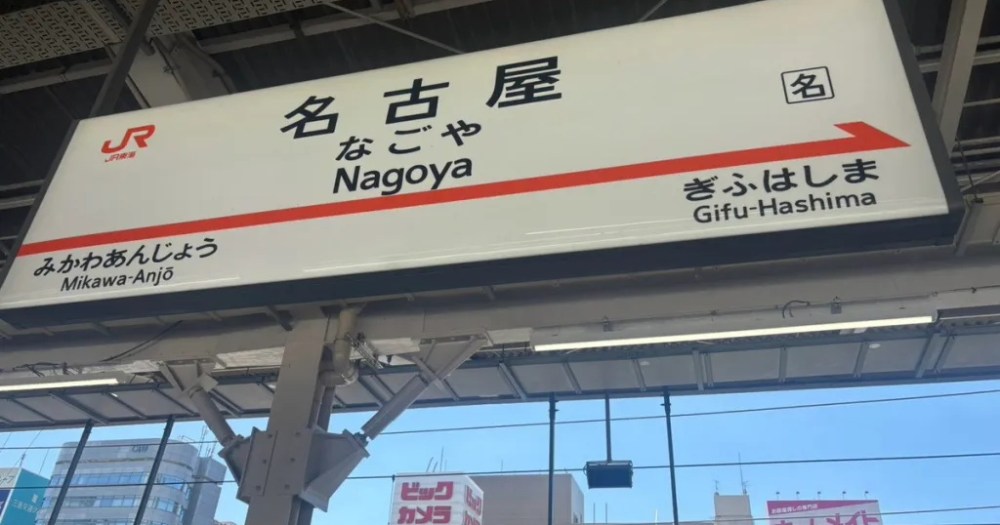
These alternative locations offer savvy travelers a two-fold advantage: virtually nonexistent wait times and an exclusive, highly cost-effective menu item known as the "One-coin Kishimen." Priced at just 500 yen (approximately $3.15 USD)—matching the highest denomination of Japanese currency—this exclusive bowl delivers a full-sized serving of authentic kishimen complete with a generous array of premium toppings. Dispelling common assumptions that lower prices correlate with diminished quality, staff confirmations and rigorous taste tests reveal that every branch executes the exact same time-honored recipe. This report provides an exhaustive examination of Sumiyoshi’s station-wide ecosystem, detailing how travelers can bypass the queues, maximize their dining budget, and experience authentic Nagoya comfort food at its absolute finest.
Detailed Chronology: The Discovery of Nagoya Station’s Alternative Platforms
The genesis of this culinary revelation began on a standard weekday afternoon during a routine transit stop at JR Nagoya Station. For most travelers rushing between regional lines and high-speed rail connections, time is at a premium, and the sensory allure of dashi broth drifting across the platforms acts as an irresistible magnetic pull.
The Shinkansen Platform Bottleneck
Historically, public consciousness regarding Sumiyoshi has been overwhelmingly tethered to its Shinkansen platform outpost. Positioned strategically to capture passengers transitioning between high-speed trains, this specific kiosk has long suffered from chronic congestion. On the afternoon in question, the Shinkansen branch was exhibiting its typical operational bottleneck: a tightly packed, orderly queue extending well past the ordering window, forcing hungry commuters to weigh their strict train departure schedules against their craving for noodles.
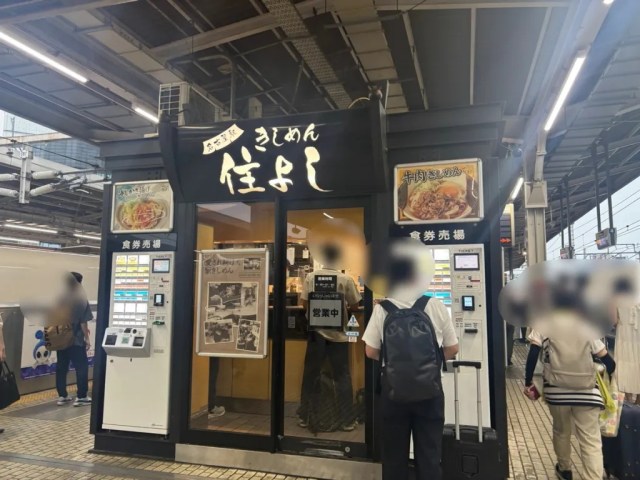
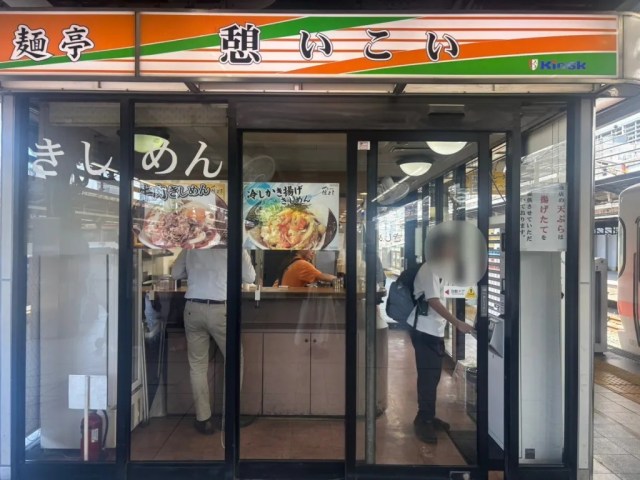
Faced with an unappealing wait time that threatened to disrupt onward travel plans, reporters embarked on a spontaneous exploration of the station’s broader platform architecture. Nagoya Station, a colossal multi-level transit nexus, houses numerous platforms catering to local and rapid transit lines. While mapping the station’s inner transit capillaries, researchers stumbled upon an unexpected sight: another Sumiyoshi kiosk operating with absolute operational efficiency on the Line 5/6 conventional platform.
The Seamless Transition to Line 5/6
Unlike its high-speed counterpart upstairs, the Line 5/6 platform branch presented a starkly contrasting scene. During the exact same peak afternoon hours when the Shinkansen kiosk was overwhelmed, patrons could walk directly up to the counter without encountering a single person in line.
This frictionless entry point immediately raised critical questions regarding operational parity. Were these non-Shinkansen branches merely secondary operations designed to handle overflow, or did they offer a distinct menu tailored to local commuters rather than transient tourists? Further investigation revealed that Sumiyoshi maintains a total of three conventional-line kiosks—situated across the Line 1/2, Line 3/4, and Line 5/6 platforms—each remaining largely overlooked by the mainstream tourist guides that relentlessly funnel visitors exclusively toward the Shinkansen tracks.
Supporting Context & Metrics: Decoding the "One-Coin" Phenomenon
To fully appreciate the significance of the conventional-line discovery, one must examine the pricing architecture and economic metrics governing Sumiyoshi’s menu options. In Japan’s culinary lexicon, the term "one coin" (wan koin) holds a special cultural resonance. It denotes an item priced at precisely 500 yen—the maximum monetary value represented by a single Japanese coin (the 500-yen metal piece). In an era marked by rising inflation and escalating dining costs across urban transit hubs, finding a satisfying, high-quality meal for a single coin is an increasingly rare achievement.
Price-to-Value Analysis
At standard Sumiyoshi locations, including the famous Shinkansen platform, a basic bowl of plain kishimen (featuring minimal toppings) starts at 450 yen. However, upgrading that bowl to include substantial proteins or specialty garnishes quickly drives prices upward. Most loaded variations easily clear the 700-yen threshold.
By contrast, the One-coin Kishimen, available exclusively at the non-Shinkansen platform branches, redefines the station’s value proposition. For a flat 500-yen fee, diners receive a comprehensive bowl that defies standard budget-meal expectations.
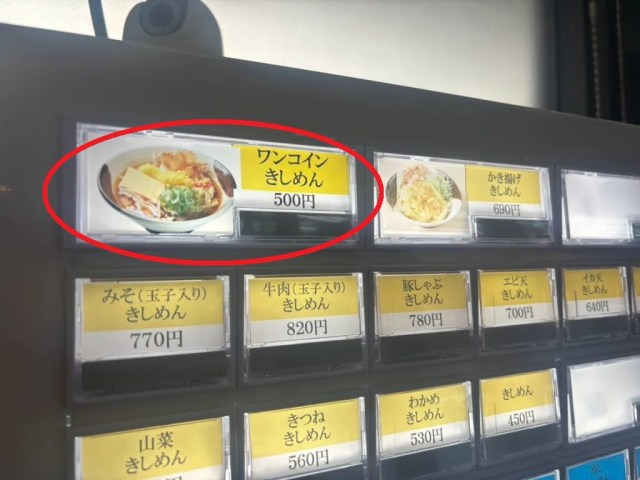
[Standard Shinkansen Kishimen]  --> High Traffic / Longer Waits --> Higher Add-on Pricing (¥700+)
[Conventional Line Kishimen]    --> Zero Wait Times          --> Exclusive "One-coin" Value (¥500)
Anatomical Breakdown of the One-Coin Bowl
Skeptics might reasonably assume that a 500-yen loaded bowl must inevitably compromise on portion size, ingredient quality, or structural integrity. A forensic examination of the dish thoroughly dismantles these assumptions:
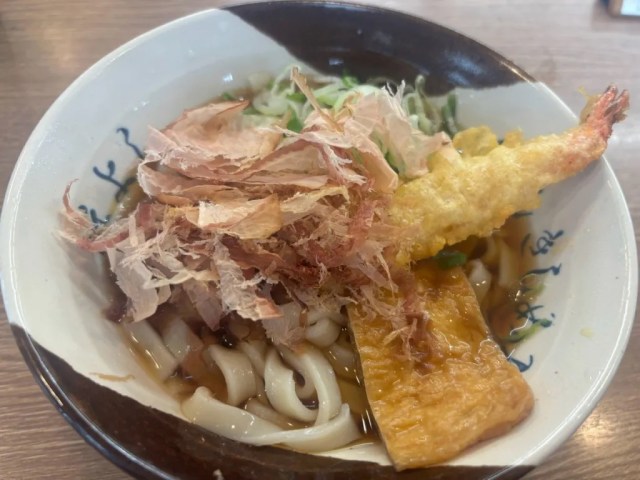
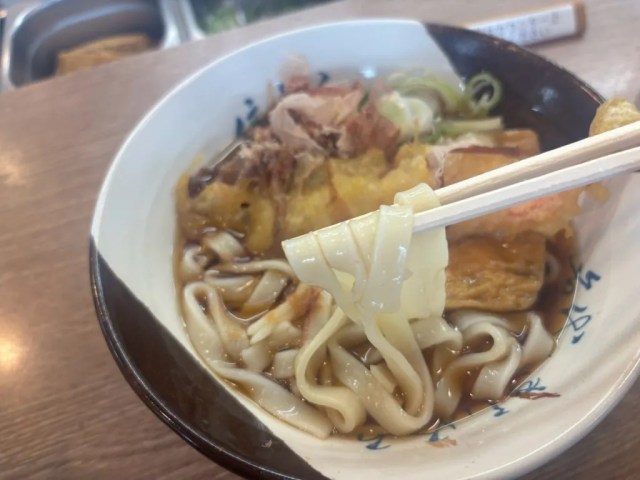
- The Noodles: A completely uncompromised, full-sized portion of flat, broad kishimen noodles. There is no reduction in mass or carbohydrate volume to offset the cost of the accompanying ingredients.
- Tempura Shrimp: A well-sized, expertly battered piece of shrimp tempura that adds a rich, savory oiliness to the broth as it steeps.
- Aburaage: Deep-fried tofu pouches simmered in a sweet-and-savory soy reduction, providing a classic regional flavor profile that absorbs the surrounding dashi.
- Katsuobushi: A generous snowfall of dried bonito flakes that dance and writhe atop the piping-hot broth, infusing the soup with an immediate surge of deep, oceanic umami.
- Green Onions: Finely sliced scallions that offer a sharp, aromatic crunch to balance the heavier elements of the dish.
When evaluated against its component parts, the One-coin Kishimen offers an astonishing cost-to-benefit ratio, delivering complex textures and authentic local flavors at a price point traditionally reserved for plain, unadorned instant noodles.
Official Statements & Methodological Verification
To maintain rigorous journalistic integrity, investigators sought clarification directly from the culinary personnel operating the counters. Addressing the lingering suspicion that lower prices at the conventional-line kiosks might be subsidized by inferior raw materials or altered preparation techniques, direct inquiries were made to the kitchen staff.
The Recipe Consistency Standard
When asked whether the broth, noodle hydration process, or sourcing differed between the Shinkansen and conventional platforms, the response from the staff was unequivocal: Every single Sumiyoshi branch inside Nagoya Station adheres to the exact same standardized recipe and preparation methodology.
The dashi stock is brewed using identical proportions of dried bonito and soy sauce bases, ensuring the signature depth of flavor remains uncompromised. The noodles are sourced from the same regional suppliers, maintaining the characteristic silky smoothness and al dente chew that define authentic kishimen.
Taste-Test Validation
To empirically verify the staff’s assertions, a blind-style comparative evaluation was executed. Having previously documented the flavor profile of the Shinkansen platform kishimen, investigators consumed a bowl of the One-coin Kishimen at the Line 5/6 platform.
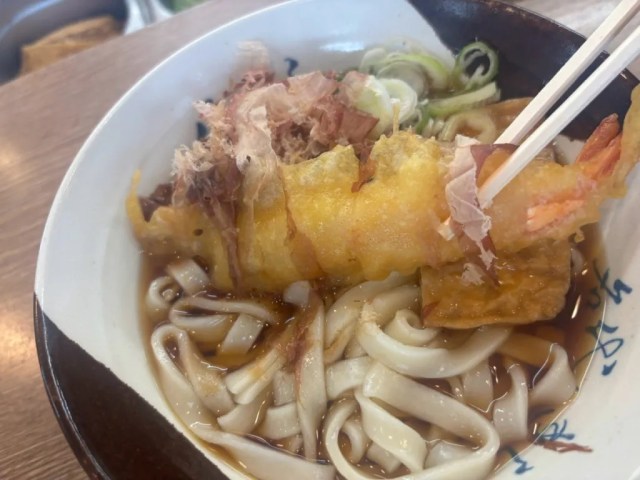
The sensory verdict was instantaneous and absolute. The broth delivered the exact same robust, smoky umami backbone; the broad noodles possessed the identical silky glide across the palate; and the interaction between the melting katsuobushi and the warming dashi matched the high culinary standards established by the tourist-heavy flagship location. The lower price point was determined to be a strategic operational choice—likely designed to cater to daily local commuters and regional travelers—rather than a reflection of diminished culinary quality.
Future Outlook & Traveler Recommendations
As regional tourism across Japan continues to surge to unprecedented post-pandemic levels, major transit hubs like Nagoya Station are experiencing severe infrastructural strain. Popular food spots frequently find themselves overwhelmed by viral social media attention, creating bottlenecks that test the patience of travelers and locals alike.
Strategic Recommendations for Culinary Tourists
For travelers planning a gastronomic expedition through Nagoya, the insights gathered from Sumiyoshi’s multi-platform operations offer a masterclass in efficient travel hacking:
- Audit Your Platform Access: Before automatically ascending to the Shinkansen boarding level in search of food, check your rail ticket or station map. If you are arriving or departing via regional JR conventional lines, explore Platforms 1/2, 3/4, or 5/6.
- Prioritize Value and Speed: Choosing the conventional-line kiosks not only guarantees zero wait times during off-peak and standard hours but also unlocks access to the exclusive 500-yen One-coin Kishimen, freeing up precious travel funds for other regional delicacies.
- Expand the Itinerary: Culinary exploration in Nagoya does not end at the train station. Once nourished by a bowl of kishimen, travelers can venture further into the city to explore complementary local treats—such as Krispy Kreme Japan’s exclusive Nagoya-only doughnut releases, which offer a sweet counterpoint to the savory depth of station noodles.
By looking beyond the obvious tourist pathways and embracing the hidden operational layout of Nagoya Station, visitors can transform a standard transit meal into an authentic, efficient, and budget-conscious culinary triumph.







Belum ada komentar. Jadilah yang pertama berkomentar!