

Executive Overview
What began as an eccentric public nuisance has rapidly evolved into a pressing environmental and public safety concern in western Japan. Throughout the month of August, park rangers, maintenance crews, and local authorities across Tottori Prefecture have been baffled by a recurring and inexplicable phenomenon: the systematic, large-scale dumping of unwrapped bread and raw meat along scenic roadways, public parking lots, and pristine coastlines.
Initially reported as isolated debris in the majestic landscapes of Daisen-Oki National Park, the occurrences quickly escalated into a multi-site mystery. Over a compressed window of several days, workers recovered dozens of loaves of fresh bread alongside raw poultry products, totaling nearly 40 kilograms of discarded food waste. Far from being a harmless prank, the illicit dumping ground sits dangerously close to habitats known for active wildlife populations, including Asiatic black bears. With human-wildlife conflicts on the rise across Japan, local law enforcement has elevated patrols and launched an active investigation to unmask the perpetrator before this bizarre littering campaign precipitates a ecological or vehicular disaster.
Detailed Chronology of the Incidents
The timeline of the Tottori Prefecture food-dumping phenomenon reveals a deliberate, repetitive pattern that rules out accidental cargo spills or routine commercial waste management failures.
The Initial Discovery at Daisen-Oki National Park
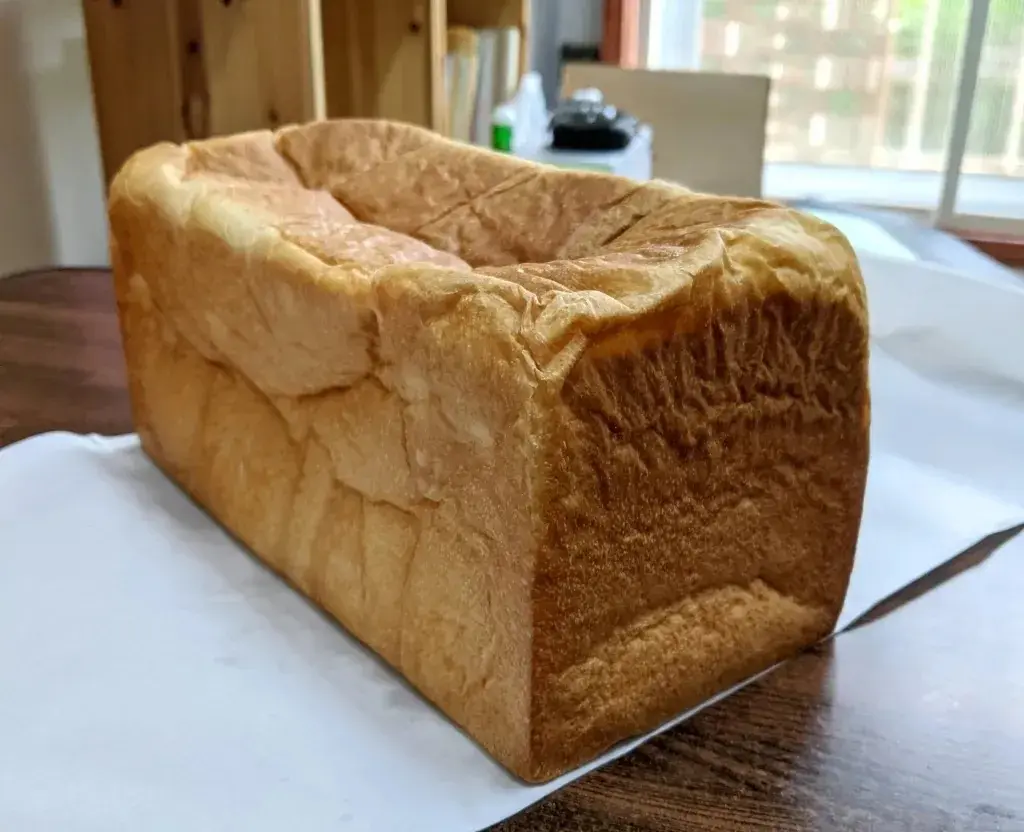
The saga began on August 14, when workers from the National Parks Foundation were conducting routine maintenance along a prominent roadway cutting through Daisen-Oki National Park—a federally protected sanctuary renowned for its lush forests, rugged peaks, and rich biodiversity. Spanning a 150-meter (492-foot) stretch of tarmac, workers stumbled upon 30 distinct loaves of bread.
Initial assumptions of a vehicular mishap—such as a delivery truck losing unsecured cargo—were immediately dismissed upon closer inspection. The loaves were entirely unwrapped, casting doubt on their provenance as retail-bound inventory meant for supermarket shelves. Furthermore, the sheer distribution of the items indicated they had been intentionally placed or thrown from passing vehicles.
Escalation and Expansion: A Relentless Pattern
Rather than an isolated occurrence, the August 14 discovery served as the opening salvo in a baffling campaign. Maintenance crews returned to the same roadway on subsequent days only to find fresh caches of discarded baked goods. Similar discoveries were logged on August 15, August 16, and again on August 20.
The repetition transformed the investigation from a one-off cleanup operation into a systematic hunt for a serial litterer. Compounding the strangeness of the case, park workers on August 19 discovered an additional 1.3 kilograms of raw chicken livers and gizzards strewn along the very same road.
The Coastline Spills
As if the mountain incidents were not perplexing enough, the geographic scope of the dumping expanded. Residents and visitors along Tottori’s picturesque Hakuto Coastline—located roughly a one-hour drive from Daisen-Oki National Park—began reporting similar discoveries. Throughout the month, bewildered beachgoers and motorists found loaves of bread abandoned directly on sandy shores and scattered across public coastal parking lots. The simultaneous appearance of food waste in both alpine and coastal environments suggests either a coordinated effort by a single individual or group, or a localized contagion of bizarre copycat behavior.
Supporting Context & Metrics: Quantifying the Waste
To fully comprehend the scale of the operation, authorities have compiled precise quantitative data regarding the recovered materials. The numbers underscore the impossibility of dismissing these events as minor littering infractions.
- Total Bread Recovered: Over the primary four-day spike in Daisen-Oki National Park alone, maintenance crews collected a staggering 80 loaves of bread.
- Aggregate Weight: The combined weight of the recovered bakery and butcher waste totals approximately 40.3 kilograms (nearly 89 pounds).
- Geographic Spread: The debris field in the national park was concentrated along a highly specific 150-meter corridor, while secondary sites spanned coastal regions over 50 kilometers away.
- Composition: Unlike bakery discard bins, which typically contain misshapen, burnt, or structurally compromised products unfit for sale, the abandoned loaves showed no obvious signs of manufacturing defects. They appeared to be standard, consumable products. The inclusion of raw poultry offal (livers and gizzards) further complicates the material profile, shifting the classification of the waste from simple bakery surplus to a biohazard concern.
| Date Range | Location | Items Recovered | Approximate Weight |
|---|---|---|---|
| August 14 | Daisen-Oki National Park | 30 loaves of bread | ~15 kg |
| August 15–16 | Daisen-Oki National Park | Additional loaves | ~15 kg |
| August 19 | Daisen-Oki National Park | 1.3 kg raw chicken livers/gizzards | 1.3 kg |
| August 20 | Daisen-Oki National Park | Final major batch of loaves | ~9 kg |
| Mid-August | Hakuto Coastline | Scattered loaves (beaches/parking lots) | Variable |
Official Statements and Environmental Concerns
While internet commentators might draw superficial parallels to fairy tales—such as Hansel and Gretel leaving breadcrumbs to navigate an enchanted forest—environmental scientists, park administrators, and municipal authorities are treating the situation with absolute gravity.
Sanitation and Environmental Degradation
Left unchecked in natural ecosystems, massive quantities of processed human food and raw meat undergo rapid decomposition. In the humid summer climate of western Japan, rotting food attracts swarms of insects, fosters bacterial and fungal growth, and creates an unsightly, foul-smelling nuisance that degrades the pristine aesthetic of a national park and major tourist coastline. More critically, the introduction of foreign organic matter disrupts local soil chemistry and micro-ecosystems.
The Wildlife Attractant Crisis: Bears on the Move
The most alarming aspect of the dumping is its potential to alter the behavior of native wildlife. National parks and coastal regions in Japan are home to diverse fauna, including wild boars, foxes, and crucially, Asiatic black bears.
In recent years, Japan has grappled with an unprecedented surge in human-bear encounters and urban incursions. Hungry bears, driven down from mountain forests by shifting foraging patterns and environmental pressures, are increasingly drawn to human settlements by the scent of high-calorie, sweet, or savory foods.
Park officials noted with deep concern that recent bear sightings have been documented in the immediate vicinity of the Daisen-Oki bread-dumping sites. By scattering carbohydrates and raw animal proteins along roadways, the perpetrator is essentially creating an artificial feeding station. This practice trains wild animals to associate roads and human infrastructure with accessible, high-energy meals.
The cascading risks of this wildlife conditioning are severe:
- Vehicular Collisions: Animals drawn to roadsides are at a drastically elevated risk of being struck by passing automobiles, endangering both the wildlife and motorists who may lose control after swerving to avoid an animal.
- Aggressive Encounters: Bears and other omnivores fed near roadways lose their natural fear of humans, heightening the probability of dangerous close-range encounters with hikers, park staff, and local residents.
- Euthanasia Outcomes: Wildlife management protocols in Japan often necessitate the capture and euthanasia of habituated animals that repeatedly venture into human zones, meaning the reckless actions of a litterer could ultimately result in the death of local wildlife.
Future Outlook and Ongoing Investigation
As August draws to a close, the perpetrators behind Tottori’s bread mystery remain at large, but the net is tightening.
In response to the escalating threat, local police departments and prefectural authorities have significantly increased patrols across both Daisen-Oki National Park and the Hakuto Coastline. Law enforcement is actively reviewing traffic camera footage, interviewing local businesses, and analyzing the specific brands and packaging styles of the bread to trace their supply chain. Furthermore, authorities are exploring whether the incidents violate Japan’s Waste Management and Public Cleansing Act, which carries stringent penalties for illegal dumping, particularly within protected national parks.
Park administrators have issued stern public warnings, urging citizens to report any suspicious vehicular activity in remote areas and reminding the public that feeding wildlife—whether intentional or de facto through irresponsible waste disposal—poses a direct threat to community safety.
Whether this bizarre spree is the result of a misguided psychological compulsion, a bizarre cult ritual, or an unhinged form of protest remains to be seen. What is certain, however, is that as long as the bread keeps appearing, the authorities will remain vigilant, determined to put a permanent stop to an ecological game of Hansel and Gretel that has gone dangerously off script.









Belum ada komentar. Jadilah yang pertama berkomentar!