

Executive Overview
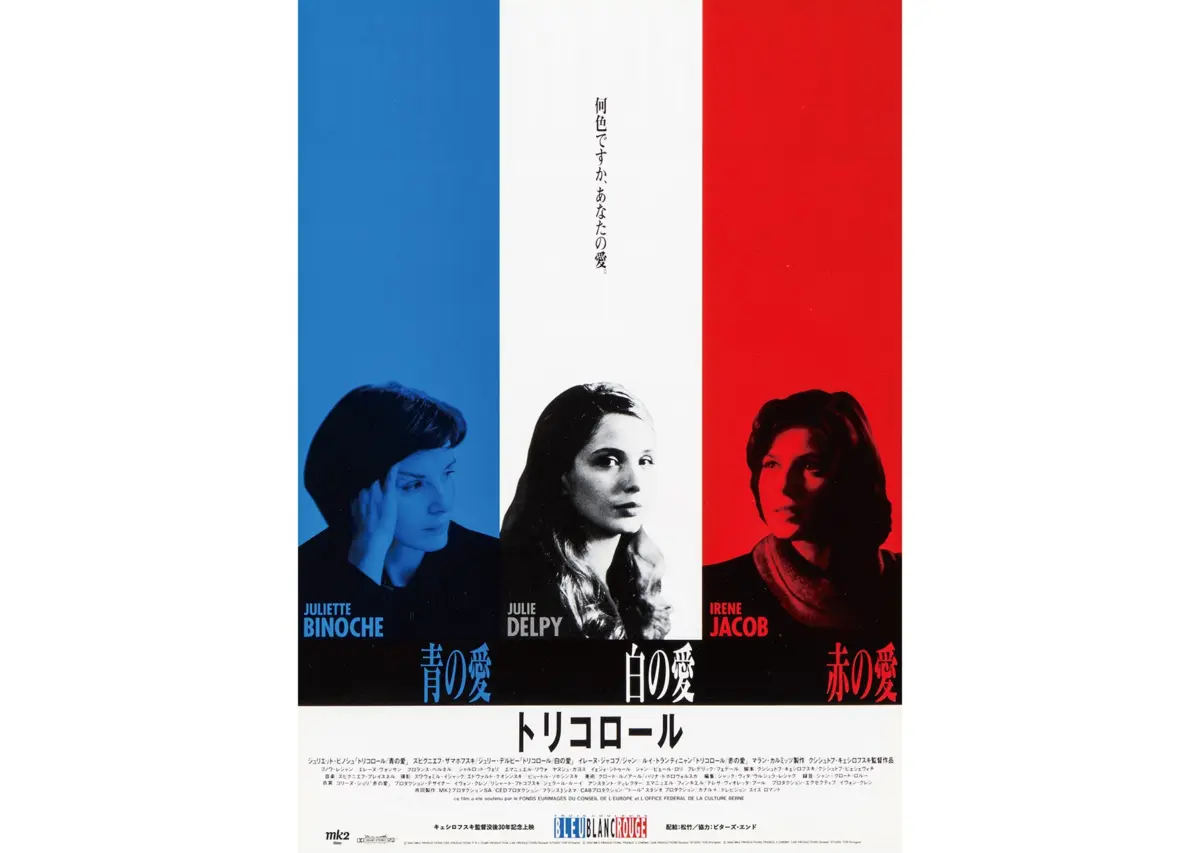
Thirty years after the cinematic world was forever altered by the visionary genius of Polish auteur Krzysztof Kieślowski, film enthusiasts and cinephiles are being granted a rare, breathtaking opportunity. To mark the third decade since the trilogy’s completion and the monumental loss of its director, a special retrospective screening of The Three Colours Trilogy (Blue, White, and Red) is scheduled to run from October 30 at Bunkamura Le Cinema.
What makes this theatrical event uniquely extraordinary is the medium: all three masterworks will be projected exclusively from vintage 35mm film prints. In an era dominated by sleek, digital projections and pristine yet often sterile high-definition streaming formats, this retrospective invites audiences back into the warm, tactile, grain-rich environment of authentic celluloid. It is more than a mere anniversary screening; it is a sensory pilgrimage back to the golden age of European art-house cinema, reminding contemporary viewers of the profound emotional resonance and visual poetry that only physical film can deliver.
Detailed Chronology: The Genesis, Masterpieces, and Legacy
The Path to Masterpiece Status: Kieślowski Before Tricolor
To truly understand the weight of the Three Colours trilogy, one must retrace Krzysztof Kieślowski’s artistic evolution. Beginning his career in the 1970s within the Polish Documentary School, Kieślowski honed a hyper-observational, deeply empathetic style. He focused on the mundane yet revealing realities of everyday life under communist rule in Poland, gradually transitioning into dramatic features in the late 1970s and 1980s.
Films like Blind Chance (1981) and his monumental television decalogue, The Dekalog (1988–1989), established him globally as a moral philosopher operating under the guise of a filmmaker. His works interrogated human agency, ethics, and the invisible threads of fate.
When the Iron Curtain fell, Kieślowski’s career expanded onto the international stage. Financed largely by French and Swiss production entities, the Three Colours trilogy represented the culmination of his artistic maturity. Tragically, it also marked his swan song: shortly after completing Red (1994) and announcing his retirement from filmmaking, Kieślowski passed away in March 1996 at the age of 54, leaving behind an immortal cinematic legacy.
The Trilogy: Liberty, Equality, Fraternity
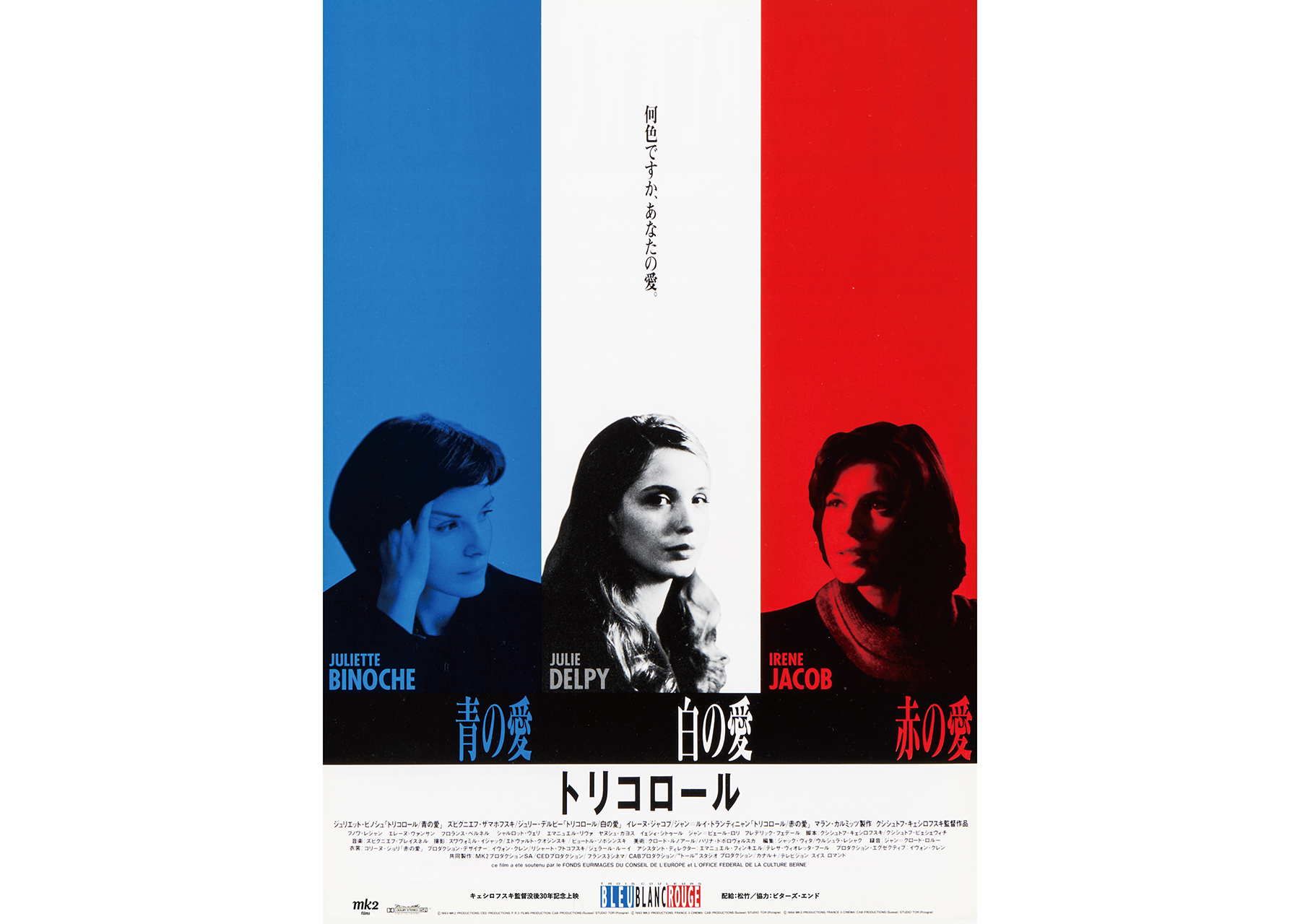
Loosely structured around the ideals of the French Revolution—liberty, equality, and fraternity—and the colors of the French flag, the trilogy operates both as three distinct, self-contained narratives and as a unified, symphonic masterpiece.
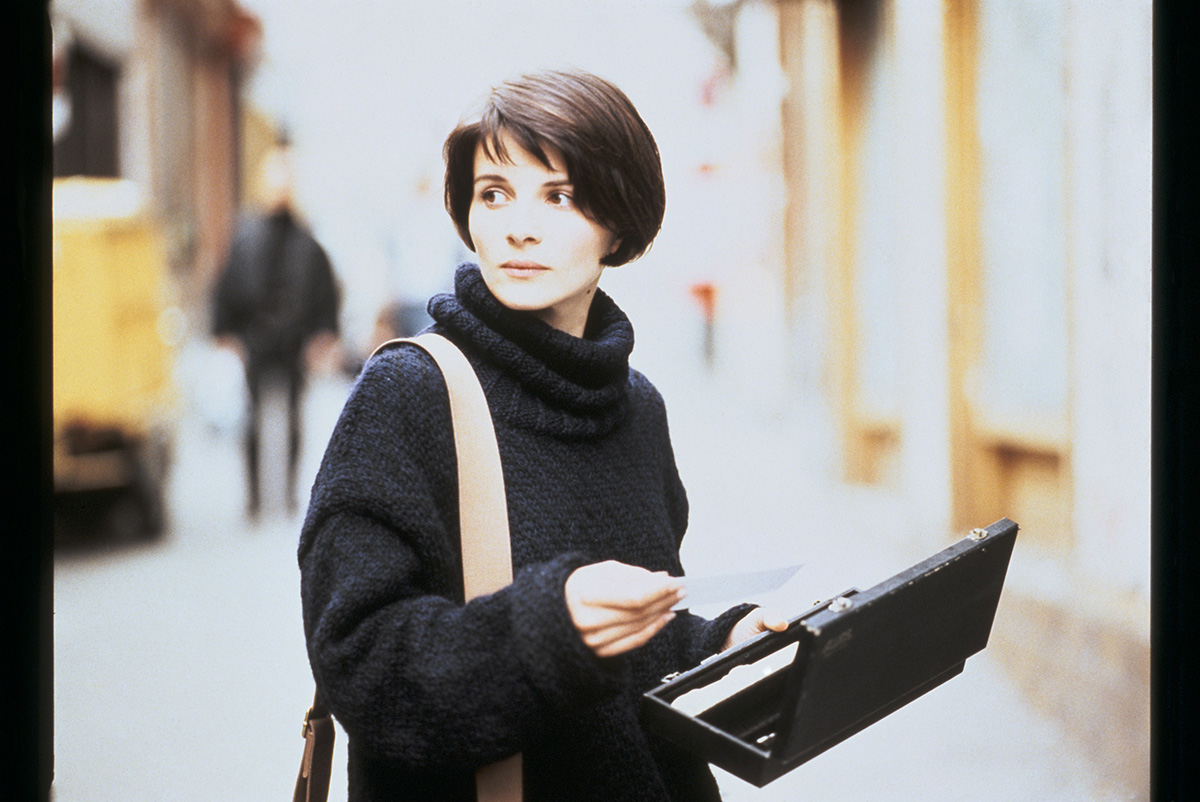
- Blue (Trois Couleurs: Bleu, 1993): Starring Juliette Binoche as Julie, a woman grappling with the sudden, tragic death of her composer husband and young daughter in a car accident, the film explores the theme of liberty through total emotional isolation. Julie attempts to sever all ties to her past, her possessions, and human relationships, only to find herself inexorably drawn back into the complexities of human connection. The film’s striking blue palette, combined with Zbigniew Preisheimer’s haunting, ethereal musical score, sets a tone of devastating intimacy.
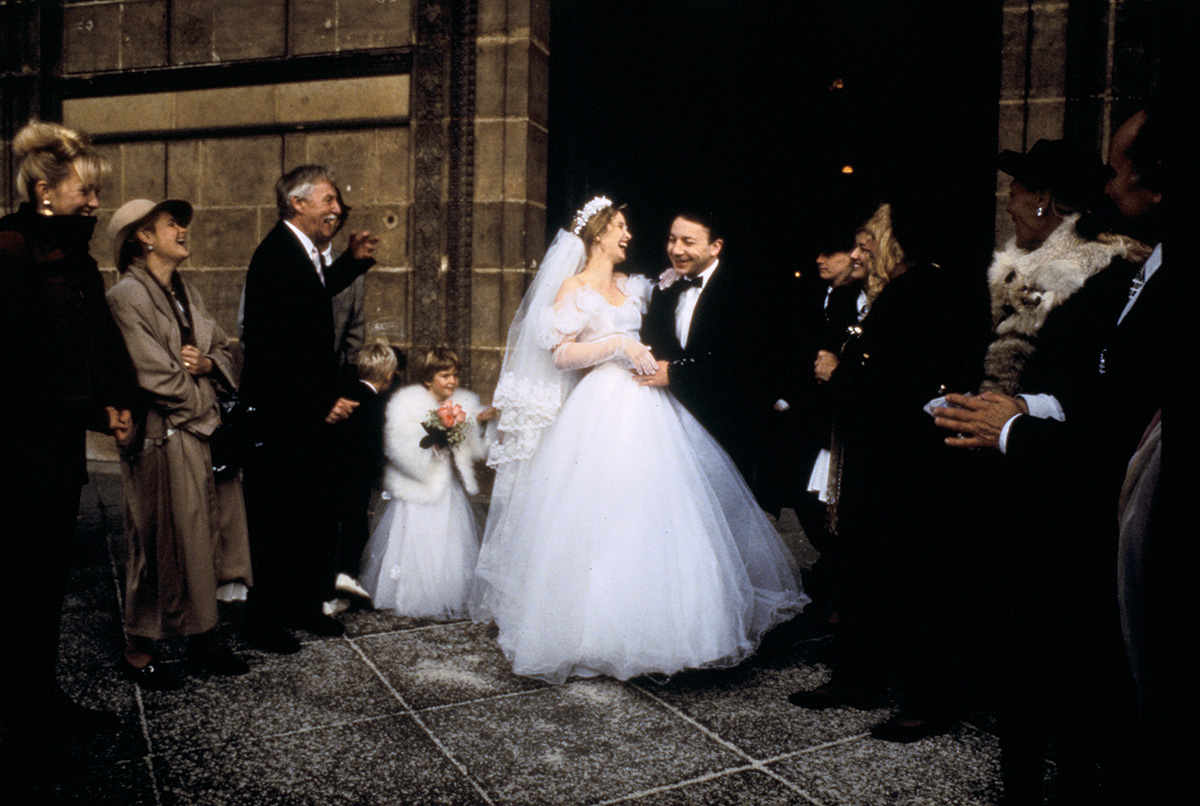
- White (Trois Couleurs: Blanc, 1994): Shifting tones to a tragicomic, deadpan examination of equality, White follows Karol Karol (Zbigniew Zamachowski), a Polish hairdresser living in Paris whose French wife, Dominique (Julie Delpy), divorces him after he fails to consummate their marriage. Stripped of his money, dignity, and legal status, Karol smuggles himself back to post-communist Poland inside a suitcase and orchestrates an elaborate, bittersweet scheme of financial revenge and reconciliation.
- Red (Trois Couleurs: Rouge, 1994): The crowning jewel of the trilogy, Red delves into the elusive concept of fraternity (or universal brotherhood). Set in Geneva, the film chronicles an unlikely, deeply moving friendship between Valentine (Irène Jacob), a young fashion model, and a cynical, retired judge (Jean-Louis Trintignant) who spends his days eavesdropping on his neighbors’ telephone conversations. Exploring themes of invisible bonds, parallel lives, and predestination, Red builds toward a breathtaking, tragicomic convergence of characters from all three films, serving as a fitting structural punctuation mark for Kieślowski’s career.
Supporting Context & Metrics: The Cultural and Technical Significance
The decision by Bunkamura Le Cinema to present these films in pristine 35mm format is a triumph for film preservation and archival exhibition. In contemporary cinema culture, repertory houses face mounting pressure to convert entirely to digital cinema packages (DCP). While DCP offers consistency, it often strips older films of their organic texture—the subtle flicker, the natural grain structure, and the warm color saturation inherent to photochemical stock.
| Film Title | Release Year | Thematic Ideal | French Flag Color | Key Cast Members |
|---|---|---|---|---|
| Blue | 1993 | Liberty | Blue | Juliette Binoche, Benoît Régent |
| White | 1994 | Equality | White | Zbigniew Zamachowski, Julie Delpy |
| Red | 1994 | Fraternity | Red | Irène Jacob, Jean-Louis Trintignant |
Kieślowski’s cinematographic collaborators—Sławomir Idziak (Blue), Edward Kłosiński (White), and Piotr Sobociński (Red)—utilized color not merely as an aesthetic backdrop, but as a psychological landscape. Viewing these distinct color palettes rendered through actual photochemical prints allows modern audiences to experience the films precisely as they were seen by festival juries and audiences in the mid-1990s.
Furthermore, the anniversary highlights the enduring global appeal of European co-productions. Funded across France, Poland, and Switzerland, the Three Colours project was an unprecedented transnational collaboration that proved artistic visions could transcend linguistic and geographical boundaries.
Official Statements and Archival Insights
Reflecting on the retrospective, programming representatives at Bunkamura Le Cinema emphasized the timeless philosophical inquiries embedded within Kieślowski’s work.
"Thirty years may have passed since Krzysztof Kieślowski completed his cinematic triptych, but the moral questions, the exploration of human fragility, and the search for connection remain urgently relevant," noted a theater spokesperson during the curation announcement. "To bring these 35mm prints back to the big screen is not an exercise in nostalgia; it is an active engagement with cinematic history. We invite a new generation of filmgoers, alongside longtime devotees, to experience the physical heartbeat of celluloid."
Archival notes from MK2 Productions, one of the primary stakeholders behind the restoration and distribution of the trilogy, echo this sentiment. The films have long been celebrated for their structural ingenuity—most notably the climactic cross-over in Red, where characters from Blue and White miraculously intersect during a ferry disaster off the coast of England. This narrative universe was decades ahead of its time, anticipating the interconnected cinematic universes of today, yet executed with a poetic restraint and psychological depth that modern mega-franchises rarely achieve.
Future Outlook: Preserving Celluloid Culture for Tomorrow
As the cinematic landscape accelerates toward automated, server-based digital distribution, retrospective screenings utilizing 35mm prints are becoming increasingly scarce. Events like the 30th-anniversary Three Colours screening at Bunkamura Le Cinema serve a vital cultural function: they act as living museums for the preservation of cinematic craft.
Film historians and projectionists alike point out that maintaining projection equipment for 35mm film requires specialized, rapidly disappearing artisanal skills. By dedicating prime exhibition slots to celluloid prints, institutions educate younger audiences on the material history of motion pictures.
Looking forward, the enduring legacy of Krzysztof Kieślowski ensures that Blue, White, and Red will continue to be studied, debated, and adored. Yet, nothing can replace the communal experience of sitting in a darkened theater, watching the gate weave ever-so-slightly as the projector lamp illuminates thirty-year-old film stock with the profound, melancholy beauty of human existence. For Tokyo film lovers this autumn, the Bunkamura Le Cinema retrospective offers an unmissable rendezvous with cinematic immortality.








Belum ada komentar. Jadilah yang pertama berkomentar!