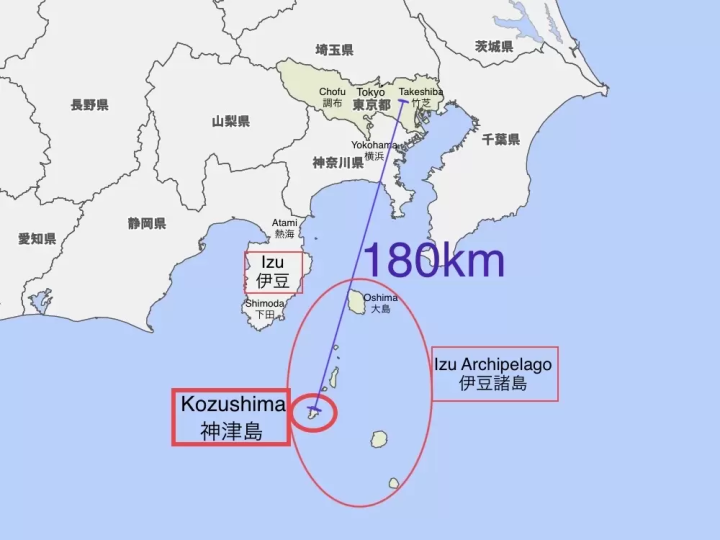
For the discerning traveler seeking to transcend the well-trodden tourist trails of Japan’s metropolitan centers, a rich tapestry of history, geothermal luxury, and maritime adventure awaits just south of Tokyo. The journey from the historic ports of the Izu Peninsula across the cerulean expanse of the Philippine Sea to the volcanic sanctuary of Kozushima offers a masterclass in slow travel.
This comprehensive guide details an immersive, multi-day itinerary that bridges the cultural heritage of the mainland with the pristine, dark-sky sanctuary of the outer islands. Anchored by the historic hospitality of Shimoda, the reliable maritime link of the Ferry Azalea Maru, and the community-focused ethos of Vacation House FamiliA on Kozushima, this expedition provides a flexible blueprint for modern explorers. Whether returning via the volcanic heights of Oshima, hopping through Niijima and Shikine Island, or soaring back to Chofu Airport in a mere 45 minutes, this itinerary redefines island-hopping in the modern era.
Detailed Chronology: A 6-Day Immersive Itinerary
To fully appreciate the geographic and historical transition from the Japanese mainland to the rugged isolation of the Izu Islands, travelers should embrace a measured, unhurried pace. The following six-day model itinerary leverages the operational schedule of the Ferry Azalea Maru to optimize exploration, relaxation, and transit.
Day 1: Arrival in Shimoda — Walking in the Footsteps of History
Morning to Afternoon: Depart Tokyo, Atami, or Ito via the scenic Izukyu Railway, tracing the coastline of the Izu Peninsula before arriving at Izu-Shimoda Station. Check into a local hot spring inn to unwind.
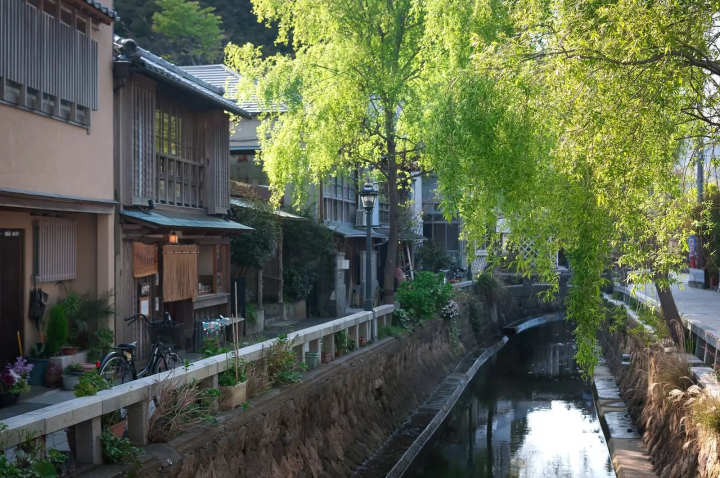
Late Afternoon: Embark on a walking tour of Perry Road, a historic thoroughfare hugging the Hirakawa River where Commodore Matthew Perry and his American fleet famously negotiated the opening of Japan in 1854. Stroll past immaculately preserved traditional merchant houses featuring namako-kabe (sea cucumber walls)—characterized by raised plaster patterns over dark square tiles—and browse retro cafes housed in century-old structures.
Evening: Visit Ryosenji Temple, the national historic site where the Treaty of Shimoda was formally signed. Conclude your evening by dining on local culinary delicacies, chief among them the prized, locally caught splendid alfonsino (kinmedai), before soaking in the therapeutic, mineral-rich waters of a Shimoda Onsen hot spring.
Day 2: Maritime Transit to Kozushima and Arrival at "FamiliA"
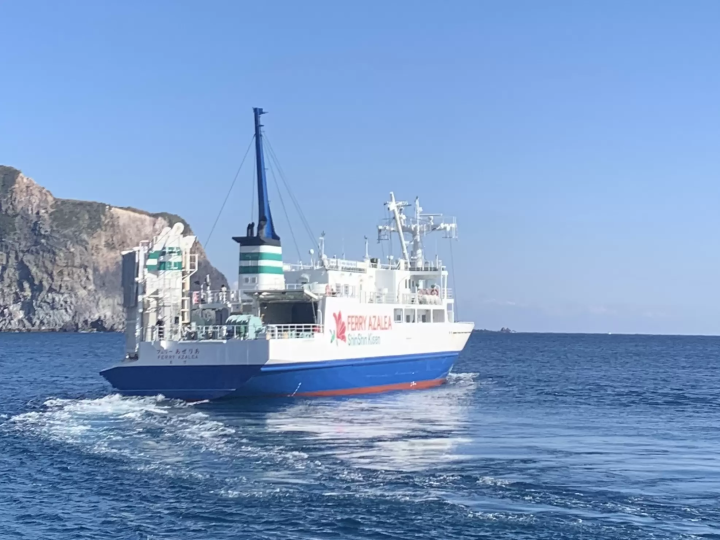
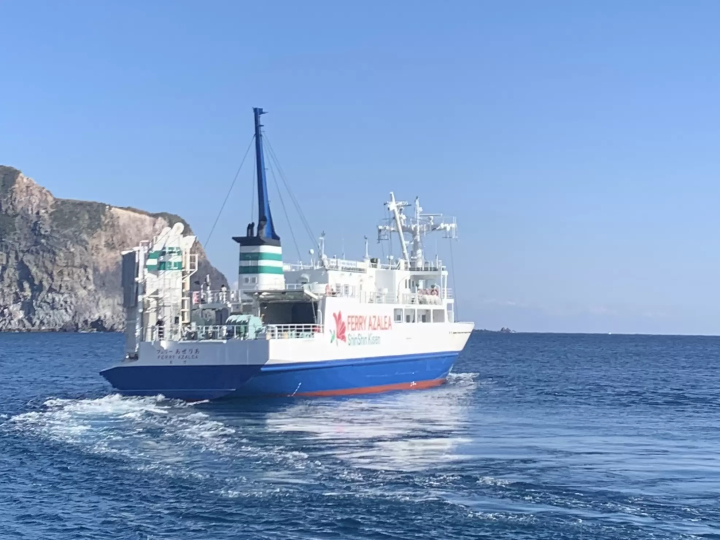
Morning: Take a leisurely 15-minute walk from Izu-Shimoda Station to the Shimoda Port ferry terminal (taxis are readily available for travelers with heavy luggage). Arrive at least 30 minutes prior to departure to complete ticket collection at the counter, where major credit cards are accepted. Board the Ferry Azalea Maru on its Kozushima-first route (operating Mondays, Thursdays, and Saturdays).
Midday: Enjoy a scenic 2.5-hour cruise across the open ocean, watching the jagged coastline of the Izu Peninsula recede as the volcanic silhouettes of the outer islands rise on the horizon.
Afternoon: Disembark at either Maehama Port or Takou Bay (depending on prevailing wind and sea conditions). Be greeted by the complimentary shuttle service provided by Vacation House FamiliA and check into your home away from home. Spend the afternoon wandering through the island village or lounging on the powdery white sands of Maehama Beach as the sun dips below the horizon.
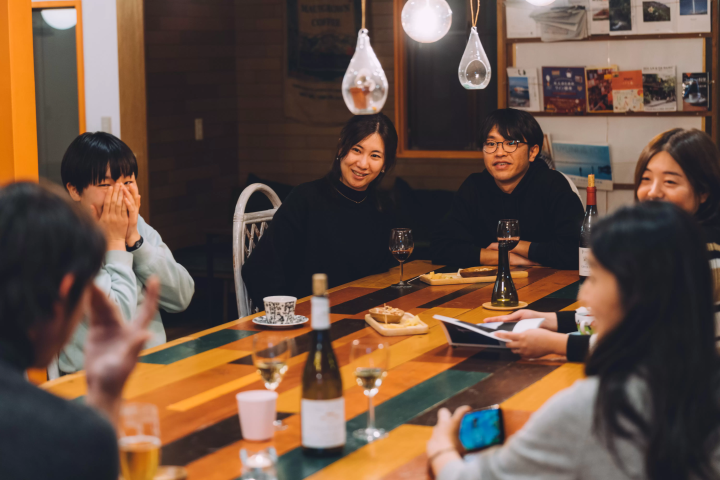
Evening: Experience the core concept of FamiliA—"a socializing stay." Gather in the communal lounge to mingle with fellow travelers and multilingual staff while sampling a curated selection of sommelier-selected wines and local Japanese sakes.
Day 3: Exploring the Volcanic Interior and Dark Skies
Morning: Begin your day with a breakfast featuring artisan homemade bread and freshly brewed coffee. Map out a hiking excursion up Mount Tenjo, recognized as one of Japan’s "100 Famous Flower Mountains." The trail reveals otherworldly vistas, including the stark, volcanic landscape of the Ura-Sabaku (back desert) and the mystical, heart-shaped Fudo-ike (Fudo Pond).
Afternoon: Depending on the season (July through September offers optimal swimming conditions), descend to the coast to experience some of the clearest marine waters in the Japanese archipelago, ideal for snorkeling and diving.
Night: Step outside to witness a celestial display. Kozushima is officially designated as a Dark Sky Place by DarkSky International, offering an unobstructed, pristine canvas of stars, constellations, and the Milky Way free from light pollution.
Day 4: Leisure and Island-Wide Discovery
All Day: Because the Ferry Azalea Maru does not operate on Wednesdays, this midweek pause provides an unhurried window for deep exploration. Rent an electric bicycle or car to circumnavigate the island’s dramatic coastal roads, visit local shrines tied to the mythology of water distribution among the Izu Islands, and engage deeper with the island community.
Day 5: Preparing for Departure and Flexible Routing
Morning: After checking out of Vacation House FamiliA, finalize your chosen return route based on your broader travel schedule.
Option A (The Oshima-Atami Route): Board a high-speed jet ferry to Oshima, transit to Atami Port, spend a final evening soaking in the hot springs of Atami Onsen, and catch the Shinkansen back to Tokyo or onward to the Chubu and Kansai regions.
Option B (The Island-Hopping Return): Utilize the Ferry Azalea Maru or Tokai Kisen ferries to make multi-night stops at the neighboring islands of Shikine Island and Niijima, experiencing the distinct thermal baths, surfing culture, and white-sand beaches unique to each landmass.
Option C (Direct Cruise to Tokyo): Board a large passenger vessel like the Sarubia Maru for an extended maritime journey straight to Tokyo’s Takeshiba Pier, savoring the lingering atmosphere of island life.
Day 6: High-Speed Aerial Return to the Metropolis
Alternative Return: For travelers operating on a tighter schedule, board a Shin Chuo Airlines fixed-wing aircraft from Kozushima Airport. The flight touches down at Chofu Airport in western Tokyo in just 45 minutes, offering dramatic aerial panoramas of the Izu archipelago, the Izu Peninsula, and Mount Fuji on clear days.
Supporting Context & Metrics: Navigating the Ferry Azalea Maru
Traveling via maritime routes requires adherence to specific protocols to ensure a seamless journey. The Ferry Azalea Maru, operated by Shinshin Kisen, is the lifeblood connecting Shimoda to the northern chain of the Izu Islands.
Weekly Sailing Schedule Dynamics
The operational pattern of the Ferry Azalea Maru shifts depending on the day of the week, necessitating careful itinerary planning:
Monday, Thursday, and Saturday (Kozushima-First Route):
Utility: Best suited for those who prefer a progressive, unhurried island-hopping pace, viewing the sequential beauty of the archipelago from the deck.
Wednesday:
Status: Service suspended for maintenance and crew rest.
Crucial Operational Guidelines
Reservation Protocols: Online booking systems are not available for the Ferry Azalea Maru. Reservations must be made via telephone in advance or purchased directly at the Shimoda Port ticket counter on the day of departure. During non-peak seasons, walk-up tickets are generally available, but early arrival at the terminal is strongly advised.
Boarding Cutoffs: Passengers must check in at the port counter at least 30 minutes prior to departure.
Financial Transactions: While credit cards are accepted at the Shimoda Port ticket counter, onboard vending machines operate strictly on cash. Travelers are advised to secure physical currency before boarding, as many establishments, taxis, and small shops in Shimoda and the outer islands remain cash-preferred.
Onboard Amenities: The vessel is not equipped with a convenience store or cafeteria; only automated vending machines are available. Purchasing provisions, snacks, and beverages near Shimoda Station prior to boarding is recommended.
Seasickness Prevention: Medium-sized passenger ferries can experience significant roll and pitch when traversing open ocean currents. Carrying motion-sickness medication is strongly recommended for all passengers.
Official Statements & Frequently Asked Questions
To assist international travelers, Vacation House FamiliA provides comprehensive, bilingual support infrastructure to remove language barriers and logistical friction.
Q: Are there instructions or support available in English?
Official Statement from FamiliA Management: "At FamiliA, we offer full English-language support! We provide attentive service in English, including comprehensive facility orientations and detailed introductions to the island’s culture and natural landmarks, ensuring you can relax completely during your stay. Furthermore, we offer flight and ferry reservation assistance for a nominal fee. Even with complex multi-leg schedules, telephone reservations routed through Shimoda can be effortlessly managed on your behalf. Please feel free to reach out to us with any inquiries."
Q: Are there any precautions I should take when returning to Tokyo by plane?
Official Statement from Transit Authorities: "Advance reservations and strict baggage restrictions are mandatory. While the flight from Kozushima Airport to Chofu Airport takes only 45 minutes, advance booking is critical due to the small passenger capacity of the 19-seat commuter aircraft. Additionally, strict baggage weight limits apply—up to 5 kilograms total for combined checked and carry-on luggage is permitted free of charge, with excess weight subject to per-kilogram fees. Passengers must review Shin Chuo Airlines regulations prior to departure."
Future Outlook: The Renaissance of Slow Travel in the Izu Islands
As global tourism increasingly pivots toward sustainable, community-integrated travel experiences, the corridor linking the Izu Peninsula to the Izu Islands stands as a model for regional revitalization. By combining historical preservation efforts in towns like Shimoda with grassroots hospitality initiatives like Vacation House FamiliA, the region offers an antidote to over-tourism.
Future infrastructure developments continue to prioritize digital accessibility while preserving the rustic charm that defines these volcanic outposts. Travelers are increasingly encouraged to adopt multi-night stays—ideally spanning two to three nights minimum on Kozushima—to mitigate the disruptions caused by maritime weather fluctuations and to foster meaningful connections with local residents. Whether seeking the historical echoes of opening borders in Shizuoka or gazing into the infinite cosmos from a certified dark-sky island, this multi-faceted route invites a profound rediscovery of Japan’s maritime heritage.










Belum ada komentar. Jadilah yang pertama berkomentar!