

Executive Overview
![[Kyoto Prefecture ] Let's go see Fukuchiyama Castle, the symbol of Fukuchiyama City | Highlights and seasonal events](https://resources.matcha-jp.com/resize/720x2000/2026/02/12-258435.webp)
Rising majestically above the Yura River basin in northern Kyoto Prefecture, Fukuchiyama Castle (Fukuchiyama-jō) stands as an enduring architectural and cultural monument to the turbulent Sengoku period. Originally established in 1579 by the enigmatic warlord Akechi Mitsuhide—best known for his pivotal role in the Honnōji Incident—the castle has undergone dramatic cycles of construction, devastation, reconstruction, and modern cultural revitalization.
![[Kyoto Prefecture ] Let's go see Fukuchiyama Castle, the symbol of Fukuchiyama City | Highlights and seasonal events](https://place.matcha-jp.com/resize/200x2000/2024/08/23-12-52-56-15800e9f58a38392616cda11e16d1680b0f2.webp)
Today, Fukuchiyama Castle serves as the undisputed crown jewel and civic symbol of Fukuchiyama City. Recognized as one of Japan’s "Continued Top 100 Castles" (designated as castle number 158 in 2017), the fortress offers visitors an authentic window into late-16th-century Japanese military engineering, centuries of domain governance under shifting feudal clans, and a vibrant calendar of seasonal festivals that breathe contemporary life into historical grounds. Surrounding the castle is an increasingly sophisticated tourism ecosystem, featuring the acclaimed Fukuchiyama Railway Museum Fukureru, the panoramic nature-and-dining complex Yurano Garden, and sacred landmarks dedicated to Mitsuhide’s legacy of enlightened local administration.
![[Kyoto Prefecture ] Let's go see Fukuchiyama Castle, the symbol of Fukuchiyama City | Highlights and seasonal events](https://place.matcha-jp.com/resize/200x2000/2026/07/14-10-41-25-314784a1eab486d19d4c05b43ed28ef50122.webp)
This comprehensive guide explores the historical genesis of Fukuchiyama Castle, its architectural engineering, visitor metrics, seasonal events, and the rich array of cultural attractions situated within walking distance of the fortress keep.
![[Kyoto Prefecture ] Let's go see Fukuchiyama Castle, the symbol of Fukuchiyama City | Highlights and seasonal events](https://resources.matcha-jp.com/resize/720x2000/2026/02/12-258471.webp)
Detailed Chronology: From Sengoku Fortress to Modern Civic Symbol
The history of Fukuchiyama Castle is inextricably linked to the meteoric rise, tragic fall, and enduring legacy of Akechi Mitsuhide, one of the most polarizing and fascinating figures in Japanese feudal history.
![[Kyoto Prefecture ] Let's go see Fukuchiyama Castle, the symbol of Fukuchiyama City | Highlights and seasonal events](https://resources.matcha-jp.com/resize/720x2000/2026/02/12-258472.webp)
1. The Mitsuhide Era and Foundation (1579–1582)
The chronicles of Fukuchiyama Castle commenced in 1579 (Tenshō 7). Following his successful pacification campaign across the Tamba province, Akechi Mitsuhide identified the strategic significance of the Yura River valley. He seized and expanded an existing local fortification into a formidable base of operations. Upon completion, Mitsuhide appointed his son-in-law, Akechi Hidemitsu, as the initial castle lord, entrusting him with the political and military administration of the surrounding territory.
![[Kyoto Prefecture ] Let's go see Fukuchiyama Castle, the symbol of Fukuchiyama City | Highlights and seasonal events](https://resources.matcha-jp.com/resize/720x2000/2026/02/12-258473.webp)
Mitsuhide’s tenure, however, was shockingly brief. Following the historic Honnōji Incident in 1882 and the subsequent defeat of the Akechi clan at the Battle of Yamazaki, both Mitsuhide and Hidemitsu perished. Control of the fortress swiftly shifted through various hands under the broader hegemony of Toyotomi Hideyoshi, with prominent figures such as Hashiba Hidenaga overseeing subsequent structural renovations and spatial expansions.
![[Kyoto Prefecture ] Let's go see Fukuchiyama Castle, the symbol of Fukuchiyama City | Highlights and seasonal events](https://place.matcha-jp.com/resize/200x2000/2024/06/25-11-53-38-24628e82b0b8e5397a095fb2810be181b03c.webp)
2. The Edo Period and the Kutsuki Clan (1600–1868)
With the stabilization of the Tokugawa shogunate at the dawn of the Edo period, Fukuchiyama Castle experienced frequent changes in domain ownership due to administrative transfers and territorial confiscations (Tenka-fushin policies).
![[Kyoto Prefecture ] Let's go see Fukuchiyama Castle, the symbol of Fukuchiyama City | Highlights and seasonal events](https://resources.matcha-jp.com/resize/720x2000/2026/02/12-258475.webp)
This period of instability finally settled in 1669 (Kanbun 9), when the Kutsuki clan assumed control of the domain. For 13 successive generations spanning nearly two centuries, the Kutsuki family anchored the political, economic, and social life of Fukuchiyama until the collapse of the shogunate system and the advent of the Meiji Restoration in 1868.
![[Kyoto Prefecture ] Let's go see Fukuchiyama Castle, the symbol of Fukuchiyama City | Highlights and seasonal events](https://resources.matcha-jp.com/resize/720x2000/2026/02/12-258477.webp)
3. Destruction and the Meiji Decree (1873)
The modernization policies of the early Meiji era dealt a devastating blow to Japan’s feudal architecture. Pursuant to the Castle Demolition Decree (Haijōrei) issued in 1873 (Meiji 6), the vast majority of Fukuchiyama Castle was systematically dismantled or abandoned. Only the rugged stone ramparts (ishigaki) surrounding the primary keep and the historic copper gate survived the purge, leaving the once-proud citadel a shell of its former self.
![[Kyoto Prefecture ] Let's go see Fukuchiyama Castle, the symbol of Fukuchiyama City | Highlights and seasonal events](https://resources.matcha-jp.com/resize/720x2000/2026/10/15-272509.webp)
4. The Citizen-Led Reconstruction (1986)
For over a century, the site of Fukuchiyama Castle remained largely pastoral, preserved only by its foundational stones. However, during the Shōwa era, a powerful grassroots momentum emerged among local residents determined to reclaim their city’s historical identity.
![[Kyoto Prefecture ] Let's go see Fukuchiyama Castle, the symbol of Fukuchiyama City | Highlights and seasonal events](https://resources.matcha-jp.com/resize/720x2000/2026/10/15-272510.webp)
Through citizen-led funding and participatory initiatives—most famously known as the "One Tile Movement" (Hitogawara Undō)—the local populace contributed directly to the restoration effort. Utilizing surviving historical diagrams and architectural records, construction crews successfully rebuilt the three-story, four-tiered watchtower-style main keep (tenshu) alongside a two-story secondary keep in 1986 (Shōwa 61).
![[Kyoto Prefecture ] Let's go see Fukuchiyama Castle, the symbol of Fukuchiyama City | Highlights and seasonal events](https://place.matcha-jp.com/resize/200x2000/2026/01/30-13-33-42-31472f3b7dad024bacdbcf119ba44c19ec6d.webp)
Supporting Context & Architectural Metrics
Visitors approaching Fukuchiyama Castle today step into a meticulously maintained historical park that blends reconstructed architecture with authentic Sengoku-era masonry and engineering marvels.
![[Kyoto Prefecture ] Let's go see Fukuchiyama Castle, the symbol of Fukuchiyama City | Highlights and seasonal events](https://place.matcha-jp.com/resize/200x2000/2026/01/30-13-02-50-3147ce246ab0588cb6fe7d21d69bcbbbf2f0.webp)
Architectural Highlights and Engineering Feats
- The Main Keep and Museum Interiors: The reconstructed main keep houses a comprehensive museum dedicated to Akechi Mitsuhide, the successive feudal lords of the domain, and the broader cultural heritage of the Tamba region. Artifacts include historical documents, armor, weaponry, and audiovisual exhibits. The uppermost level features a watchtower observation deck boasting panoramic views of Fukuchiyama City and the surrounding mountain ranges.
- The Copper Gatehouse (Dōmon): Originally positioned at the entrance to the second bailey (ni-no-maru), this historic gate structure was relocated to the base of the keep during the Taisho era. During the 1986 reconstruction, it was moved once more to its current position within the primary enclosure, serving as a rare surviving structural link to the castle’s pre-Meiji layout.
- Nozurazumi Stone Walls: The ramparts stretching from the base of the keep to the primary enclosure showcase an ancient construction technique known as nozurazumi (rough, unshaped stone masonry). Having endured tectonic shifts and weathering for over four centuries, these walls harbor a fascinating historical secret: due to a critical shortage of building materials during construction, desperate builders repurposed gravestones, Buddhist statues (jizō), and stone lanterns into the foundational fabric of the fortress.
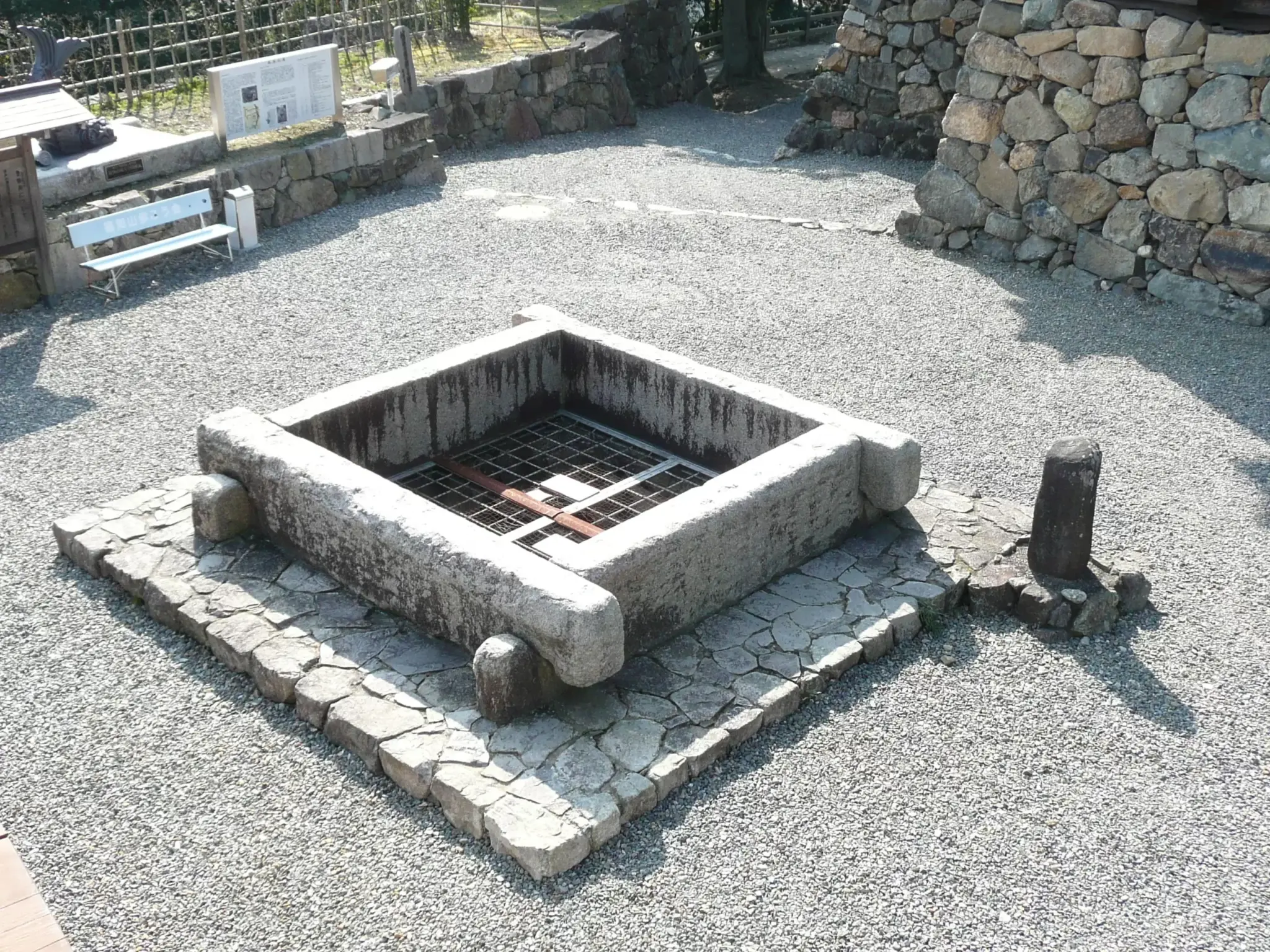
- The Record-Breaking Keep Well: Located on the east side of the main castle tower, an extraordinary well measures 2.5 meters in diameter and plunges to a depth of 50 meters. Reputed to be one of the deepest castle-keep wells in all of Japan, it remains miraculously filled to the brim with fresh water to this day.
- The Akechi Embankment (Akechi Yabu): Visible from the castle’s observation deck, this massive earthen levee was constructed under Mitsuhide’s direction to tame the notoriously volatile Yura River, protecting the nascent castle town from recurrent seasonal flooding.
Official Visitor Information, Access, and Metrics
For travelers, researchers, and cultural enthusiasts planning an excursion to Fukuchiyama Castle, the municipal tourism bureau provides clear operational guidelines and transparent ticketing structures.
![[Kyoto Prefecture ] Let's go see Fukuchiyama Castle, the symbol of Fukuchiyama City | Highlights and seasonal events](https://place.matcha-jp.com/resize/200x2000/2026/02/03-15-18-36-31470614301c813ba7aceb62e68af4b536dd.webp)
Operational Hours & Admission Fees
- Opening Hours: 9:00 AM to 5:00 PM (Last entry typically 30 minutes prior to closing).
- Closed Days: December 28th to 31st, and January 4th to 6th.
- Standard Admission (Castle Only):
- Adults: ¥360
- Children (Elementary and Junior High School): ¥110
- Combined Triple-Facility Pass (Grants entry to Fukuchiyama Castle, the Sato Taisei Memorial Museum, and the Fukuchiyama Railway Museum Fukureru):
- Adults: ¥900
- Children: ¥400
- Contact Details:
- Address: 5 Naiki, Fukuchiyama City, Kyoto Prefecture 620-0035
- Telephone: 0773-23-9564
- Official Website: Fukuchiyama Castle Official Portal
Transportation and Accessibility
Fukuchiyama serves as the primary transportation gateway to northern Kyoto Prefecture, seamlessly connected via major rail and highway networks:
![[Kyoto Prefecture ] Let's go see Fukuchiyama Castle, the symbol of Fukuchiyama City | Highlights and seasonal events](https://place.matcha-jp.com/resize/200x2000/2026/02/03-16-30-05-314797508e018cc05289091bc87d611dbadd.webp)
- By Train (JR West / Kyoto Tango Railway):
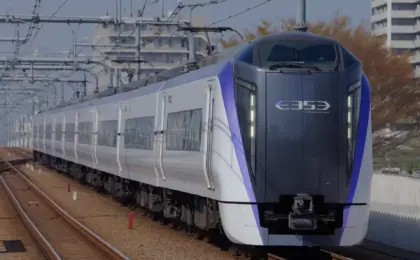
- From Kyoto Station: Approximately 80 minutes via limited express services on the San’in Main Line.
- From Osaka Station: Approximately 100 to 110 minutes via the Fukuchiyama Line.
- Fukuchiyama Station: Serving as a major convergence point for the San’in Main Line, Fukuchiyama Line, Maizuru Line, and the Miyafuku Line, the station features a fully equipped north-exit tourist information center offering luggage storage, mobile battery rentals, souvenir sales, and bicycle rentals.
- Walking Access: The castle is a pleasant 15-minute walk north from JR Fukuchiyama Station.
- By Car:
- From Osaka: Approximately 90 minutes.
- From Kyoto: Approximately 105 minutes.
- Motorists exiting the Maizuru-Wakasa Expressway at the Fukuchiyama Interchange can proceed along National Route 9 for approximately 3 kilometers.
- Parking: Free parking is available at the adjacent Yurano Garden Parking facility (accommodating approximately 70 vehicles).
Seasonal Festivals and Cultural Events
Fukuchiyama Castle is far from a static museum piece; it functions as the theatrical backdrop for three major annual celebrations that preserve centuries-old local traditions.
![[Kyoto Prefecture ] Let's go see Fukuchiyama Castle, the symbol of Fukuchiyama City | Highlights and seasonal events](https://place.matcha-jp.com/resize/200x2000/2026/02/04-09-22-27-3147ef4f037a7388629036b7e27d890be3d1.webp)
1. The Fukuchiyama Castle Festival (Spring)
Held annually over a vibrant two-day weekend in spring, this major festival transforms the castle town originally laid out by Akechi Mitsuhide. Centered around Goryo Park—home to Goryo Shrine, which enshrines Mitsuhide—the event features traditional stage performances, food stalls, and a magnificent historical procession honoring the warlord and his retainers.
![[Kyoto Prefecture ] Let's go see Fukuchiyama Castle, the symbol of Fukuchiyama City | Highlights and seasonal events](https://place.matcha-jp.com/resize/200x2000/2024/11/19-11-10-51-24625daafead48e925430a5398140f0e1a56.webp)
2. The Fukuchiyama Dokkoise Festival (Summer)
As northern Kyoto’s premier summer celebration, this festival honors the folkloric roots of the Fukuchiyama Ondo. Historical records indicate that when Akechi Mitsuhide undertook the massive restoration and construction of Fukuchiyama Castle, exhausted laborers chanted "Dokkoise!" while hauling heavy stones and massive timber logs up the hillside. This rhythmic chant evolved into a beloved folk dance performed continuously for over 400 years.
![[Kyoto Prefecture ] Let's go see Fukuchiyama Castle, the symbol of Fukuchiyama City | Highlights and seasonal events](https://resources.matcha-jp.com/resize/200x2000/2026/08/19-269136.webp)
- Official Instagram: @fdokkoise
3. The Fukuchiyama Castle Castle Park Light-Up Event (Autumn)
Initiated in 2018, this sophisticated nighttime illumination and soundscape event takes over both Fukuchiyama Castle and the adjacent Yurano Garden complex at the base of the hill. The event has achieved national acclaim, earning the prestigious Grand Prix "Prime Minister’s Award" at the 2024 Hometown Event Awards. Visitors are invited to experience an ethereal autumn evening where cutting-edge acoustic design and artistic lighting cast a magical glow over the 400-year-old stone walls.
![[Kyoto Prefecture ] Let's go see Fukuchiyama Castle, the symbol of Fukuchiyama City | Highlights and seasonal events](https://resources.matcha-jp.com/resize/200x2000/2026/07/03-266489.webp)
Surrounding Cultural Hubs and Walking Itinerary
A visit to Fukuchiyama Castle naturally extends into the surrounding historic district. Several world-class cultural and recreational institutions lie within easy walking distance of the castle gates:
![[Kyoto Prefecture ] Let's go see Fukuchiyama Castle, the symbol of Fukuchiyama City | Highlights and seasonal events](https://resources.matcha-jp.com/resize/200x2000/2025/12/19-253414.webp)
- Fukuchiyama Railway Museum Fukureru: Opened in 2023 within Castle Park, this modern museum celebrates Fukuchiyama’s century-long identity as a vital railway hub connecting Osaka, Kyoto, and the Sea of Japan coast. Alongside historical rolling-stock archives and interactive displays, visitors can operate a state-of-the-art CG train simulator.
- Yurano Garden: Situated immediately east of the castle keep, this charming commercial and natural garden complex features seven boutique shops, artisan select stores, and fine dining establishments. Outdoor seating allows patrons to enjoy meals and coffee while gazing directly up at the castle ramparts.
- Goryo Shrine: Dedicated to Ugamoryo-Okami and Akechi Mitsuhide, this shrine honors the warlord’s benevolent governance. The shrine treasury preserves priceless primary documents, including Mitsuhide’s handwritten letters and personal military household regulations.
- Sato Taisei Memorial Museum: Opened in 1990 within Castle Park and designed to mirror traditional castle architecture, this gallery showcases the profound works of the late Taisei Sato, a recipient of Japan’s Order of Culture known for paintings capturing the sublime delicacy of nature.
- Fukuchiyama City Tamba Living Clothing Center: Located nearby on Naiki, this facility houses a staggering collection of 3,600 traditional dyed and woven textile artifacts, highlighting everyday garments (Tamba Living Clothing) utilized by ordinary citizens across generations. Visitors can even try their hand at traditional handlooms.
Future Outlook
As cultural tourism in Japan shifts toward regional authenticity and deep historical engagement, Fukuchiyama Castle stands exceptionally well-positioned for the future. Local municipal authorities, working in tandem with the Fukuchiyama Tourism Association and regional preservation societies, continue to invest in sustainable infrastructure improvements, digital multi-language archival systems, and enhanced nighttime tourism programming.
![[Kyoto Prefecture ] Let's go see Fukuchiyama Castle, the symbol of Fukuchiyama City | Highlights and seasonal events](https://resources.matcha-jp.com/resize/200x2000/2026/06/02-264978.webp)
By successfully bridging its complex 16th-century feudal origins with modern civic pride and innovative community spaces, Fukuchiyama Castle offers travelers an immersive, authoritative, and deeply memorable encounter with the heart of Kyoto’s northern heritage.






Belum ada komentar. Jadilah yang pertama berkomentar!