

Executive Overview
For animal lovers across the globe, one of the most disheartening aspects of modern long-distance travel is the inevitable parting from our canine companions. While public transit networks have historically catered to human commuters—often restricting pets to cramped cargo holds, tightly zipped carriers, or banning them altogether—the landscape of mobility is shifting.
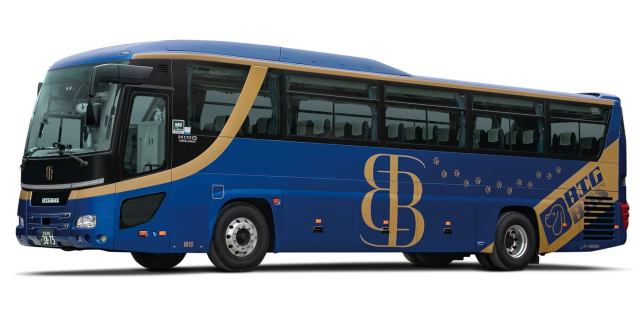
In a landmark announcement that promises to bridge the gap between human convenience and pet-friendly tourism, Tokyo-based transportation pioneer B·I·G Bus has unveiled plans for the Wanwan Liner (literally translating to the "Woof-Woof Liner"). Scheduled to launch its maiden voyage on November 1, pending final regulatory approvals from relevant transport agencies, this specialized long-distance highway bus service will connect Japan’s two economic powerhouses: Tokyo and Osaka.
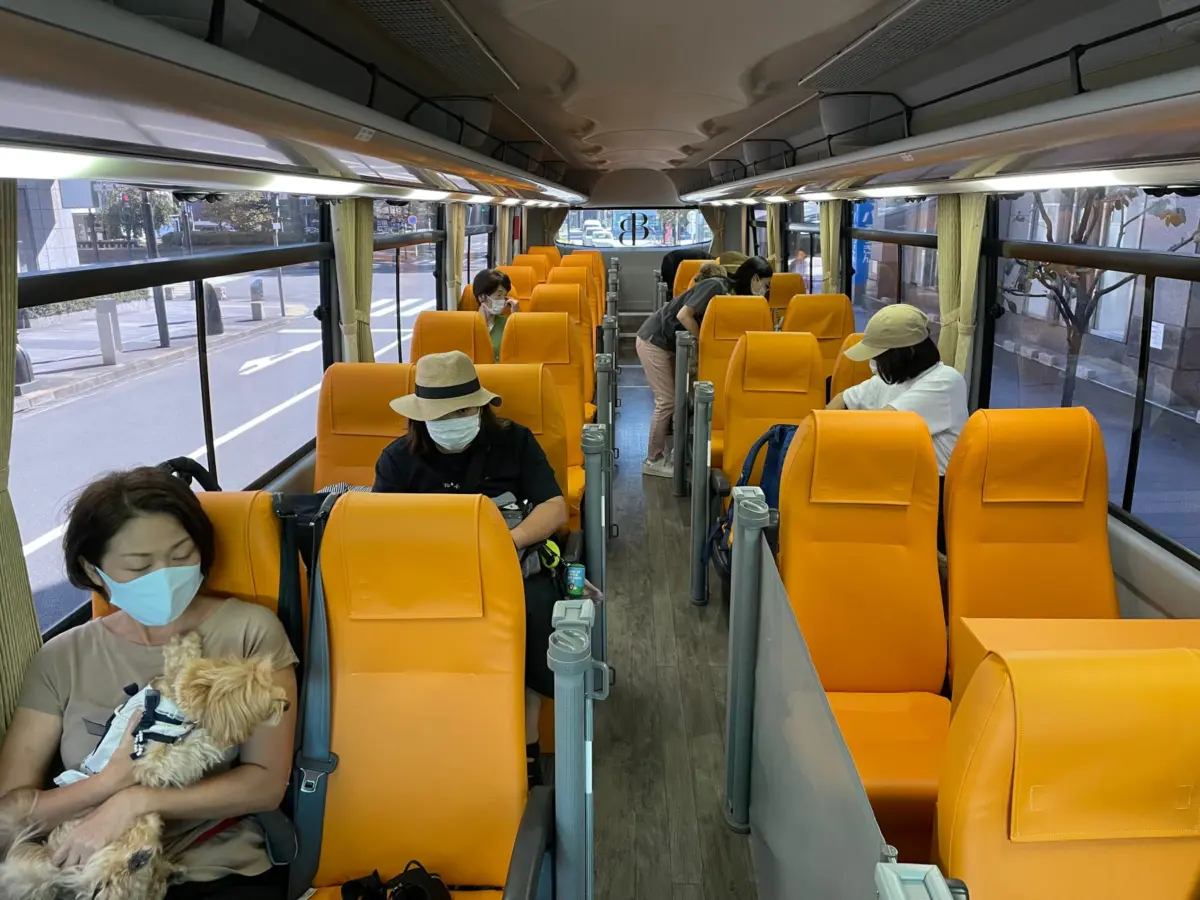
Adorned with whimsical pawprints across its exterior, the Wanwan Liner is not merely a novelty service; it is a meticulously engineered response to a growing demographic shift. As pet ownership surges and animals are increasingly viewed as fully fledged family members, the demand for accessible, stress-free, and humane public transit options has reached an all-time high.
This comprehensive report examines the logistical framework of the Wanwan Liner, the broader context of Japan’s evolving pet-travel infrastructure, the stringent safety and sanitary measures implemented by B·I·G Bus, and what this innovative route means for the future of canine-inclusive tourism in East Asia.

Detailed Chronology of Pet-Friendly Transit in Japan
To understand the significance of the Wanwan Liner’s impending launch, one must contextualize it within the historical framework of Japan’s public transportation system. For decades, Japan’s rail and bus networks—internationally renowned for their punctuality, cleanliness, and efficiency—remained stubbornly traditional regarding live animals.
The Era of Rigid Restrictions
Historically, major transportation arteries such as the Shinkansen (bullet train) network and long-distance highway buses enforced strict regulations. Passengers wishing to transport dogs were required to keep them enclosed in rigid, fully zipped pet crates that met specific dimensional limits, usually counting the animal as paid baggage rather than a passenger. Furthermore, these crates were mandated to remain stowed at the passenger’s feet or in designated baggage areas, preventing the animal from interacting with or even seeing its owner for hours at a time. For larger dog breeds, long-distance travel via public transit was virtually impossible without private vehicular ownership or expensive pet-relocation services.
Early Experiments and Incremental Shifts
The first cracks in this rigid infrastructure began to appear in recent years as demographic shifts—characterized by a declining birthrate and a sharp rise in pet ownership—forced transport operators to reconsider their customer bases.
- October 2023: East Japan Railway Company (JR East) made headlines by experimenting with limited-time, dog-friendly Shinkansen services. These special trial runs allowed select passengers to travel between Tokyo and the scenic Izu Peninsula with their dogs riding outside of traditional cages, marking a psychological turning point for the industry.
- January 2025–2026: Beyond rail, the hospitality sector began adapting in tandem. Notable establishments, such as the Hyatt Regency Osaka, introduced specialized pet-friendly accommodations—initially focusing on feline companions before expanding frameworks to accommodate dogs.
Despite these localized successes, a glaring gap remained: the absence of a consistent, reliable, and economically viable long-distance travel option connecting major metropolitan hubs without the requirement of private car rentals or stressful air travel cargo holds. Enter B·I·G Bus, a company already boasting a portfolio of over 100 pet-inclusive travel packages, which recognized the gaping market demand for an interstate canine express.

Supporting Context, Route Logistics, and Onboard Innovations
Operating a highway bus route between Tokyo and Osaka is a formidable logistical challenge under normal circumstances, typically taking anywhere from eight to ten hours depending on traffic conditions and routing. Adapting this journey for a cabin full of dogs requires a complete reimagining of vehicle interiors, scheduling, and passenger management.
The Vehicle: Engineered for Comfort and Canine Companionship
While B·I·G Bus has kept full interior schematics under wraps pending final governmental approvals, preliminary promotional materials and industry leaks reveal several standout features designed to maximize comfort for both two-legged and four-legged travelers:
- Custom Interior Partitions: Unlike standard bus layouts where passengers sit shoulder-to-shoulder with strangers, the Wanwan Liner incorporates specialized partitions and secure tethering systems. These installations help keep pets safely confined to their owner’s immediate seating zone, preventing territorial disputes between unfamiliar dogs while allowing owners to offer physical reassurance throughout the trip.
- Extended Rest Stop Itineraries: Recognizing that dogs cannot sit still for hours on end, the Wanwan Liner’s schedule abandons the rigid, hyper-efficient timing of standard highway buses. Instead, the itinerary builds in significantly extended dwell times at highway service areas and rest stops.
- On-Route Exercise Facilities: Many of the designated rest stops along the Tomei and Meishin expressways connecting Tokyo and Osaka feature dedicated dog runs—enclosed, fenced areas where dogs can safely stretch their legs, relieve themselves, and expend pent-up travel energy before re-boarding.
Health, Hygiene, and Odor Mitigation
The introduction of dozens of dogs into an enclosed, climate-controlled bus cabin for hours at a time naturally raises concerns regarding sanitation, allergens, and ambient odors. B·I·G Bus has proactively addressed these challenges by outlining a multi-layered hygiene protocol:
- Advanced Air Filtration: The vehicle’s HVAC system is slated to undergo upgrades, incorporating high-efficiency particulate air (HEPA) filters alongside deodorizing ionization technology to continuously scrub the cabin air of dander and pet odors.
- Antimicrobial Surfacing: Flooring and seating materials are being constructed from specialized, industrial-grade synthetic leather and antimicrobial fabrics that resist staining, trap minimal hair, and can be rapidly sanitized between journeys.
- Mandatory Compliance Checks: While the final eligibility criteria (such as vaccination records, weight limits, and temperament assessments) are slated for release closer to the launch date, company representatives have emphasized that strict pre-boarding safety and health verifications will be enforced.
Official Statements and Industry Implications
The announcement of the Wanwan Liner has sent ripples through Japan’s tourism and transport sectors, sparking discussions about how infrastructure must adapt to the "pet-human family" paradigm.
In a joint statement released via PR Times, representatives for B·I·G Bus emphasized that the initiative is rooted in practicality and empathy. "For too long, loving pet owners have been forced to choose between leaving their companions behind in boarding facilities or enduring stressful, fragmented travel logistics," a B·I·G Bus spokesperson noted. "The Wanwan Liner is designed to eliminate that barrier. We are not just transporting pets; we are preserving the continuity of the family unit during travel."
Industry analysts have praised the boldness of the initiative, noting that successful execution could pave the way for broader deregulation across Japan’s expansive highway bus network. If B·I·G Bus can demonstrate that long-distance transit can safely accommodate multiple dogs in a shared cabin without compromising cleanliness or passenger comfort, competitors may be pressured to follow suit.
Furthermore, tourism boards in both Tokyo and Osaka are watching the project closely. Domestic tourism heavily relies on regional mobility. By making it easier for Tokyo residents to travel to Kansai—and vice versa—with their pets in tow, regional hotels, cafes, and sightseeing spots that market themselves as pet-friendly stand to experience a significant economic windfall.
Future Outlook: What Lies Ahead for Pet Tourism?
As November 1 approaches, anticipation among Japanese pet owners is reaching fever pitch. However, the true test of the Wanwan Liner will lie in its execution and public reception.
Potential Hurdles and Regulatory Scrutiny
- Regulatory Approval: Because highway bus safety standards in Japan are among the strictest in the world, any modification to interior seating arrangements, passenger restraint systems, or emergency evacuation routes must pass rigorous safety audits by the Ministry of Land, Infrastructure, Transport and Tourism (MLIT).
- Passenger Compatibility: Even with partitions and strict behavioral screening, mixing multiple unfamiliar dogs in a confined, moving space carries inherent risks. B·I·G Bus will need to train its cabin attendants rigorously in canine body language and conflict de-escalation to manage potential stress-induced barking or anxiety among the animal passengers.
The Broader Horizon: Hotels and Beyond
The success of the Wanwan Liner may also serve as the catalyst that the hospitality industry desperately needs. As the SoraNews24 editorial team astutely pointed out following the announcement, transportation is only half the battle. For a truly seamless pet-travel ecosystem to emerge, the lodging sector must match the momentum of transport providers.
While luxury chains and boutique properties in urban centers have begun experimenting with pet-friendly rooms, widespread adoption remains sluggish. If thousands of travelers begin utilizing the Wanwan Liner to journey between Tokyo and Osaka, local hoteliers who fail to accommodate canine guests risk missing out on a rapidly expanding market segment.
Conclusion
The launch of the Wanwan Liner represents a watershed moment for animal welfare and modern mobility in Japan. By transforming a historically exclusionary travel experience into an inclusive, shared journey, B·I·G Bus is challenging the status quo of public transportation. For millions of dog owners who have long dreamed of exploring the country side-by-side with their loyal companions, November 1 cannot come soon enough. As the first "Woof-Woof Liner" prepares to roll out of Tokyo, it carries not just passengers and their pets, but the promise of a more compassionate, connected future for travel.








Belum ada komentar. Jadilah yang pertama berkomentar!