

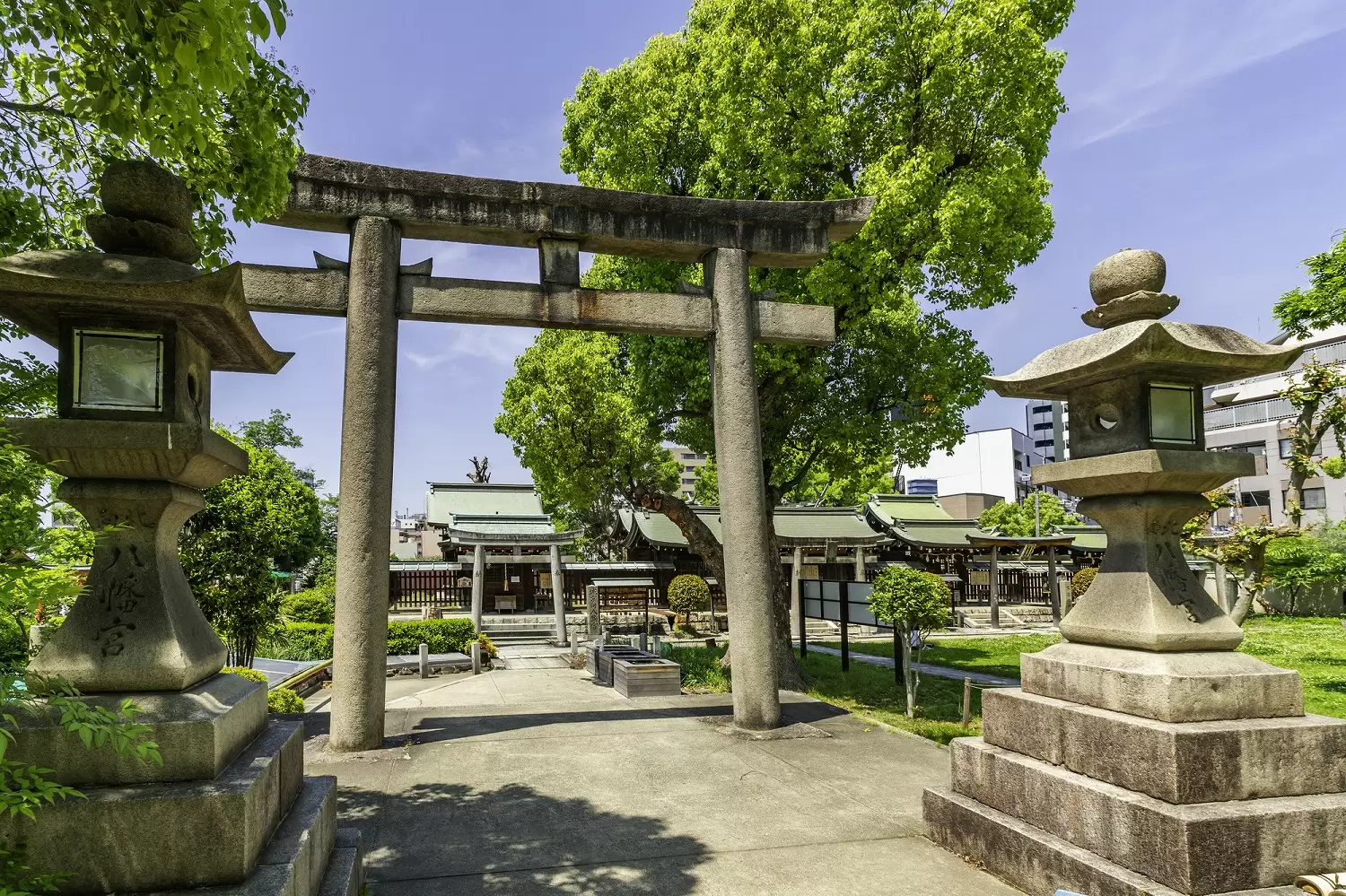
Executive Overview
As the stifling humidity of the Japanese summer gives way to the crisp, restorative breezes of September, the Kansai region undergoes a profound cultural and meteorological transformation. Positioned less than an hour apart via highly efficient rail networks, the dynamic urban expanse of Osaka and the ancient, temple-studded capital of Nara emerge as epicenters of living heritage. September in this region is not merely a transition between seasons; it is a meticulously preserved calendar of high-energy community rituals, spiritual observances aligned with lunar cycles, and seasonal floricultural displays that draw hundreds of thousands of domestic and international visitors.
The early autumn festival ecosystem in Osaka and Nara offers a fascinating sociological study in contrasts. On one hand, visitors encounter the breathless, thunderous adrenaline of four-ton wooden danjiri floats careening around urban corners at a full sprint. On the other, they find the silent, meditative poetry of kangetsu (moon-viewing) ceremonies under ancient shrine bridges, where Heian-period court dances are performed to honor the harvest moon.
This comprehensive report examines the ten premier annual events and festivals defining the September cultural landscape across Osaka Prefecture and Nara Prefecture. By evaluating these celebrations through the lenses of historical continuity, economic tourism impact, logistical frameworks, and community preservation, this analysis provides an authoritative guide for travelers, researchers, and cultural strategists navigating early autumn in Kansai.
Detailed Chronology of September Events in Osaka and Nara
To fully comprehend the temporal architecture of Kansai’s September festival circuit, events must be examined chronologically. The calendar begins with centuries-old storytelling traditions and builds toward grand equinoctial markets and moon-viewing pageantry.
1. Hikohachi Rakugo Festival (Early September: September 1–2)
The cultural calendar kicks off at Ikutama Shrine in Osaka’s historic Tennoji district. The festival commemorates Yonezawa Hikohachi (who died in 1714), the foundational figure of Kamigata (Osaka-style) rakugo—a traditional form of solo comic storytelling. Unlike modern theatrical performances, this festival collapses the barrier between artist and audience. Professional rakugo masters step down from formal stages to manage street food stalls, host open-air comedy routines, and engage directly with attendees. The event serves as a vital anchor for regional humor, preserving dialect, socio-cultural satire, and oral performance arts that date back to the Edo period.
2. Koiya Festival / Yosakoi Dance Festival (Mid-September: September 12–13)
Shifting from classical storytelling to contemporary kinetic performance, the Koiya Festival represents Osaka’s largest celebration of Yosakoi, an energetic, high-tempo hybrid of traditional Japanese folk dancing and modern street choreography. Centered around the iconic backdrop of Osaka Castle Park and various downtown stages, the mid-September festival brings together nearly 100 teams from across the Japanese archipelago. Performers clad in kaleidoscopic, flowing costumes execute synchronized routines driven by heavy percussion, jazz-infused beats, and infectious chants. Beyond the competitive showcases, the festival acts as an important culinary bridge, anchoring traditional street fare such as takoyaki and okonomiyaki within a modern youth-culture framework.
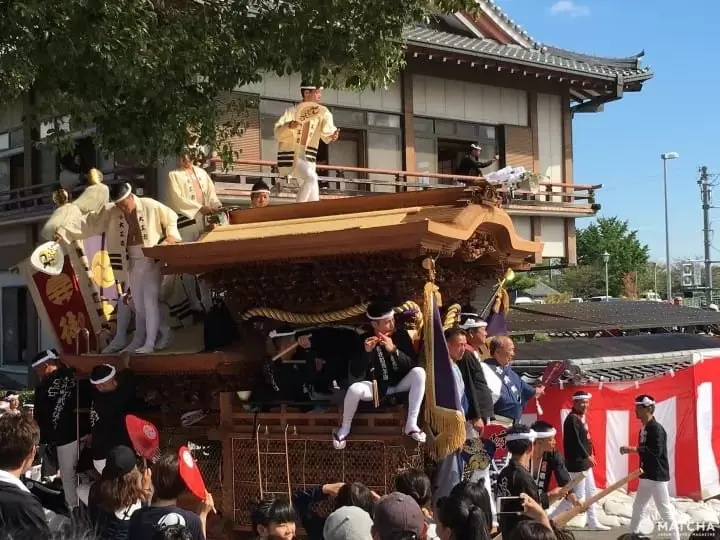
3. Kishiwada Danjiri Festivals (Late September: September 19–20)
Undoubtedly one of Japan’s most visually arresting and physically demanding autumn festivals, the Kishiwada Danjiri Festival in Osaka Prefecture showcases intricately carved wooden floats (danjiri), weighing upwards of four metric tons. Teams of local men and women pull these massive structures at a full sprint through narrow, twisting residential streets. Atop the danjiri, the daikugata (carpenter leaders) perform daring, acrobatic dances to direct the momentum.
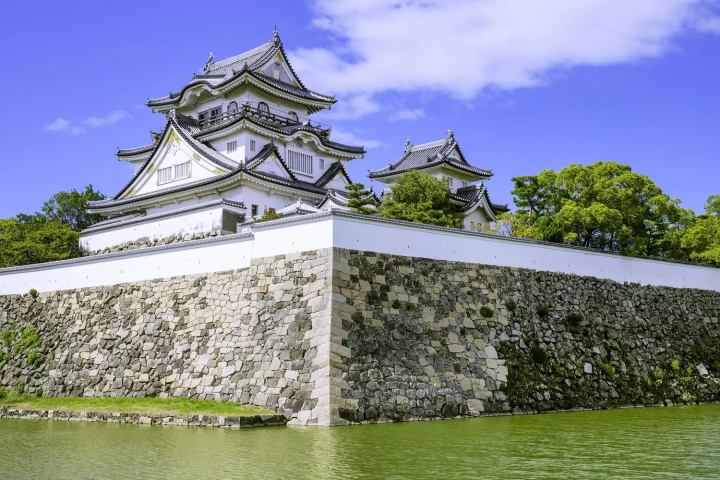
A vital counterpoint occurs the evening before the main race, known as Yoimiya (September 20). High-speed racing gives way to a serene procession where children gently guide the floats through neighborhoods illuminated by over 200 glowing paper lanterns. Paired with a visit to the adjacent Kishiwada Castle, the festival offers an unparalleled blend of localized adrenaline and historic architecture.

4. Toyono Cosmos Flower Festival (Late September to Mid-October: September 20 – October 10)
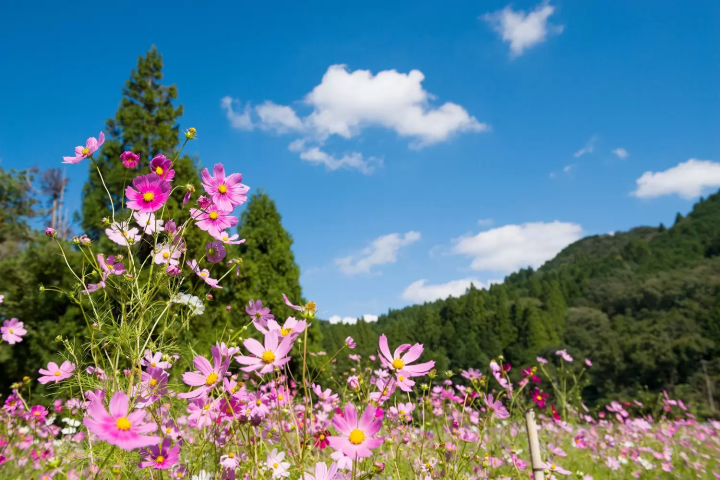
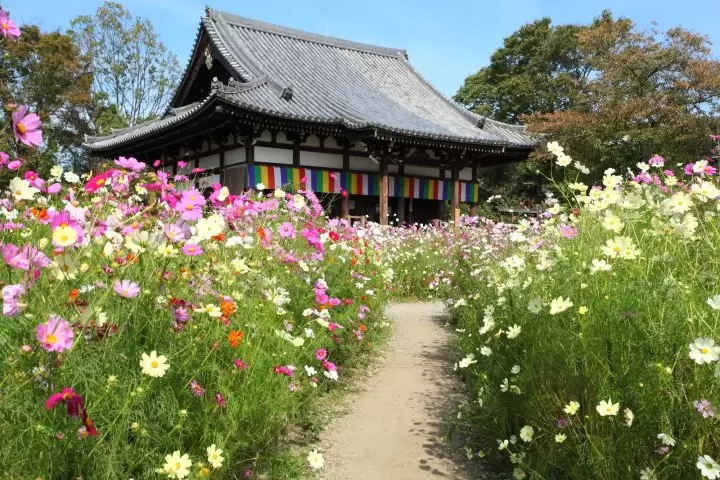
Marking the shift toward natural landscapes, the Toyono Cosmos no Sato transforms the northern countryside of Osaka Prefecture into a vibrant palette of pink, white, and magenta. Spanning a sprawling one-hectare field, roughly one million cosmos flowers bloom simultaneously, creating living mazes of towering blossoms that tower over visiting pedestrians. Accessible via a combination of Hankyu bus routes and local demand taxis, this festival highlights the lesser-known rural biodiversity of Osaka, offering a tranquil escape from the urban core.
5. Shitennoji Temple Autumn Equinox Antique Market (September 20–22)
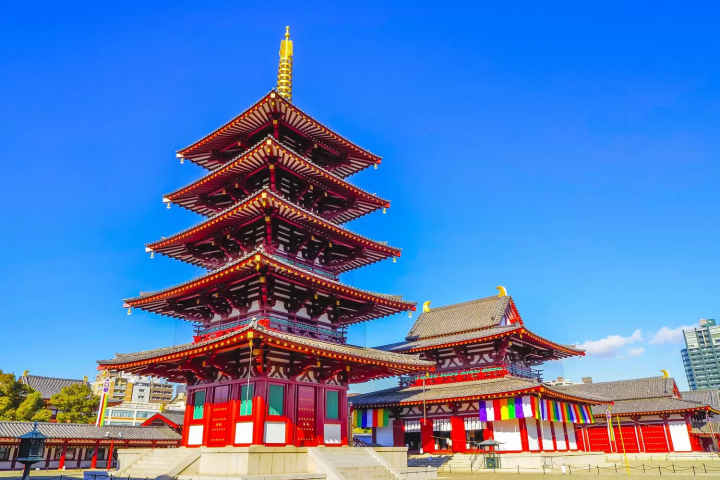
Coinciding with the Buddhist Higan-e autumn equinox celebrations, Shitennoji Temple—founded in 593 AD by Prince Shotoku—hosts its most significant flea market of the year. Between 300 and 500 vendor stalls colonize the sacred temple grounds, offering an astonishing array of material culture: vintage kimonos, pre-war ceramics, rare currency, samurai armor fragments, and vintage theater masks. The market functions as an informal open-air museum where everyday artifacts of Japanese history are bought, sold, and preserved by collectors and casual visitors alike.

6. Uneme Festival at Sarusawa Pond, Nara (Late September: September 25)
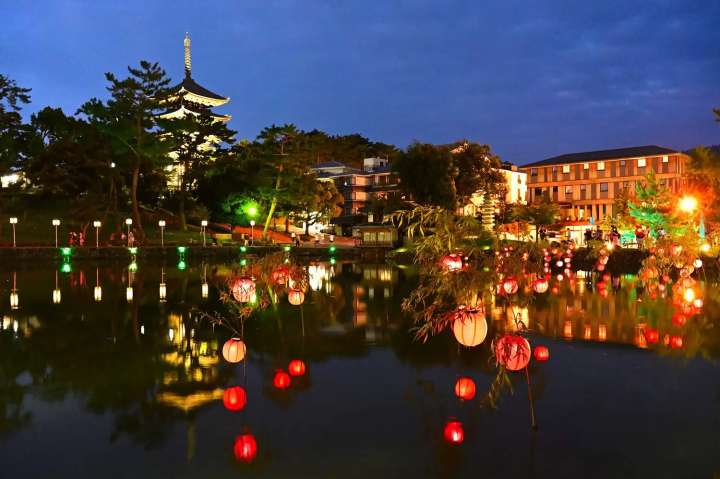
Crossing the prefectural border into ancient Nara, the Uneme Festival offers a deeply poignant evening of remembrance. Held on the night of the autumn Harvest Moon (Chushu no Meigetsu), the festival honors an ancient court lady serving at the Imperial court who, according to legend, drowned herself in Sarusawa Pond after falling out of the Emperor’s favor.
The rituals commence with a solemn Shinto service at Uneme Shrine (a sub-shrine of Kasuga Taisha), followed by a lavish costume parade featuring locals dressed in authentic eighth-century Tenpyo-era attire. As dusk settles, decorative dragon-headed watercraft glide silently across the moonlit surface of Sarusawa Pond, carrying ritual offerings while musicians perform haunting gagaku imperial court music.
7. Sumiyoshi Taisha Kangetsusai / Moon-Viewing Festival (Late September: September 25)
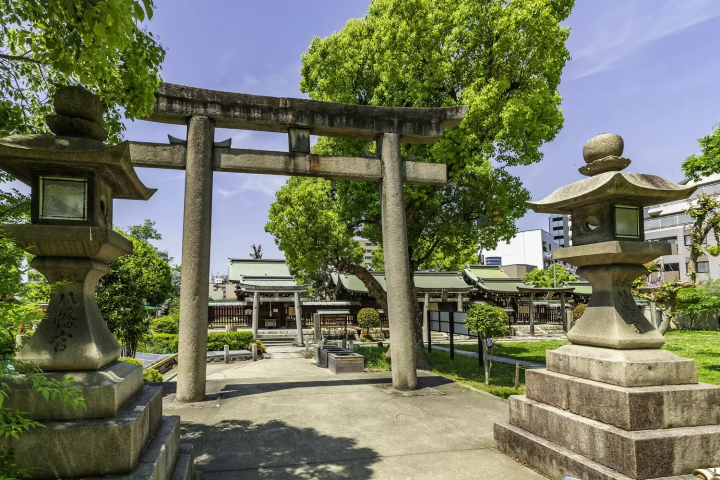
Simultaneously in Osaka, Sumiyoshi Taisha—a shrine whose maritime poetry is immortalized in the eighth-century Man’yoshu anthology—hosts its annual Kangetsusai. The focal point of the evening is the shrine’s iconic, steeply arched Sorihashi Bridge. Shinto priests gather atop the illuminated span to chant classical waka, tanka, and haiku poetry, while performers clad in traditional Heian-period court regalia execute stately bugaku dances. The synthesis of classical literature, ancient music, and architectural splendor makes this one of Kansai’s most spiritually evocative nights.
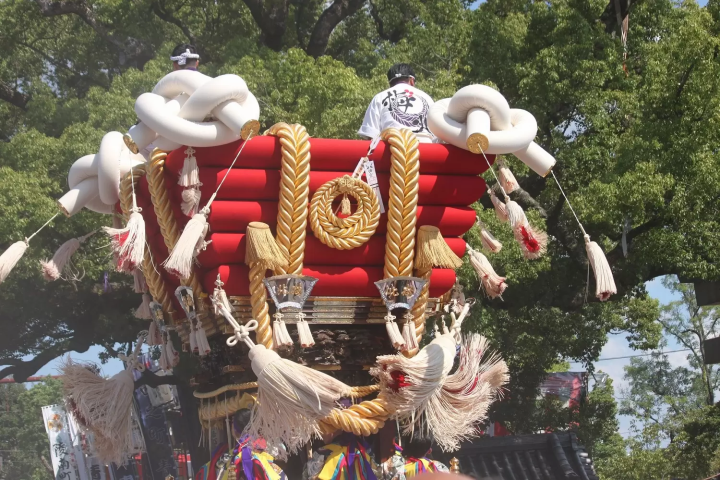
8. Mozu Hachimangu Autumn Festival / Futondaiko Matsuri (Late September: September 26–27)
Rooted in a 300-year tradition tied to the mid-autumn harvest moon, Sakai City’s Mozu Hachimangu Shrine hosts the Futondaiko Matsuri. Teams consisting of more than 70 men carry nine colossal futondaiko—portable shrines topped with five massive, stacked red square cushions designed to symbolize stacked bedding, accented by swaying rice-plant tassels that pray for agricultural abundance. Accompanied by thunderous taiko drumming and hypnotic chants of "Beera beera bera shoshoi," the bearers rhythmically sway the heavy structures under the autumn moon in a display of collective physical endurance and communal solidarity.
9. Nara Art Festival (Early Autumn through Late November: August 25 – November 30)
Encompassing a broad temporal window, the Nara Art Festival represents an inclusive, community-driven cultural consolidation of the former Nara Prefectural Arts Festival and the Disabled People’s Arts Festival. Spanning major venues such as the Nara Prefectural Kashihara Cultural Hall Gallery and Todaiji Temple, the initiative democratizes cultural access. Throughout autumn, the festival presents open-air music concerts, traditional theatrical showcases, modern dance recitals, film screenings, and hands-on workshops designed for participants of all ages and physical abilities.
10. Cosmos Flower Festival at Hannya-ji Temple, Nara (Late September)
Concluding the September festival cycle, Hannya-ji Temple in Nara—historically consecrated in the seventh century as a spiritual fortress protecting the ancient capital from northeast malevolent energies—transforms into "Cosmos-dera" (the Cosmos Temple). Approximately 150,000 pink and white cosmos blossoms carpet the temple precincts. The delicate floral displays frame ancient stone pagodas and fill glass display cubes, creating an arresting juxtaposition of fragile nature and eternal stone architecture.
Supporting Context & Metrics: Economic and Tourism Impact
The early autumn festival circuit in Osaka and Nara serves as a vital economic engine for the Kansai region, driving domestic tourism expenditure and smoothing out seasonal travel troughs that traditionally follow the oppressive summer heat and the domestic Obon holiday rush in August.
Visitor Demographics and Economic Footprint
According to regional tourism bureaus in Osaka and Nara, September hotel occupancy rates in urban centers such as Namba, Umeba, and Nara City hover consistently above 82%, bolstered by the confluence of long weekends (such as Silver Week) and major festival dates.
- Day-Trip Dynamics: While international tourists frequently base themselves in Osaka’s transit hubs, events like the Uneme Festival and Hannya-ji Temple’s cosmos blooming drive significant same-day cross-border rail traffic via the Kintetsu Railway and JR West networks. Over 1.5 million passengers utilize these corridors specifically for weekend festival attendance during September.
- Local Commerce: Festivals such as the Kishiwada Danjiri and Shitennoji Antique Market generate millions of dollars in micro-economies. Street vendors (yatai), local artisanal ceramicists, antique dealers, and neighborhood eateries report up to a 40% increase in gross revenues during active festival windows compared to standard autumn weekends.
Infrastructure and Logistics
Managing millions of spectators requires sophisticated municipal coordination. For instance, the Kishiwada Danjiri Festival requires street-level barricade deployment, specialized medical tents for treating sprint-related injuries, and precise rolling traffic closures enforced by municipal police and local volunteers. Similarly, crowd management protocols at Sumiyoshi Taisha and Mozu Hachimangu rely heavily on designated viewing corridors to ensure pedestrian safety during high-density evening rituals.
Official Statements and Cultural Preservation Perspectives
Local governance bodies, shrine authorities, and cultural preservationists increasingly view these autumn festivals not merely as tourist spectacles, but as crucial conduits for intergenerational knowledge transfer.
"The essence of the Danjiri or the Futondaiko is not found in the speed of the run or the weight of the cushions, but in the invisible social glue that binds our neighborhoods together," noted a representative from the Osaka Prefectural Tourism Division. "When young children pick up the lantern ropes or learn the traditional festival chants from their elders, they are actively participating in the continuous reinvention of our shared history."
In Nara, temple administrators emphasize the philosophical alignment between nature and sacred architecture during the autumn transition. A head priest at Hannya-ji Temple remarked:

"The blooming of the cosmos amidst our seventh-century stone monuments reminds us of the Buddhist concept of impermanence. The flowers fade, the stone remains, but the spiritual practice of honoring the changing seasons endures unbroken for over a millennium."
Preservation strategies have also adapted to modern imperatives. Municipalities across Osaka and Nara have expanded multilingual digital infrastructure, providing real-time festival schedules, GPS-tracked event maps, and detailed etiquette guidelines for international visitors regarding photography rules, shrine protocols, and crowd safety.

Future Outlook: Sustainable Tourism and Heritage Management
As the Kansai region prepares for an expected surge in inbound global tourism—catalyzed by major international expositions and infrastructure investments—the management of early autumn festivals faces both opportunities and structural challenges.
Key Strategic Focus Areas for the Coming Decade:
- Overtourism Mitigation: Authorities in Nara are implementing dispersion strategies, encouraging visitors to explore peripheral cultural sites like Toyono or outlying Nara temples to alleviate pedestrian congestion at primary landmarks like Sarusawa Pond and Todaiji Temple.
- Environmental Sustainability: Festival organizers are transitioning toward zero-waste initiatives at yatai food stalls, phasing out single-use plastics in favor of biodegradable serviceware, mirroring broader Japanese municipal mandates for carbon neutrality by 2050.
- Digital Archiving: Cultural ministries are increasingly investing in high-definition 360-degree video archiving of intangible cultural assets, such as bugaku dances at Sumiyoshi Taisha and oral rakugo performances at Ikutama Shrine, ensuring global accessibility and long-term academic preservation.
Ultimately, the early autumn events in Osaka and Nara demonstrate a masterful synthesis of historical fidelity and contemporary adaptability. By honoring their agrarian, literary, and martial roots while welcoming a global audience, these celebrations ensure that the vibrant spirit of Kansai continues to thrive well into the future.



Belum ada komentar. Jadilah yang pertama berkomentar!