

Executive Overview
The video game industry has long operated on a relentless cycle of forward momentum, characterized by iterative sequels, massive technological leaps, and billion-dollar blockbusters engineered to capture the contemporary cultural zeitgeist. Yet, a fascinating counter-trend has taken root across the digital landscape. Publishers and developers are increasingly turning their gaze backward, breathing new life into decades-old classics through unexpected updates, remastered editions, and—most intriguingly—brand-new expansions released long after these titles were originally thought dead and buried.
From CD Projekt Red’s upcoming additions to The Witcher 3 to Nightdive Studios weaving a brand-new campaign into their Thief remaster, perennial favorites are proving resilient against the passage of time. Nowhere is this phenomenon more vital, or more necessary, than in the real-time strategy (RTS) genre. For a style of game that defined PC gaming through the late 1990s and early 2000s, the modern era has been a paradox. While modern attempts to resurrect the genre—such as Company of Heroes 3, Homeworld 3, and Stormgate—have frequently stumbled or struggled to capture the magic of yesteryear, classic titles continue to maintain robust, fiercely loyal player bases.
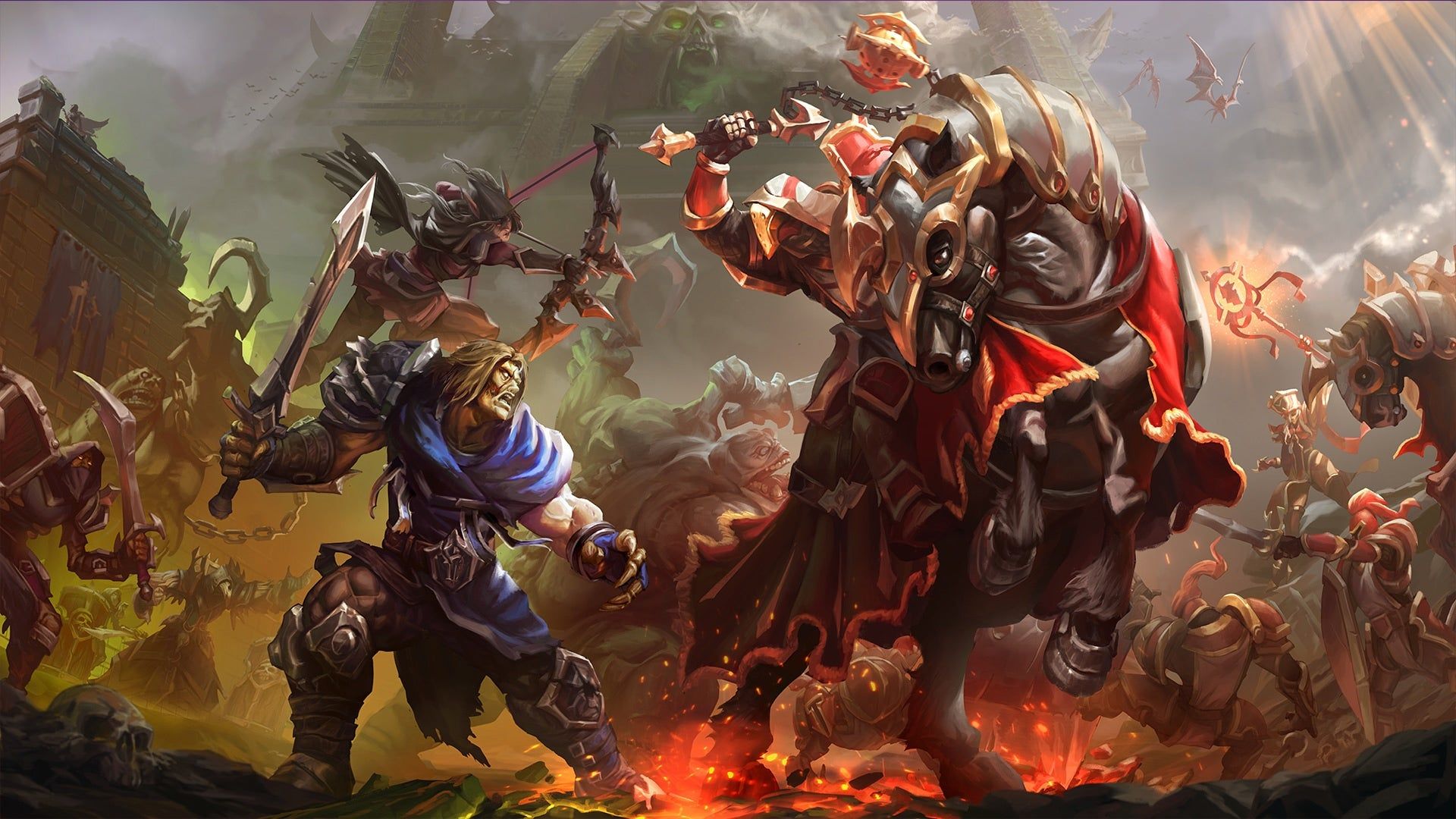
The recent announcement of the Warcraft 3 Reforged: Forsaken Kingdom expansion has thrown this dynamic into sharp relief. By injecting fresh narrative campaigns, units, and maps into a foundational genre pillar, Blizzard has demonstrated that old RTS games do not merely belong in museums; they remain fertile ground for active development. As the industry grapples with skyrocketing development costs and an oversaturated market of live-service giants, looking to the past might just be the most forward-thinking path available.
Detailed Chronology: The Evolution of RTS Longevity and Revival
To understand why belated expansions represent a watershed moment for strategy games, one must trace how the RTS genre arrived at this crossroads of nostalgia and innovation.
The Golden Age and the Abrupt Stall (1995–2010)
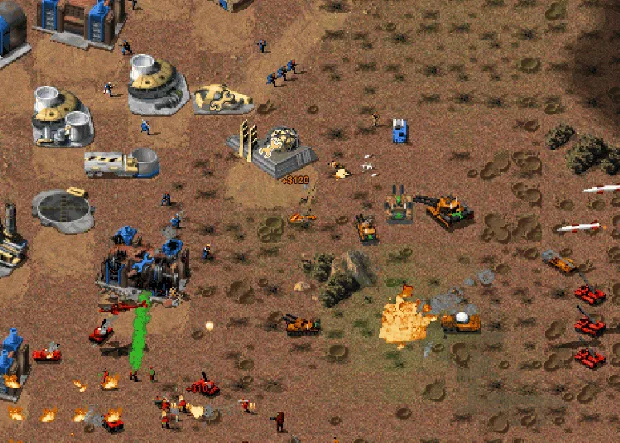
During the late ’90s and throughout the 2000s, real-time strategy games were the absolute kings of PC gaming. Landmark releases like Westwood Studios’ Command & Conquer (1995), Ensemble Studios’ Age of Empires (1997), Blizzard Entertainment’s StarCraft (1998) and Warcraft 3: Reign of Chaos (2002), and Relic Entertainment’s Warhammer 40,000: Dawn of War (2004) fundamentally shaped how players interacted with virtual worlds.
Expansion packs during this era—such as Warcraft 3: The Frozen Throne or Brood War—were monumental events. They didn’t just add cosmetic items; they radically shifted competitive metagames, introduced entirely new factions, and delivered sprawling narrative arcs that rivaled traditional RPGs. However, by the early 2010s, the genre hit a massive wall. The rise of Multiplayer Online Battle Arenas (MOBAs)—born directly from Warcraft 3 custom maps—alongside the commercial dominance of first-person shooters and open-world action games, caused major publishers to pivot away from the capital-intensive demands of traditional RTS development.
The Remaster Era and Microsoft’s Blueprint (2018–2023)
As traditional RTS development ground to a near halt, publishers realized that their back catalogs still held immense value. Microsoft led the charge with its Age of Empires: Definitive Edition series, systematically updating its classic library with modern resolutions, quality-of-life features, and crucially, brand-new content expansions like Lords of the West and Dynasties of India for Age of Empires 2.
This strategy proved that communities were more than willing to pay for fresh content in decades-old engines. Simultaneously, modding communities kept titles like Command & Conquer: Red Alert 2 and Supreme Commander alive through massive, total-conversion projects, proving that the demand for classic RTS mechanics never actually vanished—it was simply underserved.
The Modern Renaissance of Belated Content (2024–Present)
The current era has marked a definitive shift from passive preservation to active expansion. The release of Relic’s Dawn of War: Definitive Edition crossed significant sales milestones, proving the enduring commercial viability of budget-priced, spruced-up classics.
This momentum culminated in shocking fashion with the reveal of the Warcraft 3 Reforged: Forsaken Kingdom expansion. Arriving over two decades after the original game’s heyday, this release serves as an explicit acknowledgment by major studios that returning to the roots of their foundational franchises—rather than constantly chasing elusive trends with unproven intellectual properties—is a viable, profitable, and deeply appreciated enterprise.
Supporting Context & Metrics: The Numbers Behind the Nostalgia
The economic and cultural viability of classic RTS expansions is supported by clear industry data and community engagement metrics.
| Game / Franchise | Original Release Year | Modern Milestone / Sales Data | Community Engagement Trend |
|---|---|---|---|
| Age of Empires II | 1999 (Original) / 2019 (DE) | Consistently outperforms its modern successor, Age of Empires IV, in concurrent Steam players. | Highly active competitive scene, sustained by regular DLC releases from World’s Edge. |
| Dawn of War (Series) | 2004 | Dawn of War: Definitive Edition surpassed 750,000 copies sold following its recent release. | Persistent modding scene (Unification Mod, Combined Arms) indicating ravenous appetite for faction additions. |
| Warcraft 3 Reforged | 2002 (Original) / 2020 (Reforged) | Forsaken Kingdom expansion announced at BlizzCon 2026, marking the first new campaign in 23 years. | Dramatic surge in community discussion and goodwill following efforts to salvage the maligned remaster’s reputation. |
| Command & Conquer | 1995 / 2000 (Red Alert 2) | Remastered Collection (2020) achieved critical acclaim and strong commercial reception. | Ongoing player requests for a dedicated Red Alert 2 remaster and subsequent mission packs. |
As these figures illustrate, older strategy games possess a "long tail" that few modern blockbusters can match. While a new AAA open-world game experiences a sharp spike in players at launch followed by a rapid decline, classic RTS games function as digital heirlooms. Players return to them year after year because their core design loops—resource management, base building, tactical maneuvering, and twitch-heavy micro-management—offer an intellectual stimulation that modern action-heavy adaptations often dilute.
Official Statements and Industry Perspective
The shift toward updating older titles reflects a broader industry reckoning regarding risk management and creative authenticity. While major publishers have historically viewed old software as dead assets once their fiscal quarters close, studio veterans and developers are beginning to champion the preservation and active expansion of historical codebases.
Speaking on the challenges of modern RTS development versus the stability of classic titles, industry analysts point to the unique psychological bond players have with strategy games. Unlike narrative-driven single-player adventures that are consumed once and shelved, RTS titles are platforms for endless self-expression and mastery.
"The RTS is a genre where players build deep, almost symbiotic relationships with the mechanics and factions they spent their formative gaming years mastering," notes industry strategist Marcus Vance. "When a developer steps in 15 or 20 years later to deliver a new campaign or a fresh faction, it doesn’t feel like a cheap cash-grab. To the community, it feels like an unexpected letter from an old friend. The technical risk is mitigated because the foundation is rock-solid, allowing creative teams to focus entirely on delivering pure, unadulterated gameplay joy."
Furthermore, the mixed reception of recent standalone RTS titles—such as Homeworld 3 or Stormgate—has highlighted how difficult it is to recapture the lightning-in-a-bottle magic of the genre’s golden era from scratch. By leveraging established platforms through curated DLC packs, publishers can bypass the perilous hurdles of onboarding players to entirely new rulesets, focusing instead on satisfying the refined palates of veteran tacticians.
Future Outlook: Where Do We Go From Here?
The success of the Warcraft 3 Reforged expansion and Microsoft’s ongoing stewardship of the Age of Empires franchise establish a powerful precedent that other legacy holders would be wise to follow.
If major corporations are willing to look past their obsession with unproven live-service gambles and open-world shooters slated for the next decade, the potential for belated RTS expansions is virtually limitless:
- Command & Conquer: Red Alert 2 – Expanded Operations: Given the monumental success of the 2020 Remastered Collection, a modernized version of Red Alert 2 coupled with a new faction or a campaign exploring alternate timelines (such as Yuri’s clandestine temporal exploits) would undoubtedly galvanize the community.
- Rise of Nations and Supreme Commander: These grand-scale RTS titans feature mechanics regarding map control and economic scaling that modern games rarely replicate. Introducing new tech trees, high-definition asset touch-ups, and targeted mission packs would provide a renewed lease on life for titles that already boast fiercely dedicated fanbases.
- Star Wars: Empire at War: Despite releasing in 2006, this iconic strategy title boasts one of the most active modding communities on Steam Workshop, routinely producing total-conversion mods rivaling official releases. An official expansion pack sanctioned by Lucasfilm Games could effortlessly monetize an audience that has kept the game afloat for nearly two decades.
Ultimately, while the gaming industry will always chase the horizon of next-generation technology, the resurgence of classic RTS expansions proves that looking backward is not a sign of stagnation. For a genre characterized by deep strategy, tactical foresight, and enduring nostalgia, returning to the past may well prove to be the smartest strategic move developers can make.







Belum ada komentar. Jadilah yang pertama berkomentar!