

Executive Overview
- The Core Event: Larian Studios’ critically acclaimed role-playing masterpiece, Baldur’s Gate 3, features numerous atmospheric, spooky, and tension-filled sequences across its sprawling Acts. However, none match the sheer mechanical terror and psychological dread of the Iron Throne—an underwater penal colony situated deep beneath the churning waters of the Sword Coast.
- The Stakes: Accessed via a submarine commandeered in Act 3, the Iron Throne serves as a deep-sea prison camp overseen by the primary antagonist, Enver Gortash. Upon the player’s arrival, Gortash initiates a catastrophic countdown, triggering a six-round timer that guarantees the total flooding and structural collapse of the facility, crushing any remaining inhabitants into oblivion.
- The Impact: Unlike standard combat encounters where death is merely a temporary setback mitigated by quickloads or magical resurrection, the Iron Throne subverts standard mechanical expectations. It imposes severe emotional, narrative, and systemic consequences for failure, transforming a traditional rescue mission into a high-stakes, turn-based tactical puzzle that forces players to confront the biting reality of permanent loss.
Detailed Chronology: Descent into the Depths
The psychological journey into the Iron Throne begins long before the player sets foot on the damp, metallic decks of the submersible. It starts in the bustling, corrupt streets of the Lower City of Baldur’s Gate, where hints of a secret prison operated by the Banite-controlled Gondian steelwatch orchestrators begin to surface.
The Approach and Infiltration
Players who manage to secure passage aboard the Redhammer’s submersible find themselves plunging into the sunless depths of the Chionthar estuary. The transition from the urban grit of the upper world to the claustrophobic, industrial dampness of the underwater facility establishes an immediate sense of isolation.
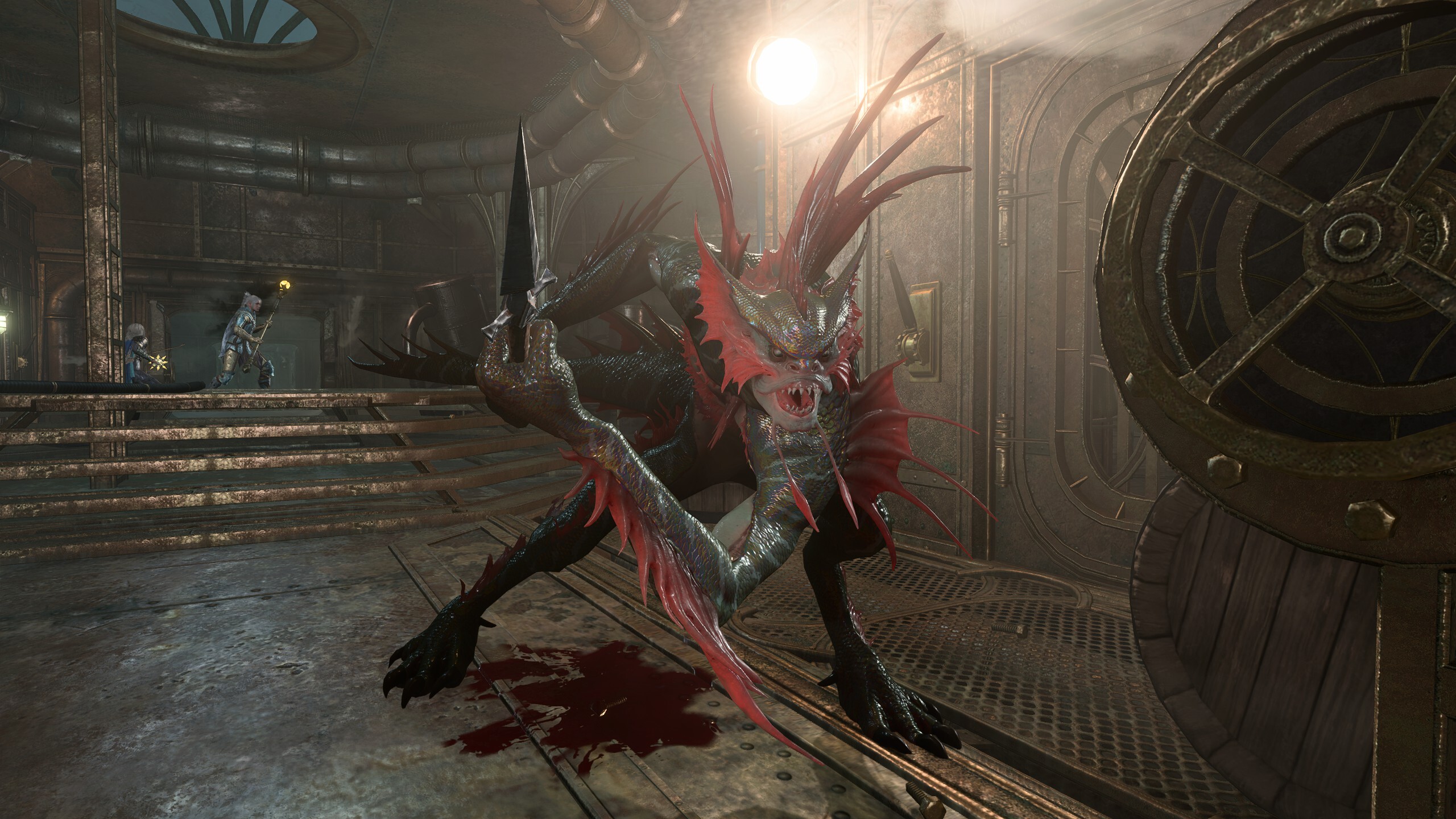
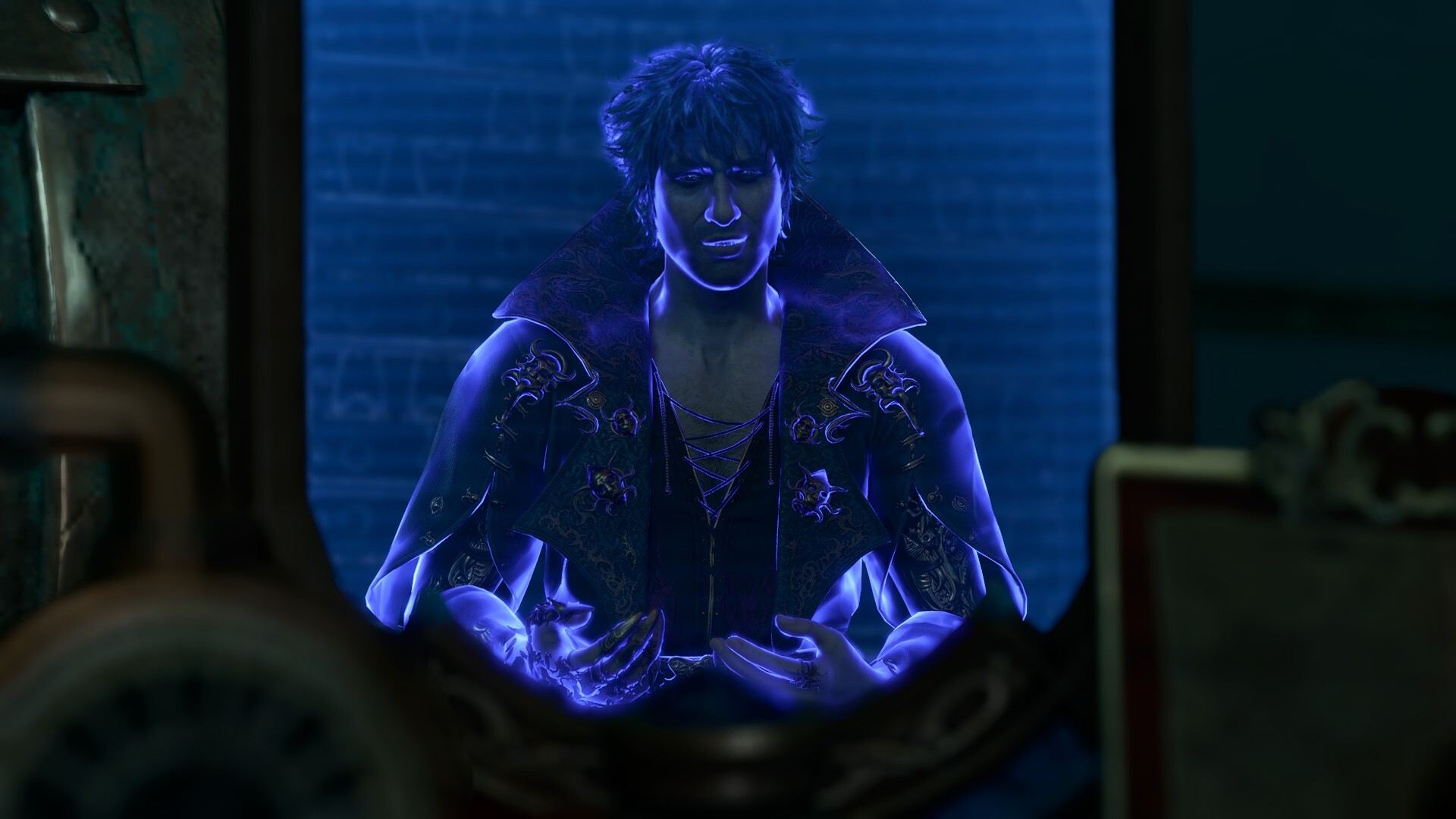
Upon docking, the illusion of tactical control shatters almost instantly. Enver Gortash, ever the master of psychological warfare, communicates via intercom to mock the intrusion, instantly initiating the facility’s self-destruct and automated flooding sequence. The countdown begins: six rounds—six turns of the action economy—to unlock cells, defeat or evade patrolling Sahuagin and mechanical defenses, marshal panicked civilian NPCs, and sprint back to the safety of the submarine airlock.
The Desperate Rescue Operation
The true horror of the Iron Throne lies not in jump scares or monstrous gore, but in the agonizing logistics of triage. The prison is laid out like a subterranean spiderweb, featuring branching corridors leading to locked holding cells containing Gondian gnomes, their families, and—critically—important narrative figures such as the Duke Ravengard, whose survival is tied deeply to personal companion questlines (specifically, Wyll’s pact with Mizora).
As the rounds tick away, the environmental hazards compound:
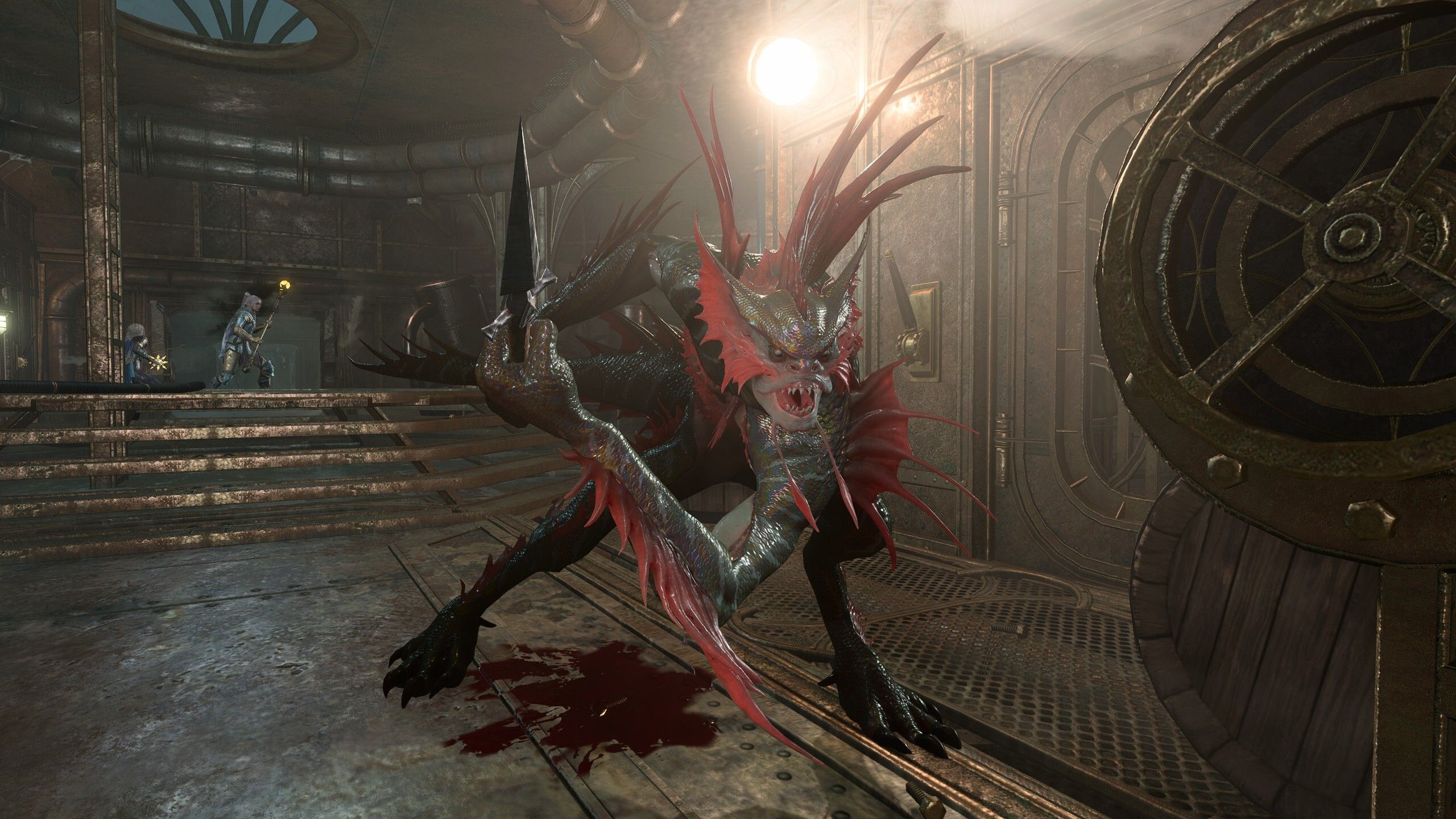
- Flooding Corridors: Lower levels and open grates rapidly fill with water, rendering certain pathways impassable and threatening drowning status conditions.
- Reinforcements: Waves of hostile Sahuagin spawn from the abyssal depths, swarming the narrow corridors and actively hunting down the defenseless civilian prisoners attempting to flee.
- The Triage Dilemma: Because movement speed, action points, and spell slots are finite resources, players quickly realize that saving everyone requires absolute optimization. Characters must be utilized as specialized extraction units, deploying Haste, Dimension Door, Telekinesis, and Pacing Potions to push past the brink of mortal exhaustion.
The Aftermath and Consequences
When the final round expires, the iron hatches seal. Any characters or NPCs left stranded inside are washed away, their bodies either consumed by the ocean or, in Honor Mode, permanently erased from the campaign. For surviving NPCs, Larian Studios’ signature writing depth ensures that every saved gnome has a name, a family history, and a unique post-rescue dialogue tree. Conversely, failing to save them means facing the haunting, visceral grief of their surviving loved ones back on the surface docks—a punishment far more piercing than a simple "Game Over" screen.
Supporting Context & Metrics: Breaking Down the Mechanics of Fear
To understand why the Iron Throne resonates so deeply with players, one must examine how Larian Studios weaponized game mechanics to manufacture authentic panic. In modern video game design, failure is frequently decoupled from consequence. Through the ubiquity of quicksaving (the beloved F5/F8 loop) and modern roguelike loops where death resets the board, players have grown accustomed to infinite do-overs.
The Psychology of Savescumming Deterrence
The Iron Throne actively combats the instinct to savescum through sheer friction. While a player can technically reload their save from the moment before boarding the submersible, the sheer density, length, and tactical exhaustion of the encounter make restarting unappealing.
- Time Investment: A single optimal run of the Iron Throne can take upwards of 45 minutes to an hour of meticulous movement planning, positioning, and chess-like calculation.
- The Honor Mode Threshold: In standard difficulties, deceased NPCs and stranded party members can technically be resurrected or mourned. In Honor Mode, however, the Iron Throne represents one of the single most lethal chokepoints in the entire 100+ hour campaign. One misplaced click, one failed saving throw against paralysis, or a single miscalculated dash can instantly ruin an entire dozens-of-hours playthrough.
Comparative Level Design in RPGs
When stacked against traditional horror tropes within Baldur’s Gate 3—such as the gothic decay of Cazador’s palace, the grotesque body horror of the Mind Flayer Colony beneath Moonrise Towers, or the uncanny encounters within the shadow-cursed lands—the Iron Throne stands apart.
While locations like Moonrise Towers rely on traditional atmospheric horror (viscera, biological dread, and eerie soundscapes), the Iron Throne operates on systemic horror. It is an existential dread born of mathematics and clock management. The horror does not come from what is looking at you, but rather from the cold, indifferent digital numbers counting down from six to zero.
| Horror Element | Moonrise Towers (Mind Flayer Colony) | The Iron Throne (Undersea Prison) |
|---|---|---|
| Primary Aesthetic | Organic, visceral, BioShock-esque fleshy machinery | Industrial, claustrophobic submarine facility |
| Source of Tension | Fear of the unknown, grotesque enemy designs | Strict turn-based time limits and triage |
| Nature of Failure | Tactical defeat (party wipe / combat loss) | Narrative attrition (loss of named innocents and key allies) |
| Savescum Mitigation | Standard combat retries | Exhausting traversal density discouraging total restarts |
Official Statements and Design Philosophy
Larian Studios has frequently spoken on the importance of player agency and the beauty of "failing forward." In various post-release developer roundtables and community updates, the creative team emphasized that RPGs lose their emotional weight when success is guaranteed.
Lead designers have noted that crafting encounters where the player genuinely feels outmatched forces them to engage with the deep systemic sandbox of Dungeons & Dragons 5th Edition ruleset. Spells that might feel situational or underutilized in standard combat encounters—such as Knock, Dimension Door, Gaseous Form, and Freedom of Movement—suddenly transform into life-saving lifelines inside the Iron Throne.
Furthermore, the integration of narrative permanence aligns with Larian’s broader design philosophy: your choices and your failures belong to you. By refusing to cushion the blow of a failed rescue, the studio ensures that triumphs feel deeply earned. Emerging from the submarine hatch battered, bruised, and carrying the grief of a single lost gnome provides an authentic, resonant emotional beat that scripted cinematic cutscenes simply cannot replicate.
Future Outlook: The Legacy of Systemic Panic in RPG Design
The resounding success of the Iron Throne quest in Baldur’s Gate 3 serves as a watershed moment for modern computer role-playing games (cRPGs). It challenges developers across the industry to rethink how tension is generated in interactive media.
Moving Beyond Jump Scares
As the horror and RPG genres continue to evolve, developers frequently rely on tired tropes: cheap jump scares, unkillable stalker enemies (akin to Resident Evil’s Mr. X), or sudden shifts in camera angles. The Iron Throne demonstrates that mechanical jeopardy—putting beloved characters, accumulated progress, and narrative outcomes on the line within a tightly constrained puzzle framework—creates a far more potent and lingering anxiety.
Implications for Future Titles
Looking ahead, as players grow increasingly fatigued by predictable open-world bloat and low-stakes gameplay loops, designers are looking toward systemic interventions that respect player intelligence while punishing carelessness. The desire for "permadeath anxiety" without the prohibitive barrier of absolute roguelike repetition is a sweet spot that Larian has masterfully occupied.
Whether future expansions, spiritual successors, or competing studios choose to replicate this formula remains to be seen. However, one thing is certain: for every veteran adventurer stepping onto the docks of the Flytrap bridge once more, the distant hum of the submersible hatch opening will continue to induce a dry throat, a racing pulse, and the sobering realization that down in the dark, every single second counts.
The waves churn. The hatch opens. The prisoners are waiting.






Belum ada komentar. Jadilah yang pertama berkomentar!