For fans of cozy, pixel-art life simulators, the wait for Witchbrook has become a masterclass in patience. Originally conceptualized in the hazy early days of 2017—when publisher Chucklefish first teased it merely as “Stardew Valley meets Harry Potter”—the magic school RPG has suffered yet another delay. Exactly one year after developers shifted the game’s window from 2025 to 2026, Chucklefish and co-developer Robotality have announced a further postponement. Witchbrook is now officially slated to launch on January 28, 2027.
However, unlike previous indefinite or broad-window shifts, this delay comes with a precise calendar date. For a project that has spent nearly a decade in development, this hard deadline offers a glimmer of hope that the doors to Witchbrook College and the coastal town of Mossport will finally swing open. Priced at $25 on Steam—with physical editions planned for a later date—the game’s creators are asking players for just a little more time to ensure that every pixel, spell, and social interaction feels polished, immersive, and alive.
Detailed Chronology: A Decade-Long Journey to the Classroom
To understand the weight of the Witchbrook delays, one must look back at the arduous trajectory of its development cycle. Projects of this scale rarely travel a straight line, but Witchbrook’s path has featured massive overhauls, shifting studios, and quietly slipping release windows that have tested the resolve of the cozy gaming community.
2017–2019: The Genesis and the Hype
When Chucklefish—renowned for their success with Starbound and their role as the publisher of Stardew Valley—first teased a magic school RPG in 2017, the gaming internet ignited. At the time, the project didn’t even have an official title. It was described broadly as a social RPG where players could attend classes, cultivate magical gardens, forge friendships, and uncover secrets. The early concept art promised an isometric, vibrant world dripping with witchy aesthetic charm.
2020: The Dramatic Visual Overhaul
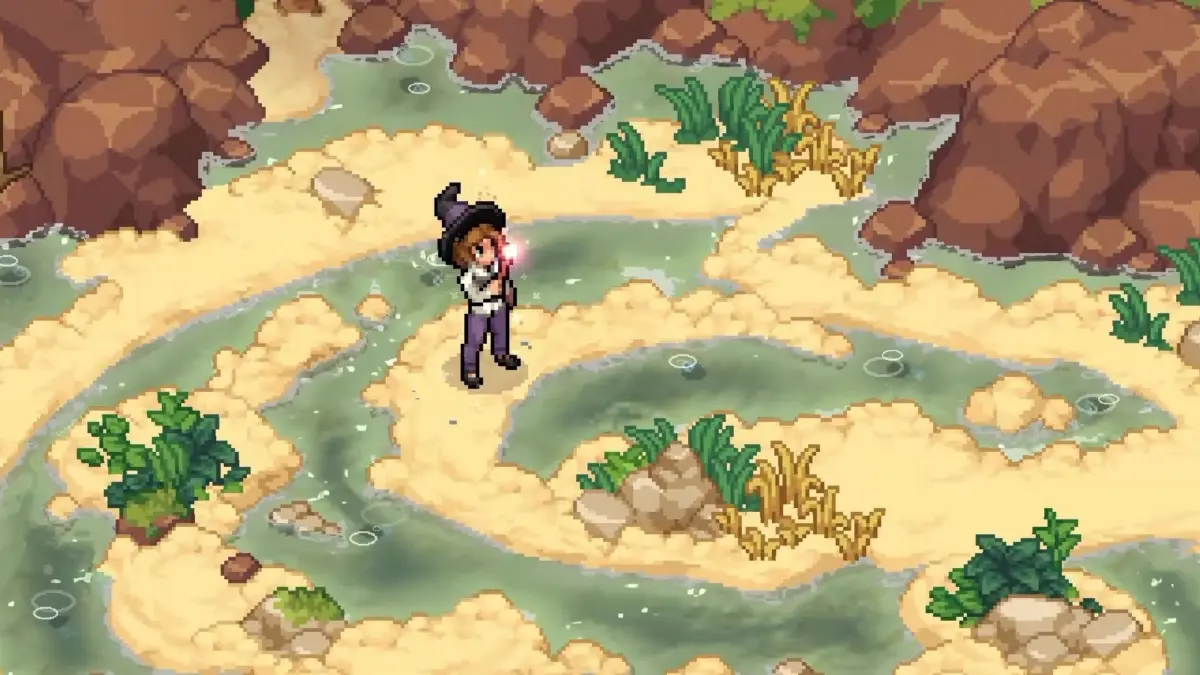
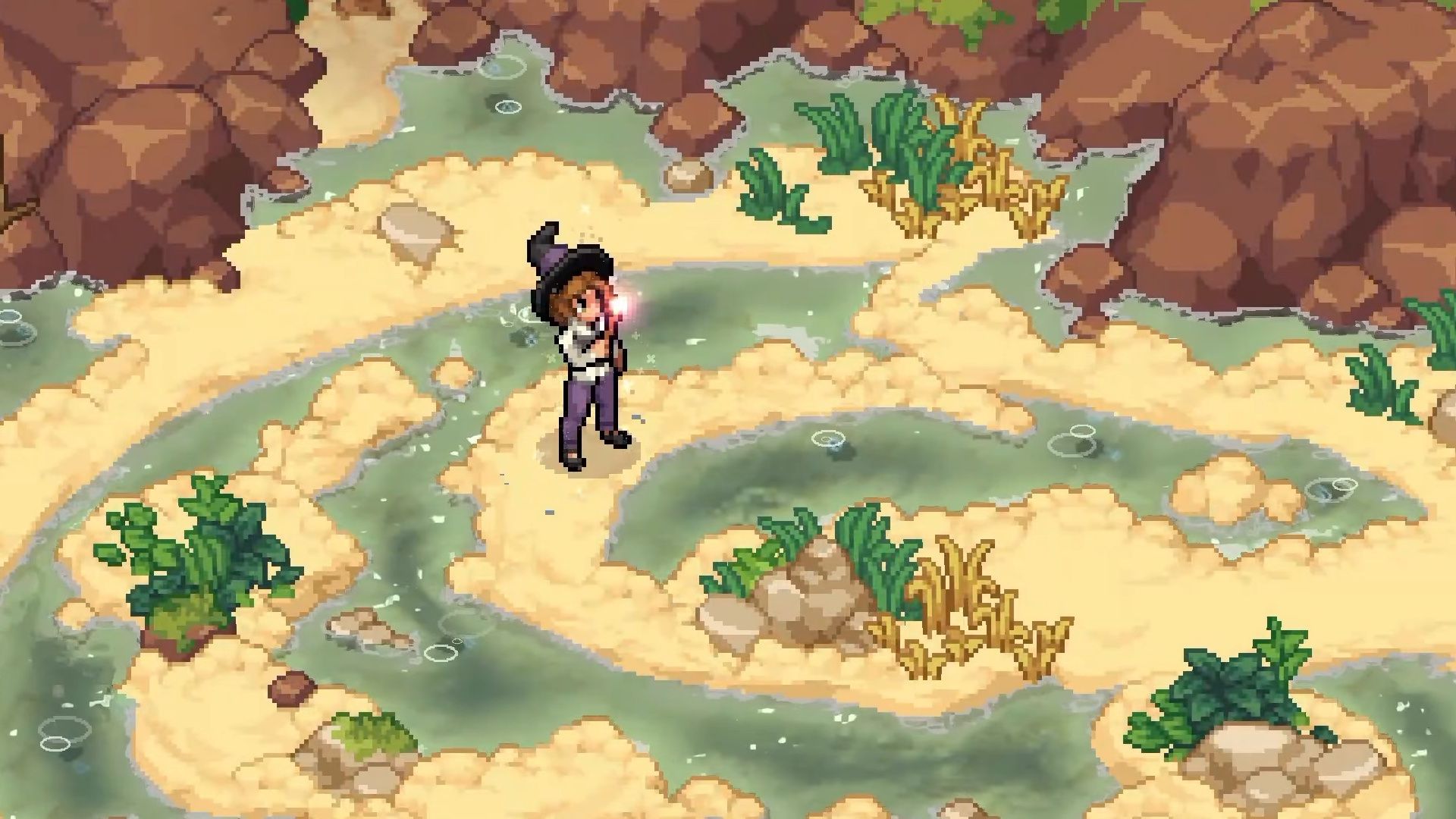
In 2020, Chucklefish pulled back the curtain to reveal a dramatic shift in the game’s artistic direction. Abandoning the earlier isometric perspective, Witchbrook was rebuilt with a top-down, detailed pixel-art style reminiscent of classic Game Boy Advance or Super Nintendo RPGs, but infused with modern lighting and fluid animations. This visual pivot won over skeptics, cementing the game as one of the most anticipated indie titles on the horizon. Players began dreaming of flying around on broomsticks with friends, attending potion-making lectures, and courting local townsfolk.
2023–2025: The Slipping Windows
As development continued under a partnership with Robotality, concrete release targets remained elusive. A major breakthrough occurred when Chucklefish finally provided a release window, sparking celebration across the cozy gaming sphere.
Unfortunately, reality set in. In 2024, the studio announced that the game needed significantly more time to hit its quality bar, pushing the launch from an anticipated window into 2026. Developers emphasized that the extra months were necessary to ensure the world of Mossport felt rich, immersive, and genuinely alive, rather than a hollow checklist of fetch quests.
2026 to Present: The Final Countdown to January 2027
Now, just as the 2026 horizon was coming into view, Chucklefish has opted for one final extension. Moving the launch to January 28, 2027, marks the first time the game has been anchored to an exact calendar day. While veteran followers of the industry treat repeated delays with healthy skepticism, the specificity of this date suggests that the core game is feature-complete and entering the final stages of bug-fixing, balancing, and optimization.
Supporting Context & Metrics: The Economics of Cozy Gaming
The anticipation surrounding Witchbrook does not exist in a vacuum. It occupies a booming sector of the video game industry: the cozy life-sim genre. Following the monumental success of titles like Animal Crossing: New Horizons, Disney Dreamlight Valley, and Stardew Valley itself, players have developed an insatiable appetite for low-stress, highly replayable experiences focused on community-building, farming, crafting, and relationship progression.
Market Positioning and Pricing Strategy
Platform Availability: Confirmed for launch on PC via Steam, priced at an accessible $25 USD.
Physical Media: Chucklefish has confirmed that physical editions will be released following the digital launch, catering to collectors and physical media enthusiasts who value box art and physical cartridges or discs.
Studio Collaboration: The project is a joint effort between Chucklefish (acting as publisher and co-developer) and Robotality (known for strategy titles like Pathway and Halfway), combining narrative-driven life-sim elements with tactical game development expertise.
Why Do Life Sims Take So Long to Make?
On the surface, a top-down pixel-art game might look simpler to construct than a massive photorealistic open-world RPG. However, life simulators present unique design challenges:
Systemic Complexity: Every NPC in Mossport requires a daily routine, schedule, dialogue trees, gift preferences, and relationship milestones that must not break when interacting with global world states.
Emergent Gameplay: Mechanics like gardening, potion crafting, broom flight, fishing, and mini-games must loop cleanly into one another without soft-locking the player or creating economic exploits.
Handcrafted Charm: As Chucklefish noted, creating a "truly handcrafted experience" means avoiding procedural generation shortcuts. Every fence post, cobblestone, and classroom desk must be painstakingly placed by an artist’s hand.
Official Statements: What Chucklefish and Robotality Have to Say
The announcement of the 2027 date was accompanied by a heartfelt message from the development teams, acknowledging the fatigue of their community while doubling down on their commitment to quality.
"We have poured detail and care into every pixel, to create a truly handcrafted experience. We can’t wait to open Witchbrook College’s grand doors to new students in January, and introduce you to the town and people of Mossport," Chucklefish and Robotality shared in their official launch date communication.
The developers did not shy away from expressing gratitude toward their community, whose patience has been tested repeatedly over the years:
"Thank you for all of your support and patience, especially within the last year, while we took the additional time to make a game we’re truly proud of. We hope you’ll enjoy immersing yourself in our magical pixel art world as much as we’ve enjoyed making it."
These statements reflect a growing industry trend: developers choosing to absorb the backlash of delayed release dates rather than releasing an unfinished product that could permanently damage a game’s reputation in an unforgiving market.
Future Outlook: Will Witchbrook Deliver on Its Magical Promise?
As the gaming calendar sets its sights on early 2027, the pressure on Chucklefish and Robotality is immense. Witchbrook has carried the heavy burden of the "next Stardew Valley" moniker for nearly a decade. When expectations are allowed to compound over nine years of conceptual teasers and visual updates, meeting them is a monumental hurdle.
Yet, there is ample reason for optimism. Chucklefish has a proven track record of nurturing indie masterpieces, and the decision to take extra time—rather than rushing an incomplete build to meet an arbitrary financial quarter—demonstrates integrity.
When January 28, 2027, finally arrives, players will find out whether Mossport and Witchbrook College were worth the decade-long wait. Until then, prospective students must keep their wands polished, their broomsticks oiled, and their patience tested just a little bit longer.








Belum ada komentar. Jadilah yang pertama berkomentar!