

Executive Overview
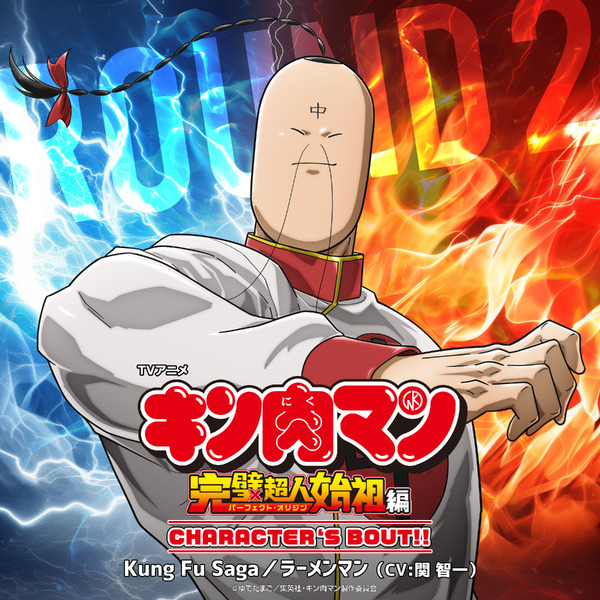
In a milestone development for both classic anime enthusiasts and the modern streaming market, the production committee behind the critically acclaimed anime revival Kinnikuman: Perfect Origin Arc (Kinnikuman: Kanpeki Chōjin Shiso-hen) has officially announced the release of its second major character song. Titled "Kung Fu Saga," the track is performed by the legendary voice actor Tomokazu Seki in his role as the fan-favorite martial arts master, Ramenman. Scheduled for digital distribution on August 29—coinciding with the franchise’s iconic monthly "Niku no Hi" (Meat Day) promotional window—this release marks Ramenman’s first dedicated character song in approximately 30 years.
This musical release represents a calculated convergence of nostalgia-driven marketing and contemporary multi-platform distribution. Produced under the high-caliber standards of animation powerhouse Production I.G, the new Kinnikuman adaptation has successfully bridged the generational gap between the fans of the original 1979 manga and a new demographic of global anime consumers. "Kung Fu Saga" serves as the second installment in a recurring monthly music campaign, succeeding the July 29 release of "Meat-kun’s Theme" performed by Sumire Uesaka. With Season 3 of the anime already greenlit for production, this strategic musical rollout underscores a broader industry trend: the systematic revitalization of legacy intellectual properties through high-end modern animation, premium voice talent, and aggressive cross-media campaigns.
Detailed Chronology of the "Niku no Hi" Campaign
The rollout of "Kung Fu Saga" is not an isolated promotional event, but rather a key component of a highly structured, monthly marketing initiative centered around "Niku no Hi" (literally translated as "Meat Day"). In Japanese culture, wordplay (goroawase) often associates numbers with specific words; the numbers 2 (ni) and 9 (ku) combine to form niku (meat/flesh), making the 29th day of any given month a natural point of celebration for the Kinnikuman (literally "Muscleman") franchise.
       [JULY 29]                      [AUGUST 29]                    [FUTURE 29ths]
+-------------------------+    +-------------------------+    +-------------------------+
|   Campaign Launch       |    |  "Kung Fu Saga" Release |    |  Ongoing Rollout        |
|  "Meat-kun" Single      |===>|  Ramenman Single        |===>|  Additional Justice     |
|  (CV: Sumire Uesaka)    |    |  (CV: Tomokazu Seki)    |    |  Choujin Themes         |
+-------------------------+    +-------------------------+    +-------------------------+
Phase I: The Launch (July 29)
The character song project officially commenced on July 29, with the digital release of a new track dedicated to Alexandria Meat (commonly known as Meat-kun), voiced by the prolific voice actress and singer Sumire Uesaka. This initial release set the precedent for the campaign, establishing a high-energy, character-centric musical style designed to complement the intense action of the Perfect Origin Arc.
Phase II: The Return of the Martial Artist (August 29)
The second phase shifts the spotlight to Ramenman, one of the original "Justice Choujin" (Seigi Chōjin) and arguably one of the most culturally enduring characters in the franchise’s history. Sung by Tomokazu Seki, "Kung Fu Saga" is engineered as an up-tempo, blood-pumping anthem that integrates Chinese martial arts motifs with modern rock instrumentation. The track’s lyricism directly references Ramenman’s discipline, inner peace, and devastating kung fu techniques, designed to elevate the listener’s adrenaline in a manner reminiscent of classic Showa-era anime theme songs, updated with Reiwa-era production values.
Phase III: Sustained Monthly Engagement
By committing to a digital release on the 29th of each month, the Kinnikuman production committee has established a reliable rhythm of consumer engagement. This strategy ensures that the franchise remains at the forefront of social media discussions and digital music charts even during the transitional periods between television broadcast seasons.
Supporting Context & Industry Metrics
To understand the economic and cultural significance of the Kinnikuman revival and its accompanying music campaign, one must examine the historical footprint of the franchise.
The Yudetamago Legacy and Manga Milestones
Kinnikuman began its serialization in Shueisha’s Weekly Shonen Jump in 1979. Created by the manga writing duo known collectively as Yudetamago (consisting of writer Takashi Shimada and illustrator Yoshinori Nakai), the series initially debuted as a comedy parody of superhero tropes, specifically targeting Ultraman. However, it quickly evolved into a pioneering combat sports manga, establishing the fundamental tropes of the modern shonen battle genre: tournament arcs, escalating power scales, rivalries turning into lifelong friendships, and the concept of Kajiba no Kuso Chikara (Burning Inner Strength).
+------------------------------------------------------------+
|                Franchise by the Numbers                    |
+------------------------------------------------------------+
| Manga Debut: 1979 (Weekly Shonen Jump)                     |
| Current Serialization: Weekly Playboy & Shupure News       |
| Total Collected Volumes: 85+ tankōbon volumes              |
| Cumulative Manga Circulation: Over 85 Million Copies       |
| "Kinkeshi" Toy Units Sold: Over 180 Million Units          |
| Current Animation Studio: Production I.G                  |
+------------------------------------------------------------+
To date, the series has accumulated over 85 collected tankōbon volumes. Its serialization continues today, having transitioned to Shueisha’s Weekly Playboy and the digital platform Shupure News. With a cumulative circulation exceeding 85 million copies, Kinnikuman stands as one of the most successful manga franchises of all time, directly influencing legendary creators such as Akira Toriyama (Dragon Ball) and Eiichiro Oda (One Piece).
The "Kinkeshi" Phenomenon
In the 1980s, the franchise spawned a massive merchandising phenomenon known as "Kinkeshi"—small, erasable-rubber figurines depicting the series’ vast roster of Choujin (superhumans).
- Over 180 million of these figures were sold in Japan alone.
- The toys became a cornerstone of Japanese childhood culture in the Showa era, establishing a highly lucrative merchandising model that modern anime franchises continue to emulate.
- The current revival leverages this nostalgia, appealing to adult collectors who grew up with Kinkeshi, while introducing high-quality modern figures to a younger demographic.
Production I.G’s Prestige Adaptation
The current animated series, Kinnikuman: Perfect Origin Arc, represents a significant departure from the lower-budget television productions of the 1980s. Animated by Production I.G—a studio renowned for its fluid action choreography in series like Haikyu!!, Ghost in the Shell, and Sengoku Basara—the new adaptation features dynamic cinematography, complex 3D camera movements, and meticulously detailed muscle anatomy.
The voice cast further highlights the premium nature of this project:
- Mamoru Miyano (famed for his roles as Light Yagami in Death Note and Rintaro Okabe in Steins;Gate) voices the titular protagonist, Kinnikuman (Suguru Kinniku).
- Akira Kamiya, the original voice actor who defined the character of Kinnikuman in the 1980s, returns to the franchise in a symbolic passing of the torch, voicing both Suguru’s father, Kinniku Mayumi, and the legendary trainer Prince Kamehame.
The announcement that Season 3 has already been greenlit highlights the commercial success of the project, proving that the demand for Kinnikuman remains exceptionally high in the modern streaming era.
Official Statements
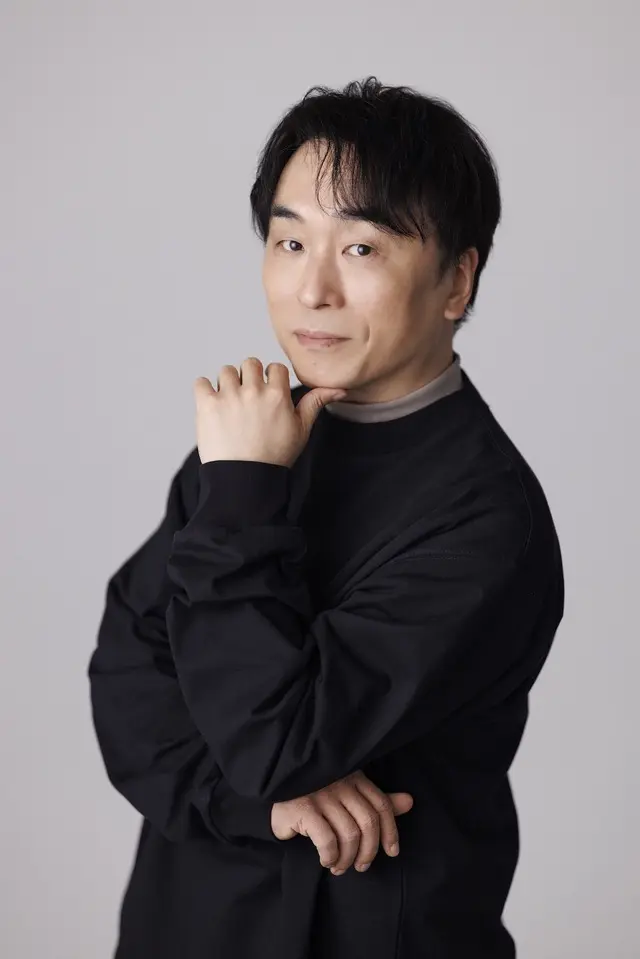
The release of "Kung Fu Saga" is accompanied by an official statement from Tomokazu Seki, who brings his extensive experience in voicing hot-blooded, martial-arts-oriented characters to the role of Ramenman.
Tomokazu Seki (Voice of Ramenman)
"I am absolutely thrilled to have been given the opportunity to sing a dedicated character song for Kinnikuman!
While I was in the recording booth laying down the vocals, the sheer energy of the track completely took over. I felt as if I had actually transformed into Ramenman myself (laughs).
The musical arrangement and the lyrics are incredibly cool, capturing the absolute essence and charm of his character. It’s packed to the brim with energy. I would be absolutely delighted if the fans put this on, got fired up, and sang along with me! Let’s elevate our spirits together!
Wha-taaaa! (ホァァァーーーッ!)"
Editorial Analysis of the Casting and Performance
Seki’s casting as Ramenman is a masterstroke of industry alignment. Known for voicing iconic, high-intensity characters such as Domon Kasshu (Mobile Fighter G Gundam), Gilgamesh (Fate/stay night), and Shinichi Chiaki (Nodame Cantabile), Seki possesses a vocal range that seamlessly transitions from stoic discipline to explosive, battle-ready passion. His performance in "Kung Fu Saga" captures the duality of Ramenman: a disciplined, meditative martial artist who can unleash terrifying, high-speed physical violence when defending justice on the wrestling ring.
Future Outlook
The revival of Kinnikuman and the strategic release of its character songs offer valuable insights into the future of legacy media properties in Japan.
                  [THE RETRO REVIVAL PLAYBOOK]

     Historical IP            Modern Animation          Cross-Media Campaign
  +-----------------+       +------------------+       +-------------------+
  |  • 85M+ Manga   |       |  • Production IG |       |  • "Niku no Hi"   |
  |  • Est. Fanbase | =====>|  • Dynamic 3D/2D | =====>|    Music Drops    |
  |  • Deep Lore    |       |  • Star Cast     |       |  • Premium Toys   |
  +-----------------+       +------------------+       +-------------------+
                                                                 ||
                                                                 /
                                                       +-------------------+
                                                       |   Multi-Gen IP    |
                                                       |   Longevity       |
                                                       +-------------------+
1. The Playbook for Showa-Era Revivals
The success of the Perfect Origin Arc serves as a template for other publishers and studios looking to monetize classic intellectual properties. Rather than rebooting the franchise from scratch or altering its core identity to fit modern sensibilities, the production committee opted for a faithful, high-budget continuation of the original narrative. By preserving the series’ signature blend of professional wrestling theatricality and cosmic melodrama, while upgrading the visual fidelity and audio design, they have satisfied both purists and newcomers.
2. Music as a Driver of Digital Engagement
In the contemporary anime industry, soundtrack releases and character songs are no longer mere merchandising afterthoughts; they are critical drivers of digital engagement. Platforms like Spotify, Apple Music, and YouTube Music allow character singles to reach global audiences instantly. A well-received character song can go viral on short-form video platforms like TikTok and YouTube Shorts, driving traffic back to the streaming platforms hosting the anime series.
3. Anticipation for Season 2 and Season 3
With Season 2 scheduled to continue the brutal battles between the Justice Choujin, the Devil Choujin, and the Perfect Large Numbers, the narrative stakes are higher than ever. The confirmation of Season 3 production ensures that the momentum generated by the anime will carry forward well into the coming years. Fans can expect the "Niku no Hi" music campaign to continue, likely introducing character songs for other key figures such as Robin Mask, Warsman, Terryman, and the members of the Perfect Origin themselves.
Ultimately, "Kung Fu Saga" is more than just a nostalgic throwback; it is a testament to the enduring power of Kinnikuman. Thirty years after his last musical outing, Ramenman’s return to the microphone proves that true heroes—and great anime franchises—never truly fade away. They simply wait for the perfect moment to step back into the ring.



Belum ada komentar. Jadilah yang pertama berkomentar!