

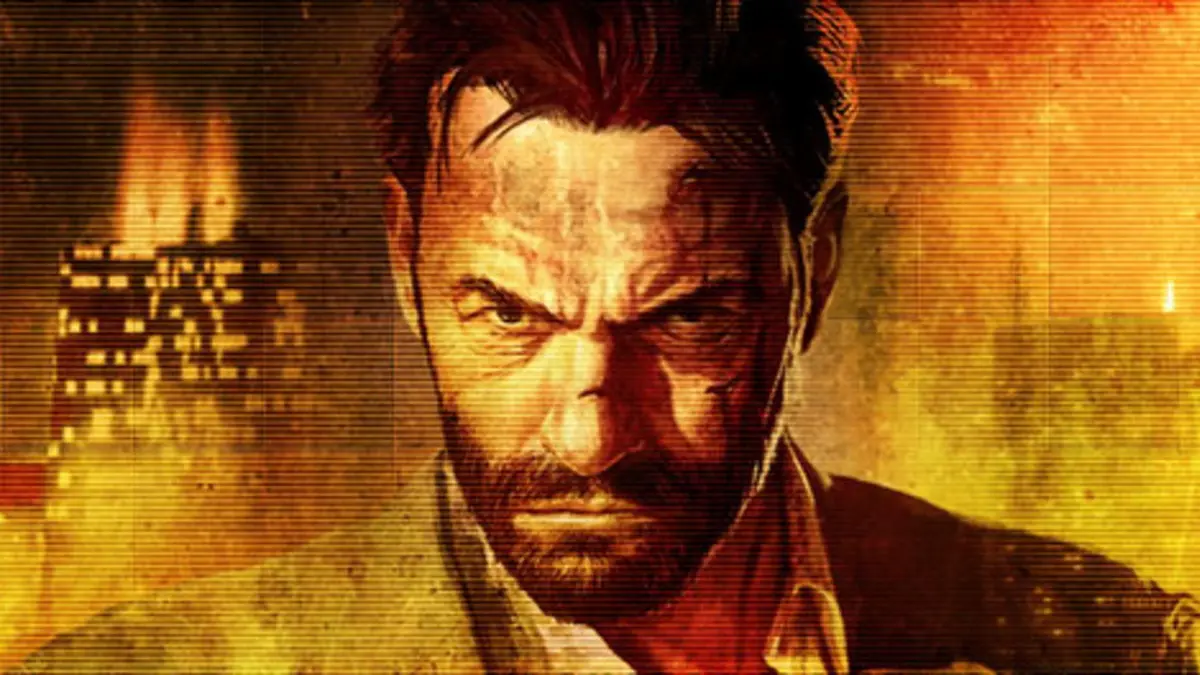
In a candid retrospective that has sent ripples through the gaming community, Rockstar Games co-founder Dan Houser recently characterized Max Payne 3 as a "failure." Despite its critical acclaim in hindsight, Houser’s self-flagellation stems from the immense pressure of stepping into the shoes of Sam Lake—the original creative director and writer behind Remedy Entertainment’s genre-defining first two installments. Houser lamented that public reception at launch was frosty, with fans struggling to adapt to Rockstar’s distinct, linear, cinematic approach compared to the stylistic comic-book noir of the original games.
Yet, more than a decade after its 2012 release, Max Payne 3 stands as a masterclass in linear shooter design, mechanical fluidity, and atmospheric storytelling. While publisher Take-Two Interactive reported lower-than-expected commercial returns upon release—placing the title in the same breath as other narrative-driven cult classics like Spec Ops: The Line—history has proven kind to Max’s brutal sojourn in São Paulo. This in-depth analysis explores Houser’s controversial self-assessment, the intense creative friction of transitioning the franchise from Remedy to Rockstar, and why Max Payne 3 remains an unheralded triumph of digital auteurism.
Detailed Chronology: From the Neon-Lit Streets of New York to the Scorched Favelas of Brazil
To understand Dan Houser’s perceived "failure," one must trace the lineage of the Max Payne franchise and the monumental expectations resting on Rockstar’s shoulders when they acquired the rights from Take-Two.
The Remedy Era: Establishing the Noir Blueprint (2001–2003)
When Finnish developer Remedy Entertainment released Max Payne in 2001, it revolutionized action gaming. Introducing "Bullet Time"—a mechanic heavily inspired by The Matrix—combined with hardboiled, gritty monologues, graphic-novel panel cutscenes, and an unrelenting, perpetual blizzard over New York City, it instantly secured cult-classic status. Sam Lake’s writing infused Greek tragedy with gritty American detective fiction, creating a deeply sympathetic, pill-popping protagonist trapped in a waking nightmare.
The sequel, Max Payne 2: The Fall of Max Payne (2003), refined these mechanics and introduced a groundbreaking physics engine, though it suffered from lackluster commercial performance despite universal critical adoration. Shortly thereafter, Rockstar Games—having acted as publisher for the console ports—acquired the intellectual property rights, setting the stage for a dramatic shift in development stewardship.
The Rockstar Transformation (2008–2012)
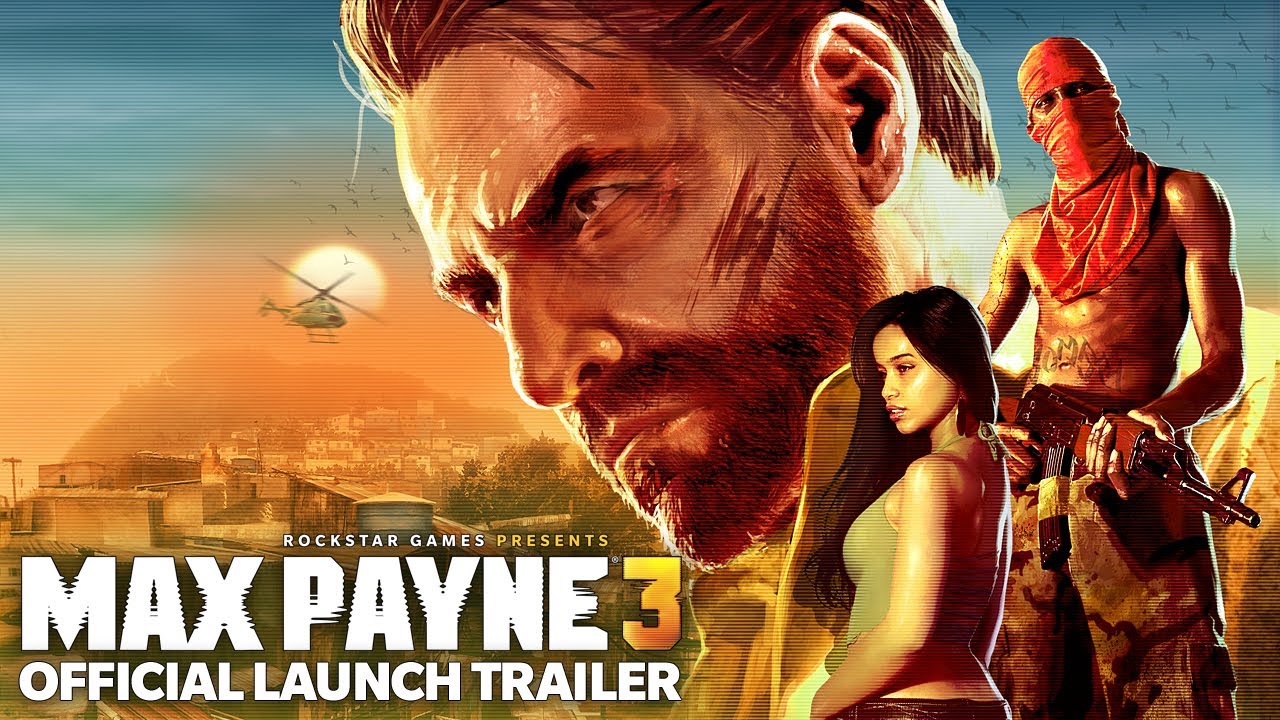
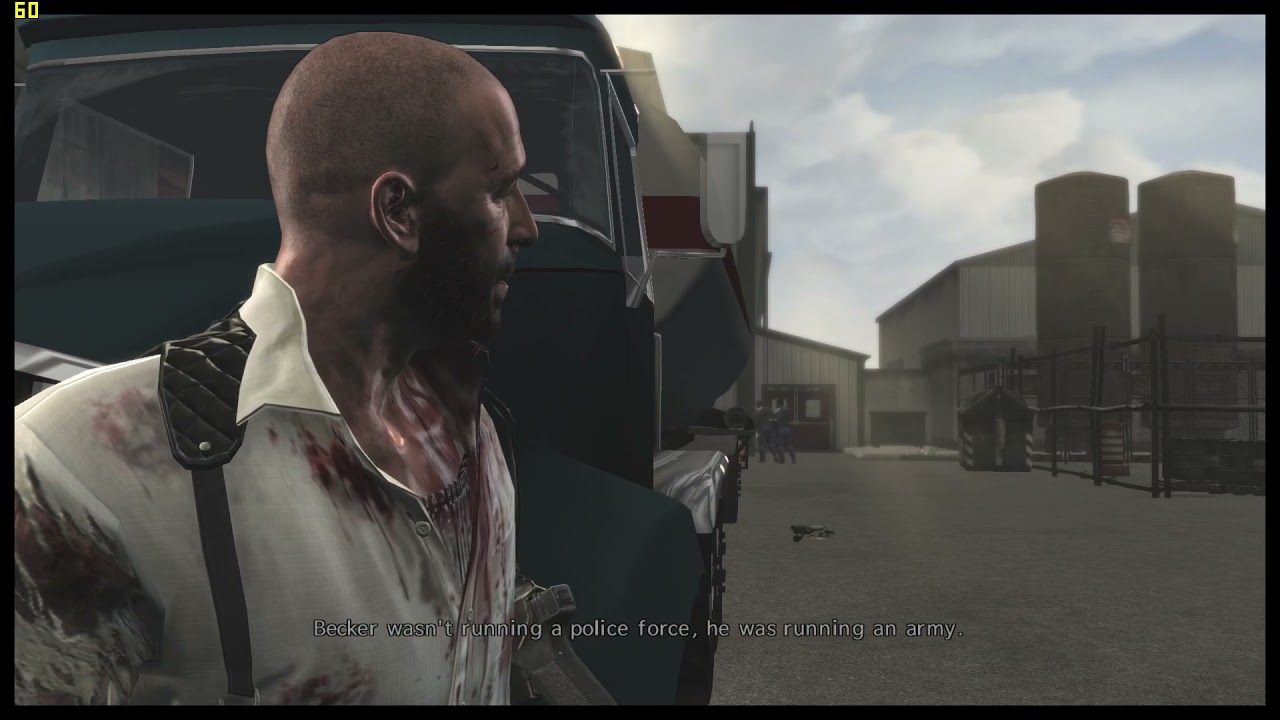
Shifting development from Helsinki to Rockstar’s global studios (spearheaded by Rockstar Vancouver in collaboration with New England, Toronto, and London), Max Payne 3 was subjected to a famously arduous, iterative development cycle. Rockstar abandoned the graphic novel cutscenes in favor of seamless, real-time cinematic transitions. They relocated a middle-aged, balding, alcoholic Max from the freezing alleys of New York to the blistering, sun-drenched, cartel-infested favelas of São Paulo, Brazil.
When the game finally launched in May 2012, it introduced cutting-edge Euphoria physics, visceral gunplay, and an unrelenting 12-hour narrative structure. However, the cultural shift was jarring. Fans accustomed to Remedy’s stylized, comic-strip brevity found Rockstar’s hyper-cinematic, dialogue-heavy, and deeply cynical depiction of Max to be a radical departure. The consensus at the time—echoed harshly by Houser himself—was that the audience "hated it."
Supporting Context & Metrics: Commercial Struggles Versus Critical Reassessment
Dan Houser’s self-criticism is heavily anchored in the financial realities of 2012. At the time, the gaming industry was rapidly pivoting toward expansive open-world sandboxes (a domain Rockstar dominated with Grand Theft Auto) and multiplayer-centric live-service models. A strictly linear, single-player narrative-driven third-person shooter was a massive financial gamble.
The Take-Two Financial Impact
In August 2012, publisher Take-Two Interactive reported its financial results for the quarter, revealing that sales of Max Payne 3 had come in "lower than expected." The commercial shortfall contributed to an increased net loss for the quarter, placing immense pressure on the executive team. In the same financial window, Take-Two reported similar commercial underperformance for Yager Development’s Spec Ops: The Line—another mechanically sound, narrative-heavy shooter that subverted player expectations only to be commercially overlooked at launch.
| Metric / Milestone | Detail |
|---|---|
| Release Date | May 2012 (Consoles), June 2012 (PC) |
| Developer | Rockstar Studios (Lead: Rockstar Vancouver) |
| Initial Financial Reception | Sales lower than expected; contributed to Take-Two quarterly net losses |
| Key Artistic Pillars | Real-time cinematic transitions, Euphoria physics engine, industrial soundtrack by Health |
| Legacy Status | Widely regarded as one of the best mechanically tuned third-person shooters ever made |
The Archival Reconsideration
Despite the initial financial friction, the passage of time has allowed the industry to evaluate Max Payne 3 free from the baggage of franchise expectations. Former PC Gamer writer Andy Kelly reflected on this evolution, noting: "Over the years I’ve developed a greater appreciation for the risks Rockstar took in breaking Remedy’s established, and beloved, mould."
Max’s physical displacement—a weary, white American ex-cop staggering through the scorching slums of Brazil in a loud Hawaiian shirt—was not a misstep, but a brilliant meta-commentary on an aging action hero completely out of his depth.
Official Statements and Industry Reflections
Dan Houser’s recent admissions during his interview with IGN provide a rare, vulnerable look inside the mind of a legendary industry titan who usually commands absolute authority over critical narratives.
"I felt we were creating a really cool digital noir experience, and the consensus at the time was that people hated it. So I got that completely wrong… I know Sam Lake well, and he’s a very good guy and really talented. I thought we’d done a good job of doing another Max Payne game. Some people liked it; lots didn’t. So we got it wrong, or I got it wrong. I failed. My bit was not a success."
— Dan Houser, Co-Founder of Rockstar Games
Houser’s willingness to shoulder the blame highlights the heavy burden of creative succession. By attempting to match Sam Lake’s unique, poetic cadence while injecting Rockstar’s trademark cynical worldview, Houser believed he had fallen short of the fanbase’s nostalgic desires.
Yet, industry peers and voice actors alike argue that Houser was far too hard on himself. James McCaffrey, who delivered an iconic, career-defining vocal and motion-capture performance as Max Payne, hit his emotional stride in the third installment. Lines like "It was at my worst I was at my best" and his cynical ruminations on pain and survival elevated the script into genuine pulp poetry, proving that Houser’s writing captured the bruised soul of the character just as effectively as Remedy ever did.
Future Outlook: The Enduring Legacy of Max Payne
As the video game landscape continues to evolve, the legacy of Max Payne 3 casts a long shadow over modern action game design. Linear, single-player narrative shooters have become increasingly rare, making Rockstar’s 2012 tour de force look less like a commercial misfire and more like a vanishing apex predator of high-budget production values.
The Remedy Remakes on the Horizon
The cultural narrative surrounding the franchise has come full circle. Remedy Entertainment is currently remaking the original Max Payne and Max Payne 2 in a single, high-budget package utilizing their proprietary Northlight engine, in partnership with Rockstar Games. This ongoing revitalization ensures that the franchise remains firmly in the public consciousness.
Final Verdict on Houser’s "Failure"
With all due respect to Dan Houser’s introspective critique, history has rendered a very different verdict. Max Payne 3 may have been divisive upon arrival, and it may not have shattered sales records in the shadow of Grand Theft Auto, but calling it a failure misses the forest for the trees. It is a brilliant, uncompromising powerhouse of a video game—a tightly paced, mechanically peerless cinematic shooter that dared to drag its protagonist through the mud and emerged a timeless classic. Rockstar didn’t get it wrong; they simply built a monument ahead of its time.







Belum ada komentar. Jadilah yang pertama berkomentar!