

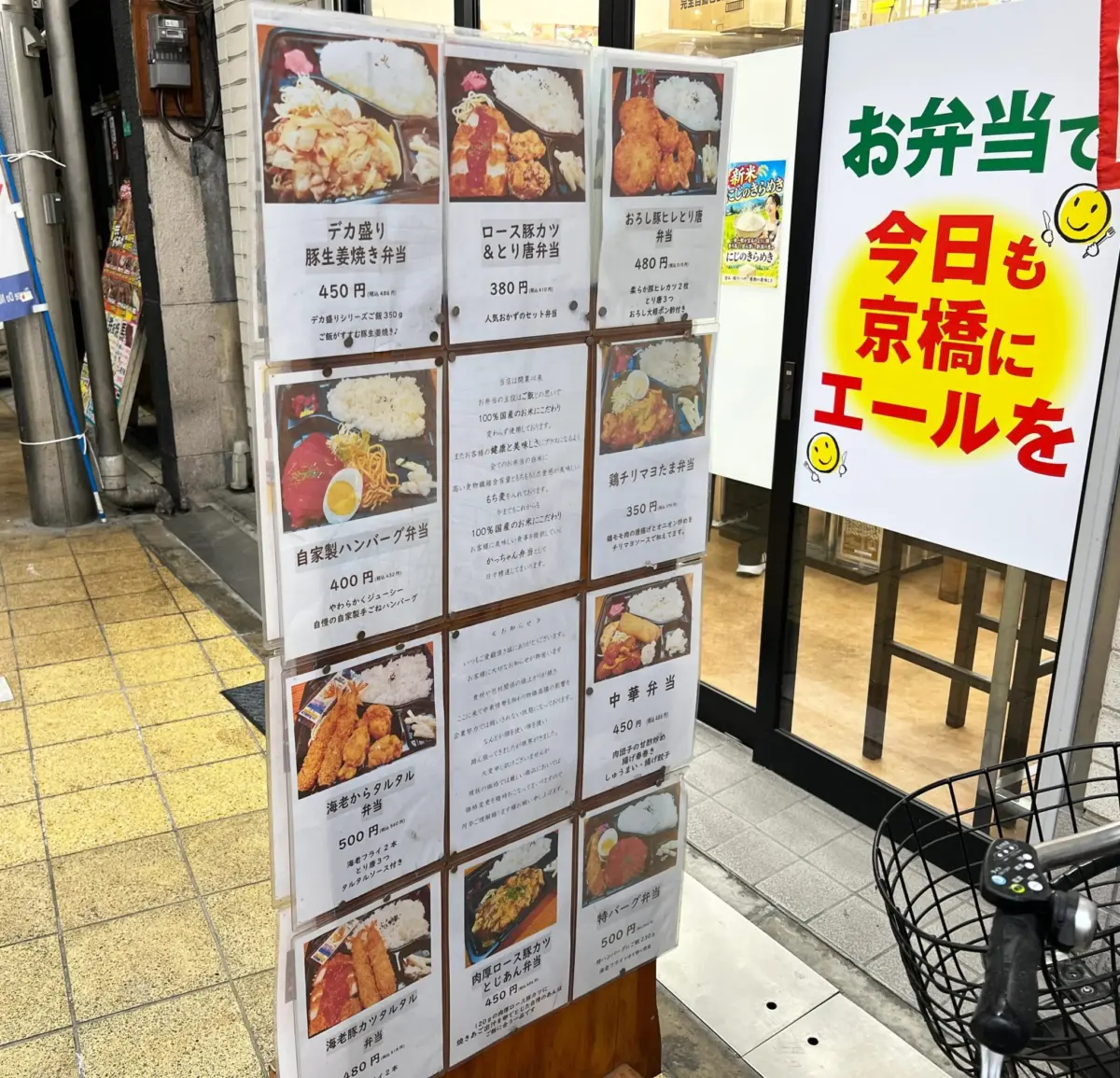
In an era defined by relentless global inflation, shrinkflation, and skyrocketing living expenses, the humble bento box has undergone a quiet economic transformation. For decades, the pre-packaged boxed lunch served as the ultimate culinary equalizer in Japan—an affordable, reliable, and surprisingly diverse meal option for busy office workers, sleep-deprived students, and budget-conscious commuters alike. Yet, as the costs of raw commodities, energy, and labor continue to mount, the baseline price of a standard convenience store or bento chain lunch has steadily drifted upward, frequently crossing the psychological and financial threshold of 500 yen (approx. $3.20 USD).
Enter Sandaime Kacchan, a remarkable anomaly nestled within the gritty, vibrant urban sprawl of Osaka. Recognized across local television broadcasts and digital media as "Osaka’s cheapest bento shop," this 24-hour establishment defies modern macroeconomic trends by offering ready-to-eat meals starting at an astonishing 200 yen (216 yen after consumption tax, or roughly $1.38 USD).
To investigate whether such an unbelievable price point implies a sacrifice in quality, safety, or basic culinary integrity, SoraNews24’s seasoned Japanese-language reporter, Seiji Nakazawa, journeyed deep into the heart of Osaka’s bustling Miyakojima Ward. What Nakazawa discovered inside the unassuming storefront of Sandaime Kacchan was more than just an impossibly cheap lunch; it was a fascinating window into the resilience of traditional Japanese working-class food culture, proving that exceptional flavor and extreme affordability can, under the right circumstances, still coexist.

Detailed Chronology: The Quest for the 200-Yen Bento
Nostalgia Meets Modern Economic Reality
Seiji Nakazawa’s culinary expedition began with a dose of nostalgic reflection. Like many Japanese adults, Nakazawa harbors fond memories of a youth spent navigating tight budgets aided by the ubiquitous, no-frills bento. Back in his younger days, finding a basic, unpretentious boxed lunch for a mere 300 yen was an everyday reality. However, the subsequent decades brought sweeping economic shifts. Today, even the most budget-oriented national chains routinely price their entry-level offerings well above the 500-yen mark.
When rumors reached the SoraNews24 newsroom of a brick-and-mortar storefront operating entirely counter to this inflationary current—peddling fully prepared, hot meals for a fraction of the market average—Nakazawa’s journalistic curiosity was instantly piqued. His mission was clear: travel to Osaka, locate the legendary Sandaime Kacchan, inspect the merchandise, and evaluate whether a 200-yen bento could pass the ultimate test of taste and quality.
Navigating the Kyobashi Chuo Shopping District
Nakazawa’s journey took him to the lively environs of the Kyobashi Chuo Shopping District, colloquially known to locals as "Rib Street." Located roughly a five-minute walk north of both the JR and Keihan Kyobashi Stations—and merely a couple of minutes further from the Nagahoritsurumiryokuchi Subway Line—the shopping district retains an authentic, slightly weathered charm reminiscent of old-school Osaka.
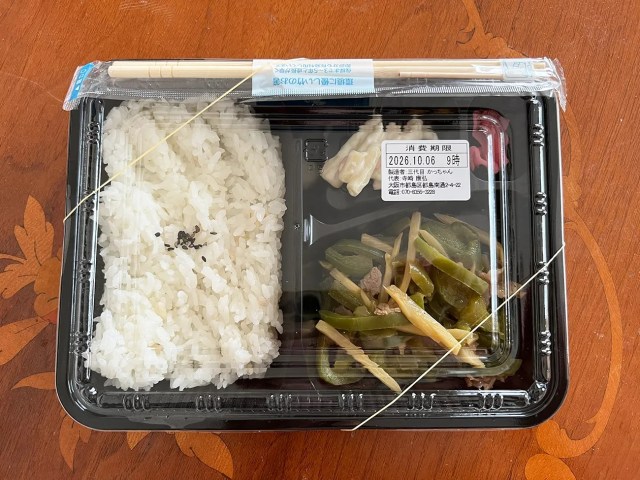
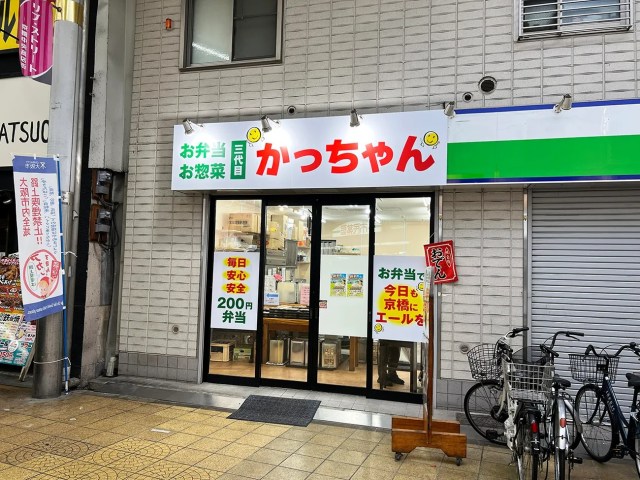
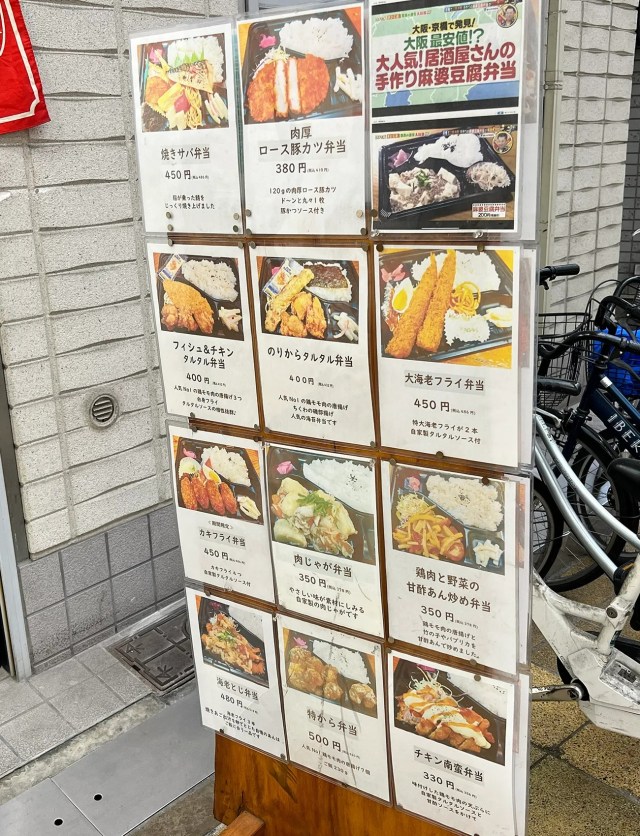
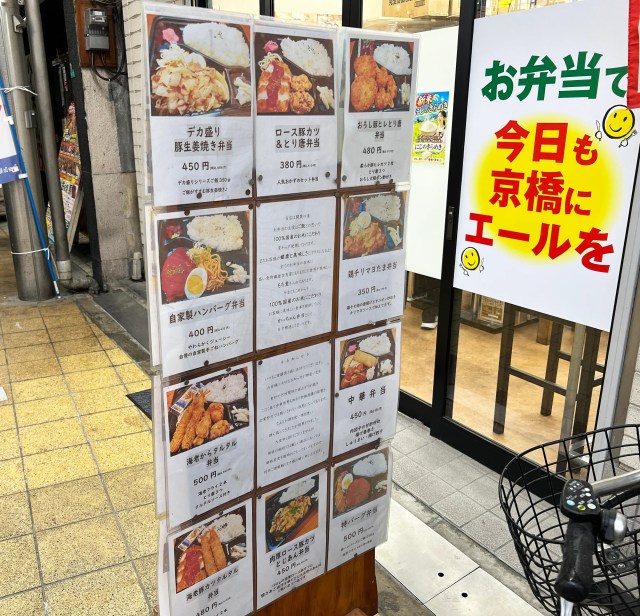
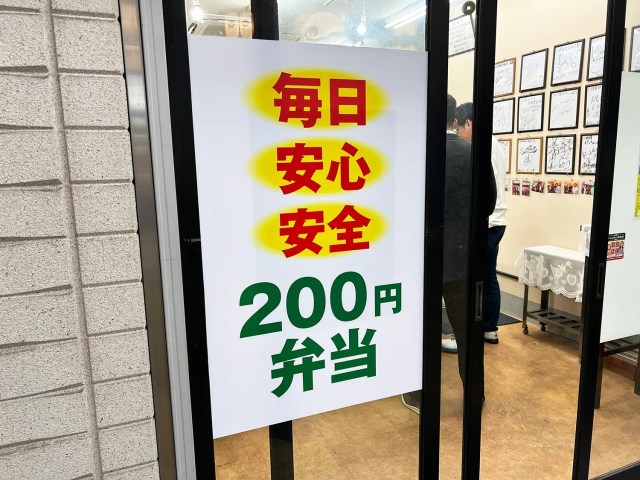
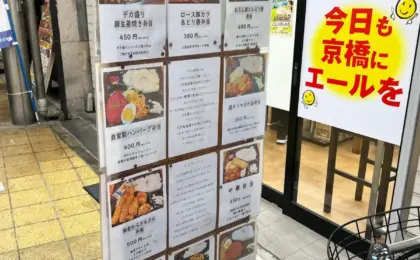
Weaving through the bustling pedestrian arcade, Nakazawa soon identified the unmistakable storefront of Sandaime Kacchan. Positioned prominently outside the shop was a comprehensive menu board and a series of promotional placards proudly advertising the establishment’s television pedigree. Emblazoned with the moniker "Osaka’s cheapest bento shop," the storefront left no room for ambiguity. Additional signage pasted directly onto the entrance glass confirmed the existence of the whispered-about 200-yen bento, assuring prospective patrons that they had indeed arrived at the right destination.
Inside Sandaime Kacchan: A Spectrum of Ultra-Budget Dining
Upon stepping past the threshold, Nakazawa was greeted by an orderly, unassuming interior dominated by display shelves lined with rows of freshly prepared bento boxes. The layout of the merchandise offered an immediate visual cue regarding the store’s pricing strategy: the ultra-budget 200-yen offerings were neatly arranged on the far left, while options systematically increased in price as one scanned toward the right.
Upon closer inspection, Nakazawa verified that the "200 yen" claim was structurally accurate, though subject to Japan’s 8% consumption tax, bringing the final cash register total to an exact 216 yen.
While the entry-level options commanded immediate attention, the broader inventory revealed an impressive array of mid-to-high-tier bento designed to satisfy heartier appetites and larger wallets:
- Pork Fillet Cutlet Bento: Priced at an accessible 432 yen.
- Grilled Fish Bento: Available for 486 yen.
- Special Hamburger Steak Bento: Positioned at 540 yen.
- Mega Serving DX Hamburger Steak Set: The undisputed heavyweight champion of the menu, priced at 842 yen, featuring a thick, savory hamburger steak accompanied by two golden, crispy fried shrimp.
As local patrons filtered in and out of the shop—selecting their meals with practiced efficiency and departing with visible satisfaction—Nakazawa zeroed in on his primary objective. He bypassed the tempting, luxurious cuts of fried meat and heavy-duty combination sets, reaching instead for the solitary, modest box on the far-left shelf.
The Verdict on the 200-Yen Chinjao Rosu Bento
Unboxing the 216-yen meal revealed an aesthetic defined entirely by functional minimalism. The composition consisted of a bed of white rice paired with chinjao rosu (a Japanese-Chinese style pepper steak featuring shredded pork and green bell peppers), a modest side of macaroni salad, and a traditional garnish of bright pink pickled radish (sakura-zuke).
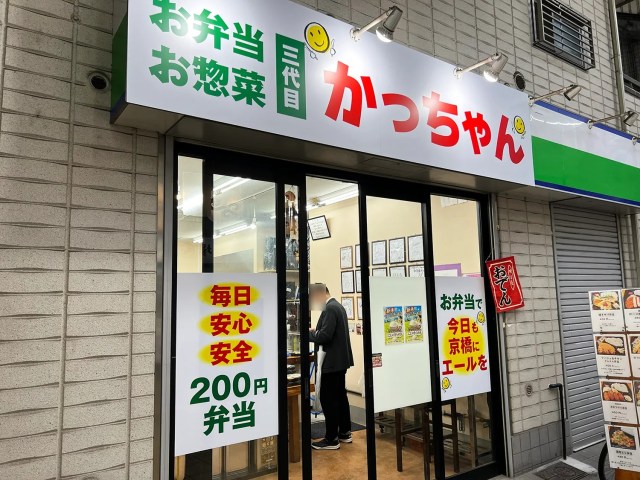
Visually, the bento lacked the vibrant color palettes and sheer volumetric presence of its higher-priced siblings. Yet, the true test of any food item lies beyond its initial presentation.
When Nakazawa took his first bite, any lingering skepticism evaporated. The chinjao rosu delivered a remarkably well-balanced flavor profile—exhibiting a rich, sweet, and savory depth underpinned by a sharp, invigorating spicy kick that harmonized flawlessly with the tender pork and crisp bell peppers. Most importantly, despite the microscopic price tag, the dish genuinely contained real, recognizable strips of meat rather than mere filler vegetables or soy-based substitutes.
Supporting Context & Metrics: The Economics of Sandaime Kacchan
To fully appreciate the business model behind Sandaime Kacchan, one must examine the broader socioeconomic landscape of Osaka’s food and beverage sector. Operating a 24-hour food retail establishment in a major metropolitan Japanese city requires managing immense overhead costs, including utility expenses, commercial lease rates, round-the-clock staffing, and volatile wholesale food prices.
| Bento Category | Item Description | Pre-Tax Price (JPY) | Post-Tax Price (JPY) | Approximate USD Equivalent |
|---|---|---|---|---|
| Ultra-Budget | Chinjao Rosu & Rice Set | ¥200 | ¥216 | $1.38 |
| Mid-Tier | Pork Fillet Cutlet Bento | ¥400 | ¥432 | $2.76 |
| Standard | Grilled Fish Bento | ¥450 | ¥486 | $3.10 |
| Premium | Special Hamburger Steak Bento | ¥500 | ¥540 | $3.45 |
| Luxury / DX | Mega Serving DX Hamburger Steak Set | ¥780 | ¥842 | $5.38 |
(Note: USD conversions are calculated at an approximate baseline exchange rate of 1 USD = 156 JPY).
The "Add-On" Phenomenon and Local Spending Habits
During his field observation, Nakazawa noted a fascinating consumer trend among regular patrons of Sandaime Kacchan. Rather than treating the 200-yen bento as a standalone meal, several customers utilized it as a strategic, low-cost dietary supplement.
For instance, a savvy shopper could pair the 216-yen chinjao rosu bento with a more substantial 432-yen pork fillet cutlet bento. For a combined expenditure of just 648 yen (approx. $4.15 USD), a patron could secure a massive, varied, and deeply satisfying feast that easily rivals the caloric density and flavor diversity of a standard 1,000-yen restaurant meal. This modular approach to budget dining highlights how local residents adapt to inflationary pressures by leveraging micro-priced staples to maximize nutritional value.
Official Statements & Cultural Impact
While Sandaime Kacchan has not released formal corporate manifestos regarding its pricing strategy, the shop’s operational ethos speaks volumes. Featured prominently on local television broadcasts as "Osaka’s cheapest bento shop," the establishment acts as a living monument to Osaka’s legendary merchant culture—historically known as Kuidaore (eat until you drop), a regional philosophy that places immense cultural value on accessible, high-quality, and reasonably priced nourishment for the masses.
Food culture experts note that ultra-budget eateries like Sandaime Kacchan play a vital social role in contemporary Japan. By maintaining price points that defy standard economic forecasting, these small-scale independent businesses provide an essential safety net for students, low-income earners, elderly residents, and night-shift workers navigating precarious financial environments.
Nakazawa reflected on his excursion with a profound sense of appreciation for the broader culinary ecosystem of the Kansai region. Walking through the weathered, nostalgic arcades of the Kyobashi Chuo Shopping District and consuming a meal prepared with care for little more than pocket change offered him a visceral, unvarnished glimpse into the beating heart of Osaka’s working-class food heritage.
Future Outlook
As global macroeconomic volatility persists, the sustainability of ultra-low-cost retail models remains a subject of intense debate among economic analysts. Maintaining a 200-yen price point in an inflationary climate requires extreme supply chain efficiency, minimal waste protocols, and, frequently, grueling operational hours—evidenced by Sandaime Kacchan’s demanding 24-hour schedule.
Nevertheless, establishments that manage to bridge the gap between extreme affordability and genuine culinary satisfaction occupy a uniquely bulletproof niche in the modern marketplace. As long as shops like Sandaime Kacchan continue to prioritize flavor, honesty, and accessibility, they will serve as vital cultural touchstones and beloved culinary havens for generations of budget-conscious diners to come.
Store Information
- Name: Sandaime Kacchan (三代目かっちゃん)
- Address: 2-4-22 Miyakojimaminamidori, Miyakojima-ku, Osaka-shi, Osaka-fu 534-0021
- Japanese Address: 大阪府大阪市都島区都島南通2-4-22
- Operating Hours: Open 24 Hours / Daily






Belum ada komentar. Jadilah yang pertama berkomentar!