

Executive Overview
In a sudden and unexpected eleventh-hour policy reversal, Meta has chosen to spare its flagship virtual reality social platform, Horizon Worlds, from a planned total shutdown on VR headsets. The decision, revealed by Meta’s Chief Technology Officer, Andrew “Boz” Bosworth, during an impromptu Instagram "Ask Me Anything" (AMA) session, comes as a significant relief to the platform’s remaining die-hard virtual reality user base.
Originally launched in beta on VR in 2021 before expanding to mobile devices in 2022, Horizon Worlds has long been the cornerstone—and frequently the lightning rod—of Meta’s ambitious, multi-billion-dollar metaverse strategy. Despite initial heavy promotion and massive capital expenditures, the virtual reality iteration of the platform struggled with public adoption, widespread cultural mockery, and a persistent lack of active, engaged users. Consequently, leadership internally evaluated pulling the plug entirely on the VR ecosystem to streamline operations.
However, after a wave of impassoned pleas from dedicated community members and creators who built experiences within the platform’s VR environment, leadership changed course. Rather than obliterating the VR experience, Meta will keep the existing Unity runtime-based games and virtual spaces online for the foreseeable future.
Even so, this reprieve does not signal a return to Meta’s original metaverse vision. Bosworth made it explicitly clear that the company is fundamentally shifting its strategic weight away from VR development for Horizon Worlds and toward mobile platforms. Moving forward, the vast majority of engineering energy, developer resources, and consumer acquisition campaigns will target the Meta Horizon engine on mobile devices, where Meta has observed substantially stronger user engagement and creator momentum.
This complex balancing act—keeping legacy VR lights on while chasing mainstream mobile audiences—highlights the ongoing growing pains of the broader spatial computing industry. As Meta recalibrates its hardware and software priorities, competitors like Apple and Nvidia continue to push the boundaries of high-end immersive entertainment, leaving the future of consumer spatial platforms at a fascinating crossroads.
Detailed Chronology: From Metaverse Genesis to the VR Reprieve
To understand the weight of Meta’s latest announcement, it is necessary to trace the turbulent history of Horizon Worlds and the shifting strategic imperatives of its parent company.
2021–2022: The Grand Vision and Early Struggles
When Meta (then rebranding from Facebook to signal its all-in bet on the metaverse) rolled out Horizon Worlds to Quest headset users in late 2021, the company positioned it as the quintessential social layer of the future internet. CEO Mark Zuckerberg famously championed the platform, envisioning a virtual space where millions would work, play, socialize, and shop using avatars.
However, early reception was marred by technical limitations, awkward user interfaces, and the infamous lack of rendered legs on early avatar designs. Critics and consumers alike questioned the billions of dollars being poured into graphics that many compared unfavorably to video games from the early 2000s.
In an effort to expand the top of the funnel and capture a broader audience unencumbered by the hardware barrier of owning a $300+ VR headset, Meta launched a mobile and web version of Horizon Worlds in April 2022. This pivot allowed users to access portions of the ecosystem via smartphones and standard web browsers, planting the seeds for Meta’s eventual realization of where consumer energy truly lay.
2023–2025: Quiet Retrenchment and Internal Realignment
Over the subsequent years, as generative artificial intelligence began capturing the tech world’s financial and intellectual capital, enthusiasm for the metaverse within Silicon Valley noticeably cooled. Meta’s Reality Labs division continued to post staggering multi-billion-dollar operating losses quarterly, prompting intense scrutiny from investors, financial analysts, and tech journalists.
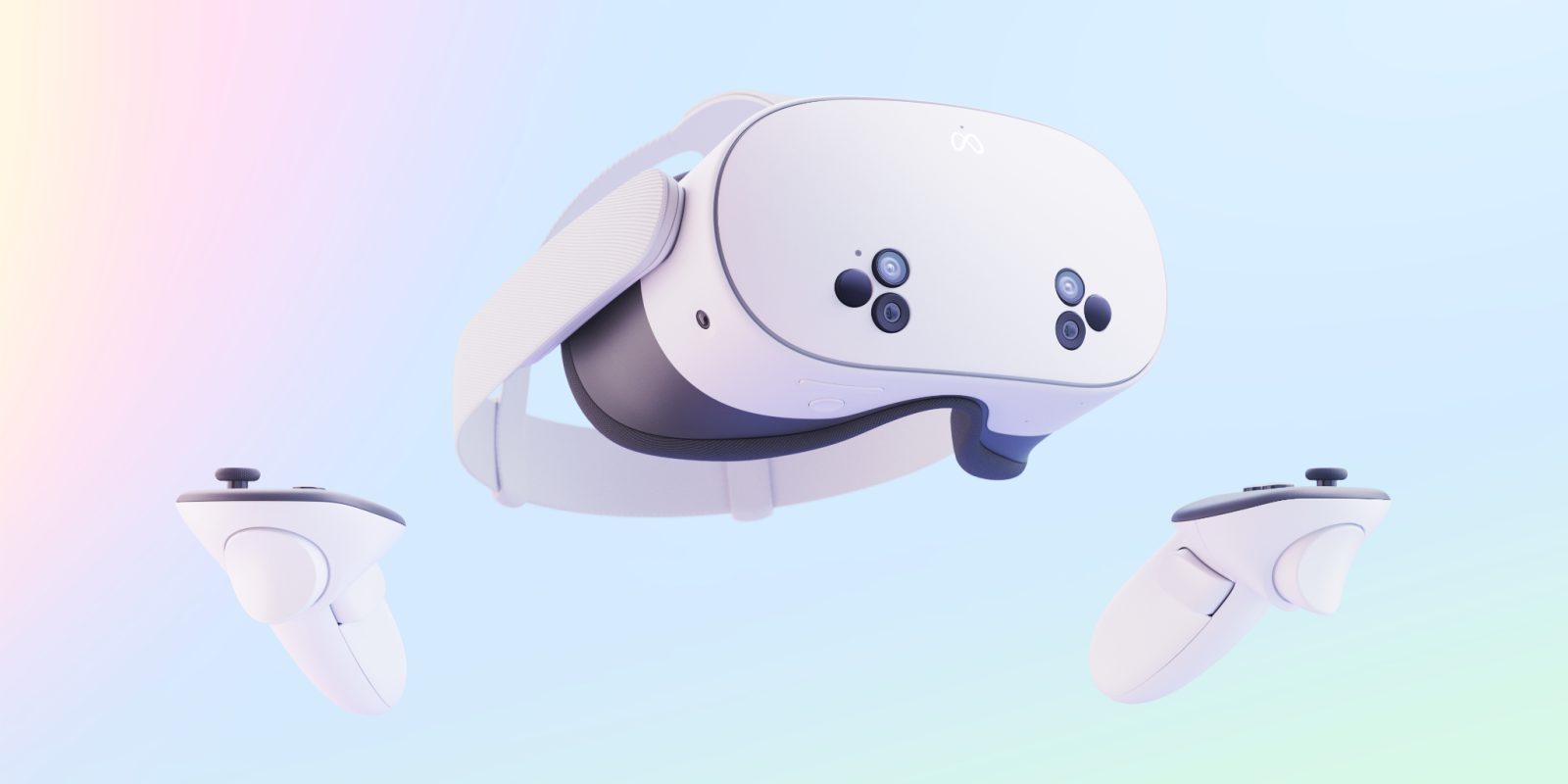
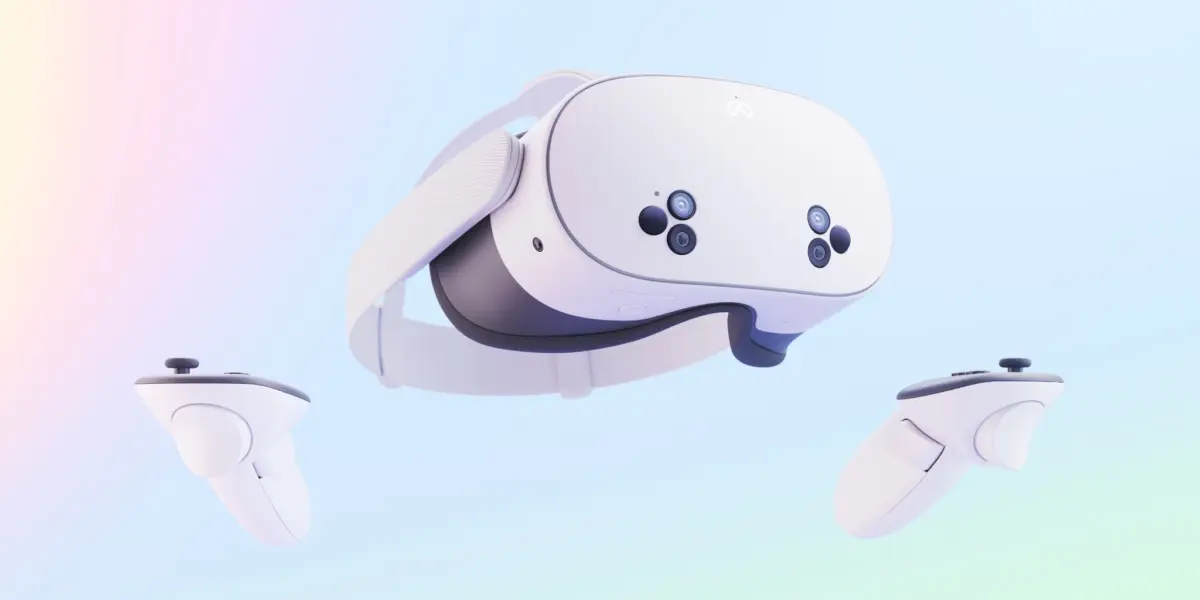
Behind closed doors, Meta began trimming the fat, refocusing its hardware roadmap on mixed reality (culminating in the successful launches of the Meta Quest 3 and the more budget-friendly Quest 3S), while quietly reallocating software development away from underperforming VR-first experiences. Rumors and internal murmurs regarding the eventual sunsetting of the original VR version of Horizon Worlds began to circulate within developer circles as maintenance costs outpaced active user growth in dedicated virtual reality spaces.
March 2026: The Instagram AMA and the 11th-Hour Stay of Execution
The situation came to a head in mid-March 2026. According to reporting by TechCrunch, internal deliberations had reached an advanced stage to deprecate the VR iteration of Horizon Worlds entirely, shifting all remaining ecosystem maintenance to mobile infrastructure.
Yet, a direct line of communication between dedicated creators and executive leadership changed the narrative. During his routine Instagram AMA, Andrew Bosworth addressed a direct question from a concerned user regarding the rumored shutdown. In a remarkably candid moment, Boz revealed that the decision to reverse course had been finalized "just today in fact."
Rather than executing a swift decommissioning, Meta opted for a compromise: preserve the legacy VR servers and runtime environments for existing players, but permanently freeze the pipeline for new VR-centric game development.
Supporting Context & Metrics: The Shift from VR to Mobile
To fully contextualize why Meta pulled back from a complete VR shutdown while simultaneously deprioritizing future VR development for the platform, one must examine the underlying user metrics, hardware dynamics, and economic realities of the spatial computing market.
The Hardware Adoption Gap
While headsets like the Meta Quest series remain the undisputed market leaders in standalone virtual reality hardware—particularly bolstered by the affordable entry point of the Meta Quest 3S—VR hardware adoption has not achieved the ubiquitous, smartphone-like penetration that Mark Zuckerberg initially projected.
- Friction of Entry: VR headsets require dedicated physical space, physical fatigue management, and the act of placing hardware over one’s eyes. These elements create natural usage friction.
- Mobile Scale: In contrast, mobile phones are carried by billions of people globally every second of the day. By opening Horizon Worlds to mobile devices, Meta instantly accessed a total addressable market orders of magnitude larger than the global installed base of VR headsets.
Creator and Consumer Energy
Bosworth’s public statements directly pointed to where organic traction was accumulating:
"The reason for that is because that’s where most of the consumer and creator energy already was, and so we’re kind of leaning into that."
Digital platform ecosystems live and die by their developer communities. When tracking user retention, monetization potential, and active world-building, Meta’s internal analytics revealed that the mobile-accessible portions of its ecosystem were generating vastly superior engagement metrics compared to the isolated, VR-only Unity runtime instances.
Maintaining separate codebases and server environments for aging VR-specific worlds became increasingly difficult to justify financially, leading to the initial impulse to shut them down. Only the vocal outcry of deeply invested community members—those who built their digital social circles and creative projects within those specific virtual spaces—swayed leadership to maintain the status quo for legacy assets rather than forcing an abrupt erasure.

Official Statements and Industry Breakdown
The nuances of Bosworth’s announcement provide a fascinating window into how corporate tech giants manage legacy failures while pivoting toward more lucrative or scalable horizons.
Decoding Bosworth’s Remarks
Analyzing the transcript from Bosworth’s Instagram AMA reveals a calculated balancing act between appeasing a passionate niche and executing a pragmatic business strategy:
- Acknowledging the Community: “…we will keep Horizon Worlds working in VR for existing games to support the fans who’ve reached out, like yourself, who really care about that.” This demonstrates a rare public concession to grassroots community lobbying, softening the blow of what would have been a deeply unpopular consumer severance.
- The Technical Divide: “Those, the Horizon Unity runtime games, they’re not gonna work on mobile. They’ll just be working on VR.” This highlights the technological fragmentation Meta faces. The older architecture built on the Unity runtime cannot be seamlessly ported to the newer mobile framework without significant engineering overhauls—an investment Meta has clearly decided not to make.
- The Future Roadmap: “We’re not bringing new games. Again, most of our energy is going towards mobile and the Meta Horizon engine there.” This sentence serves as the definitive obituary for active VR development within Horizon Worlds. The lights remain on, but no new furniture will be brought into the room.
The Broader XR Landscape: Quest, Apple, and Nvidia
While Meta recalibrates its social metaverse strategy, the broader extended reality (XR) hardware and gaming market continues to evolve at a blistering pace.
- Meta’s Hardware Focus: Even as social software like Horizon Worlds pivots to mobile, gaming remains a foundational pillar for Meta Quest headsets. Third-party titles, fitness applications, and high-octane immersive action games continue to drive hardware sales, proving that users prefer dedicated VR hardware for high-immersion gaming rather than casual social hangouts.
- Apple and Nvidia’s High-End Push: On the opposite end of the spatial computing spectrum, Apple continues to carve out the ultra-premium enterprise and media consumption market with the Apple Vision Pro. Recent ecosystem developments underscore this trajectory. Notably, Nvidia has detailed its CloudXR technology for visionOS 26.4, unlocking heavy-duty cloud-rendered capabilities for industrial and high-end design applications like the Autodesk VRED app. Furthermore, visionOS 26.4 introduces support for advanced enterprise-grade software, including what is being touted as the "world’s most advanced flight simulator" adapted for spatial computing.
This divergence paints a clear picture of the current industry landscape: Meta is trimming its social VR ambitions to chase mainstream mobile engagement while maintaining gaming hardware sales, whereas Apple and its high-end partners are leaning heavily into ultra-high-fidelity, compute-intensive spatial productivity and simulation.
Future Outlook: What Next for the Metaverse?
Meta’s decision to spare Horizon Worlds on VR while starving it of new content marks a mature, albeit pragmatic, retreat from the utopian maximalism of the early 2020s metaverse boom.
The Pragmatic Era of Spatial Computing
The era of blind, unyielding capital expenditure into speculative virtual worlds is yielding to a more disciplined, metrics-driven approach. For Meta, this means acknowledging that while the full "Metaverse" as envisioned in science fiction may take decades to materialize, immediate utility, casual mobile accessibility, and profitable hardware ecosystems must take precedence.
For current users of Horizon Worlds on VR, the immediate future is secure. They can continue logging into their favorite virtual hangouts and interacting with the legacy Unity-based worlds they have come to cherish. However, the writing is on the wall: innovation has stalled in the VR social sandbox, and the cutting edge of Meta’s software division has permanently packed its bags for the mobile frontier.
As spatial computing continues to mature through the late 2020s, tech giants will increasingly face the difficult task of balancing nostalgic legacy communities against cold, hard economic realities. Meta’s eleventh-hour pivot proves that while corporate behemoths can still be moved by passionate user advocacy, sentiment alone cannot indefinitely sustain an ecosystem that fails to capture the broader cultural zeitgeist.







Belum ada komentar. Jadilah yang pertama berkomentar!