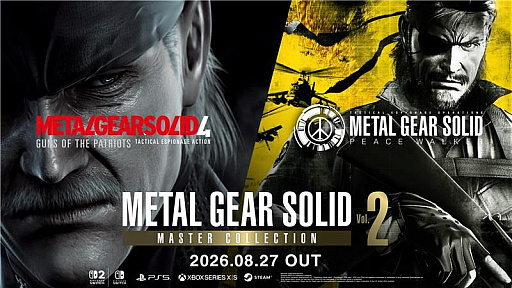
The announcement and subsequent detailing of Konami Digital Entertainment’s "METAL GEAR SOLID: MASTER COLLECTION Vol. 2" represents a monumental milestone in the preservation and modern accessibility of interactive entertainment history. Slated for a multi-platform release on August 27, 2026—spanning PC (Steam), PlayStation 5, Xbox Series X|S, Nintendo Switch 2, and the original Nintendo Switch—this compilation tackles some of the most fiercely debated, structurally complex, and historically significant software engineering feats in the Metal Gear canon.
At the absolute center of Volume 2 are two massive, generation-defining titles: "METAL GEAR SOLID 4: GUNS OF THE PATRIOTS" (originally released for the PlayStation 3 in 2008) and "METAL GEAR SOLID: PEACE WALKER" (originally released for the PlayStation Portable in 2010, later expanded via HD editions). Furthermore, the package incorporates deep-cut historical gems such as "METAL GEAR Ghost Babel" (released in 2000 for the Game Boy Color), satisfying both hardcore narrative purists and modern digital archeologists alike.
Bringing Metal Gear Solid 4—a game historically trapped within the idiosyncratic, notoriously complex Cell Broadband Engine architecture of the PlayStation 3—to modern multi-platform hardware is nothing short of a technical triumph. For nearly two decades, fans have wondered if Solid Snake’s twilight chapter would ever break free of its hardware prison. With Volume 2, Konami has not only accomplished this feat but has also implemented advanced rendering techniques, native high-resolution output, and customizable graphics options that modernize the experience without compromising the auteur vision of Hideo Kojima.
Detailed Chronology & Historical Significance
To understand the weight of METAL GEAR SOLID: MASTER COLLECTION Vol. 2, one must trace the historical trajectory of the titles enclosed within its digital library.
The Cell Architecture Dilemma: MGS4’s Liberation
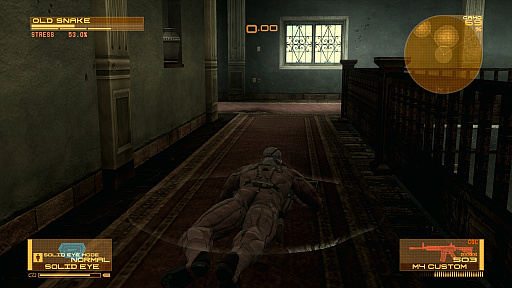
Released in 2008 exclusively for the PlayStation 3, Metal Gear Solid 4: Guns of the Patriots was designed from the ground up to exploit every single architectural nuance of Sony’s Cell Broadband Engine. While this allowed for unprecedented visual fidelity, cinematic scope, and complex physics simulations for its time, it also meant the game was fundamentally tied to the PS3’s unique hardware ecosystem. Porting or emulating the title has remained a holy grail for software engineers.
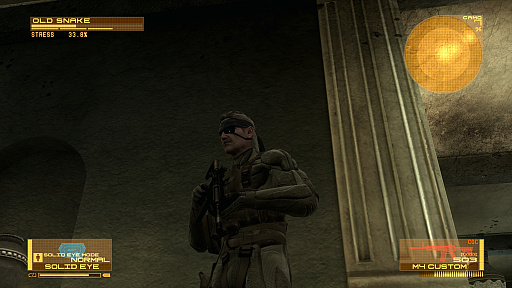
By successfully migrating MGS4 to modern architectures, Konami has effectively dismantled the last great hardware barrier of the franchise. Players can now experience Old Snake’s final mission with crisp, modern resolutions, smoothing out the aggressive performance dips that plagued the original 2008 release, all while retaining the cinematic grandeur that defined the end of the PS3 launch era.
Complementing MGS4 is Metal Gear Solid: Peace Walker, a title that originally redefined the limits of the PlayStation Portable (PSP) in 2010. Designed under the direct direction of Hideo Kojima, Peace Walker was not merely a spin-off; it was structurally treated as a core mainline entry, introducing the "Mother Base" management system, cooperative multiplayer mechanics, and a deep narrative foundation that directly informed Metal Gear Solid V: Ground Zeroes and The Phantom Pain.
Bringing Peace Walker into the Master Collection framework ensures that this vital narrative bridge between Snake Eater and V receives the high-definition treatment it deserves on contemporary platforms.
Supporting Context & Metrics: Graphical Enhancements and System Customization
Konami has approached MASTER COLLECTION Vol. 2 with a granular dedication to user preference. Recognizing that the fanbase is split between purists who desire uncompressed, original pixel art and modern players who expect crisp 4K/60fps (or higher) outputs, the development team has introduced extensive configuration suites.
Dynamic Resolution and Frame-Rate Stabilization
Across all included titles, players are greeted with options to toggle dynamic resolution scaling, vertical sync (V-Sync), and target framerates. For MGS4, which famously pushed the PS3’s hardware to its absolute limits with massive battlefield simulations and intricate character models, the ability to run at unlocked framerates on powerful modern hardware changes the cadence of the gameplay loop entirely. Gunfights feel more responsive, camera panning during cutscenes is buttery smooth, and the chaotic nature of the war-torn environments is rendered with pristine clarity.
Aspect Ratio and HUD Customization
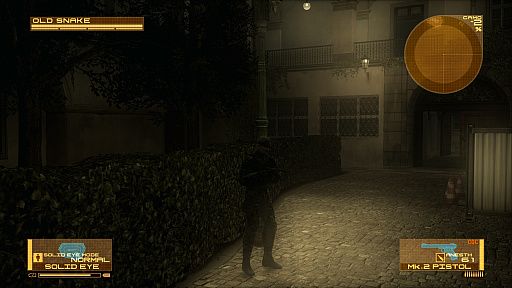
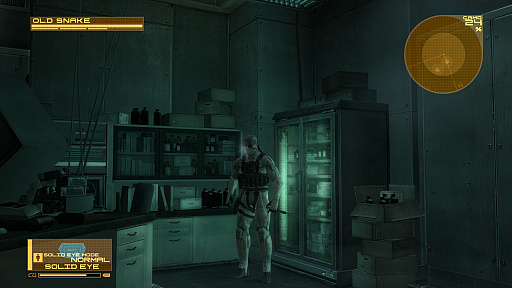
Modern displays vary wildly in aspect ratios, from standard 16:9 monitors to ultra-wide desktop setups. Konami has implemented robust scaling tools that allow players to choose between maintaining original 4:3 presentations with pillarboxing or expanding the viewport to fill modern widescreen displays. Crucially, HUD elements can be scaled, repositioned, or toggled off entirely, granting players total control over their immersion.
Official Statements & Developer Intent
In accompanying press briefings, Konami’s development division emphasized that the primary design philosophy behind Volume 2 was "Preservation through Playability."
"We did not simply want to dump ROM files onto modern storefronts," noted a lead producer on the project. "The challenge with titles like METAL GEAR SOLID 4 is that the art direction, the cinematic pacing, and the mechanical feedback loops are entirely inseparable from the hardware they were born on. Translating that experience to the PS5, Xbox Series X|S, Switch 2, and PC required a delicate balance of technological enhancement and profound respect for the original creative intent."
The inclusion of lesser-known titles like METAL GEAR Ghost Babel further underlines this archival mission. By ensuring that Game Boy Color classics and portable experiments run with modern convenience features—such as save states, rewind functionality, and digital art books—Konami is positioning this collection as an essential interactive museum piece.
Environmental Design & Tactical Variety
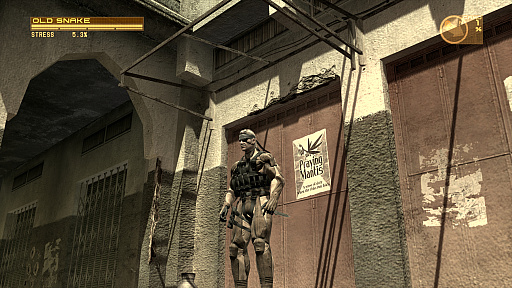
The environmental design across the titles featured in Volume 2 showcases the evolution of stealth-action pacing. From the war-torn urban sprawls of the Middle East in MGS4 to the lush jungles and military outposts of Costa Rica in Peace Walker, each setting demands a distinct tactical approach.
Middle Eastern Urban Warfare (MGS4)
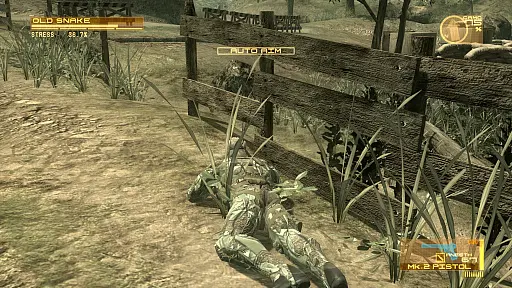
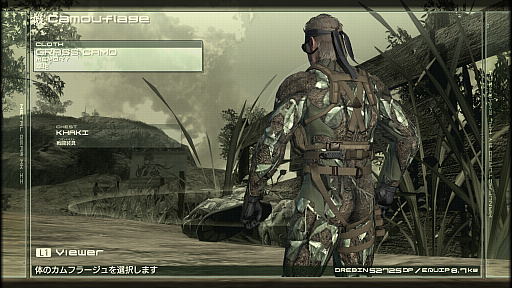
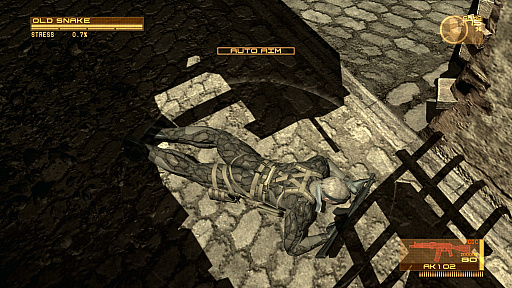
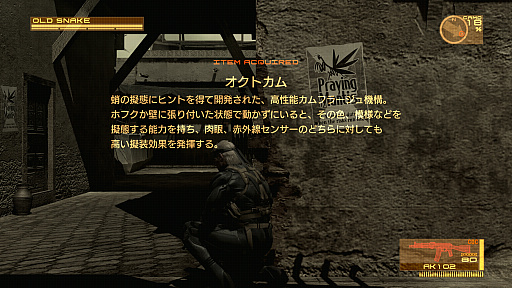
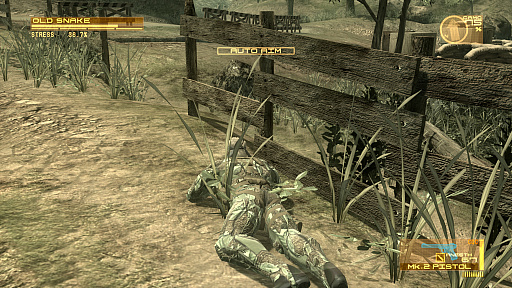
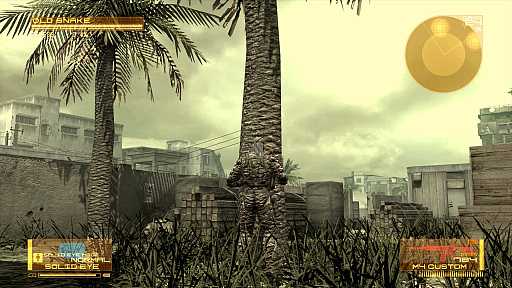
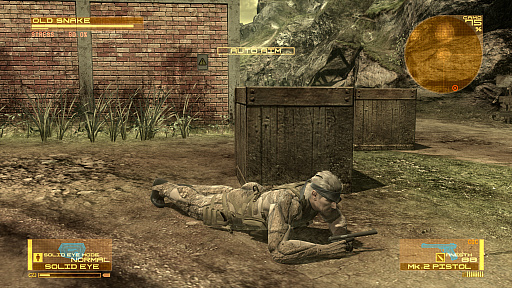
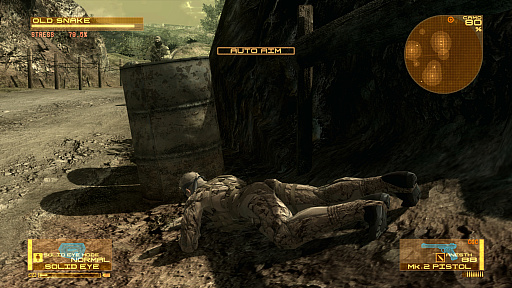
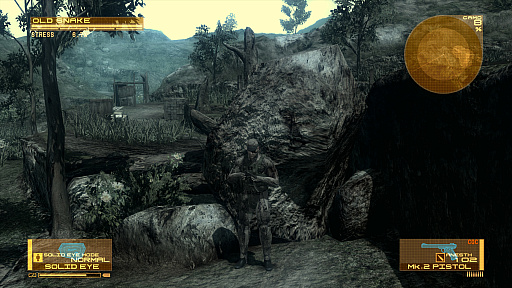
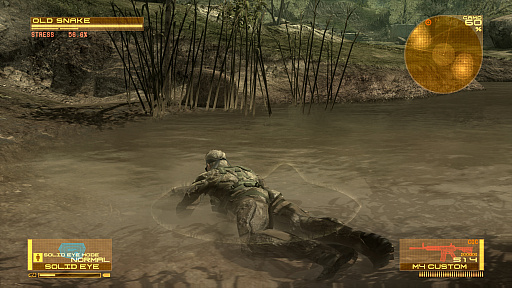
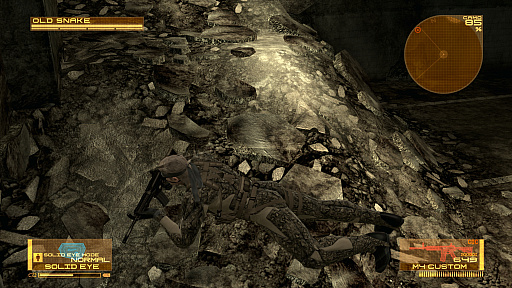
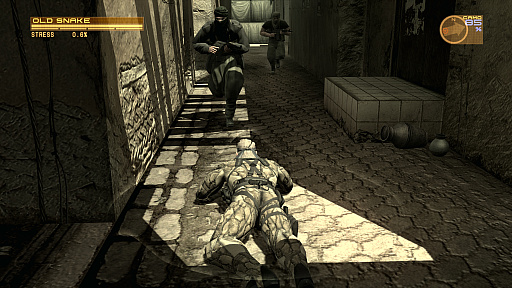
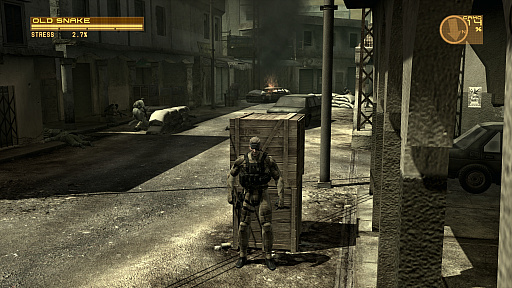
The opening acts of MGS4 drop players into chaotic, dust-choked streets where local militias clash with private military companies (PMCs). Here, Snake’s Octocamo suit shines. Players must utilize real-time camouflage to blend into concrete rubble, rusted vehicles, and blood-stained asphalt. The dynamic battlefield means that the front lines constantly shift; siding with local militia can earn you safe passage, while drawing the ire of PMC forces brings devastating firepower down upon your position.
Lush Jungles and Base Building (Peace Walker)
In stark contrast, Peace Walker takes players into the vibrant, sun-drenched wilderness of Central and South America. The environmental design here supports the overarching gameplay loop of recruitment and base expansion. Players can tranquilize enemy soldiers, utilize the Fulton surface-to-air recovery system to airlift them back to Mother Base, and gradually build up an offshore military powerhouse. The integration of lush foliage, riverbeds, and hidden cave systems encourages verticality and clever routing.
Future Outlook & Community Impact
As the gaming industry increasingly grapples with digital preservation crises—where older titles become functionally inaccessible due to platform obsolescence—METAL GEAR SOLID: MASTER COLLECTION Vol. 2 sets a gold standard for how legacy software should be handled.
By bridging the generational gap between the PlayStation 3 era and modern multi-platform gaming, Konami has ensured that future generations of players can experience the conclusion of Solid Snake’s saga without needing vintage hardware. Whether you are a series veteran looking to test your metrid on the highest difficulty settings with modern performance standards, or a newcomer experiencing the tactical espionage action of Peace Walker and MGS4 for the very first time, Volume 2 is shaping up to be an unmissable release when it launches on August 27, 2026.










Belum ada komentar. Jadilah yang pertama berkomentar!