

Executive Overview
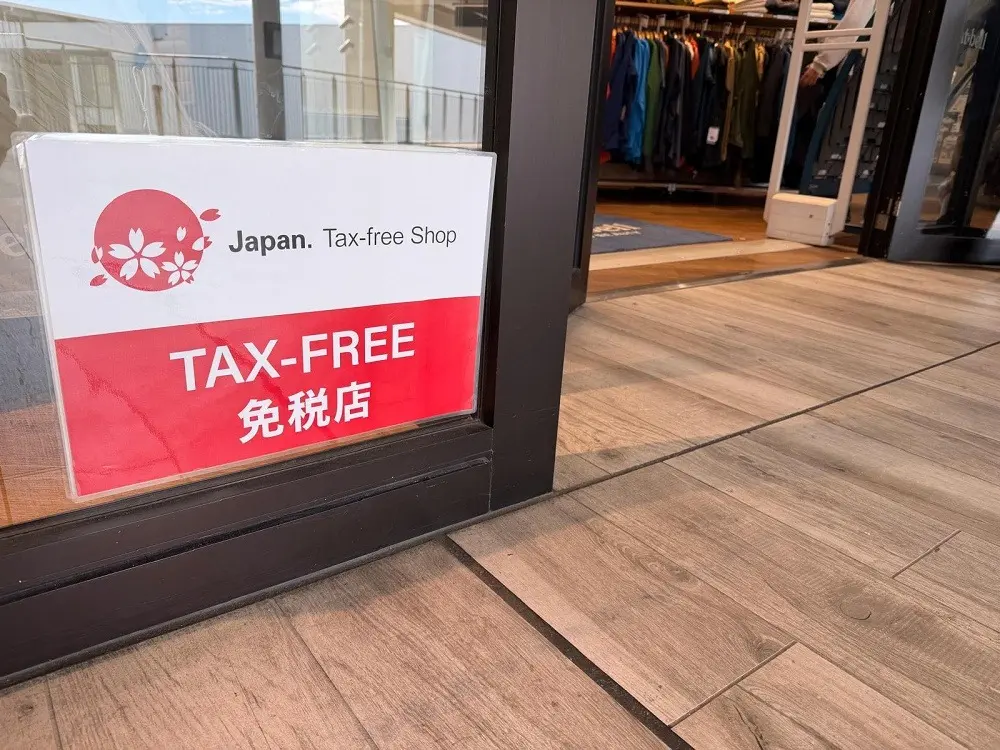
In a sweeping overhaul that marks the end of an era for international travelers, Japan officially dismantled its decades-old, point-of-sale tax-free shopping system. Effective November 1, the familiar convenience of skipping Japan’s 10 percent consumption tax directly at the cash register has been entirely replaced. Under the newly implemented framework, foreign tourists must now pay the full consumption tax upfront at the time of purchase and subsequently navigate a digital refund process at their designated departure port prior to boarding their flights or ships home.
For years, the previous tax-exemption system served as a massive economic driver, drawing millions of global shoppers eager to capitalize on both Japan’s vibrant retail landscape and a historically weak yen. By simply presenting their passports at participating retail counters for purchases totaling 5,000 yen (approx. $31.50 USD) or more, non-resident visitors could instantly bypass the country’s 10 percent levy.
However, systemic loopholes and rampant abuse—specifically the illicit domestic resale of untaxed goods—forced the hand of Japanese authorities. The transition to a post-purchase refund model is designed to give customs officials strict verification mechanisms to ensure that all tax-exempted merchandise actually leaves the country. While the policy change aims to curb tax evasion, it introduces significant logistical hurdles for travelers. Tourists must now factor in extra time at departure terminals, carefully preserve product packaging, and ensure that items purchased together remain completely intact and unaltered. This report explores the mechanics of the new system, the driving forces behind the policy shift, and critical advice for navigating Japan’s modern retail landscape.
Detailed Chronology: How the Transition Unfolded
The transformation of Japan’s tourist tax structure did not happen overnight. It represents the culmination of years of escalating government concern regarding lost tax revenues, administrative friction, and organized commercial exploitation of a system built primarily on an honor code.
The Honor System Era and Rising Abuse
Historically, Japan positioned its consumption tax exemption as a hospitality measure designed to stimulate inbound tourism. Retailers—ranging from high-end department stores in Ginza to ubiquitous convenience chains and souvenir shops—readily adopted the point-of-sale exemption. Tourists simply signed a covenant stating they would export the goods, tucked their purchase records into their passports, and enjoyed immediate savings.
As global tourism surged in the post-pandemic years, propelled further by the depreciation of the Japanese yen, the volume of tax-free transactions skyrocketed. Concurrently, Japanese customs and tax authorities detected an alarming rise in abuse. Syndicates and unscrupulous individual actors exploited the system by purchasing luxury goods, electronics, and consumable items tax-free, only to illegally flip them on domestic black markets or online secondary platforms without ever paying the 10 percent consumption tax. Because point-of-sale exemption left virtually no trail at the border to verify physical exportation, enforcement agencies found themselves effectively powerless to stop large-scale revenue leakage.
The Regulatory Pivot
Recognizing that the honor system was vulnerable to widespread exploitation, the Japanese government began reviewing alternative models utilized by other major global travel destinations. Policymakers ultimately settled on a modernized, digital-first tax-refund paradigm.
Planning and infrastructural overhauls commenced months in advance, requiring major Japanese international gateways—including Narita, Haneda, Kansai, and others—to install specialized electronic self-service kiosks and establish dedicated inspection zones. Retailers across the country were retrained, shifting their point-of-sale software to charge full consumption tax on non-resident transactions while issuing standardized digital receipts capable of interfacing with national customs databases.
Implementation Day: November 1
As of November 1, the old system was officially retired. Visitors attempting to claim immediate tax relief at checkout counters are now met with a standard tax-inclusive total. The burden of securing the 10 percent savings has shifted entirely to the consumer, who must now interact with automated customs terminals, specialized Wi-Fi verification networks, or the updated Visit Japan Web portal before checking in their luggage at departure ports.
Supporting Context & Metrics: The Mechanics of the New System
Understanding the operational mechanics of the new tax-refund system is paramount for any traveler looking to recover their money without encountering bureaucratic roadblocks. The process involves precise timing, digital interactions, and strict physical compliance.
Step-by-Step at the Retailer
When shopping in Japan, foreign tourists will continue to present their passports at participating stores. However, instead of receiving an immediate tax deduction and having a purchase record stapled into their travel documents, the transaction will process with the standard 10 percent consumption tax included. Retailers will issue a specialized receipt linked to the traveler’s passport data, logging the purchase into the centralized national customs network.
The Airport or Seaport Protocol
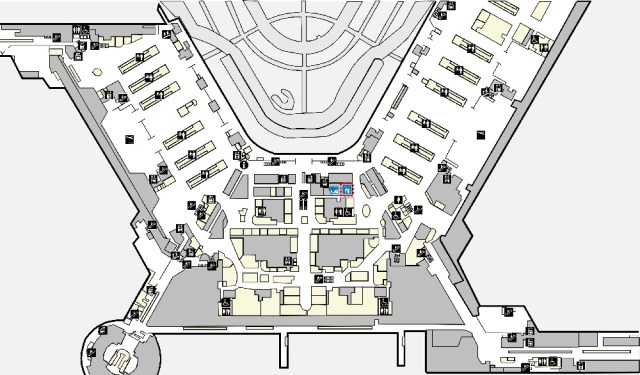
Upon arriving at the departure port (such as Narita, Haneda, Kansai, Chubu Centrair, Fukuoka, New Chitose, or Naha), travelers must complete the refund application before checking in their luggage. This can be executed in two primary ways:
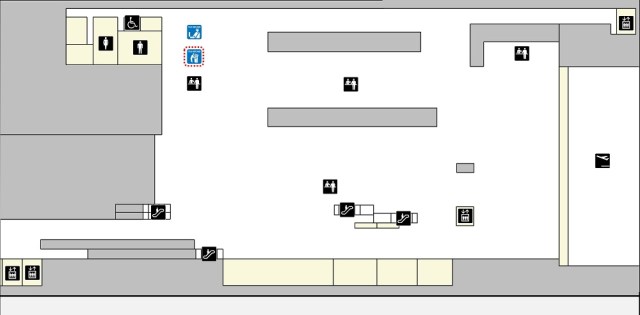
- Self-Service Terminals: Travelers present their passports at electronic kiosks located within the international departure lobbies. The terminal screen or a customs agent will review the digital application and display either a green or red notice.
- Visit Japan Web: Passengers departing from major hubs can initiate their applications online via the Visit Japan Web platform. Crucially, this requires connecting to a dedicated, localized Wi-Fi network within the international departure lobby, meaning the procedure cannot be completed remotely before arriving at the airport.
The Inspection Risk and the "Unbreakable Unit" Rule
While not every traveler will be flagged for an audit, those selected by the system (signified by a red notice at the kiosk) must present all physical items for inspection by a customs agent. This introduces one of the most stringent aspects of the new policy: items purchased together on the same receipt constitute a single, unbreakable unit.
- The Multi-Item Hazard: If a traveler purchases five distinct items in a single transaction and gets flagged for an inspection, they must present all five items. If even a single item is missing, the entire transaction is disqualified, and the traveler loses eligibility for a refund on all remaining items.
- Consumable Dilemmas: Consumable goods—such as skincare lotions, cosmetics, or food items—present a unique challenge. If a tourist purchases multiple bottles of a skincare product and opens just one to use during their vacation, they forfeit the tax refund for the remaining unopened bottles unless they were purchased as separate transactions on independent receipts.
- Time Limits: All refund requests must be submitted within 90 days of the purchase date, aligning neatly with the standard 90-day tourist visa duration for international visitors.
Receiving the Funds
Once the digital or physical clearance is successfully completed, travelers designate their preferred payout method: a direct credit to their credit card company or a direct bank transfer. Japan Customs has not published an exact turnaround time for processing payouts, though industry analysts estimate funds will take several weeks to clear. Consequently, travelers are strongly advised not to factor these expected refunds into immediate travel budgets.
Official Statements and Industry Response
The transition has elicited mixed reactions from stakeholders across Japan’s tourism, retail, and governmental sectors, highlighting the tension between fiscal responsibility and frictionless travel experiences.
Government and Customs Rationale
Japan Customs and administrative representatives have continuously emphasized that the structural reform is a necessary measure to protect national tax revenues while keeping the door open for legitimate international shoppers. In official briefings, ministry officials noted that a "consumption tax" inherently targets goods consumed within domestic borders. By moving to a refund model, the government ensures that exemptions are strictly granted to goods that are demonstrably exported.

"The integrity of our tax system depends on verifiable accountability," a senior tax policy official noted during preliminary rollout announcements. "While we deeply value our international visitors and want them to enjoy shopping in Japan, we must close avenues that allow commercial exploitation of hospitality measures."
Retailer and Tourism Industry Concerns
Conversely, major retail associations and hospitality groups have expressed quiet apprehension regarding the potential friction the new rules introduce. Retailers fear that the psychological impact of paying a higher upfront price—combined with the cumbersome departure procedures—may dampen high-volume souvenir and luxury shopping.
Furthermore, airport operators have raised concerns about potential congestion. With thousands of daily international departures, the requirement for travelers to queue at self-service kiosks, manage digital portals via specialized Wi-Fi networks, and potentially undergo physical luggage inspections threatens to create bottlenecks in departure terminals. Industry experts have urged travelers to arrive significantly earlier for international flights to accommodate these unpractised administrative steps.
Future Outlook: What the Reform Means for the Future of Japan Tourism
As Japan continues to grapple with record-breaking inbound tourism numbers—frequently encountering challenges related to overtourism, infrastructure strain, and resource management—the implementation of the tax-refund system represents a broader philosophical shift in how the nation manages its foreign visitors.
Digital Transformation and Enforcement
The long-term success of the new system will likely hinge on technological streamlining. If Japan Customs can successfully optimize the digital interface via Visit Japan Web and expand automated kiosk capacity across regional airports and seaports, the friction of the refund process may decrease over time. However, the strict enforcement of the "unbreakable unit" and physical inspection rules signals a permanent end to casual, unmonitored tax exemptions. Tourists can no longer treat tax-free shopping as a simple, no-strings-attached discount; it is now a formal administrative export process.
Economic Adjustments
Economists will be closely monitoring retail sales data in the coming quarters to determine whether the removal of point-of-sale tax exemption dampens consumer enthusiasm. Given the sustained weakness of the yen, Japan is expected to remain an exceptionally attractive shopping destination overall. However, savvy travelers will need to adapt their purchasing habits—splitting receipts for consumable items, keeping packaging intact, and allocating an extra hour at the airport—to ensure they successfully recover their 10 percent investment. Ultimately, while Japan remains open for business, the era of frictionless, immediate tax-free shopping has officially closed its doors.









Belum ada komentar. Jadilah yang pertama berkomentar!