

Executive Overview
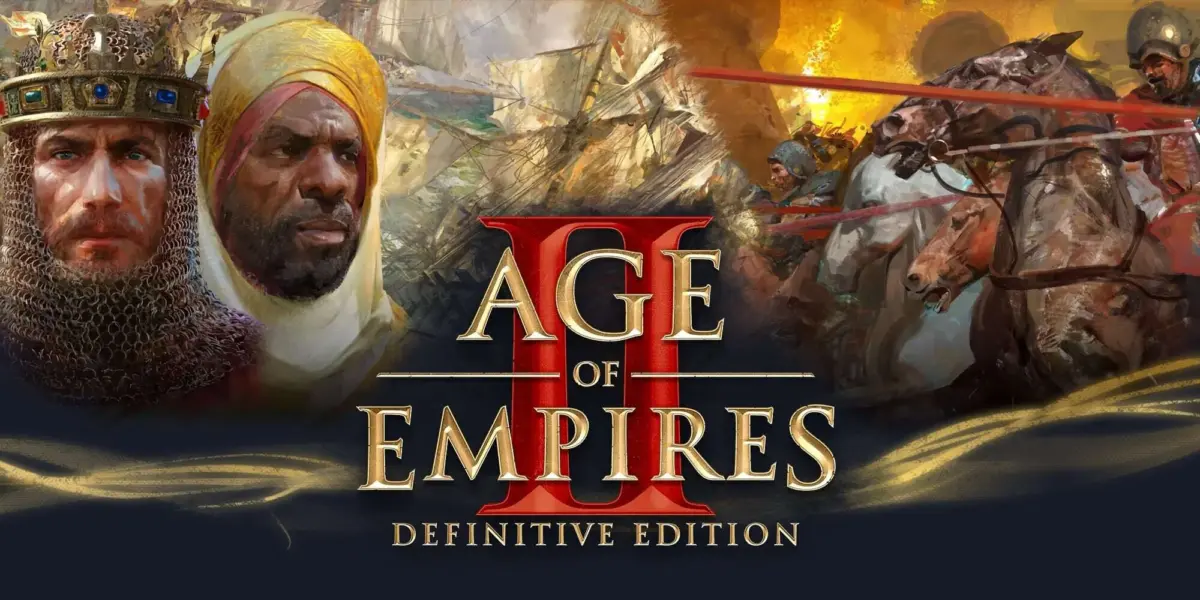
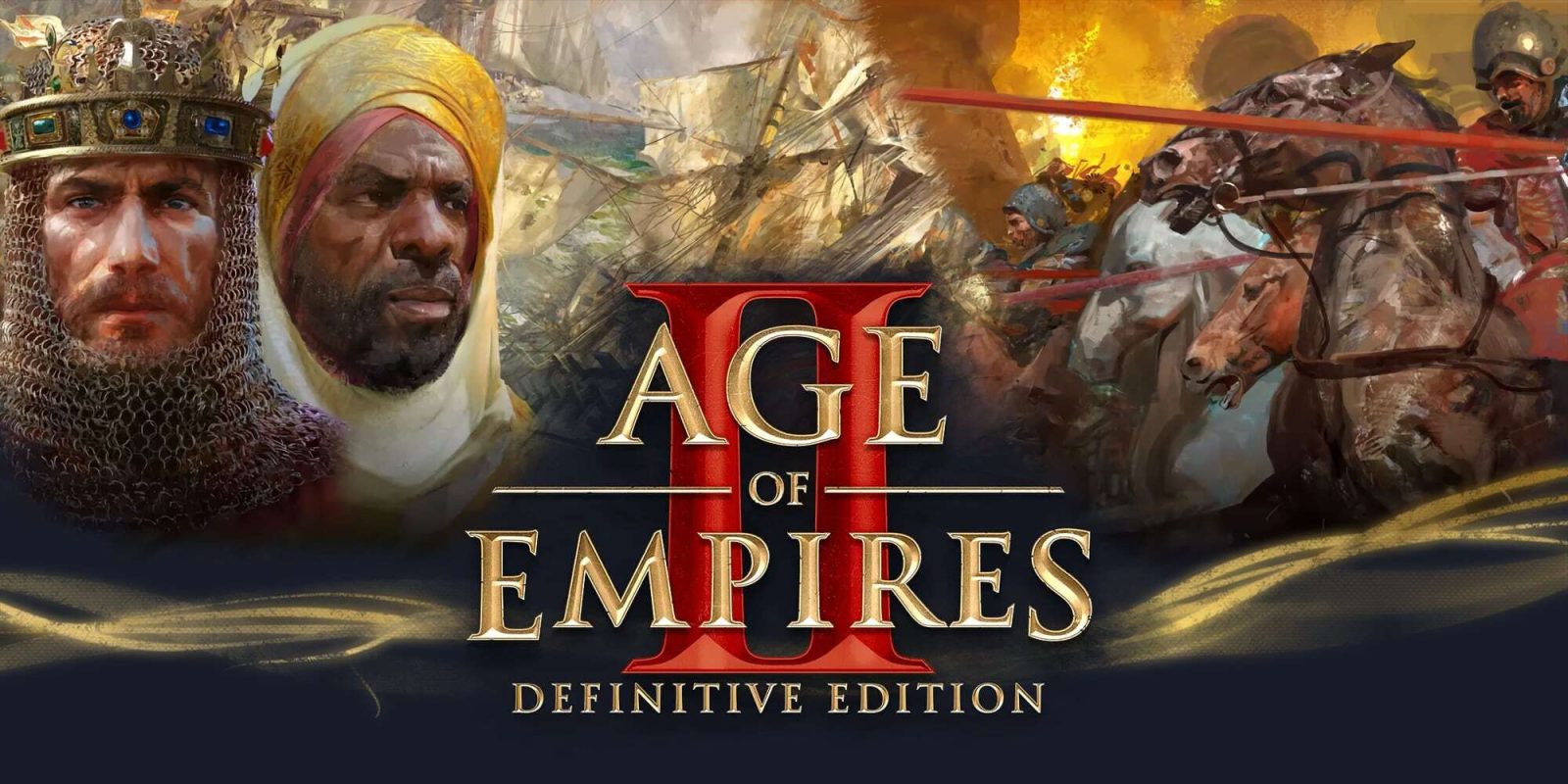
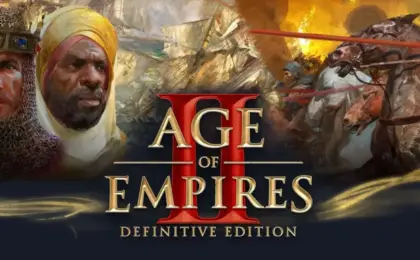
The landscape of personal computer gaming has undergone a tectonic shift over the past several years, driven largely by Apple’s aggressive, silicon-led hardware evolution and a concerted software push to turn macOS into a viable, high-performance gaming platform. In a move that bridges a decades-long historical divide between PC and Mac ecosystems, Microsoft and its development partners have officially announced that Age of Empires II: Definitive Edition—the crown jewel of real-time strategy (RTS) gaming—is officially making its debut on macOS.
Scheduled for release on Thursday, May 28, this upcoming port represents far more than just another historical title landing on a new operating system. It serves as a litmus test for the enduring viability of classic strategy franchises on Apple hardware, capitalizes on the immense graphical and computational headroom afforded by Apple Silicon (M-series chips), and underscores a broader industry trend of treating macOS as a first-class citizen rather than an afterthought.
Initially launching via Steam on May 28, with a subsequent release on the Mac App Store anticipated later in the year, the macOS version of Age of Empires II: Definitive Edition will ship with a robust suite of content. This includes razor-sharp 4K visual optimization, a fully remastered orchestral soundtrack, and three major historical expansions embedded natively in the base package: Lords of the West, Dynasties of India, and Dawn of the Dukes.
As Apple continues to refine its metal API graphics architecture, gamifying the Mac ecosystem via developer toolkits, and attracting major AAA studios (such as recent day-one releases like Crimson Desert), the arrival of Age of Empires II provides a vital anchor for strategy enthusiasts. This comprehensive report explores the technical implications of the release, the historical significance of the franchise, the strategic trajectory of Mac gaming, and what this milestone means for the future of interactive entertainment on macOS.
Detailed Chronology: From MS-DOS Roots to macOS Modernity
To understand the weight of bringing Age of Empires II to the Mac, one must first trace the evolutionary timeline of both the franchise and Apple’s tumultuous relationship with high-end PC gaming.
[1999] Original Age of Empires II Released (PC/Mac Ports via third-party)
  │
[2013] Age of Empires II: HD Edition (Steam revival)
  │
[2019] Age of Empires II: Definitive Edition (4K, Remastered Audio, New Expansions)
  │
[2026] Official macOS Port Announced & Scheduled for Steam (May 28)
  │
[Later 2026] Scheduled Mac App Store Debut
The 1990s Genesis and Early Mac Experiments
When Ensemble Studios and Microsoft Game Studios originally released Age of Empires II: The Age of Kings in 1999, the real-time strategy genre was at the absolute zenith of its cultural relevance. Powered by the Genie Game Engine, the game tasked players with guiding historical civilizations through four distinct "Ages," balancing resource collection, base construction, tactical unit management, and technological progression.
While the original title eventually found its way to classic PowerPC-based Macintosh computers via third-party porting houses like MacSoft, these versions were frequently plagued by performance disparities, delayed expansion rollouts, and compatibility issues as Apple transitioned through hardware architectures (moving from PowerPC to Intel processors in the mid-2000s). For years, Mac-using strategy fans were relegated to virtualization software, dual-booting Windows via Boot Camp, or abandoning the platform altogether in favor of dedicated Windows rigs.
The Definitive Era and the Steam Renaissance
The modern resurgence of the franchise began in 2013 with Age of Empires II: HD Edition, which brought widescreen support and Steam Workshop integration to Valve’s digital storefront. However, the true renaissance arrived in November 2019 with the launch of Age of Empires II: Definitive Edition.
Built to celebrate the 20th anniversary of the franchise, the Definitive Edition was a massive overhaul. It featured completely rebuilt 4K ultra-HD assets, entirely new pathfinding logic, a spectating mode, integrated streaming capabilities, and a continuous stream of new expansions that introduced fresh civilizations, campaigns, and gameplay mechanics. Yet, despite its sweeping modernization and massive global player base, one glaring omission remained for nearly seven years: native, optimized support for macOS.
The 2026 macOS Breakthrough
The announcement that Age of Empires II: Definitive Edition is officially converting to macOS marks a watershed moment. Slated for a May 28 release on Steam, the port represents an official, first-party-backed effort to bring the definitive RTS experience to Apple’s ecosystem. By launching first on Steam—the dominant PC gaming marketplace where the vast majority of the game’s existing community resides—the developers are ensuring cross-platform ecosystem continuity, including potential crossplay capabilities and immediate access to community features. The subsequent rollout on the Mac App Store later in the year will further broaden its accessibility to mainstream consumers who prefer Apple’s curated software storefront.
Supporting Context & Metrics: The Technical and Market Landscape
The timing of this release is not accidental; it coincides with a profound structural evolution in how Apple approaches gaming hardware and software optimization.
The Apple Silicon Advantage: Performance Meets Efficiency
Historically, Mac gaming was constrained by thermal throttling, inadequate graphics drivers, and an architectural reliance on integrated graphics solutions that lagged far behind dedicated NVIDIA and AMD desktop GPUs. The introduction of Apple Silicon (ranging from the M1 chips to the cutting-edge M4 and subsequent iterations) fundamentally rewrote this paradigm.
Apple’s unified memory architecture allows the CPU and GPU to share a single, high-bandwidth memory pool, drastically reducing data transfer latency. For a real-time strategy game like Age of Empires II: Definitive Edition, which must calculate pathfinding, unit collision, combat physics, and AI decision-making for hundreds (or even thousands) of simultaneous units on screen, memory bandwidth and multi-core CPU efficiency are paramount.
Modern MacBooks and Mac mini/Studio desktops equipped with Apple Silicon can easily handle the computational overhead of 4K rendering while maintaining silent operation and exceptional battery efficiency. This makes the platform uniquely suited for long, uninterrupted strategy gaming sessions.
Bridging the Gap: From Crimson Desert to Age of Empires
To gauge how far Mac gaming has progressed, industry analysts often look at the cadence of game releases. For decades, the "Mac tax" meant that macOS users had to wait months or years—if they received ports at all—for major titles to cross over from Windows.
Recently, however, the industry has shown signs of structural change. As highlighted by high-profile releases like Crimson Desert, which achieved a rare day-one launch on macOS simultaneously with other platforms, Apple’s Game Porting Toolkit has successfully lowered the barrier to entry for developers looking to translate DirectX 12 code into Apple’s native Metal API.
While Age of Empires II: Definitive Edition is following a more traditional delayed-port pattern rather than a day-one simultaneous release, its arrival demonstrates that major publishers like Xbox Game Studios / Microsoft are willing to invest engineering resources into maintaining and expanding their catalog for macOS users.
Official Statements and In-Depth Content Breakdown
According to the official press release from the development team behind Age of Empires II: Definitive Edition, the macOS port is designed to be feature-complete right out of the box, offering no compromises in content or visual fidelity compared to its PC counterpart.
What’s Included in the Base macOS Package
When players download the game on May 28, they will receive a comprehensive, content-rich package that reflects over two decades of refinement. The official release notes detail the following inclusions:
- Razor-Sharp 4K Visuals: Fully optimized high-definition asset packs that scale dynamically across Apple’s high-resolution Retina displays, Studio Displays, and external monitors.
- Remastered Soundtrack: A fully re-recorded and remastered orchestral soundtrack that breathes new life into the iconic, nostalgic themes of the original 1999 release.
- Three Native Expansions: In addition to the base historical campaigns (spanning Joan of Arc, Saladin, Genghis Khan, and more), the game includes three major expansions fully integrated into the core experience:
- Lords of the West: Featuring new voice-acted campaigns, achievements, and civilizations such as the Burgundians and the Sicilians.
- Dynasties of India: Bringing the civilizations of South Asia to life with distinct architectural styles, tactical bonuses, and comprehensive campaigns.
- Dawn of the Dukes: Transporting players to Eastern Europe to experience the gritty tactical warfare of the Lithuanians and Poles.
Expanding Horizons: Day-One DLC Availability
Beyond the base game and its three bundled expansions, empire builders hungry for additional content will have immediate access to a massive, continuously expanding stable of downloadable content (DLC) purchasable from day one.

This includes unique historical diversions such as Return of Rome, which brilliantly transplants the entire original, foundational Age of Empires experience directly into the modern Age II engine, allowing players to experience ancient civilizations with contemporary UI and pathfinding improvements. Furthermore, players can dive into recently released expansions like The Last Chieftains, which explores the complex, multifaceted medieval societies of South America, proving that the macOS version will not be a static relic, but a living, updated ecosystem synchronized with the PC version’s update schedule.
Future Outlook: The Horizon of Mac Gaming
The arrival of Age of Empires II: Definitive Edition on macOS raises an important question: What does the future hold for strategy gaming and wider AAA titles on Apple platforms?
The Revival of Strategy on macOS
Real-time strategy games have historically found a comfortable home on personal computers due to the precision of the mouse and keyboard interface. Because macOS has always maintained a deeply integrated desktop paradigm anchored by precise cursor control, titles like Age of Empires, Civilization, and Total War are naturally aligned with the ergonomic strengths of the Mac.
As more developers realize that Apple’s hardware base—particularly the vast installed base of M-series MacBooks used by students, professionals, and creatives—represents an untapped demographic of potential gamers, the economic incentive to port strategy classics grows stronger.
Overcoming the Remaining Hurdles
Despite the celebratory tone of this release, challenges remain for the broader Mac gaming ecosystem. Cross-platform multiplayer stability, parity in patch delivery timelines between Windows and macOS versions, and the friction of navigating multiple digital storefronts (Steam versus the Mac App Store) are ongoing hurdles that publishers must navigate.
However, by choosing Steam as the primary launch vehicle for Age of Empires II, the developers have minimized friction for the core PC gaming community, ensuring that Mac users can seamlessly connect with friends, join lobbies, and participate in competitive matchmaking regardless of their host operating system.
Conclusion
Age of Empires II: Definitive Edition coming to macOS on May 28 is much more than a nostalgia trip for aging millennials and strategy veterans. It is a bellwether for the maturation of Apple Silicon as a legitimate gaming platform. By delivering a feature-complete, visually stunning, 4K-optimized version of one of the greatest strategy games ever created—complete with years of expansions and active DLC support—Microsoft and Apple are signaling that the Mac is no longer an afterthought in the strategy genre.
For the millions of users who rely on a Mac for their daily creative and professional workflows, the ability to close Xcode or Final Cut Pro and immediately launch a sprawling medieval crusade without rebooting or switching hardware is a long-awaited luxury. As May 28 approaches, the Mac gaming community stands poised to build its next great empire.
Do you game on your Mac? How are you feeling about the current landscape of Mac gaming and the arrival of legendary titles like Age of Empires II? Let us know your thoughts in the comments below.





Belum ada komentar. Jadilah yang pertama berkomentar!