

Executive Overview
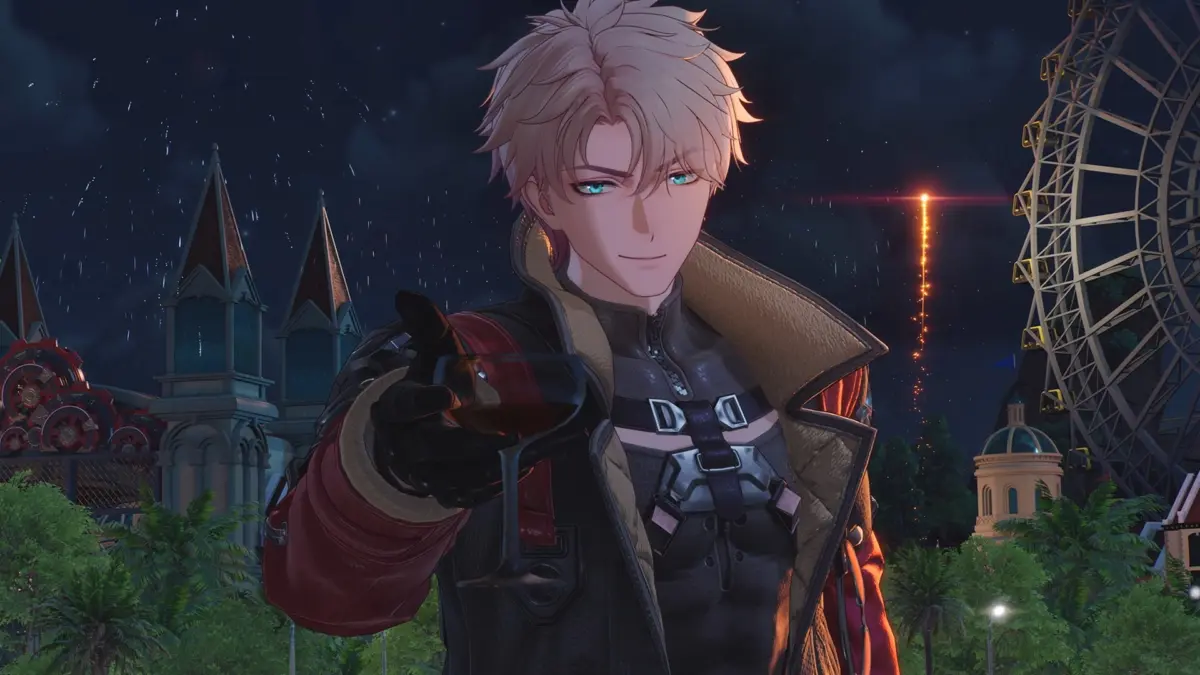
The live-service gaming landscape is notoriously crowded. Free-to-play Action RPGs routinely rely on randomized "gacha" monetization schemes to drive profitability, often placing player progression behind paywalls and unpredictable pull probabilities. However, incoming urban open-world RPG Ananta—originally unveiled in 2023 under the codename Project Mugen—is attempting a high-stakes departure from these industry norms.
Developed as an ambitious, high-mobility urban fantasy, Ananta combines dynamic traversal reminiscent of Marvel’s Spider-Man, sandbox freedom akin to Grand Theft Auto, and a unique social-media-driven progression system. Crucially, its development team has committed to an unprecedented business model for the genre: eliminating randomized gacha banners entirely. Players can unlock every character within the roster exclusively through gameplay, shifting real-money purchases toward non-randomized cosmetic and collectible "souvenirs."
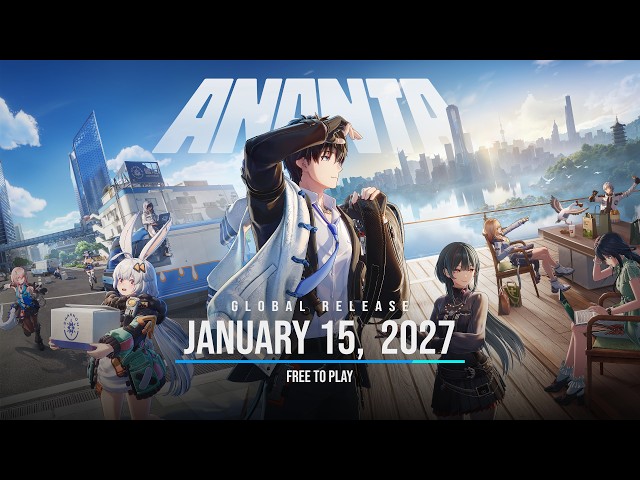
Speaking during an executive interview at Gamescom, Global Publishing Lead Link and International Marketing Lead Rain outlined the studio’s vision for Ananta. Positioned for a globally unified launch on January 15, the title aims to challenge established industry conventions through authentic cultural representation, improvised Jackie Chan-style combat, and an uncompromising commitment to player-first design.
Detailed Chronology: From ‘Project Mugen’ to ‘Ananta’
+-----------------------------------------------------------------------------------+
|                                 DEVELOPMENT TIMELINE                              |
+-----------------------------------------------------------------------------------+
| AUGUST 2023      | NetEase / Naked Rain unveils "Project Mugen" to global acclaim.|
|                  | Initial trailers showcase high-speed urban web-swinging.       |
+------------------+----------------------------------------------------------------+
| 2024 - MID-2026  | Silent development phase. Systemic overhaul of monetization,    |
|                  | combat mechanics, and world design occurs behind closed doors. |
+------------------+----------------------------------------------------------------+
| AUGUST 2026      | Re-emerges at Gamescom under the official title *Ananta*.      |
|                  | Non-gacha revenue model and viral fame systems confirmed.       |
+------------------+----------------------------------------------------------------+
| JANUARY 15, 2027 | Target Global Release across PC, Console, and Mobile platforms.|
+-----------------------------------------------------------------------------------+
The 2023 Reveal
When Project Mugen was first showcased in August 2023, it captured immediate attention across the gaming industry. Early footage revealed anime-inspired characters swinging past skyscrapers, driving customized vehicles through neon-lit boulevards, and executing fluid, wall-running combat. Industry observers quickly drew parallels to superhero traversal titles and open-world urban crime simulators. However, skepticism remained high regarding whether the title would fall into traditional live-service monetization traps.
The Transformation Phase
Behind closed doors, the developers refined the core identity of the project. Rather than pivoting toward industry-standard randomized character pulls to recoup heavy open-world production costs, the studio chose to retain their original artistic intent. The project was officially titled Ananta, derived from the Sanskrit concept of infinity, symbolizing unlimited player freedom within a sprawling metropolitan environment.
The Gamescom Milestone
By late 2026, Ananta re-emerged with fully playable builds across major industry tradeshows, including Gamescom and public showcases in Japan. The studio confirmed key development milestones, including complete regional marketing parity, non-random monetization, and a finalized global release date of January 15.
Supporting Context & Metrics
World-Building and Real-World Architecture
Rather than creating purely fictional anime environments, Ananta grounds its world in meticulously researched real-world geography and cultural landmarks, particularly drawing from major urban centers in Eastern China.
+-----------------------------------------------------------------------------------+
|                             IN-GAME LOCATION MAP                                  |
+-----------------------+--------------------------+--------------------------------+
| In-Game Region        | Real-World Inspiration   | Key Landmarks & Activities     |
+-----------------------+--------------------------+--------------------------------+
| Weilan Lake           | West Lake, Hangzhou      | Leisure boating, park strolls, |
|                       |                          | social hubs                    |
+-----------------------+--------------------------+--------------------------------+
| Mingpu District       | Shanghai Metropolitan    | Towering skyline, Oriental     |
|                       | Area                     | Pearl Tower replica, night life|
+-----------------------------------------------------------------------------------+
Developers routinely visited these metropolitan centers to study urban planning, architectural proportions, and social habits. This real-world research directly informs how non-player characters (NPCs) behave, how traffic moves through district arteries, and how leisure activities—such as boating on Weilan Lake or dining in high-rise districts—are rendered in-game.
        Urban Traversal Efficiency vs. Progression Freedom

  High  +---------------------------------------------------+
        |                                       [Ananta]    |
        |                                      * Spider-Man |
  T     |                                        Mobility   |
  R     |                                                   |
  A     |                    * GTA Sandbox                  |
  V     |                      Freedom                      |
  E     |                                                   |
  R     |   * Standard Gacha                                |
  S     |     RPGs                                          |
  A     |                                                   |
  L     +---------------------------------------------------+
  Low   Low                  PROGRESSION FREEDOM        High
The Virality Engine: Social Fame as Core Progression
A core differentiator in Ananta is its "Virality Engine." Operating under the lore premise that social media dictates modern urban influence, the game measures a player’s progression not merely through power levels, but through overall public popularity and fan count.

                 +-----------------------------------+
                 |      PLAYER CHOICE IN ANANTA      |
                 +-----------------+-----------------+
                                   |
         +-------------------------+-------------------------+
         |                                                   |
         v                                                   v
+------------------+                               +------------------+
| Combat Route     |                               | Altruistic Route |
| - Defeat Enemies |                               | - Help Civilians |
| - Stop Heists    |                               | - Clear Street   |
| - Heroic Actions |                               |   Obstacles      |
+--------+---------+                               +--------+---------+
         |                                                   |
         +-------------------------+-------------------------+
                                   |
                                   v
                 +-----------------------------------+
                 |         FAN COUNT INCREASES       |
                 +-----------------+-----------------+
                                   |
                                   v
                 +-----------------------------------+
                 |  UNLOCKS:                         |
                 |  - New Storylines                 |
                 |  - Roster Recruitment             |
                 |  - High-Tier Urban Missions       |
                 +-----------------------------------+
Players can increase their fan base via two distinct gameplay loops:
- The Heroic Path: Defeating combatants, thwarting criminal activities, and tackling high-stakes narrative encounters.
- The Community Path: Assisting daily pedestrians, engaging in urban mini-games, and improving neighborhood morale.
As fan counts scale, players unlock access to new story chapters, secondary side quests, and recruitment avenues for additional squad members.
Dynamic Combat Systems
Combat in Ananta moves beyond basic cooldown rotations by incorporating physics-driven environmental interaction. Taking explicit cues from classic martial arts cinema—specifically the action-comedy filmography of Jackie Chan—combat encourages players to improvise using surrounding urban objects.
- Environmental Weaponry: Players can grab street signs, trash cans, or golf clubs mid-combat to execute combo extensions.
- Character-Specific Mechanics: Unique character designs seamlessly integrate combat into their daily identities. For instance, the character Taffy can mechanically transform her motorized delivery vehicle into a massive hammer during battle sequences.
- Martial Arts Diversity: The combat system incorporates distinct fighting disciplines, ranging from traditional swordplay and hand-to-hand kung fu to modern freestyle brawl tactics.
Deconstructing the Monetization Paradigm: Evolving Beyond Gacha
The decision to omit gacha mechanics presents a notable strategy within the free-to-play urban RPG space. Historically, live-service titles rely on variable-ratio reinforcement schedules—loot boxes, character banners, and pity counters—to drive high average revenue per user (ARPU). Ananta pivots toward a deterministic financial structure.
+-----------------------------------------------------------------------------------+
|                        MONETIZATION MODEL COMPARISON                              |
+------------------------+--------------------------+-------------------------------+
| Feature                | Traditional Gacha Model  | Ananta Souvenir Model         |
+------------------------+--------------------------+-------------------------------+
| Character Acquisition  | Randomized Banners (RNG) | 100% Earnable via Gameplay    |
| Monetization Focus     | Power & Character Access | Cosmetics, Souvenirs, Memory  |
|                        |                          | Items                         |
| Spending Predictability| Variable / Uncapped      | Fixed / Deterministic         |
| Progression Blockers   | Pay-to-Accelerate / Gated | Play-to-Earn Fan Base System  |
+-----------------------------------------------------------------------------------+
By allowing players to acquire all gameplay-relevant assets and characters directly through active play, monetization is anchored entirely around voluntary aesthetic purchases. The executive team compares this approach to buying merchandise at a real-world convention or landmark: transactions function as memorable souvenirs tied to a player’s affinity for specific characters, rather than a prerequisite for competitive viability or narrative completion.
Official Statements: Executive Interview Insights
During Gamescom, Ananta’s executive leadership directly addressed community questions regarding game design, monetization, and creative direction.
On Real-World Design Inspirations and World Building
Pocket Tactics: Were there any specific inspirations when creating Ananta? For example, we’ve seen a lot of people compare the game to Spider-Man and GTA.
Link (Global Publishing Lead):
"Ananta is positioned as an urban open-world RPG with a high degree of freedom, and many members of our development team are big fans of that genre. They’ve incorporated their understanding, expectations, and fantasy of the open world into Ananta. For example, if you look at Weilan Lake, it’s based on West Lake, a big landmark of Hangzhou, where you can hang out and go boating.
Then there’s a location based on Shanghai; in the Mingpu District, you can see a tower which is a very famous landmark, the Pearl Tower. Actually, before we came to Germany, we went there and had dinner."
"There is no magic in game development. We are prepared to present
 the absolute best version of our vision on launch day."
 — Link, Global Publishing Lead
On Maintaining Core Vision Amid Industry Trends
Pocket Tactics: You first announced Ananta as Project Mugen back in 2023, and it seems to have evolved quite a bit since then. How has the game changed from your original vision?
Link:
"To be honest, we’re committed to our original vision. No change. This is a reflection of our fond memories of urban life, and as our developers always say, there’s no magic in game development. So we’re prepared to present the best on our launch day, January 15."
On The Mechanics of Fame and Virality
Pocket Tactics: Where did the idea for the main character going viral come from?
Link:
"The popularity of the internet and social networks is a shared experience for the younger generation across the world. So, going viral mirrors this. Also, I think it matches the urban world and the high degree of freedom.
You actually have multiple ways to become more famous. For example, you can beat enemies and level up to be a hero, or you could choose a different way, and you could help pedestrians and get more fans. When your fan count increases, you’ll know more people, be able to complete more missions, explore new storylines, and get more members to join your team."
On Monetization without Banners
Pocket Tactics: We know that the game doesn’t have a gacha system; does that mean there are no random elements to the money you spend in-game?
Link:
"I have a good example. So, we’re at Gamescom; you can see there’s a souvenir store here, right? So if you would like to buy a T-shirt or a small souvenir and keep a good memory of Gamescom, you can. It’s the same logic in our monetization model. Sometimes you enjoy spending time with certain characters. You can buy them something to keep as such a good memory."
On Combat Mechanics and Environmental Creativity
Pocket Tactics: There are different fighting styles in the game, such as sword fighting and kung fu. Where did this idea come from?
Link:
"We’re happy you’ve noticed that we have kung fu styles and different kinds of combat in the game. We also have hand-to-hand fist fights; they’re inspired by kung fu movies. You will notice in Jackie Chan’s movies that they present fights in a very fun, humorous way. For example, you could grab a golf club and fight with the enemy during the chase and escape.

The different characters have different combat styles and weapons. For example, the protagonist has his own unique way to fight. Also, Taffy can turn her delivery vehicle into a hammer during fights."
On Roster Diversity and Character Design
Pocket Tactics: We’ve seen maybe three or four male characters so far. A lot of gacha games prioritize female character designs; will you break that trend and offer a broader balance?
Link:
"I probably can’t answer that question on behalf of the developers, but I would like to share my personal experience as a player. I think we’ll have both female and male characters that appeal to players. Here, I would like to clarify that the definition of appeal is subjective, and every character is unique, with a very different personality and charm.
I think when you say someone is appealing, it depends on many things. For example, good memories and interactions help. Ananta is an RPG game, and we’re confident we’ll give players fond memories of being different characters."
On Unified Global Marketing Strategy
Pocket Tactics: From a marketing perspective, are you highlighting different features or parts of the game for different regions? Do tastes vary across the US, Europe, and Asia?
Rain (International Marketing Lead):
"Our demo in Japan and at Gamescom, our communication with the media, brands, and players: the content is the same for all markets."
Future Outlook and Industry Impact
As Ananta prepares for its scheduled release on January 15, the video game industry will be closely monitoring its commercial performance. The project represents a significant gamble: testing whether a high-budget, open-world live-service game can achieve long-term financial sustainability without utilizing randomized gacha mechanics.
+-----------------------------------------------------------------------------------+
|                         ANANTA: LAUNCH READINESS METRICS                          |
+-----------------------+-----------------------------------------------------------+
| Target Launch Date    | January 15                                                |
| Business Model        | Free-to-Play (Deterministic Monetization / Non-Gacha)     |
| Supported Platforms   | PC, Console, Mobile                                       |
| Target Audiences      | Global Parity (Unified release across NA, EU, JP, CN)    |
| Core Mechanics        | Web-style Traversal, Virality Progression, Improvised    |
|                       | Martial Arts Combat                                       |
+-----------------------------------------------------------------------------------+
Strategic Challenges Ahead
- Live-Service Revenue Retention: Without the massive revenue spikes associated with limited-time gacha banners, Ananta must rely on continuous player retention and high-volume purchases of cosmetic souvenirs.
- Content Velocity: Maintaining a detailed, realistic urban open-world demands substantial operational overhead. The studio will need to roll out post-launch narrative expansions, new districts, and activity updates at a steady cadence.
- Cross-Platform Parity: Delivering high-speed urban traversal and complex environmental combat mechanics seamlessly across high-end PCs, home consoles, and mobile devices remains a complex technical hurdle.
Industry Implications
If Ananta achieves commercial success, it could mark a major turning point for free-to-play game design. Demonstrating that an open-world action RPG can thrive purely on earned character progression and direct cosmetic monetization could pressure competing studios to re-evaluate traditional loot box and banner structures.
For players, Ananta offers an enticing proposition: an expansive, high-mobility urban sandbox that respects both player time and consumer choice. Whether it can fully deliver on these ambitious promises will be decided when the gates to its virtual metropolis open on January 15.




Belum ada komentar. Jadilah yang pertama berkomentar!