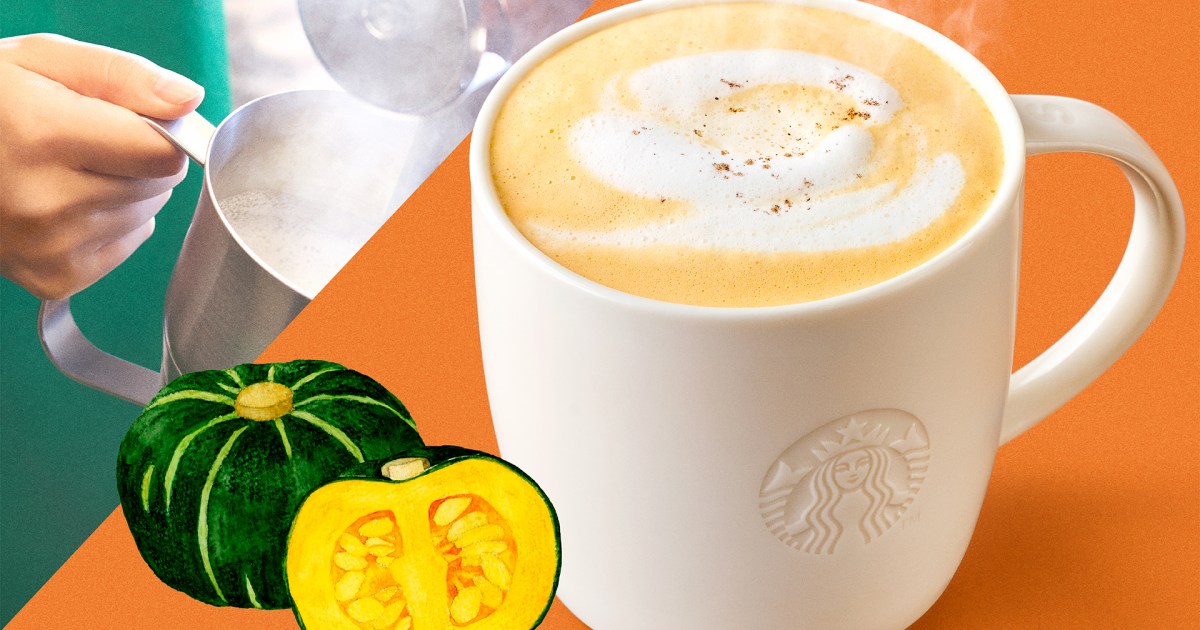
As the crisp autumn air begins to sweep across the Japanese archipelago, global coffee giant Starbucks is once again challenging conventional culinary boundaries. Two years after introducing a novel concept that completely reimagined the traditional cappuccino, Starbucks Japan has officially announced the seasonal return of its beloved hybrid creation: the Soupuccino. This year, however, the innovative beverage is receiving a decidedly autumnal makeover. Debuting on September 30, the new Pumpkin Soupuccino swaps out standard espresso for a rich, velvety, savory-sweet pumpkin soup, crowned with the airy, micro-foamed milk characteristic of a classic cafe-style cappuccino.
This seasonal roll-out does not stop at beverages. To complement the comforting, warming nature of the Soupuccino, Starbucks Japan is simultaneously unveiling a major menu overhaul: a freshly revamped lineup of artisanal baguettes crafted with a high-hydration dough designed to yield a softer, moister mouthfeel. Featuring a mix of permanent staples and limited-edition autumn flavors—ranging from savory herb sausage to decadent two-kinds-of-chocolate and butter—the pairing of the Soupuccino and these newly engineered baguettes represents a concerted strategic effort by Starbucks to capture the burgeoning market for premium, comforting lunch and snack options during Japan’s colder months.
This comprehensive report examines the genesis of the Soupuccino phenomenon, deconstructs the meticulous culinary engineering behind the pumpkin-infused iteration, details the accompanying bakery line, and analyzes the broader market implications of Starbucks Japan’s localized product development strategy.
Detailed Chronology: From Concept to Seasonal Stapen
The Genesis of the Hybrid Beverage
The conceptual roots of the Soupuccino trace back to late 2023 and November 2024, when Starbucks Japan first trialed the format. In a market saturated with seasonal matcha variations, sakura-infused lattes, and an endless rotation of Frappuccinos, the company sought a product that could bridge the gap between liquid refreshment and a warming, hearty meal. By taking the sensory experience of drinking a cappuccino—the visual presentation of micro-foam, the tactile feel of a ceramic mug, and the physical act of sipping through a rich crema—and applying it to savory soup bases, Starbucks engineered an entirely new beverage category.
The initial launch received widespread media attention and sparked intense debate across Japanese social media platforms. Consumers and food critics alike questioned whether a soup could truly mimic a coffee beverage. Yet, the novelty, combined with the genuine comfort factor during Japan’s plummeting autumn and winter temperatures, turned the experiment into a commercial success.
The Evolution to Autumnal Pumpkin
Recognizing the enduring appeal of the format, Starbucks Japan’s product development team elected to bring the Soupuccino back for the 2026 autumn season with a flavor profile tailored explicitly to the time of year. While pumpkin spice has long dominated the autumn menu in Western markets—most notably through the ubiquitous Pumpkin Spice Latte—Japan’s palate often leans toward a more balanced integration of natural sweetness, subtle spices, and savory undertones.
By selecting Hokkaido, a region globally renowned for its premier agricultural yields and exceptionally sweet, flavorful pumpkins, Starbucks established an immediate baseline of high quality. The recipe was refined over months of testing to ensure that the transition from a coffee-based beverage to a vegetable-based soup maintained the structural integrity of the cappuccino aesthetic: a stable, fluffy foam that does not immediately dissolve upon contact with the liquid below.
The September 30 Launch and Menu Overhaul
The official release date of September 30 marks a critical juncture in Starbucks Japan’s quarterly sales calendar. By positioning the Pumpkin Soupuccino alongside a complete restructuring of its baguette offerings, the company is signaling a shift toward heartier, more substantial food pairings. The simultaneous release of two seasonal autumn baguettes (mushroom and roast chicken, alongside chocolate and butter) and two permanent staples (herb sausage and ham & gouda) ensures that consumers have a cohesive, curated menu designed to combat the chill of the upcoming season.
Culinary Engineering and Ingredients: Deconstructing the Pumpkin Soupuccino
Creating a beverage that looks like a cappuccino but tastes like a gourmet autumn soup requires a delicate balancing act of chemistry, agriculture, and barista craftsmanship.
The Anatomy of the Pumpkin Soupuccino
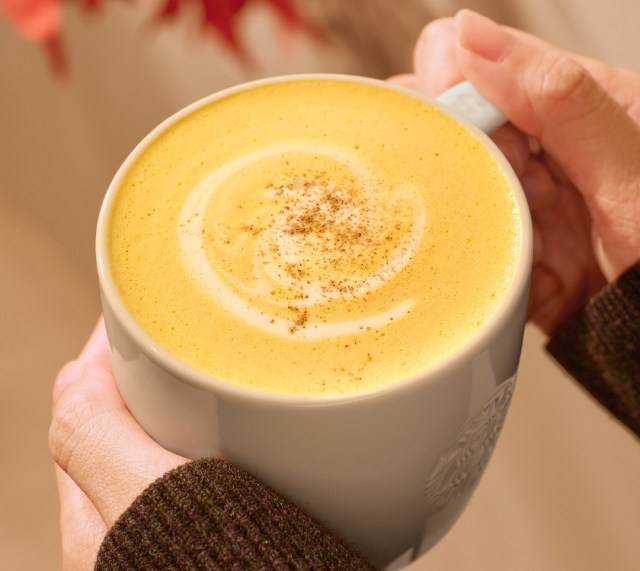
At first glance, a freshly poured Pumpkin Soupuccino is indistinguishable from a standard milk-and-coffee beverage. It rests in a standard cup, topped with a pristine, snow-white layer of velvety micro-foam. However, beneath that foam lies a carefully constructed base built upon several core components:
Hokkaido Pumpkins: Sourced from Japan’s northernmost main island—an area celebrated for its rich volcanic soil and cool climate, which combine to produce pumpkins with concentrated natural sugars and deep orange flesh—the base provides a rich, earthy foundation.
Aromatic Enhancements: To elevate the soup beyond a simple purée, Starbucks incorporates finely balanced notes of onion and celery, providing a savory backbone that prevents the beverage from tasting overwhelmingly dessert-like.
Spice Integration: A measured dusting of black pepper and nutmeg introduces warmth and complexity, cutting through the natural density of the pumpkin and milk.
Maple Flavoring: A subtle touch of maple brings out the inherent sweetness of the Hokkaido pumpkin without requiring excessive refined sugars.
Dairy Enrichment: High-quality milk is integrated into the soup base, imparting a mellow richness that prepares the liquid for optimal aeration.
The Barista Process and Texture Evolution
According to Starbucks operational guidelines, each serving of the Pumpkin Soupuccino is frothed individually by trained baristas. Using traditional steam wands, the baristas whip the soup-and-milk mixture to generate a light, fluffy foam.
This creates a unique sensory journey for the consumer. Upon the first few sips, the drinker experiences an airy, cappuccino-like texture where the foam dominates the palate. As the beverage is consumed and the drinker works their way deeper into the cup, the texture gradually transforms, becoming progressively thicker, creamier, and more concentrated. Concurrently, the sweetness of the Hokkaido pumpkin becomes more pronounced, offering a dynamic flavor profile that evolves from the first sip to the last.
Customization and Pricing Structure
True to the Starbucks ethos, the Pumpkin Soupuccino is fully customizable. Customers seeking a dairy-free alternative can substitute the standard milk component with soy milk at no extra charge. Other specialized milk alternatives are available for an additional 55-yen surcharge.
The beverage is offered in two sizes, reflecting standard Japanese pricing models that differentiate between dine-in (eat-in) and takeout orders due to consumption tax variations:
Short Size:
Takeout: 491 yen
Dine-in: 500 yen (~US$3.17)
Tall Size:
Takeout: 530 yen
Dine-in: 540 yen
Supporting Context & Metrics: The Revamped Baguette Lineup
A beverage as rich and texturally complex as the Soupuccino demands a worthy culinary accompaniment. Recognizing that traditional bakery items can sometimes become dry or dense when paired with hot liquids, Starbucks Japan has comprehensively revamped its entire baguette menu.
High-Hydration Dough Technology
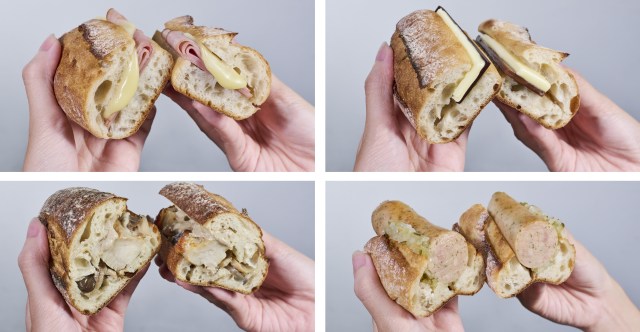
The cornerstone of the new bakery lineup is a shift toward a high-hydration dough. In professional baking, high-hydration doughs—those containing a high percentage of water relative to flour—are notoriously difficult to handle during shaping and baking. However, when executed correctly, they yield a finished product with an open, airy crumb structure, a crisp exterior crust, and a significantly moister, softer interior mouthfeel. This ensures that the bread remains tender and easy to consume alongside hot soups and coffees, avoiding the tough, chewy texture often associated with mass-produced commercial baguettes.
The Four-Part Baguette Collection
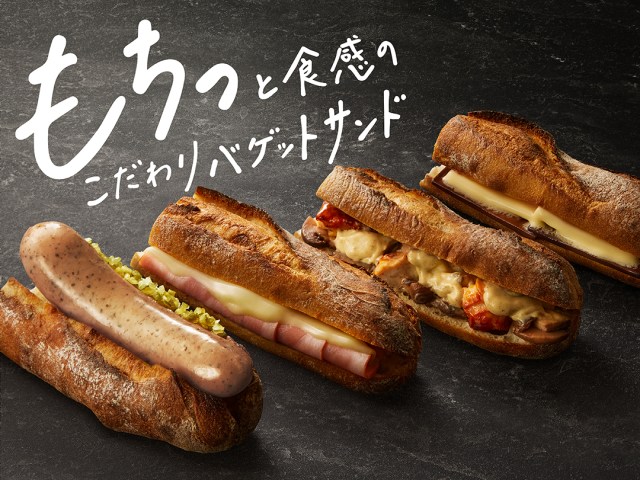
The revamped menu features four distinct varieties, strategically divided into permanent mainstays and limited-time seasonal offerings:
Herb Sausage Baguette (Permanent Mainstay): Designed for savory enthusiasts, this hearty option features a robustly seasoned herb sausage encased within the soft, high-hydration baguette, making it an ideal standalone meal for lunch or dinner.
Ham & Gouda Baguette (Permanent Mainstay): A classic European-style combination utilizing savory cured ham paired with the rich, nutty complexity of Gouda cheese, providing a reliable, comforting flavor profile for daily commuters.
Three Kinds of Mushrooms and Roast Chicken Baguette (Seasonal Autumn Special): Capitalizing on the culinary flavors of the autumn harvest, this limited-edition variant combines earthy mushrooms with tender roast chicken, echoing the autumnal theme set by the Pumpkin Soupuccino.
Two Kinds of Chocolate & Butter Baguette (Seasonal Autumn Special): Bridging the gap between savory bread and sweet confectionery, this indulgent creation pairs rich butter with a dual-chocolate filling, offering a decadent treat for those seeking an afternoon sugar boost.
Bakery Pricing Matrix
Baguette Variety
Classification
Takeout Price
Dine-In Price
Ham & Gouda
Permanent
530 yen
540 yen
Two Kinds of Chocolate & Butter
Seasonal
510 yen
520 yen
Three Kinds of Mushrooms & Roast Chicken
Seasonal
628 yen
640 yen
Herb Sausage
Permanent
648 yen
660 yen
Official Statements and Industry Insights
While corporate press releases for seasonal product launches frequently emphasize novelty, industry analysts note that Starbucks Japan’s strategic pivot toward savory beverages and upgraded bakery items reflects a deeper understanding of changing consumer habits in urban centers.
A spokesperson for Starbucks Japan noted in the official product release:
"The Soupuccino concept was born from a desire to redefine how our customers experience comfort during the transitional months. By combining the familiar ritual and tactile joy of a cappuccino with the deeply satisfying, nourishing qualities of seasonal vegetables like Hokkaido pumpkin, we are offering a moment of pause in a fast-paced world. Paired with our newly developed high-hydration baguettes, these offerings deliver a complete, comforting meal that honors both artisanal baking traditions and modern culinary innovation."
Food industry commentators have pointed out that products like the Soupuccino serve as a masterclass in localized product development. While Western markets receive iterative variations of sweet, syrup-laden coffee drinks, the Japanese market frequently rewards brands that successfully merge Western cafe culture with traditional elements of savory, seasonal comfort dining. The inclusion of Hokkaido-sourced produce further validates the product’s quality credentials among discerning domestic consumers who place a high premium on regional provenance.
Future Outlook
The limited-time release of the Pumpkin Soupuccino and the revamped baguette collection beginning September 30 will serve as a critical test for Starbucks Japan’s fourth-quarter performance. If consumer reception matches or exceeds the enthusiasm generated during the initial 2023–2024 trials, industry watchers anticipate that the Soupuccino format could become a permanent fixture of Starbucks Japan’s autumn and winter seasonal calendar, potentially paving the way for spring and summer iterations utilizing different regional produce (such as asparagus, corn, or sweet potato).
Furthermore, the successful implementation of high-hydration dough technology across the baguette menu suggests that Starbucks Japan is investing heavily in elevating its food quality to compete more directly with specialized European-style bakeries and artisanal cafes. As urban consumers increasingly seek out premium, comforting experiences that justify discretionary spending during periods of economic fluctuation, the intersection of gourmet soup-based beverages and high-hydration baking may well define the next wave of cafe culture innovation across East Asia.
For patrons looking to experience this unique culinary fusion, the Pumpkin Soupuccino and the new autumn bakery items will be available at participating Starbucks locations across Japan starting September 30, while supplies last.












Belum ada komentar. Jadilah yang pertama berkomentar!