

Executive Overview
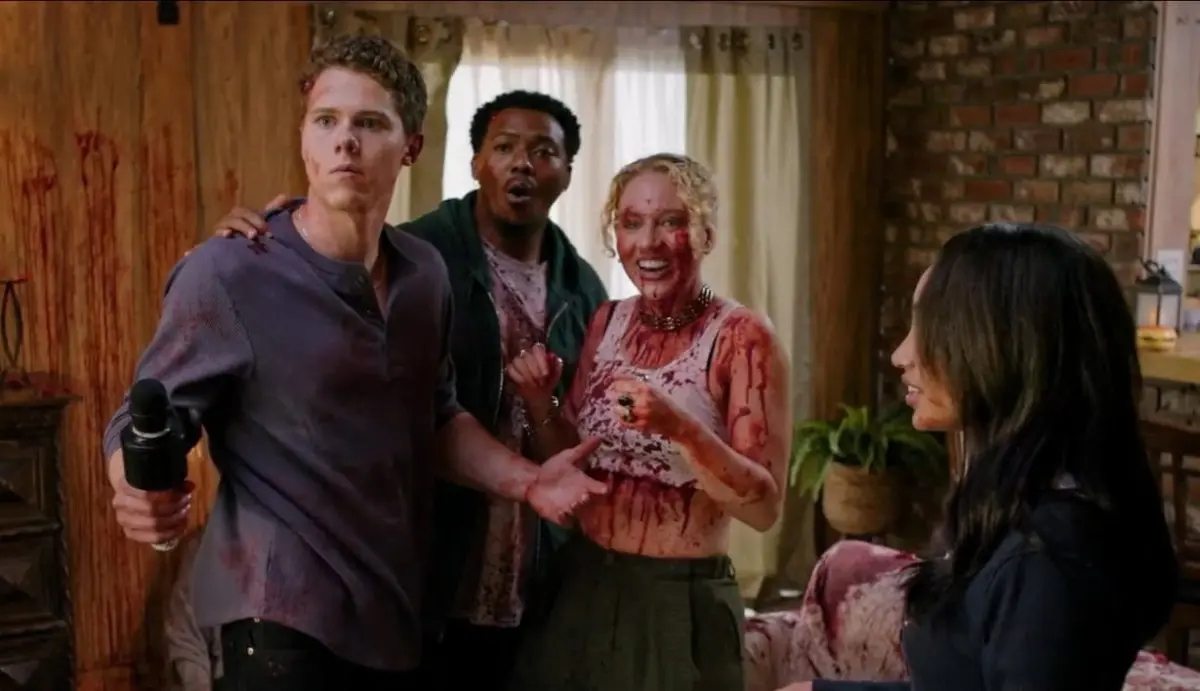
In the ever-expanding landscape of genre cinema, horror-comedies face a unique hurdle: balancing the tonal tightrope walk between genuine tension and slapstick absurdity without tumbling into self-parody. Enter Bad Karaoke (2026), directed by the collaborative visionary duo Chris Lightbody and Robert J. Steinmiller Jr. On paper, the premise risks sounding like the logline of a forgotten straight-to-streaming B-movie: an ancient, seemingly cursed karaoke machine terrorizes a traveling wedding band. Yet, defying expectations set by its playful, unassuming title, Bad Karaoke emerges as a surprisingly sharp, delightfully gory, and structurally sound cinematic entry that revitalizes the quirky sub-genre of technology-based horror.
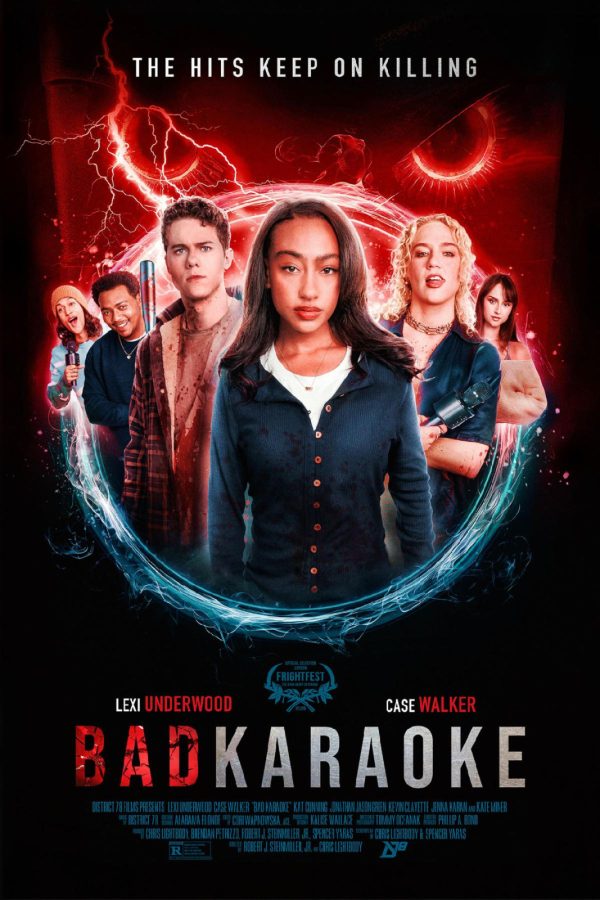
Boasting a diverse and thoroughly realized ensemble cast featuring Kate Miner, Lexi Underwood, Kat Cunning, Case Walker, Jenna Karan, Jonathan Jason Green, and Kevin Clayette, the film centers on "Nunu," a party band en route to a high-profile wedding gig. Seeking to mend frayed professional boundaries and cultivate a renewed sense of camaraderie—or as one member aptly phrases it, "learning to like each other again"—the group rents an isolated retreat house ahead of the ceremony.
However, a detour at a rustic, small-town watering hole introduces them to an innocuous-looking, forgotten "Sing-a-ling" karaoke machine gifted free of charge by an indifferent tavern owner. What begins as a nostalgic evening of off-key vocalizing rapidly spirals into an unapologetic bloodbath.
While minor structural hurdles—such as traditional horror trope logic and a divisive, safe-route conclusion—prevent the film from achieving absolute perfection, Bad Karaoke delivers an inventive, visceral, and laugh-out-loud cinematic experience. It deftly sidesteps the pitfalls of one-dimensional character writing and cheap CGI, cementing itself as a standout horror-comedy of the 2026 festival and theatrical slate.
Detailed Chronology: The Descent of Nunu
The narrative arc of Bad Karaoke follows a precise, escalating trajectory from professional tension to supernatural chaos. Understanding the step-by-step unraveling of the band Nunu provides crucial insight into how directors Lightbody and Steinmiller Jr. pace their terrifying musical voyage.

Act I: The Gathering Storm and the Detour
The film opens by establishing the internal dynamics of Nunu, a working party band experiencing the quiet exhaustion that comes with intensive gigging. Band leader Hannah (Kate Miner) introduces a layer of romantic complexity by bringing along her new girlfriend, Ava (Lexi Underwood). Meanwhile, band member Logan (Case Walker) is accompanied by his steadfast best friend, Matt (Kat Cunning). Rounding out the core six-person ensemble are Emily (Jenna Karan) and Noah (Jonathan Jason Green).
The journey to their rental house is designed to be a therapeutic reset. The atmosphere is thick with unspoken grievances, professional burnout, and romantic jitters. This fragile interpersonal ecosystem is disrupted when the group pulls over at a dilapidated, small-town tavern. It is here that Emily stumbles upon a dusty, unassuming relic: a vintage karaoke machine. The local proprietor, showing zero emotional attachment to the vintage electronics, hands it over to Emily gratis. Unbeknownst to the ensemble, this innocent piece of junk hardware possesses a lethal, malevolent pulse.
Act II: The First Note and Escalating Panic
Arriving at their remote rental house, the band decides to break the ice by setting up the newly acquired "Sing-a-ling." What starts as an ironic, alcohol-fueled sing-along quickly morphs into a theater of horrors. The machine refuses to play requested tracks, instead forcing participants into an inescapable, hypnotic trance of vocal performance—one where missing a lyric or singing poorly carries a fatal penalty.
As the body count rises, the film pivots from psychological friction to visceral survival horror. The characters attempt conventional countermeasures:
- The Unplugging Phase: Early attempts to cut power to the machine prove entirely futile as the device operates independently of any electrical grid, continuing to project lyrics onto blank walls.
- The Emergency Services Call: In a moment of pitch-black comedy, the survivors manage to dial 9-1-1, resulting in a surreal, brilliantly executed conversation with a dispatcher who remains utterly unequipped to process a homicidal piece of audio equipment.
Despite these terrifying revelations, the narrative introduces its most prominent logical hurdle: the characters stubbornly remain inside the house. Operating under the initial assumption that the machine only kills those who willingly touch the microphone, they rationalize staying put. Even after discovering that the machine’s lethal jurisdiction extends far beyond voluntary participation, none of the band members initially think to simply pack up, abandon their cell phones, and hike down the mountain trail to safety.
Act III: The Bloodbath and Resolution
As the night bleeds on, the practical effects take center stage, delivering a level of carnage and bodily destruction reminiscent of extreme J-horror. The practical gore effects—featuring torn throats, explosive internal trauma, and visceral bodily decay—are executed with tactile disgust, satisfying even the most demanding genre purists.
The climax forces the surviving members of Nunu to confront the machine head-on, blending high-energy musical numbers with high-stakes survival tactics. However, the resolution ultimately opts for a conservative narrative payoff. While the preceding ninety minutes revel in unbridled chaos and unflinching violence, the final act pulls its punches, opting for a safer, more ambiguous conclusion that leaves some critics wishing the filmmakers had leaned harder into total apocalyptic despair.
Supporting Context & Metrics: Technical and Thematic Evaluation
To fully contextualize Bad Karaoke, one must evaluate its place within the broader ecosystem of technological horror and its technical execution, ranging from practical makeup effects to character construction.
The Evolution of Technophobia in Horror
Cinema has long capitalized on society’s anxieties regarding contemporary machinery. From HAL 9000 in 2001: A Space Odyssey to the internet-borne curses of Ring and modern artificial intelligence thrillers, technological dread typically leans toward sleek, complex, and highly connected systems.
Bad Karaoke subverts this convention by weaponizing obsolete, analog technology. In an era where modern audiences actively seek "digital detoxes," retro-futuristic or forgotten hardware represents comfort, nostalgia, and offline connection. By twisting this safe, communal object into an instrument of slaughter, the filmmakers tap into a unique subgenre of horror: the corruption of the mundane.

Critical Reception and Ratings Breakdown
Upon its release, the film garnered favorable reviews from genre critics, outperforming initial expectations for a creature-feature/object-possession mashup.
- Flickering Myth Rating: ⭐⭐⭐ / ⭐⭐⭐ (Solid, recommendable entertainment)
- Pacing & Tone: 8.5/10 (Expertly blends laugh-out-loud comedy with genuine tension)
- Practical Effects & Gore: 9/10 (Exceptional tactile makeup work; a treat for gorehounds)
- Character Realism: 8/10 (Avoids one-dimensional stereotypes, granting all ensemble members distinct flaws and strengths)
Character Dynamics and Representation
One of the film’s greatest triumphs lies in its casting and characterization. Horror history is littered with disposable cannon fodder—faceless archetypes whose deaths elicit little to no emotional response from the audience. Lightbody and Steinmiller Jr. intentionally subvert this trope.
The members of Nunu are constructed with tangible flaws, unresolved interpersonal tensions, and genuine chemistry. Whether it is Hannah navigating the delicate balance of introducing a new partner (Ava) to an established professional circle, or Logan leaning on his platonic anchor Matt, the emotional stakes feel authentic. Because the audience grows to care about these individuals, the subsequent carnage carries genuine emotional weight, making the viewing experience far more impactful than a standard body-count slasher.
Official Statements and Production Insights
While promotional rollouts for independent horror-comedies often lean heavily on hyperbolic marketing, the production team behind Bad Karaoke emphasized a grounded, hands-on approach to filmmaking.
In pre-release interviews, co-directors Chris Lightbody and Robert J. Steinmiller Jr. noted their deliberate choice to prioritize practical effects over digital augmentation. "We wanted the audience to feel the grime, the sweat, and the literal splatter of the production," the directors shared in a joint statement regarding the film’s aesthetic. "When a character is forced to sing for their life, the danger needs to look tangible, heavy, and immediate. CGI removes the audience from the room; practical blood and mechanical props trap them right there in the living room with the machine."
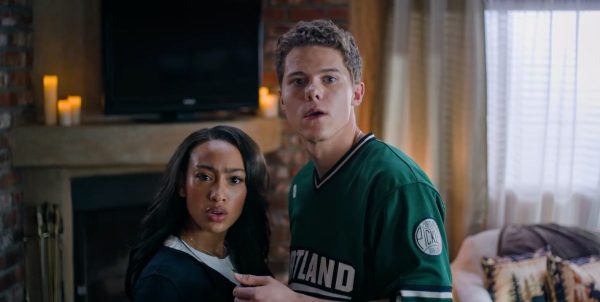
Cast members also highlighted the physical demands of blending high-energy musical choreography with intense horror performance. Kate Miner, who anchors the film as band leader Hannah, remarked on the unique challenge of executing musical numbers while maintaining an atmosphere of mounting dread: "You’re shifting from the vulnerable, expressive space of singing your heart out to running for your life from a piece of vintage audio gear. Finding that tonal balance required complete trust between the cast, the directors, and our stunt and makeup teams."
Future Outlook and Genre Legacy
As Bad Karaoke secures its place in the 2026 cinematic landscape, its success signals shifting appetites within horror-comedy fandom. Audiences are increasingly fatigued by hyper-serious, high-concept franchises and are instead gravitating toward high-concept, self-aware indie projects that combine absurd premises with masterclass craftsmanship.
Potential for Franchise Expansion
Given the open-ended nature of cursed-object narratives, speculation naturally turns toward whether Bad Karaoke could spawn a franchise. While the directors have kept cards close to their chest regarding direct sequels, the lore of the "Sing-a-ling" machine—and the sprawling, forgotten ecosystem of roadside antique shops and rural dive bars—leaves ample room for anthology-style storytelling. Future installments could easily track different doomed artists crossing paths with similarly cursed pieces of vintage audio and performance equipment.
Impact on Independent Horror-Comedy
Bad Karaoke serves as a masterclass for indie filmmakers operating on constrained budgets. By focusing on a single, contained location, a tight-knit ensemble cast, and practical, creative kills, Lightbody and Steinmiller Jr. have demonstrated that high concept execution trumps bloated budgets every time.
For horror enthusiasts, gorehounds, and casual moviegoers alike, Bad Karaoke proves that sometimes the most terrifying monsters aren’t lurking in the shadows of cyberspace—they are sitting quietly in the corner of a dive bar, waiting for someone to drop a coin, grab a microphone, and sing their final tune.








Belum ada komentar. Jadilah yang pertama berkomentar!