

Executive Overview
In the realm of contemporary interior design, few markets possess the whimsical yet pragmatic sensibilities found in Japan. Here, the philosophy that everyday items should spark joy—a concept deeply embedded in both modern lifestyle culture and traditional aesthetics—extends far beyond minimalist architecture or carefully curated dining ware. It permeates the most domestic of spaces, transforming functional home accessories into expressions of cultural appreciation.
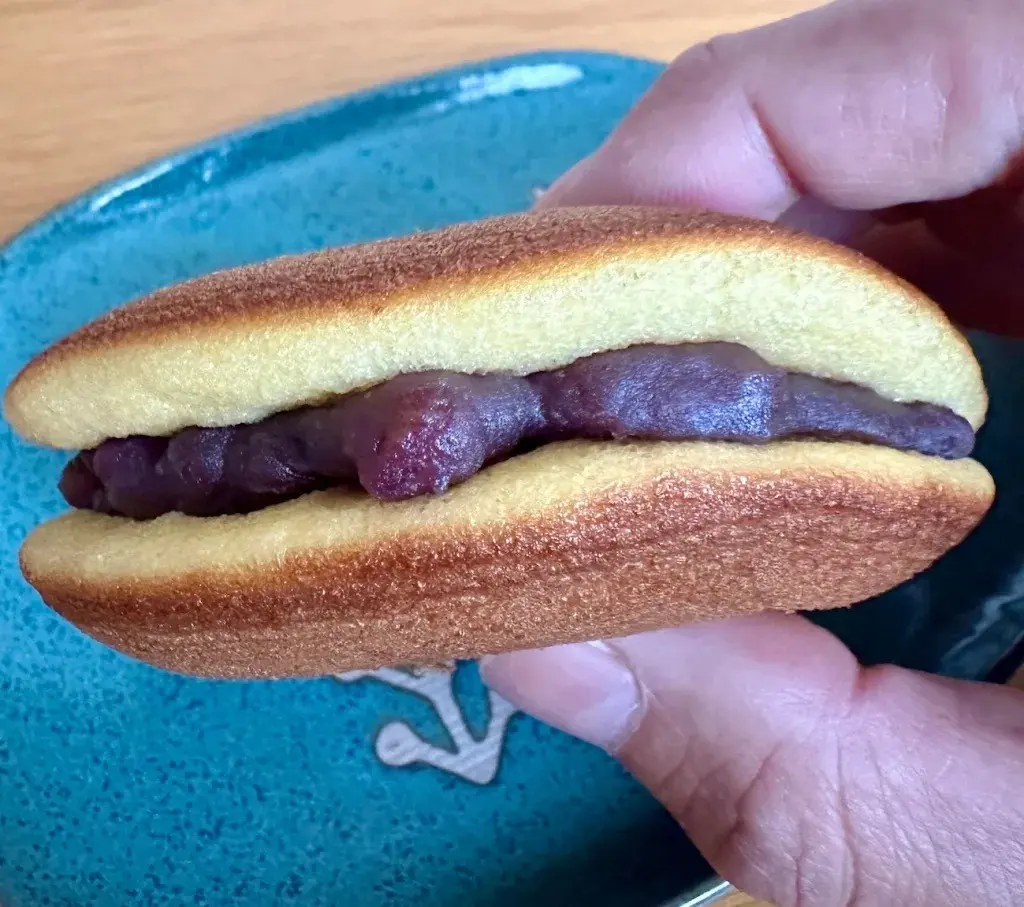
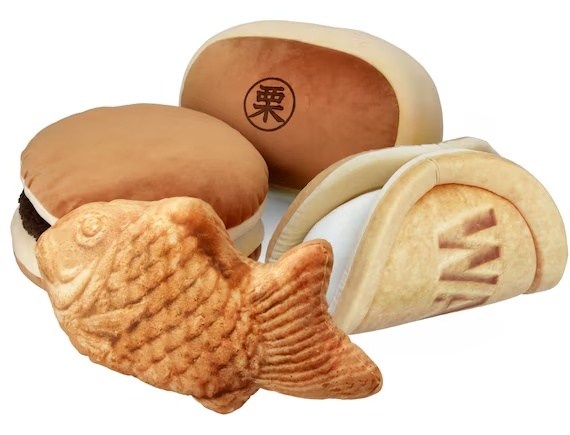
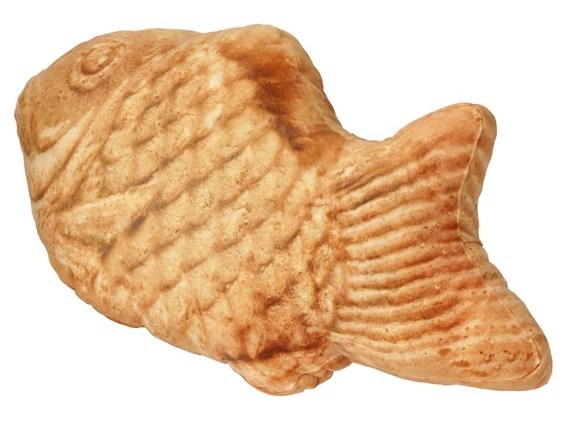
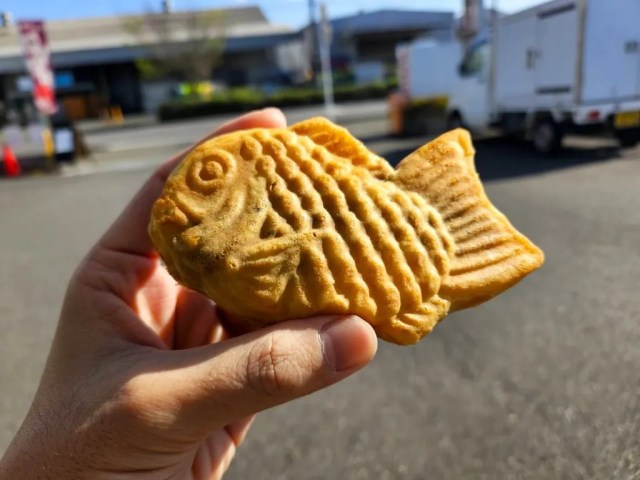
Enter Nitori, Japan’s leading housewares and furniture retail giant, which has recently expanded its wildly popular Mochimochi (squeezably soft) cushion line to include an assortment of hyper-realistic, oversized traditional Japanese sweets (wagashi) and localized confectionery. The newly refreshed collection allows consumers to cuddle up with plush, comforting replicas of iconic treats such as taiyaki (fish-shaped pancake filled with sweet red bean paste), dorayaki (pancake-sandwiched sweet bean cakes), kuri manju (chestnut-filled steamed cakes), and a uniquely localized interpretation of the classic Western waffle.
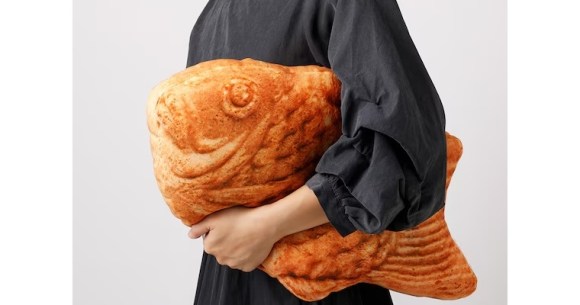
This strategic rollout bridges the gap between culinary artistry and ergonomic comfort. By scaling beloved street foods and tearoom staples into tactile, ultra-soft home furnishings, Nitori has tapped into a burgeoning consumer desire for sensory-rich, playful interior accents. Priced affordably between 1,490 and 1,990 yen (approximately $9.40 to $12.50 USD), these products are not merely novelty items; they represent a calculated intersection of comfort science, nostalgic branding, and accessible home styling. This report provides an in-depth examination of the collection, tracing its design evolution, cultural roots, pricing architecture, and the broader commercial impact of dessert-inspired home décor.
Detailed Chronology: The Evolution of Nitori’s Confectionery Cushions
The journey of Nitori’s food-themed home accessories did not happen overnight. It is the result of a deliberate, phased product development strategy aimed at capturing the lucrative demographic of urban dwellers seeking comfort and emotional resonance in their living spaces.
Phase 1: Establishing the Mochimochi Standard
Long before the introduction of fish-shaped pastries and chestnut cakes to the cushion lineup, Nitori established its reputation for tactile innovation through its proprietary mochimochi fabric technology. Derived from the Japanese word mochi ( pounded sticky rice cake famous for its pillowy, elastic texture), the material was engineered to provide high-density elasticity paired with a velvety, low-friction exterior. Early iterations of the Mochimochi line focused on traditional geometric shapes, cylindrical body rolls, and abstract animal forms. However, market research quickly indicated that consumers responded most favorably to items that offered an emotional hook—specifically, products that evoked memories of comfort, childhood, or sensory indulgence.
Phase 2: The Introduction of Dorayaki and Kuri Manju
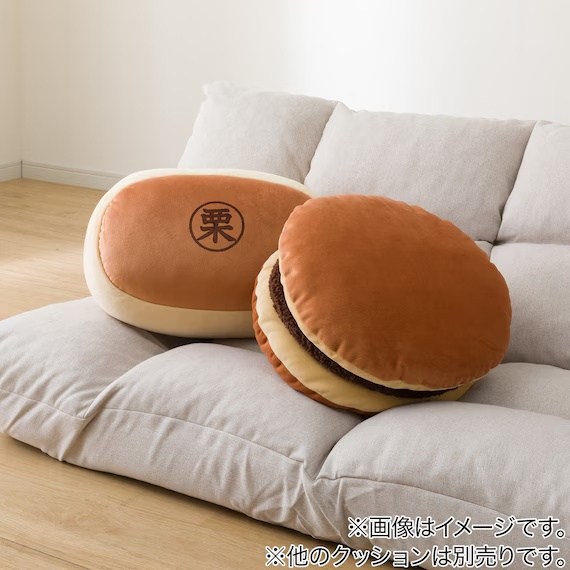
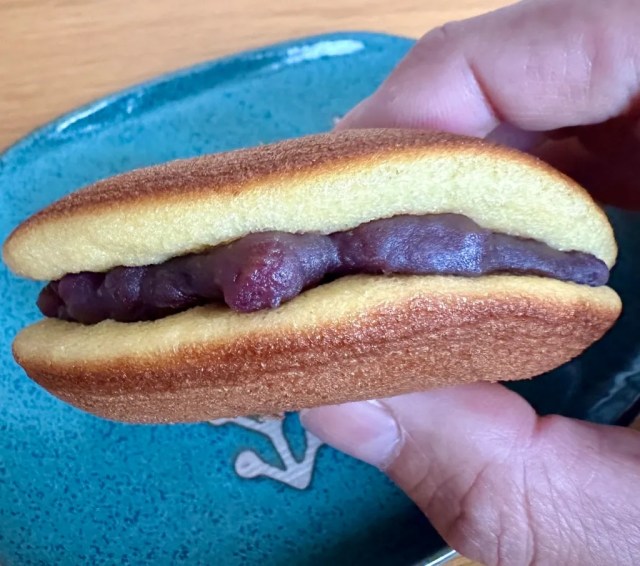
Building upon the success of its baseline soft furnishings, Nitori’s design division turned its attention to traditional Japanese confectionery. The dorayaki cushion was among the first wave of dessert-inspired items to hit shelves, meticulously mimicking the dual-layered golden-brown pancake exterior with a visible seam representing the sweet red bean (anko) filling tucked within. Shortly thereafter, the kuri manju cushion was introduced. Modeled after the oblong, glazed steamed buns containing a whole chestnut, this design featured the authentic seared kanji character for chestnut (栗) burned directly into the fabric surface. These initial offerings proved immensely popular, establishing a dedicated consumer base among urban professionals and students looking to inject a sense of playful nostalgia into compact living quarters.
Phase 3: The 2026 Expansion – Taiyaki and Waffles
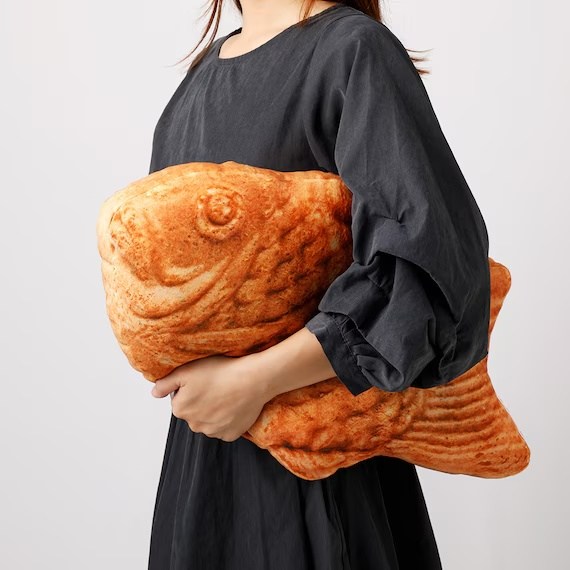
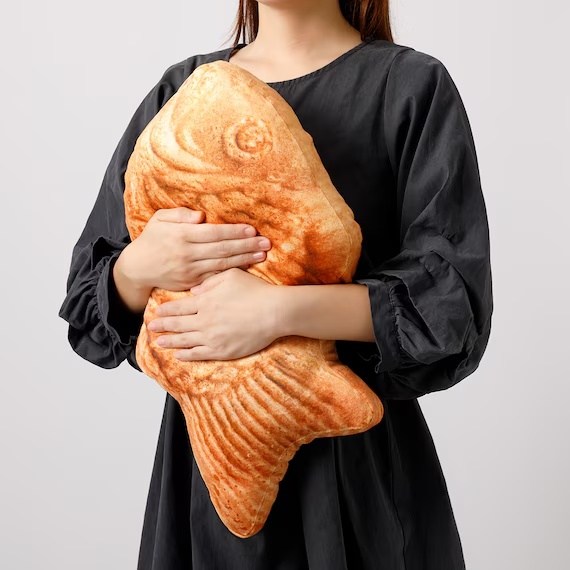
The most recent chapter in this design saga unfolds with the official rollout of the Taiyaki Mochimochi Cushion and the Waffle Mochimochi Cushion. While the dorayaki and kuri manju variants had already built a steady following over preceding seasons, the addition of the taiyaki represents a masterclass in cultural translation. Recreating the intricate scale patterns, fin structures, and slightly charred edges of a freshly grilled street-side taiyaki required advanced textile printing and stitching techniques. Simultaneously, the introduction of the waffle cushion challenged rigid definitions of traditional wagashi, embracing Japan’s unique evolution of imported Western pastries into soft, cream-filled delicacies. Together, these new releases have unified the collection into a comprehensive, cohesive suite of edible-looking home comforts.
Supporting Context & Metrics: Cultural Significance and Market Positioning
To fully understand the commercial rationale behind Nitori’s confectionery cushion lineup, one must examine the cultural weight of dessert aesthetics in Japan, alongside the specific economic metrics governing the housewares sector.
The Psychology of Wagashi Aesthetics
In Japanese culinary philosophy, visual presentation is considered co-equal with flavor. Wagashi, the traditional confections often served alongside green tea, are meticulously sculpted to reflect the changing seasons, natural elements, and historical motifs. Because sweets are inherently discretionary—consumed for emotional gratification rather than strict caloric sustenance—the Japanese market places a high value on the dual sensory experience of eating something that is as pleasing to the eye as it is to the palate.
Nitori’s design philosophy essentially asks a compelling rhetorical question: If Japanese sweets look exceptionally pleasing as food, why shouldn’t they serve the exact same aesthetic purpose within domestic interior design? By translating the comforting visual cues of a warm taiyaki or a glossy manju into household textiles, the brand leverages established positive psychological associations. Coming home from a high-stress environment at an office or university and encountering an oversized, squishable pastry provides an immediate, low-barrier psychological decompression.
Product Specifications and Pricing Architecture
The collection is distinguished by precise manufacturing details and highly competitive price points designed for mass-market accessibility:
- Taiyaki Mochimochi Cushion
- Design Inspiration: A classic fish-shaped Japanese cake traditionally stuffed with sweet red bean paste or custard.
- Key Features: Textured fin and scale detailing, realistic golden-brown shading, and ultra-plush filling.
- Price Point: 1,490 yen (approx. $9.40 USD).
- Dorayaki Mochimochi Cushion
- Design Inspiration: Two honey-castella pancakes bound together with a generous center of mashed red beans.
- Key Features: Circular silhouette with a distinct middle layer revealing the rich, dark filling aesthetic.
- Price Point: 1,990 yen (approx. $12.50 USD).
- Kuri Manju Mochimochi Cushion
- Design Inspiration: A baked or steamed bun featuring a chestnut core, characterized by its oblong shape and branded exterior.
- Key Features: Glossy fabric sheen, elongated form factor, and the authentic heat-stamped kanji character for chestnut (栗).
- Price Point: 1,990 yen (approx. $12.50 USD).
- Waffle Mochimochi Cushion
- Design Inspiration: The Japanese-style waffle—smaller, pillowy-soft, and folded around fresh cream or custard, differing significantly from crisp, flat Western breakfast waffles.
- Key Features: Quilted grid texturing and a soft, yielding perimeter.
- Price Point: 1,990 yen (approx. $12.50 USD).
All items are currently distributed nationally through physical retail storefronts across Japan as well as globally accessible inventory via the official Nitori online e-commerce portal.
Official Statements and Design Insights
Industry analysts tracking the household goods sector have pointed to Nitori’s aggressive expansion into novelty comfort items as a masterclass in consumer engagement during periods of economic uncertainty. While corporate executives at Nitori have kept specific sales projections confidential, product development leads have shared insights regarding the conceptualization phase of the dessert cushion series.
According to preliminary design briefs released by Nitori’s product development department, the primary challenge lay in balancing hyper-realistic visual aesthetics with uncompromising ergonomic utility. "A cushion must never sacrifice its primary function—which is to provide physical support and relaxation—solely for the sake of a gimmick," noted a representative from the design team. "Our engineers spent months calibrating the density of the mochimochi stuffing. It had to possess enough structural integrity to support the lower back or serve as a comfortable headrest on a sofa, while retaining that unmistakable, melt-in-your-hands squishiness associated with high-end confectionery."
Furthermore, the inclusion of the waffle design sparked internal debates regarding cultural authenticity. While purists might argue that waffles originate from European culinary traditions, Nitori’s research highlighted the distinct evolution of the pastry within Japanese bakeries and convenience store culture (konbini), where soft, folded waffles stuffed with whipped cream have become an iconic comfort food staple. By framing the waffle alongside traditional wagashi, Nitori successfully bridged historical confectionery arts with modern Japanese comfort food habits.
Future Outlook: The Trend Toward Playful Domesticity
As consumer habits continue to shift toward hyper-personalized living spaces, the demand for expressive, character-driven home goods is projected to grow. Urban living spaces, particularly in densely populated metropolitan hubs like Tokyo, Osaka, and Fukuoka, often feature compact square footage. In such environments, furniture and accessories must pull double-duty: they must serve functional purposes while injecting personality into limited spaces without causing visual clutter.
Nitori’s success with the Mochimochi dessert cushion series suggests several key takeaways for the future of interior design retail:
- The Rise of Sensory Home Goods: Consumers are increasingly prioritizing tactile comfort—fabrics that feel soothing against the skin and offer stress-relieving physical interactions.
- Nostalgia Marketing: Products that tap into childhood memories of visiting local sweet shops (dagashiya) or bakeries create an immediate emotional bond with buyers, driving viral social media sharing and word-of-mouth marketing.
- Cross-Cultural Hybridization: The seamless integration of traditional items (taiyaki, dorayaki) alongside localized modern staples (waffles) demonstrates that consumers are receptive to broad interpretations of cultural comfort foods.
Looking ahead, industry watchers anticipate that Nitori will likely expand the Mochimochi confectionery lineup even further. Potential future additions rumored among interior design circles include plush variants of dango (sweet rice dumplings on a skewer), daifuku (stuffed mochi), or seasonal fruit-based pastries. Whatever the future holds, Nitori has firmly cemented its position at the forefront of a delightful design movement—proving that in modern Japan, you truly can have your cake, cuddle it on the couch, and admire it as a masterpiece of interior decor.








Belum ada komentar. Jadilah yang pertama berkomentar!