In the vast, churning ocean of independent game development, few projects manage to leave a permanent scar on the collective consciousness of their players quite like Divine Frequency. Developed by Abraxaes, this upcoming surreal horror retro-FPS-RPG—built using the legendary and heavily modified architecture of the Doom engine—has long been hailed as a masterclass in atmospheric dread. Combining the lightning-fast movement and visceral combat of a classic id Software shooter with the oppressive, metaphysical terror of cosmic horror and SCP-style bureaucratic documentation, its initial demo achieved near-mythic status among PC gaming enthusiasts.
Yet, the journey from a promising proof-of-concept demo to a commercial release has been paved with harrowing obstacles. Independent game development is rarely a straightforward march to victory, but Divine Frequency endured a gauntlet of trials in 2025 that would have utterly shattered a less passionate team. From the devastating, untimely passing of its lead writer and architectural lore-master, Pablo "Artistical" Lamprea, to a sudden, legally perilous copyright audit of the game’s entire audio library, the project faced near-fatal delays.
Despite these insurmountable-seeming odds, resilience has prevailed. Following the drop of a brand-new trailer confirming an October 27 Early Access launch date, Divine Frequency is finally clawing its way onto Steam. Far from a bare-bones, rushed alpha build, the initial release promises a remarkably substantial offering: the first two of three planned acts, accounting for approximately 70% of the complete narrative experience. This deep dive explores the tumultuous history behind the game’s development, the human cost of its creation, and why its imminent arrival represents a triumph of creative perseverance over tragedy.
Detailed Chronology: From Demo Phenomenon to Release Date
To understand the weight of Divine Frequency‘s upcoming release, one must first retrace the timeline of its development and the immense anticipation it cultivated.
The Genesis of Terror
Long before it secured a concrete launch date, Divine Frequency was turning heads through a series of tactical developer updates and playable public demos. Built within the venerable constraints and capabilities of the Doom engine, the game discarded nostalgic pandering in favor of something altogether more deeply unsettling. It offered a surreal dreamscape where sci-fi tropes bled into occult dimensions. Players didn’t just blast shambling ghouls; they navigated a fractured reality governed by incomprehensible metaphysical laws, where psychic energy ("psi") was framed as the literal residue of a dead universe bleeding into our own.
The game’s writing immediately stood out. Eschewing tired exposition dumps, Divine Frequency utilized an SCP Foundation-esque approach to world-building. Banal, clinical categorization of anomalous horrors contrasted sharply with expansive, poetic, yet disciplined prose. This literary contrast captured the majestic enigma of cosmic insignificance, creating a suffocating atmosphere that haunted players long after they closed out the application. For nearly three years following the demo’s release, fans remained stranded on the proverbial widow’s walk, scanning the horizon for any sign that the full game would ever return from its protracted voyage.
The silence surrounding the project was broken in the spring of 2025, but not with the triumphant news fans had hoped for. On March 2025, Abraxaes took to the Steam community hub to pull back the curtain on the project’s grueling reality, revealing a series of staggering bottlenecks. The most grievous of these was an unmitigated tragedy: the sudden and unexpected death of lead writer and lore-master Pablo "Artistical" Lamprea.
Reported on the midnight of April 1, 2025—a date carrying a cruel, poetic irony—Lamprea’s passing sent shockwaves through the small development ecosystem. His girlfriend ultimately confirmed the news via his Discord account. For Abraxaes, the loss of his closest collaborator temporarily extinguished all desire to continue working on the game.
The Audio Audit Nightmare
As if the emotional devastation of losing a close friend and core creative partner were not enough, the project was struck by a secondary operational crisis later that year. The developers discovered that several commercial sound libraries previously purchased for use in the project contained unauthorized, copyrighted material.
To completely insulate the game from catastrophic legal liabilities and copyright infringement claims, the development pipeline came to a grinding halt. The team was forced to painstakingly audit, scrub, and replace virtually every audio file within the game. Ambient soundscapes, weapon discharges, monstrous shrieks, and UI telemetry noises had to be vetted or recreated from scratch—a painstaking procedural deep-dive that further elongated the timeline.
The Light at the End of the Tunnel
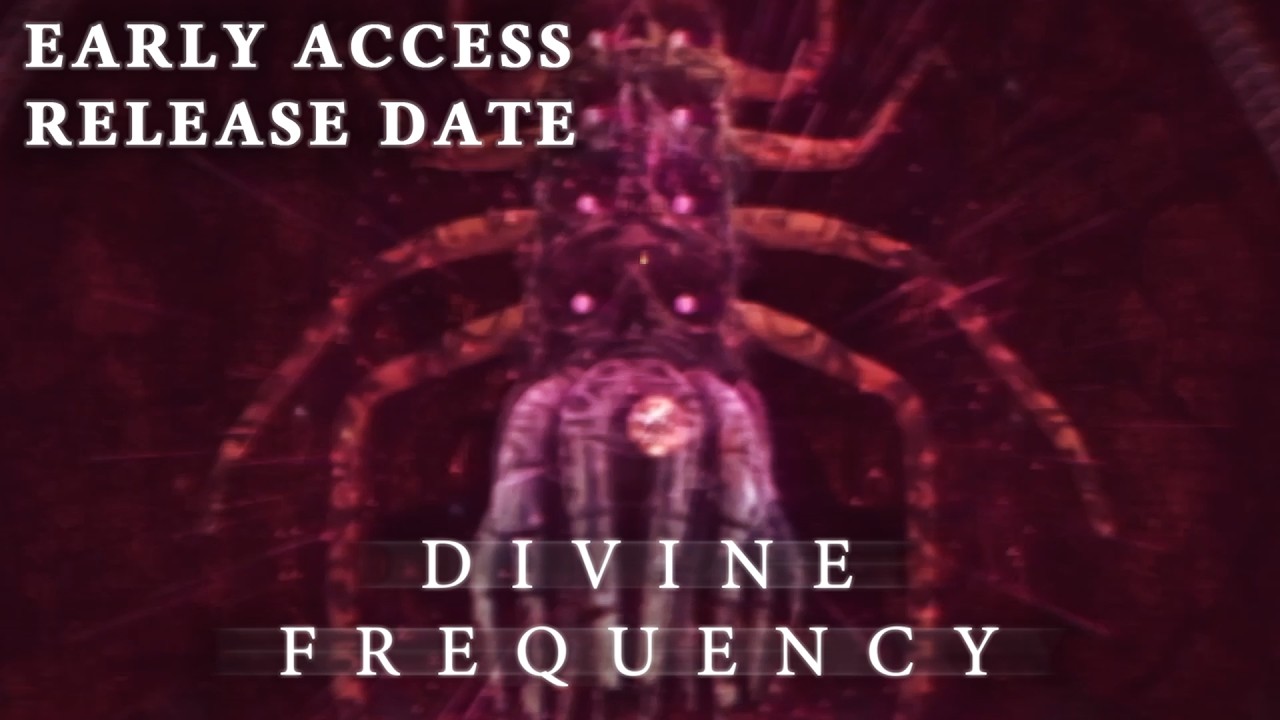
Despite the compounded delays, the project found its second wind. Honoring the collaborative vision they built with Lamprea, the remaining team members pushed forward, channeling their grief into polish. On September 25, Abraxaes released an explosive new trailer confirming that Divine Frequency would officially launch into Steam Early Access on October 27.
Supporting Context & Metrics: What to Expect at Early Access
While early access releases in the modern PC gaming landscape often inspire caution—frequently associated with half-baked concepts and perpetual development limbo—Divine Frequency is launching with a staggering amount of pre-built infrastructure and content depth.
Content Scope: The upcoming Early Access build will not be a brief, single-level vertical slice. Instead, it will feature the entirety of Act 1 and Act 2, representing approximately 70% of the total game.
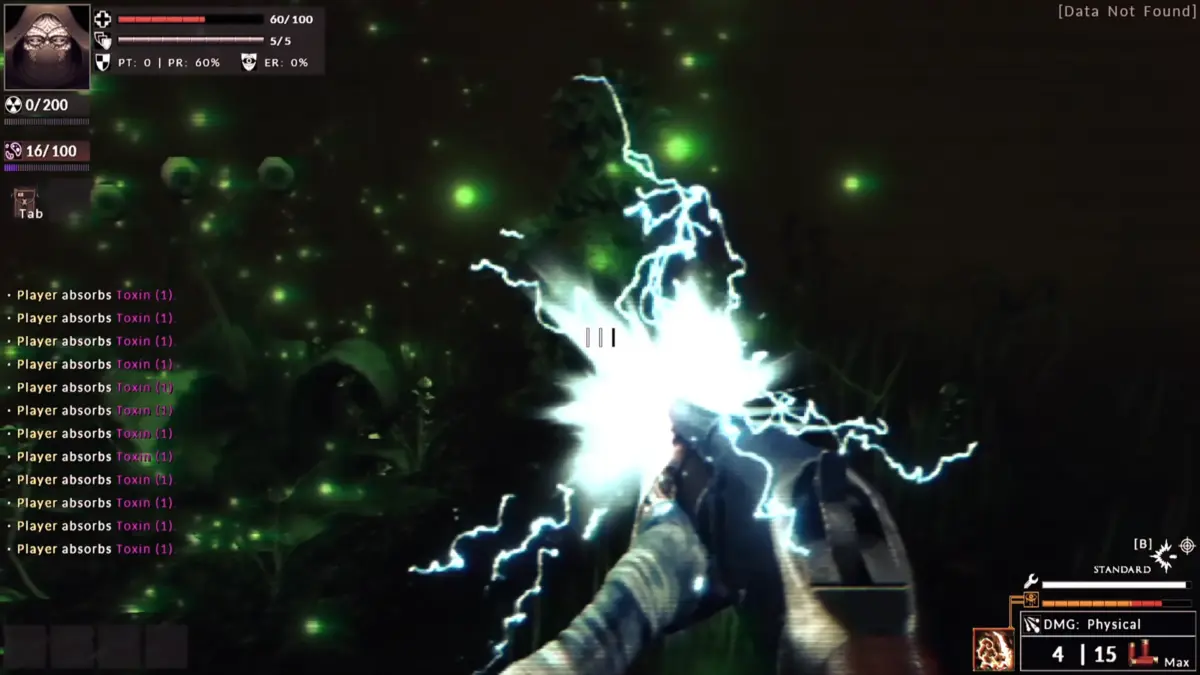
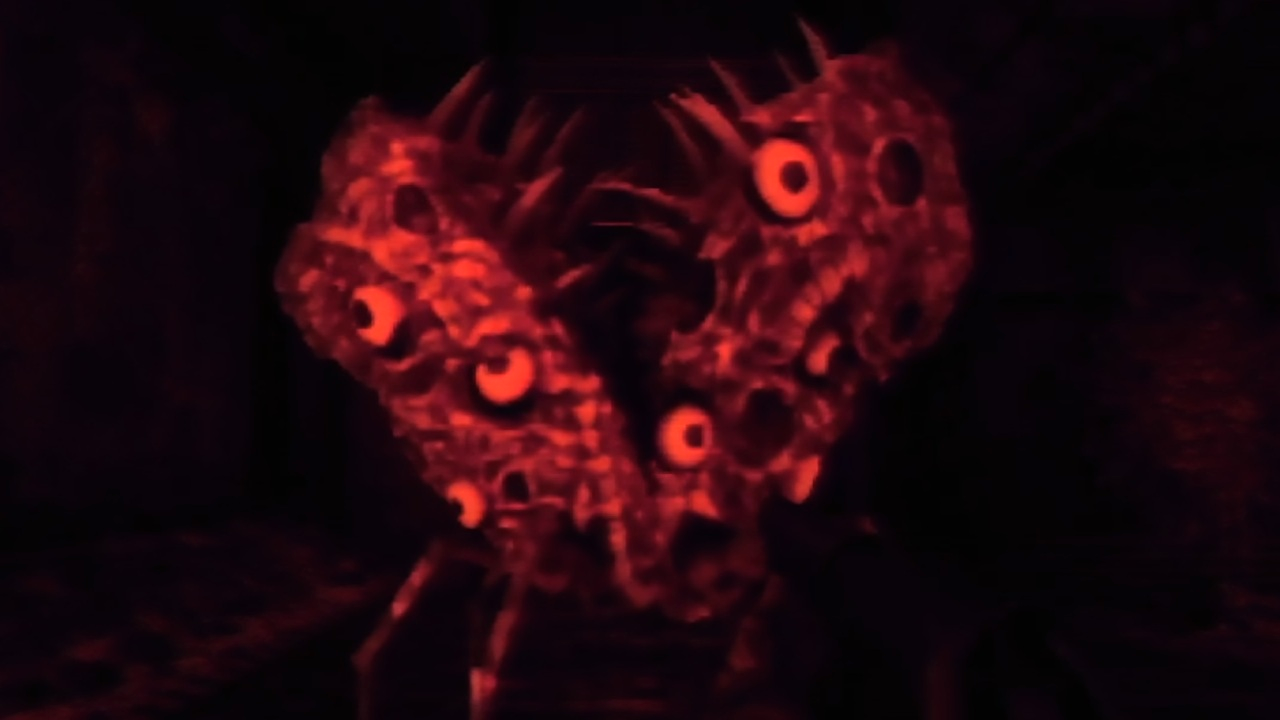
Engine Architecture: Leveraging a heavily customized version of the classic Doom engine, the game achieves a distinct visual cadence that blends low-poly retro nostalgia with high-fidelity atmospheric lighting, grotesque sprite-work, and non-Euclidean environmental design.
Narrative Design: The game merges traditional First-Person Shooter mechanics with deep Role-Playing Game (RPG) progressions, inventory management, and text-heavy lore exploration through terminal logs, item descriptions, and fragmented dialogue trees.
Act 3 Horizon: Following the Early Access launch, the final third of the game (Act 3) will be developed in close consultation with community feedback, ensuring the narrative climax honors the expansive blueprints left behind by the late Pablo Lamprea.
Official Statements: Remembering Pablo "Artistical" Lamprea
The human element behind Divine Frequency is inseparable from its artistic identity. In the March 2025 update, lead developer Abraxaes penned a deeply moving tribute to Pablo "Artistical" Lamprea, shedding light on the mechanics of their creative partnership and the irreplaceable void left in the wake of his passing:
"On the midnight of April 1st, 2025 (cruel irony), I received the news that our lead writer and lore-master, Pablo ‘Artistical’ Lamprea, had tragically passed away… This came as a shock to all of us and consequently almost ended all my desire to continue working on the game.
Our man Artistical was the fuel that kept my creative fire burning for the game. We would remain in contact regularly to discuss many aspects of the game world, from why the Divine Frequency is devouring the world to the timeline that led up to that event, or why psi is the residue consciousness from another universe that allowed reinterpretations of the current laws of reality.
We’ve had many long hour calls discussing, brainstorming and crafting the world that you’ll be experiencing soon. Anytime I wasn’t sure of a design choice I made, I knew I could always rely on him for consultation.
His role didn’t end there though, he also took the responsibility of writing the majority of in-game dialogues, item descriptions, and notes/computer logs to help lessen the load of the incredibly demanding task that is creating a quality video game. What made this event so difficult for me to stomach in particular was the sheer unfortunate timing of it.
About 3 weeks before Artistical’s passing, we’ve agreed to hold off committing to any writings for ACT-2 until I completed a dev build for it. This is so he and I can discuss and plan out the scripts as he plays through it. Unfortunately, this never came to fruition. The entirety of ACT-2 was left without the brilliance of the hand that will write its story."
Despite the tragedy of Act 2 being written without Lamprea’s direct hand-on scripting adjustments during that final playtest phase, the foundation laid by his world-building notes, thematic frameworks, and Act 1 contributions remains the beating heart of the project.
Future Outlook: A Pristine Vision Realized
The gaming industry is littered with cautionary tales of passion projects that collapsed under the weight of their own ambitions or external tragedies. Yet, Divine Frequency stands apart. The insistence by Abraxaes that “you only get one chance to launch a game, and this needs to be pristine on launch” speaks volumes about the level of care being poured into the October 27 Early Access release.
As players prepare to step back into its grim, otherworldly corridors, they will not merely be experiencing a retro-styled shooter; they will be stepping into a monument of collaborative resilience. The cosmic horror elements—the creeping dread of the frequency, the anomalous anomalies, and the stark, clinical terror of the unknown—will undoubtedly terrify players anew. But beneath the layers of blood, brass, and CRT-monitored static lies a profound testament to artistic dedication.
For those wishing to dive into the nightmare before the gates swing open on October 27, the updated demo remains available on Steam, offering a vital taste of the abyss. Divine Frequency may have nearly capsized on the dark waters of 2025, but its ship is finally coming home—and the horizon will never look the same.











Belum ada komentar. Jadilah yang pertama berkomentar!