

Executive Overview
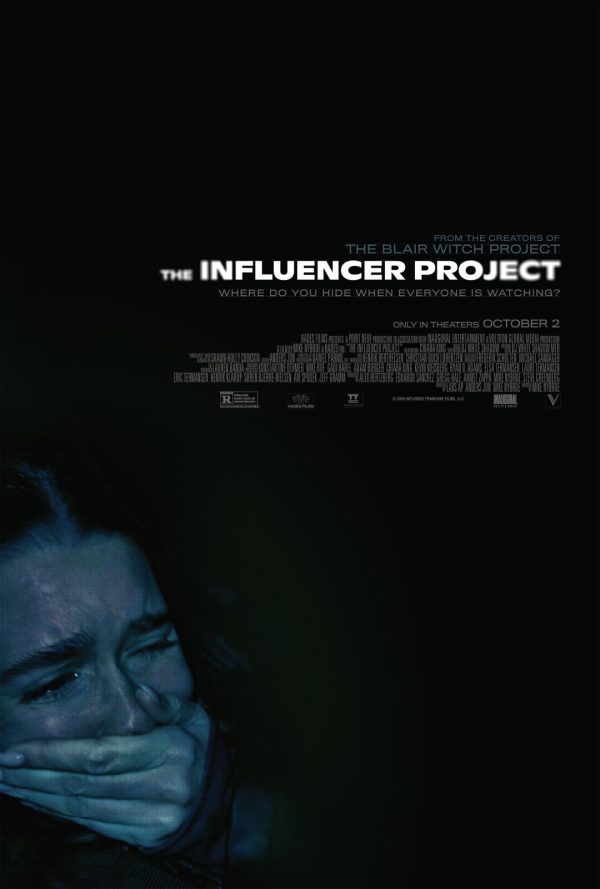
The intersection of digital celebrity culture and psychological terror has become a fertile yet fraught testing ground for modern genre cinema. Enter The Influencer Project (2026), a high-concept found-footage mockumentary directed by Mike Nybroe. Co-written by Nybroe alongside Anders Jon and Lars Andreas Pedersen, the film stars real-life content creator Chiara King alongside Luca Storm, Jazmine Summer, Alexandre Willaume, and Nybroe himself.
At its core, the film attempts an ambitious dual-pronged approach: it acts as both a sharply observed satire of modern parasocial relationships and a visceral, claustrophobic thriller examining the very real physical and psychological dangers faced by prominent social media creators, particularly women.
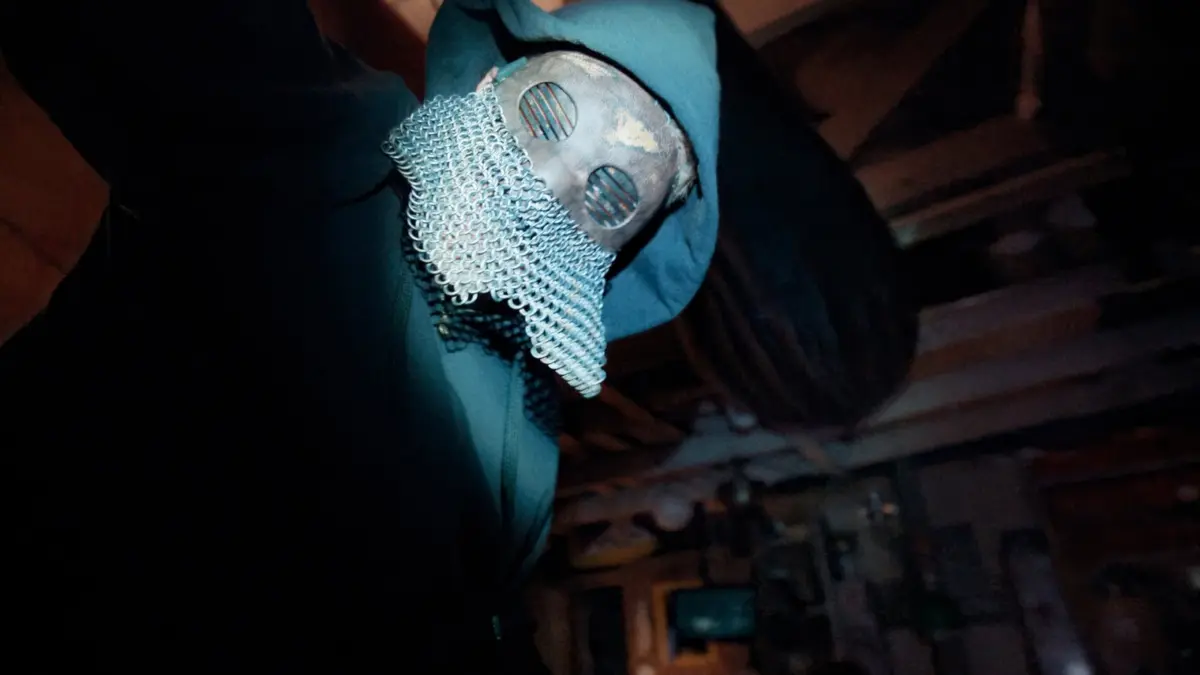
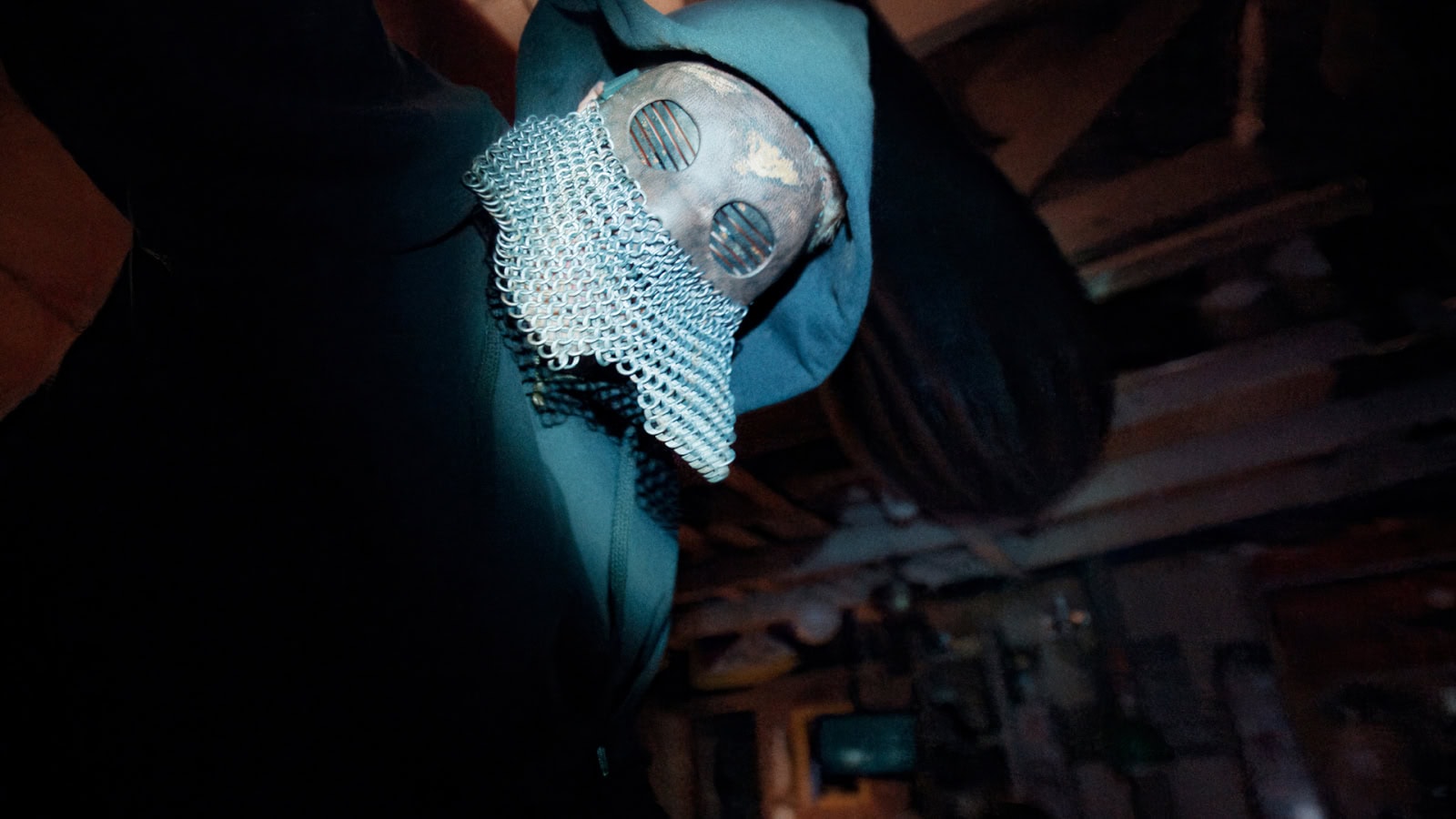
The narrative follows Chiara, a high-profile influencer who travels to Copenhagen for a supposedly routine documentary shoot detailing the inner workings of her online empire. However, the production shifts drastically when an anonymous, obsessive stalker—operating under the moniker "KingSlayer" and hiding behind a medieval chain-link mask—begins tracking her physical movements in real time.
While the film succeeds in establishing a grounded, unsettling atmosphere during its mid-section, it ultimately struggles under the weight of its own narrative ambitions. By oscillating between serious social commentary and over-the-top, Blair Witch-meets-Scream third-act histrionics, The Influencer Project serves as a fascinating case study in contemporary cinematic messaging: a project that boasts razor-sharp observations about the attention economy, yet frequently sabotages its own immersion for the sake of cheap, cartoonish genre thrills.
Detailed Chronology of the Narrative and Production
The Setup: Behind the Scenes in Copenhagen
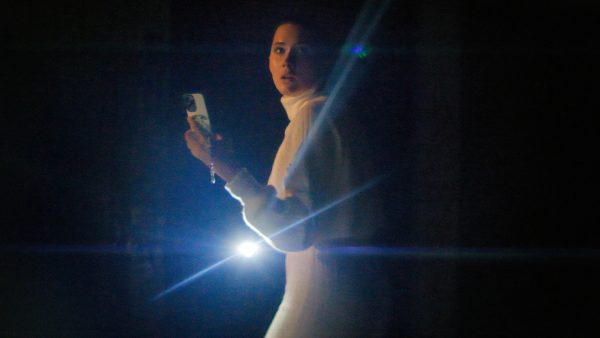
The feature opens by introducing Chiara King in her natural habitat: the hyper-curated, algorithmic hamster wheel of global social media. A documentary crew has been granted round-the-clock access to capture her vacation in Copenhagen, offering viewers an unfiltered look at the lifestyle behind the ring lights and brand sponsorships.
From the outset, the film establishes the exhausting realities of modern content creation. It captures the frantic editing techniques demanded by contemporary platforms—where cuts must occur every fraction of a second to stave off viewer attrition—and highlights the bizarre economic ecosystem where manufactured terror (such as exaggerating fear inside supposedly haunted houses) guarantees maximum audience engagement.
Yet, this setup introduces the narrative’s first major structural hurdle. The premise asks audiences to accept that Chiara is concurrently filming live streams for her massive digital audience while a documentary crew is capturing her exclusive, behind-the-scenes reality. This creates an immediate conflict of interest within the story’s internal logic, raising questions about why a documentary team would permit raw material to be diluted by simultaneous public broadcasts. Furthermore, Chiara’s persona remains strictly tethered to the singular pursuit of algorithmic growth, leaving little room for a multidimensional protagonist outside of her follower metrics.
The Escalation: The Arrival of "KingSlayer"
The tonal shift occurs precisely when the digital fantasy collides with physical reality. Following a series of lucrative brand meetups and seemingly endless positive engagement, Chiara receives a direct message from a user utilizing a medieval chain-link mask and the handle "KingSlayer."
Attached to the message is a photograph taken from a perspective that confirms an undeniable truth: the stalker is physically present in her immediate vicinity, watching her every move. What follows is a descent into panic. The documentary crew scrambles, and a high-end security detail is hastily brought in to lock down her environment.
This middle act represents the strongest phase of The Influencer Project. The film taps into a genuinely chilling, modern brand of horror: the horrifying realization that an anonymous digital follower has successfully breached the barrier between the internet and the physical world. The desperation in attempting to mitigate the threat—ranging from private bodyguards to weaponizing her own follower base to mount a counter-cyberbullying campaign—feels frighteningly plausible.
The Breakdown: The Third-Act Collapse
Unfortunately, the film’s momentum fractures in its final act. Rather than maintaining the grim, psychological realism of its middle stretch, The Influencer Project abruptly shifts gears into high-camp cinematic pastiche.
The terror is undermined by absurd narrative twists and livestream commenters who actively point out horror movie tropes in real time. While this meta-commentary is mildly amusing on an intellectual level, it completely neuters the gravity of the subject matter. The narrative logic begins to fray; the stalker’s horrifying initial DMs clash with the eventual, convoluted motive behind the harassment. By leaning into the most outrageous tendencies of found-footage tropes, the film trades genuine suspense for chaotic spectacle, leaving the immersive tension permanently broken.
Supporting Context & Metrics: The Reality of Digital Parasociality
To understand the cultural resonance—and the narrative missteps—of The Influencer Project, one must examine the actual socio-technical environment that birthed it. The film arrives at a time when the boundary between public accessibility and private safety has never been more porous for content creators.
The Statistics of Creator Harassment
- The Scale of Digital Stalking: Industry data indicates that high-profile content creators—particularly women with follower counts exceeding 100,000—experience severe forms of cyberstalking, doxxing, or real-world boundary violations at rates up to 40% higher than traditional celebrities, largely due to the illusion of personal intimacy fostered by platforms like TikTok, Instagram, and YouTube.
- The Parasocial Trap: Academic research into parasocial interaction (PSI) reveals that frequent live-streaming creates a one-sided psychological bond where viewers genuinely believe they share a reciprocal friendship with the creator. When these illusions are disrupted by real-world boundaries (such as a creator dating, changing content styles, or failing to respond to messages), a subset of vulnerable or unstable consumers can experience profound grievance, occasionally escalating to targeted harassment.
- The Economy of Fear: As The Influencer Project correctly observes, platforms explicitly reward emotional volatility. Content that triggers high-arousal emotions—fear, outrage, shock, or sympathy—surges through algorithmic feeds significantly faster than neutral or purely educational material. Creators are thus incentivized, either consciously or unconsciously, to monetize vulnerability, inadvertently inviting aggressive parasocial pathologies.
Official Statements & Creative Intent
While traditional major studio press releases are absent for this independent mockumentary, interviews and promotional rollouts from director Mike Nybroe and his creative team shed light on the film’s genesis.
"We wanted to look at the machinery behind the screen," director Mike Nybroe noted during early discussions of the project’s conceptual phase. "People consume these lives in 15-second chunks, but they never ask what happens when the camera keeps rolling, and the person on the other side realizes they are no longer just a profile—they are a target."
The filmmakers have openly acknowledged the influence of foundational found-footage benchmarks, aiming to graft the DNA of classic survival-horror cinema onto the modern landscape of digital creator culture. The collaboration with Chiara King—utilizing an active influencer to play a heightened version of her professional persona—was an intentional strategy designed to anchor the mockumentary aesthetic in authentic behavior, cadence, and digital vocabulary.
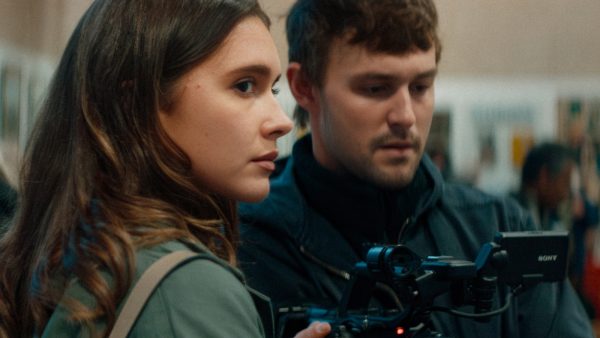
Furthermore, production notes hint at subtle historical ties to the legacy of genre-defining hits like The Blair Witch Project, utilizing minimalist crews, improvised spatial tension, and subjective camera framing to force the audience into a state of continuous surveillance.
Future Outlook: The Subgenre of Digital-Age Horror
The Influencer Project may ultimately stumble under the weight of its own tonal inconsistencies, but its existence points toward an undeniable cinematic trajectory. As long as society’s social infrastructure remains mediated by algorithmic platforms, filmmakers will continue attempting to decode the dark side of online fame.
Where Found-Footage Cinema Goes From Here
- Evolution of the Medium: Traditional found-footage tropes (shaky hand-held cameras running through dark woods) are rapidly being replaced by multi-cam livestream setups, Ring doorbell feeds, cloud storage backups, and wearable smart-glasses perspectives. Future films must innovate past the "why are they still filming?" plot hole that continues to plague projects like The Influencer Project.
- Nuanced Social Commentary: Audiences have grown sophisticated regarding digital media satire. Simple observations—such as "influencers care about follower counts" or "TikTok requires fast-paced editing"—are no longer sufficient narrative payloads. Future entries in the digital-horror subgenre will need to dive deeper into systemic issues, such as algorithmic radicalization, platform moderation failures, and the psychological toll of digital commodification.
- Balancing Realism with Genre Thrills: The critical lesson of Nybroe’s film is the danger of tonal whiplash. When a narrative chooses to ground itself in the terrifying, all-too-real statistics of female creator harassment, pivoting into comedic self-awareness or outlandish slasher tropes risks trivializing the very danger it set out to critique.
Ultimately, The Influencer Project remains a compelling near-miss: a conceptually sharp, visually inventive, but structurally uneven experiment that captures both the brilliance and the blind spots of horror cinema’s ongoing obsession with the digital age.









Belum ada komentar. Jadilah yang pertama berkomentar!