

Executive Overview
The landscape of modern technology is undergoing a fundamental philosophical shift. For decades, human-computer interaction (HCI) has remained fundamentally one-sided: users input commands via keyboards, mice, touchscreens, or voice inputs, and machines execute those commands without any true comprehension of the user’s internal psychological or emotional state. While graphics engines have evolved to produce hyper-realistic visuals, and large language models (LLMs) have mastered natural language processing, software has remained emotionally blind.
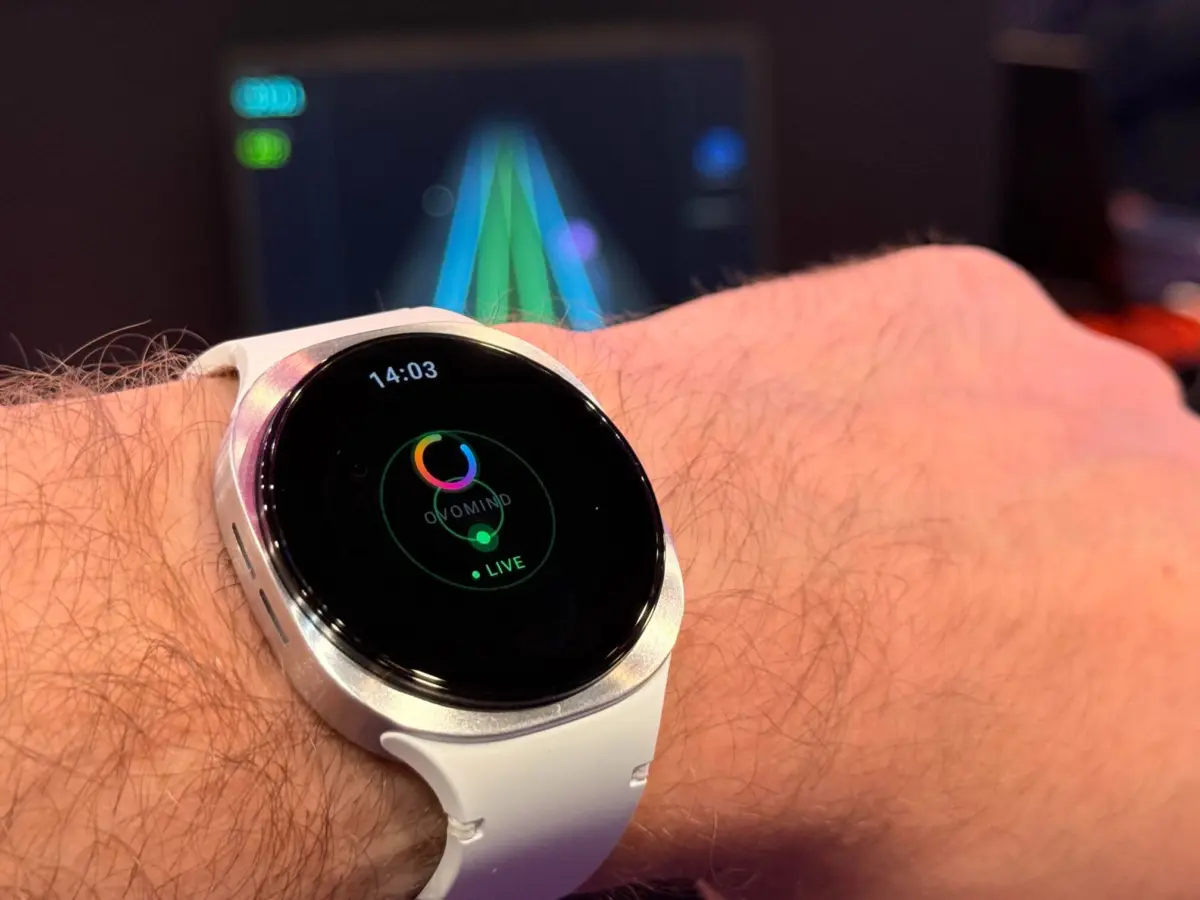
Enter OVOMIND, a pioneering technology company that is bridging this profound empathy gap. By capturing real-time physiological responses and processing them through advanced artificial intelligence within a mere 0.3-second latency window, OVOMIND has created a groundbreaking SDK platform capable of mapping, interpreting, and reacting to human emotions on the fly.
This in-depth investigative report examines the technology behind OVOMIND, its implications for the gaming industry, its expansion into automotive and wearable ecosystems, and how real-time affective computing is poised to transform the future of software development globally.
The Technology: Decoding the Autonomic Nervous System in Real-Time
To understand how OVOMIND achieves real-time emotional tracking, one must first examine the physiological foundation of human emotion. Emotional states—such as excitement, joy, relaxation, anxiety, or alarm—trigger immediate, involuntary responses in the autonomic nervous system. These responses manifest as subtle micro-changes in heart rate variability (HRV), galvanic skin response (GSR), skin temperature, and electrodermal activity.
Traditionally, measuring these physiological markers required bulky, expensive laboratory equipment, specialized electrodes, and heavily instrumented environments unsuitable for everyday consumer applications. OVOMIND has shattered these hardware barriers by decoupling biometric monitoring from laboratory settings and integrating it directly into consumer-grade wearables and smart devices.
The 0.3-Second Latency Breakthrough
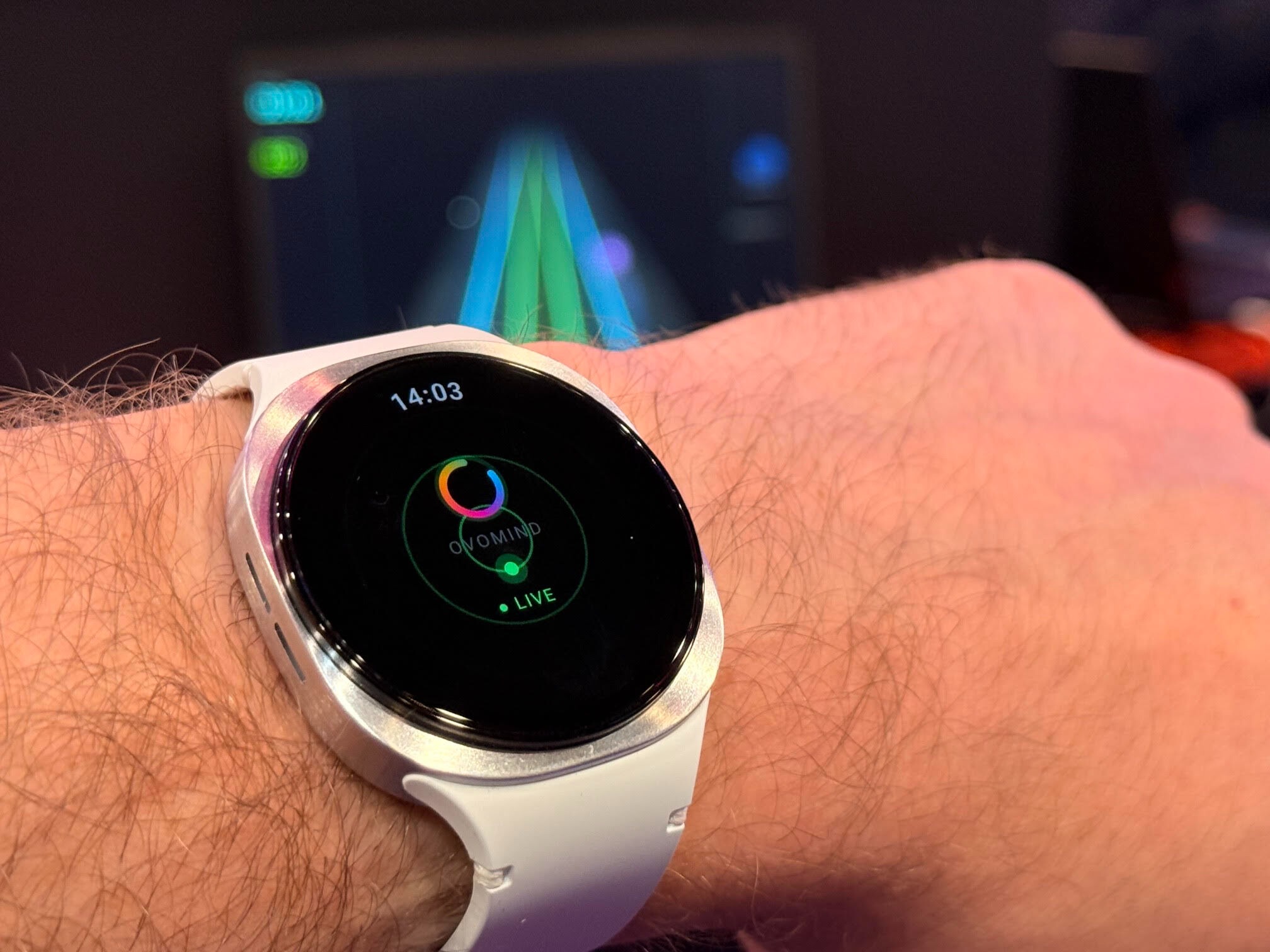
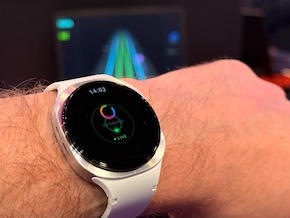
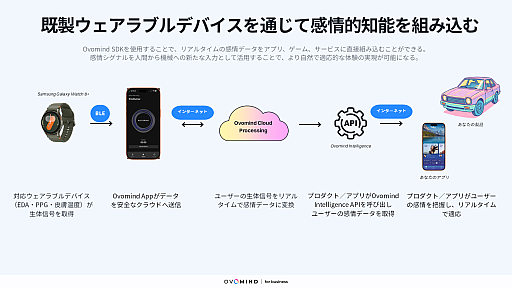
OVOMIND’s core technological achievement is its ultra-low latency inference engine. By analyzing skin conductance and heart rate variability metrics captured by consumer smartwatches (such as the Samsung Galaxy Watch series) or specialized biometric hardware (like the proprietary "DK1" sensor headset), the system processes emotional data with a latency of just 300 milliseconds.

This blazing-fast processing speed is crucial. An emotional response in a dynamic environment—such as a jump scare in a horror game or a sudden traffic hazard in an autonomous vehicle—requires instantaneous feedback. If a system takes several seconds to recognize that a user is stressed or panicked, the adaptive response arrives too late to be useful. OVOMIND’s 0.3-second pipeline ensures that virtual environments, musical scores, and conversational AI agents can adapt synchronously with the user’s shifting psychological state.
The 9-Dimensional Emotion Matrix
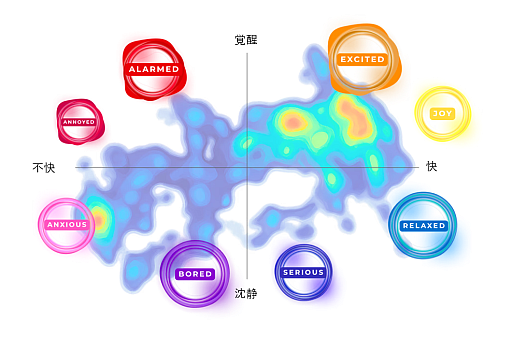
Unlike simplistic binary sentiment trackers (which merely distinguish between "positive" and "negative" states), OVOMIND utilizes a sophisticated 9-dimensional emotion matrix. The system tracks and categorizes nine distinct emotional states:
- Excited
- Joy
- Relaxed
- Serious
- Bored
- Anxious
- Annoyed
- Alarmed
- Neutral
This granular classification allows developers to move beyond crude approximations of mood. For instance, distinguishing between anxiety and excitement—two high-arousal states that often produce similar heart rate spikes—requires advanced algorithmic profiling. OVOMIND’s machine learning models successfully differentiate these states by analyzing the subtle interplay between electrodermal activity and cardiovascular rhythms.
Detailed Chronology: From Concept to Global SDK Deployment
The journey of OVOMIND from an ambitious research concept to an internationally recognized software development kit (SDK) provider highlights the rapid acceleration of affective computing in recent years.
Foundation and Early Research (2020–2024)
Founded by CEO Yann Frachi, OVOMIND began with a clear vision: to integrate real-time emotional awareness into interactive software. Over a four-year R&D period, Frachi and his core team of neuroscientists and software engineers focused on solving the primary bottleneck of biometric tracking—hardware dependency. Early prototypes relied on custom-built headsets and specialized EEG hardware. While accurate, these prototypes were commercially unviable for mass-market deployment.
Recognizing that consumer adoption hinged on existing hardware ecosystems, the company pivoted toward software-defined integrations. By developing lightweight SDKs compatible with industry-standard game engines like Unity, Unreal Engine, and Godot, OVOMIND positioned itself as a universal layer for emotional intelligence.

The Public Debut and TGS/CES Showcases (2025–2026)
OVOMIND entered the public consciousness with high-profile demonstrations at major global technology and gaming exhibitions, including the Tokyo Game Show (TGS) and the Consumer Electronics Show (CES).
At these events, the company showcased its developer dashboard and proprietary SDKs through live demonstrations. Attendees wore consumer smartwatches integrated with the OVOMIND SDK while experiencing various software applications—ranging from high-octane racing simulators to psychological horror games. The live telemetry displays, which projected real-time emotional heatmaps and 9-axis emotional vectors onto large screens, drew massive crowds of developers and industry analysts.
Supporting Context & Metrics: Performance, Accuracy, and Privacy
As affective computing transitions from academic theory to commercial reality, questions regarding accuracy, reliability, and data privacy naturally arise. OVOMIND has addressed these concerns proactively through rigorous benchmark testing and enterprise-grade security protocols.

Accuracy Benchmarks
Independent testing of the OVOMIND SDK across diverse user demographics reveals impressive performance metrics:
- Signal Accuracy: The system achieves an average correlation rate of 81% when compared to clinical-grade electrocardiogram (ECG) and galvanic skin response (GSR) monitors.
- Latency: Maintaining a strict processing latency of $le 300text ms$, ensuring that adaptive changes in software match human reflex speeds.
- False Positive Rates: Optimized filtering algorithms successfully suppress motion artifacts (such as hand gestures or physical movement), keeping false positive triggers for stress or panic below 12%.
Data Privacy and GDPR Compliance
In the realm of biometrics, user privacy is paramount. Emotional data is deeply personal; mishandling it could lead to severe consumer backlash and regulatory penalties under frameworks like the European Union’s GDPR (General Data Protection Regulation).
OVOMIND has implemented a privacy-first architecture. All raw biometric data processed by the SDK is anonymized at the device level. Instead of transmitting raw physiological data to centralized cloud servers, the SDK performs edge computing—processing metrics locally on the user’s device whenever possible. Only abstracted, anonymized emotional states (e.g., "User is currently experiencing moderate excitement") are transmitted to game servers or application backends, and even then, strictly with explicit user consent.

Game Development & Beyond: Use Cases for Emotional AI
While OVOMIND’s roots lie in video games, the applications of real-time emotional intelligence extend far beyond entertainment.
1. Adaptive Gaming and Dynamic Difficulty Adjustment (DDA)
In the gaming sector, OVOMIND transforms how games interact with players. Traditional dynamic difficulty adjustment systems rely purely on in-game performance metrics (e.g., how many times a player has died or how quickly they cleared a level). While functional, these metrics miss the psychological reality of the player: a player might be breezing through a level mechanically, yet feeling intensely bored, or conversely, struggling immensely while feeling deeply exhilarated.
With OVOMIND integrated, games can read the player’s emotional state directly. If a player exhibits signs of intense frustration or annoyance, the game can subtly adjust enemy aggression, checkpoint spacing, or puzzle complexity. If a horror game detects that a player’s heart rate and alarm levels are dropping into boredom, the AI director can dynamically ramp up ambient tension, trigger unexpected audio cues, or alter the environment to re-engage the player’s adrenaline.
"We are no longer guessing how a player feels," explains CEO Yann Frachi. "By tapping into the autonomic nervous system, games can finally empathize with the player. It changes everything from pacing to storytelling."
2. Automotive Safety and Driver Monitoring
Beyond entertainment, OVOMIND’s technology is making significant inroads into the automotive industry. Modern vehicles are increasingly equipped with advanced driver-assistance systems (ADAS) and cabin-monitoring cameras. However, visual monitoring alone has blind spots—a driver might appear attentive while mentally fatigued, distracted, or experiencing high levels of hidden stress.
By integrating OVOMIND’s SDK into in-cabin sensor suites and wearable devices worn by drivers, vehicles can monitor cognitive load and emotional stability in real time. If the system detects prolonged anxiety, road rage indicators, or dangerous levels of drowsiness, the vehicle can intervene—suggesting a rest stop, adjusting cabin climate and lighting, or engaging autonomous safety protocols to prevent accidents.
3. Mental Health, Productivity, and Enterprise Applications
In workplace and wellness environments, real-time emotional telemetry offers unprecedented tools for stress management and productivity optimization. Software applications used in high-stress professions (such as air traffic control, emergency dispatch, and financial trading) can monitor operator stress levels to prevent burnout before critical errors occur.
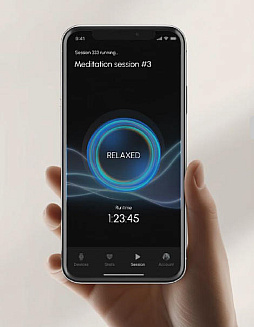
Furthermore, digital therapeutics companies are leveraging OVOMIND’s SDK to create biofeedback-driven meditation and therapy apps. By providing users with real-time visual representations of their emotional recovery during breathing exercises, these apps dramatically improve user engagement and therapeutic outcomes.
Official Statements and Industry Reception
The commercial rollout of OVOMIND’s SDK has garnered widespread attention from major technology publications and industry leaders alike. Analysts note that while biometric monitoring in smartwatches is commonplace, the ability to translate those raw health metrics into actionable, real-time emotional states for software developers represents a quantum leap forward.
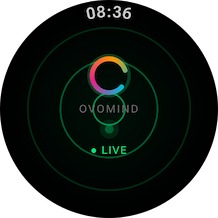
Industry partnerships have also accelerated. OVOMIND’s cross-platform SDKs for Unity, Unreal Engine, and Godot have lowered the barrier to entry for independent developers and AAA studios alike. Major hardware manufacturers have taken notice; collaborations with companies like Samsung (bringing OVOMIND SDK compatibility to Galaxy Watch devices) signal a broader industry movement toward ubiquitous emotional computing.
Future Outlook: The Road Ahead for Affective Computing
As we look toward the future, OVOMIND’s roadmap points toward deeper integration with generative AI and large language models (LLMs). Imagine an AI NPC (non-player character) in a role-playing game that not only listens to your words through speech recognition but also senses your emotional state via your smartwatch. If your character is visibly anxious or untrusting during a dialogue sequence, the NPC can dynamically alter its tone, offering reassurance or becoming defensive in response.
Similarly, in virtual reality (VR) and augmented reality (AR) environments—where immersion is paramount—emotional intelligence will become the defining differentiator for software success.
Summary of OVOMIND’s Impact:
- Real-Time Responsiveness: 0.3-second latency bridges the gap between biological reaction and software adaptation.
- Cross-Platform Accessibility: Free SDKs for Unity and Unreal Engine ensure rapid adoption across indie and AAA development teams.
- Ethical AI: Strict adherence to GDPR and local-device edge computing protects user privacy while delivering powerful emotional insights.
As emotional AI transitions from a futuristic sci-fi trope into standard industry practice, companies that fail to account for user emotion risk falling behind. OVOMIND is leading this charge, proving that the future of computing is not just intelligent—it is empathetic.









Belum ada komentar. Jadilah yang pertama berkomentar!