Date: September 30, 2026 Author: Culinary Science & Gastronomy Desk Expert Sources: Umami Information Center (Tokyo), Prof. Emeritus Toshihide Nishimura (Chairman), Ms. Yasue Kido (Director)
Executive Overview
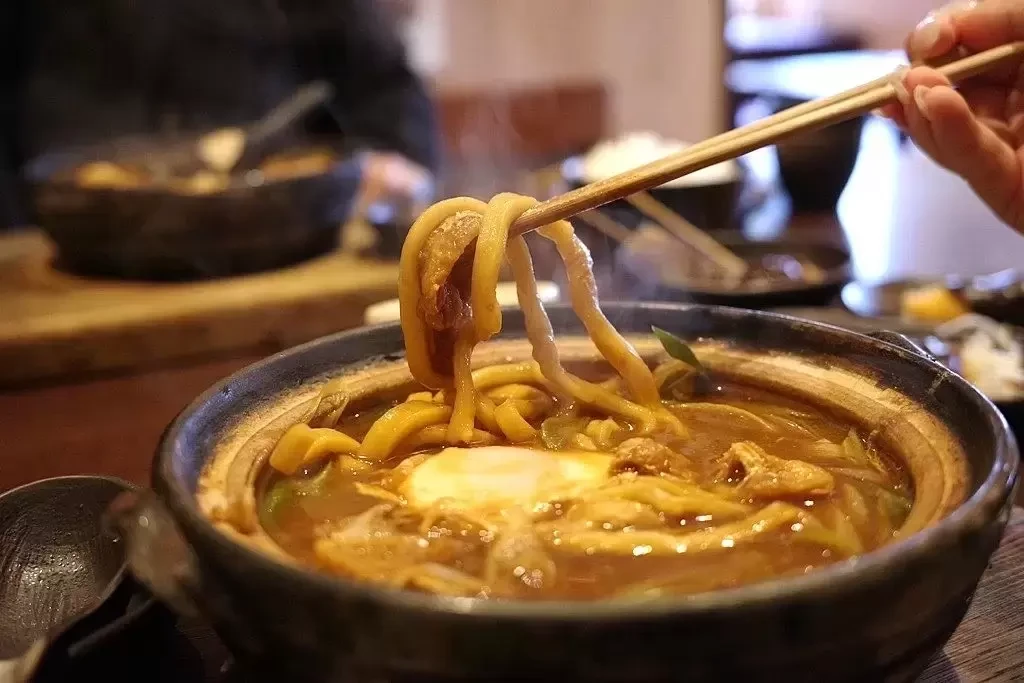
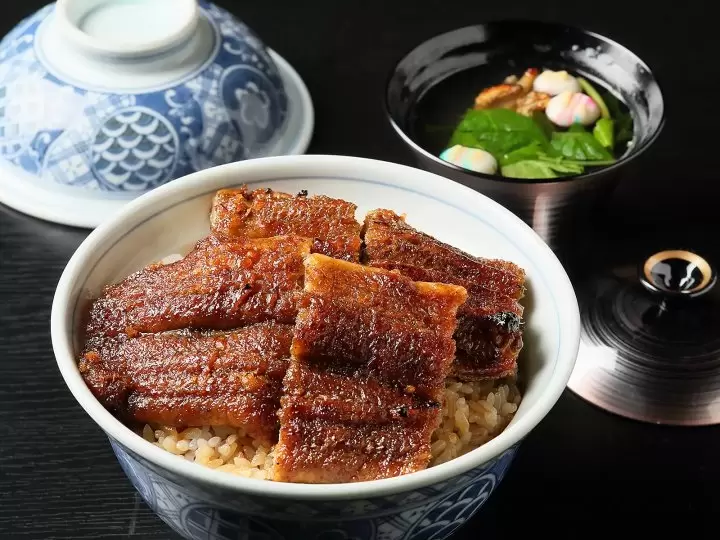
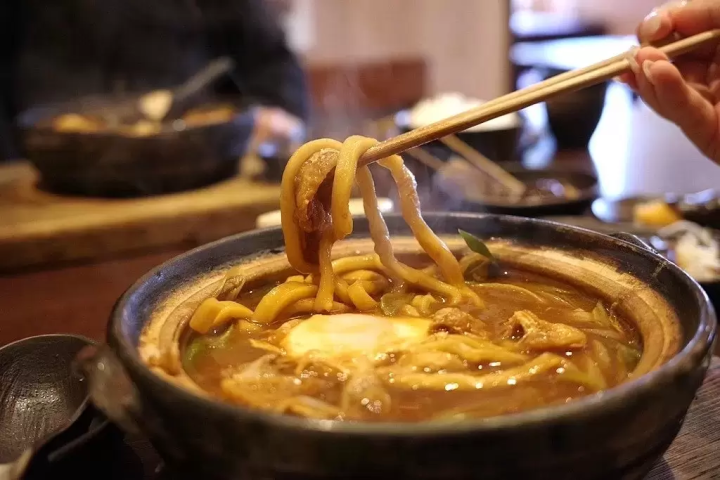
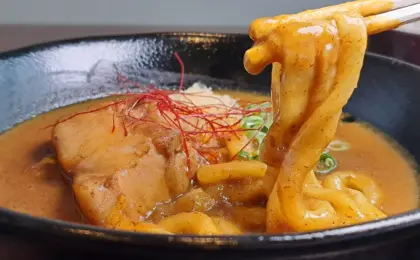
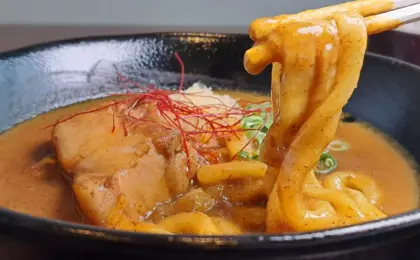
If you have ever traveled to Nagoya, Japan, you have likely encountered a culinary profile unlike anywhere else in the country. From the bubbling depths of Miso Nikomi Udon, where a dark, earthy red miso permeates every ingredient, to Hitsumabushi, the impeccably grilled, umami-lacquered freshwater eel, Nagoya cuisine demands attention. It is robust, unapologetically rich, and profoundly savory.
Yet, this distinct flavor identity is not merely the result of regional preference; it is anchored in rigorous food science and centuries-old craftsmanship. At the heart of Nagoya’s gastronomy lies a mastery of fermentation. Relying on legendary local staples such as Hatcho miso (brewed exclusively from soybeans, salt, and water), long-aged tamari soy sauce, mirin, and robust vinegars, local artisans have engineered ingredients that pack some of the highest concentrations of umami found anywhere in the global pantry.
To understand why Nagoya cuisine tastes so remarkably rich, we must journey beyond the kitchen and into the biochemical makeup of taste. In collaboration with the Umami Information Center in Tokyo, this investigative feature explores the evolution of the fifth basic taste, the phenomenon of umami synergy, and the historic brewing towns of Aichi Prefecture where these flavor powerhouses are born.
Detailed Chronology: The Discovery and Evolution of Umami
While human beings have relished savory flavors since antiquity, the formal scientific recognition of umami is a relatively modern triumph—one driven primarily by Japanese researchers.
Pre-2002 Educational Paradigm: For generations, textbooks taught that the human tongue possessed receptors for only four basic tastes: sweet, sour, salty, and bitter. Everything else was categorized as a mere combination of these four or dismissed as an aroma.
1908–1909: The Breakthrough: Japanese chemist Kikunae Ikeda made a monumental discovery while examining kombu dashi (kelp broth). He isolated glutamate, an amino acid, as the primary agent responsible for the broth’s distinctive savory taste. In 1909, Ikeda published a landmark paper naming this sensation "umami" (derived from umai, meaning "delicious") and argued that it constituted a distinct, fifth basic taste. Following Ikeda’s work, subsequent Japanese researchers isolated two additional umami-driving nucleotides: inosinate and guanylate.
1982: Institutionalizing the Science: Recognizing the need for standardized, fact-based education surrounding this sensory phenomenon, the Umami Information Center was established in Tokyo. Its mission: to demystify umami as both a fundamental biological taste and a critical culinary tool.
2002: Global Scientific Validation: Nearly a century after Ikeda’s initial discovery, neuroscientists officially identified dedicated, specialized taste receptors on the human tongue specifically responsive to glutamate. This landmark milestone reshaped modern gustatory science, permanently cementing umami alongside sweet, sour, salty, and bitter.
Supporting Context & Metrics: The Biochemistry of Deliciousness
To comprehend why certain foods provide deep satisfaction while others fall flat, one must examine the molecular mechanics of taste.
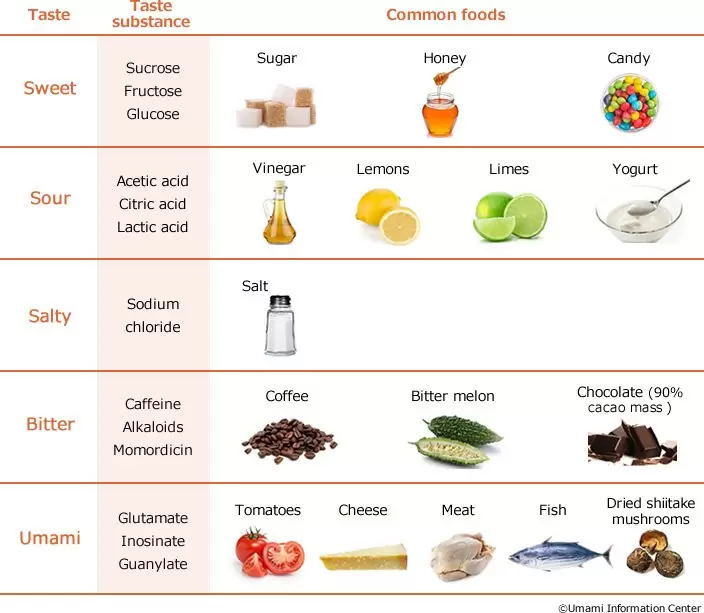
Just as sugars like glucose trigger sweetness and acids like citric acid trigger sourness, umami is produced by specific chemical molecules:
Glutamate: An amino acid found abundantly in meats, fish, ripe tomatoes, and fermented soybean products.
Inosinate: A nucleotide concentrated primarily in animal-based sources, such as beef, poultry, and fish.
Guanylate: A nucleotide found in exceptionally high amounts in dried mushrooms, particularly dried shiitake.
Crucially, umami acts as a biological signal that the body is consuming protein. Whole proteins possess no taste on their own; human taste receptors only register flavor when proteins break down into individual free amino acids. Traditional culinary processes—such as ripening, aging, and fermentation—accelerate this breakdown, yielding high concentrations of free amino acids. This is why aged cheeses, cured hams, and fermented sauces universally anchor global culinary traditions.
The Power of Umami Synergy
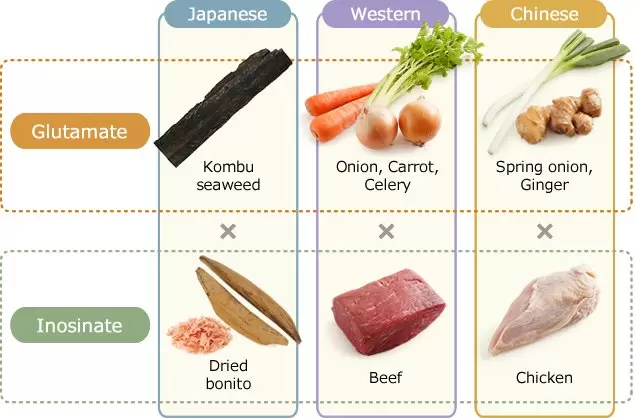
While individual umami compounds are powerful, their impact multiplies exponentially when combined. When glutamate (from plant or fermented sources) pairs with inosinate (from animal proteins), the human tongue experiences umami synergy.
This reaction causes taste receptors to fire at a magnitude far exceeding the sum of the individual components. Japan’s classic dashi broth is the world’s most famous execution of this principle, marrying kombu kelp (rich in glutamate) with dried bonito flakes katsuobushi (rich in inosinate).
Nagoya’s Fermentation Advantage
Nagoya and the surrounding Aichi Prefecture capitalize on this science better than almost any other region, thanks to two specific staples:
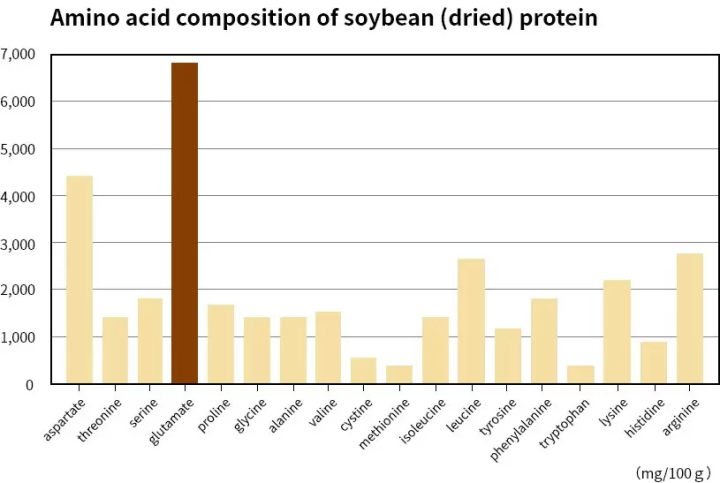
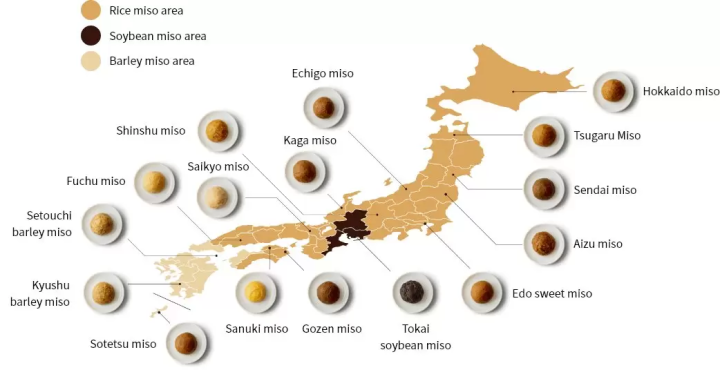
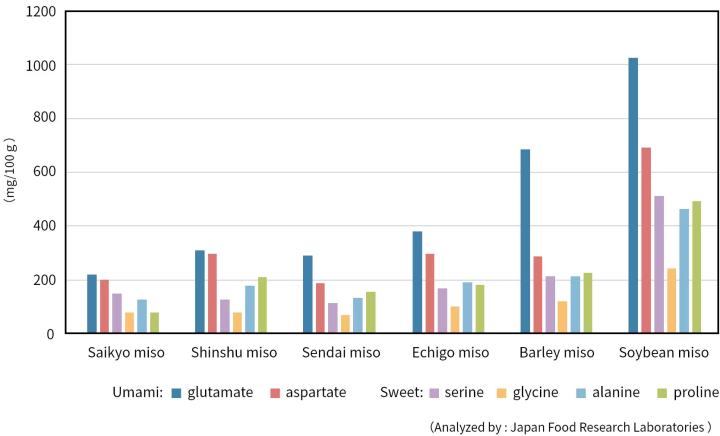
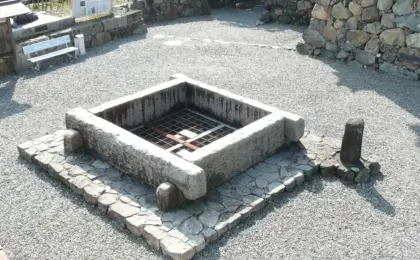
Soybean Miso (Mame Miso): Unlike standard Japanese miso, which frequently utilizes rice or barley koji, Aichi’s regional miso is made entirely from soybeans (mame miso). Biochemical analysis reveals that soybean miso boasts the highest glutamate levels of any miso variety in Japan. Hatcho miso, the pinnacle of this style, is aged in massive cedar barrels under heavy river-stone pyramids for years, driving amino acid concentrations to extraordinary heights.
Tamari Soy Sauce: While standard commercial soy sauces age for roughly twelve months, authentic tamari—primarily produced in the nearby coastal town of Taketoyo—undergoes an intensive aging process lasting up to three years. This extended fermentation mirrors the aging of fine cheeses, generating an exceptionally rich, umami-dense liquid.
Official Statements & Expert Insights
To gain a deeper perspective on how science translates to the dining table, we spoke directly with the leadership of the Umami Information Center.
"Dining becomes so much more enjoyable when you move beyond simply thinking, ‘This tastes great!’ and instead ask yourself, ‘Why does this have such depth of flavor?’ or ‘Where does all this richness come from?’"
— Professor Emeritus Toshihide Nishimura, Chairman of the Umami Information Center.
Professor Nishimura emphasizes that emotional culinary experiences are deeply tied to cognitive awareness of food mechanics. Complementing this, Ms. Yasue Kido, Director of the Center, points directly to the regional heritage of Aichi Prefecture:
"Aichi’s fermented foods feature numerous traditional dishes packed with umami-rich ingredients. By understanding the science behind umami and depth of flavor, you can experience miso, soy sauce, and local cuisine from a whole new perspective. We invite you to visit Aichi, savor the food, and uncover these secrets for yourself."
Future Outlook: Culinary Tourism and the Preservation of Craft
As global gastronomy increasingly values sustainability, heritage preservation, and functional food science, the ancient brewing techniques of Nagoya and Aichi Prefecture are stepping into an international spotlight.
The future of regional food tourism in central Japan is shifting away from passive consumption toward immersive, educational exploration. Travelers are no longer content with merely eating a bowl of Miso Nikomi Udon; they are taking 30-minute train rides to historic manufacturing towns like Okazaki—home to centuries-old producers such as Maruya Hatcho Miso and Kakukyu Hatcho Miso—to witness firsthand the towering cedar vats and stone-weighted aging processes. Similarly, visitors journeying to Taketoyo can tour historic tamari breweries like Nakasada Shoten, sampling artisanal variations to understand how micro-climate and time alter flavor profiles.
By bridging the gap between molecular biology and ancestral craftsmanship, Nagoya proves that the secret to its legendary cuisine is no accident. It is a masterclass in the science of deliciousness—one that will continue to captivate epicureans, chefs, and scientists for generations to come.








Belum ada komentar. Jadilah yang pertama berkomentar!