

Executive Overview
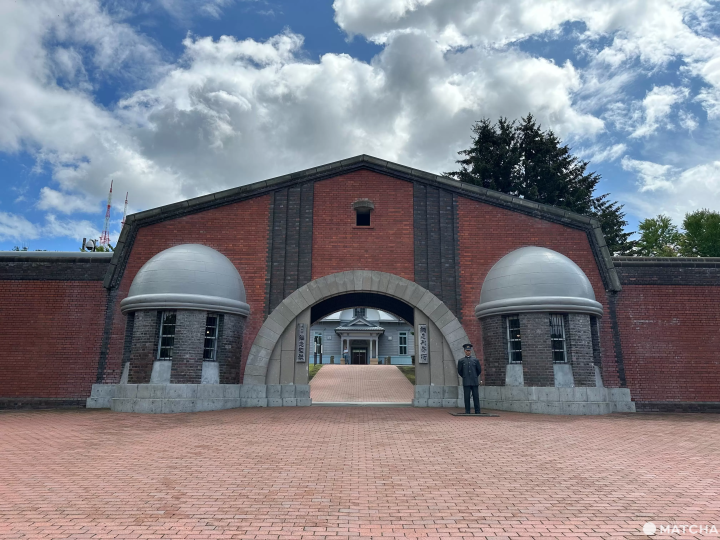
Tucked away in the stark, windswept landscapes of eastern Hokkaido, Japan, the Abashiri Prison Museum (Hakubutsukan Abashiri Kangoku) stands as a profound architectural monument and a sobering historical archive. Far more than a traditional exhibition space, this sprawling open-air museum preserves the original structures of the notorious Meiji-era Abashiri Prison, meticulously relocated to a campus-like setting overlooking the Sea of Okhotsk.
For generations, Abashiri was synonymous with state-mandated exile, brutal forced labor, and psychological isolation. Today, however, it serves a dual purpose: preserving the harrowing realities of Japan’s penal history while captivating modern cultural tourists, architectural purists, and international fans of pop culture phenomena like the smash-hit manga and anime series Golden Kamuy.
Boasting four structures officially designated as Important Cultural Properties of Japan—alongside several registered Tangible Cultural Properties—the museum offers an unvarnished window into the Meiji government’s rapid northern expansion. Through meticulously restored cell blocks, interactive historical installations, and even authentic modern prison cuisine, the site challenges visitors to confront a complex legacy of human endurance, penal engineering, and regional development.
Detailed Chronology: From Frontier Outpost to Historical Landmark
The history of Abashiri Prison is inextricably linked to the geopolitical ambitions of Meiji-era Japan. Following the Meiji Restoration of 1868, the imperial government faced an urgent strategic imperative: secure the northern frontier of Hokkaido against potential incursions by Tsarist Russia and accelerate the island’s economic development.
The Meiji Genesis and Forced Labor (1890s)
In 1890, the government established the original Abashiri Prison in an isolated coastal enclave renowned for its sub-zero winters and unforgiving terrain. The facility was designed to house Japan’s most hardened criminals—political dissidents, violent offenders, and recidivists alike.
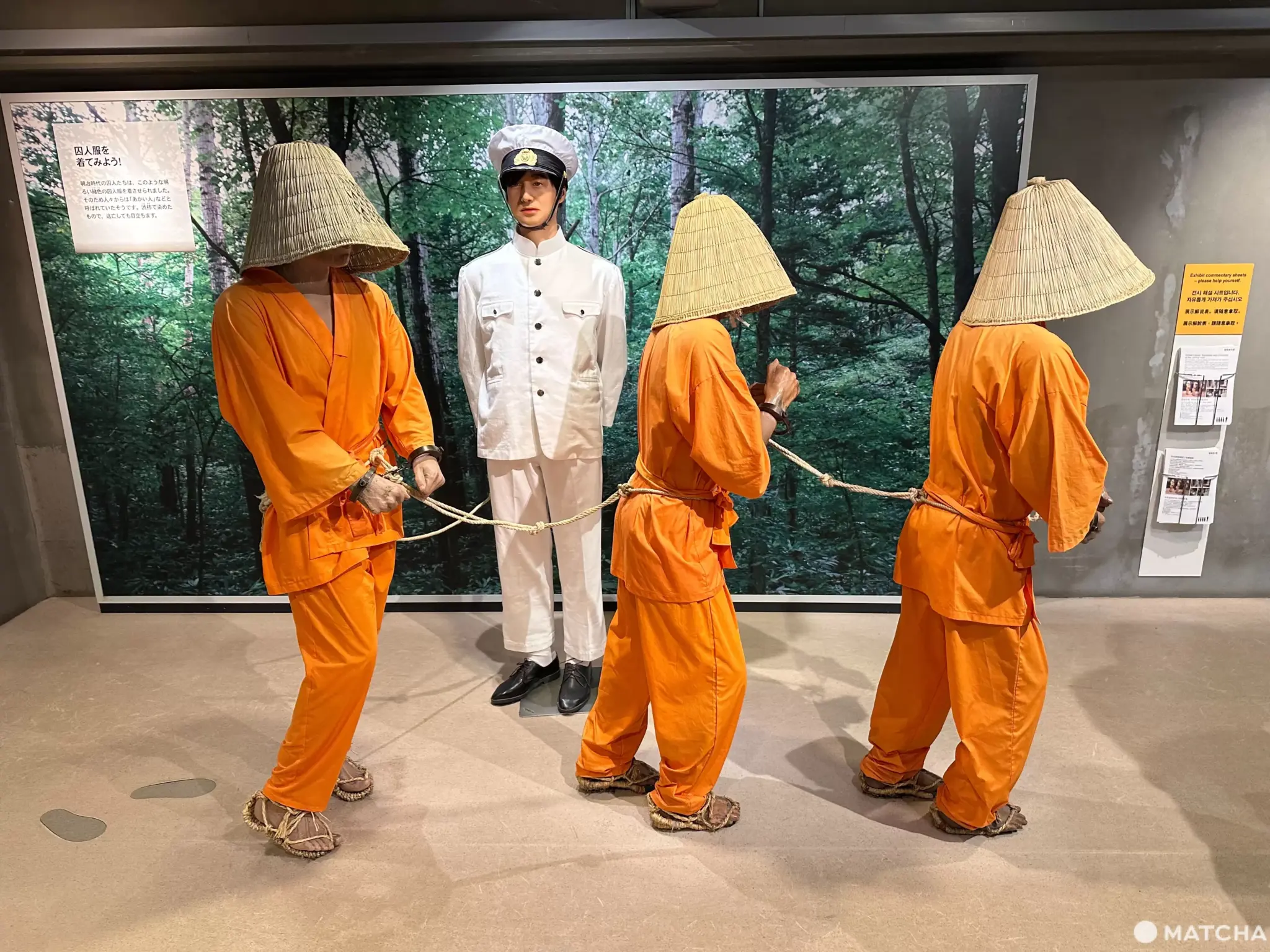
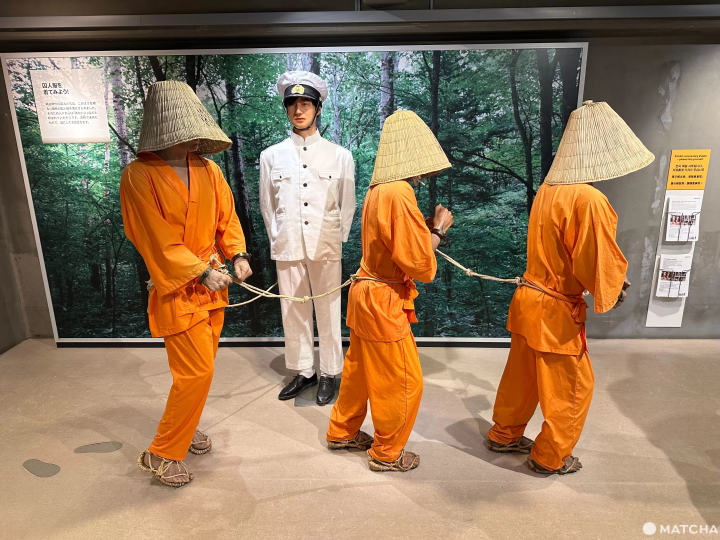
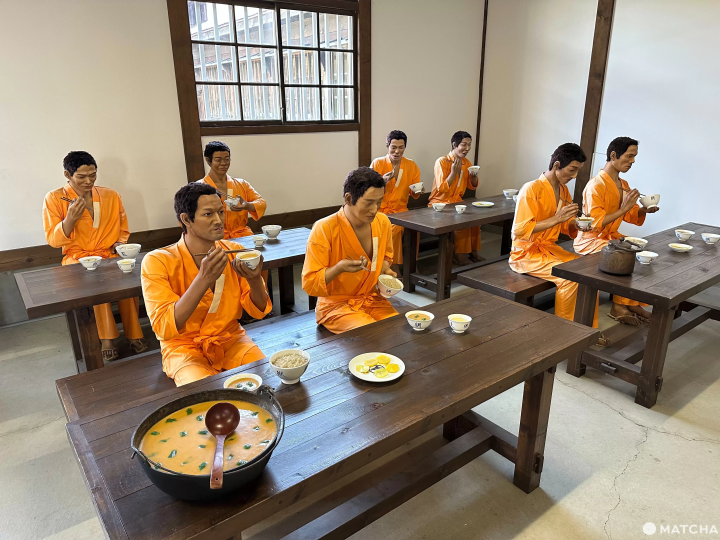
However, these inmates were not merely sequestered; they were weaponized as an expendable workforce. Under draconian directives, prisoners were forced to clear dense primeval forests, carve out rudimentary roadways, and construct vital infrastructure across eastern Hokkaido. Working in brutal conditions with meager rations, inadequate clothing, and heavy iron restraints, hundreds of inmates succumbed to malnutrition, industrial accidents, and freezing temperatures. This grim reality forged Abashiri’s reputation as Japan’s harshest penal institution.
Evolution and Relocation (20th Century)
As Japan modernized through the 20th century, penal philosophies gradually shifted away from medieval corporal exploitation toward institutional reform and rehabilitation. The physical demands on prisoners evolved, though Abashiri retained its status as a maximum-security facility for incorrigible offenders.
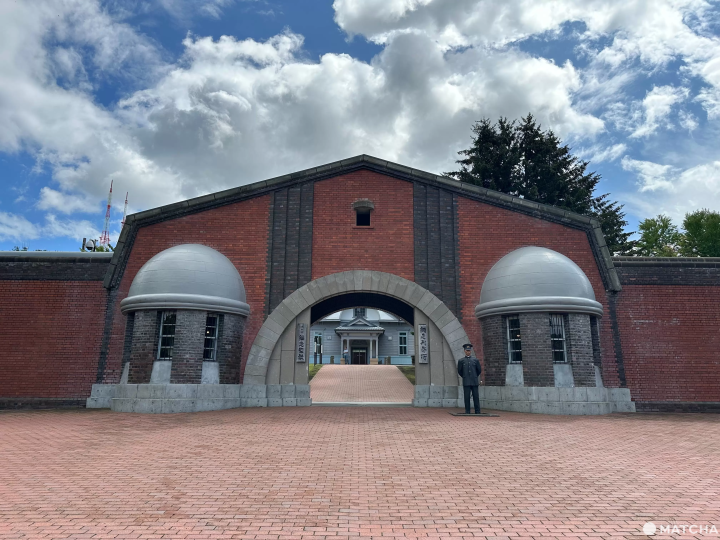
By the late 20th century, many of the original Meiji-era wooden structures had become obsolete for active penal operations. Rather than demolishing these architectural marvels, regional authorities and preservationists orchestrated a massive relocation project. The historic buildings were carefully disassembled, moved to their current site, and reassembled to form the open-air museum that opened to the public, ensuring that the physical evidence of Hokkaido’s volatile foundational era would not be lost to time.
Pop Culture Renaissance and Modern Stardom
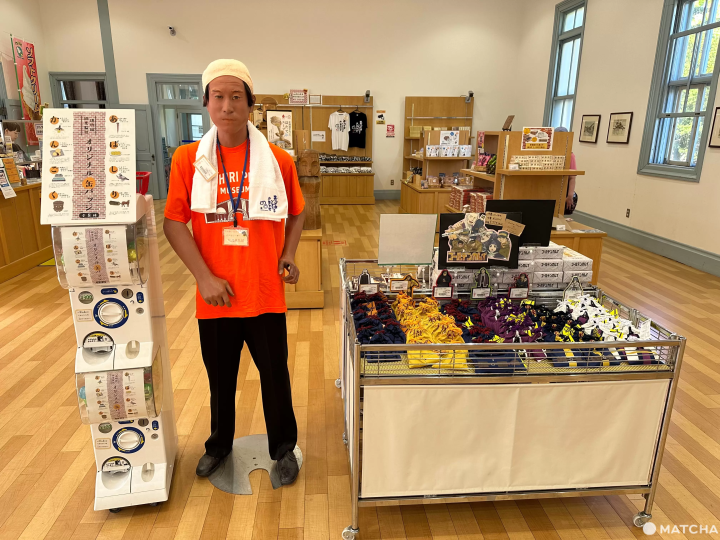
In recent decades, the Abashiri Prison Museum experienced a cultural renaissance. Historically cemented in the public consciousness by Ken Takakura’s iconic 1960s yakuza-adjacent film series, Abashiri Bangaichi (Abashiri Prison Branch), the site achieved global recognition through modern media. Most notably, Satoru Noda’s award-winning historical manga and anime series Golden Kamuy featured Abashiri Prison as a central narrative focal point, sparking a massive influx of international tourists and younger generations eager to retrace the steps of the series’ fictional convicts.
Supporting Context & Metrics: Architecture, Artifacts, and Operations
Operating on a grand scale, the Abashiri Prison Museum merges historical preservation with rigorous museum curation. The facility’s operational metrics, architectural layouts, and visitor infrastructure reflect its status as a premier tourist and historical destination.
Architectural Masterpieces and Cultural Designations
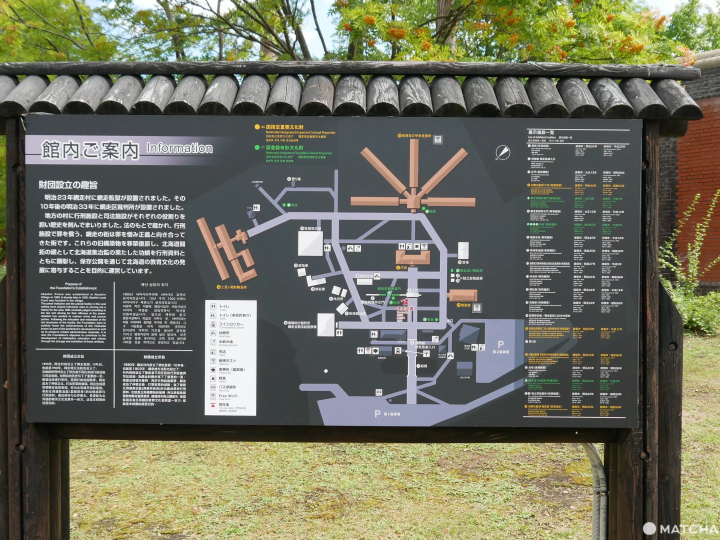
The museum grounds span a vast acreage, housing several structures recognized at the national level:
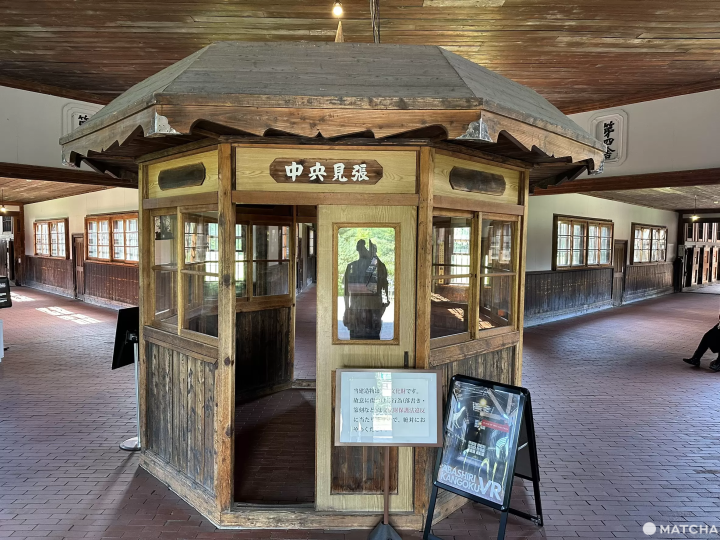
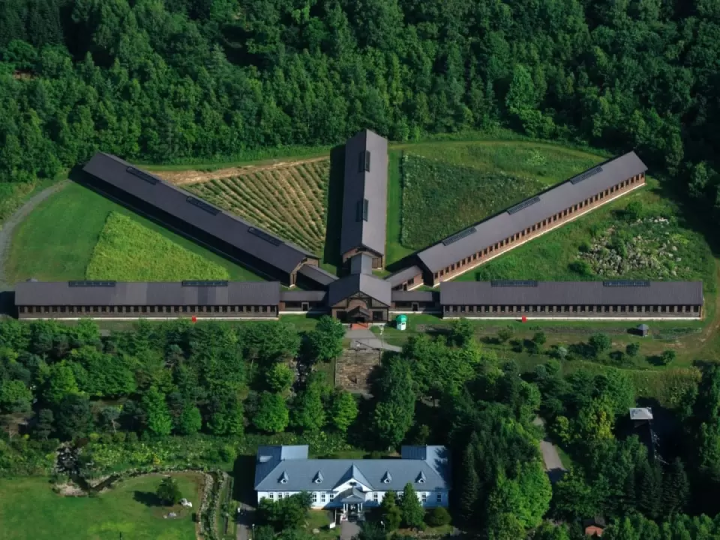
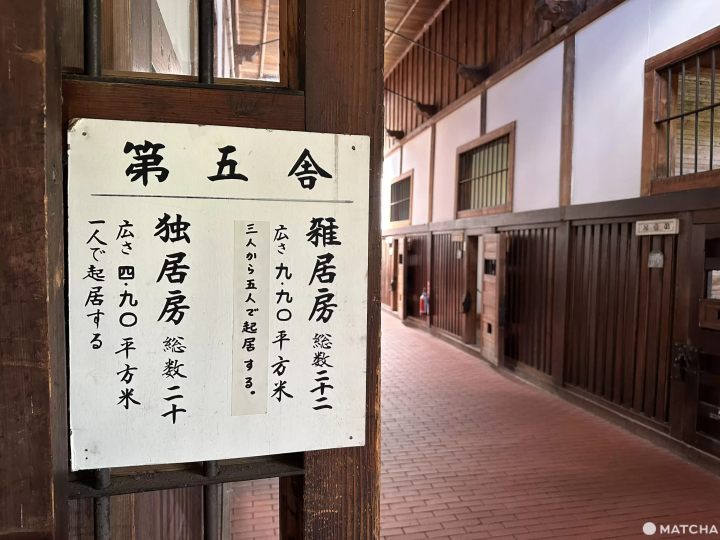
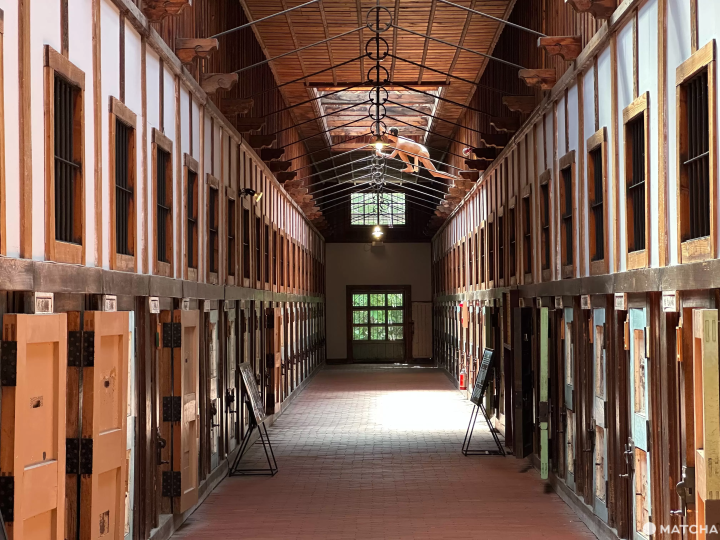
- The Five-Wings Radial Cell Block & Central Guardhouse: Recognized as an Important Cultural Property, this is the world’s oldest existing radial prison cell block. Built with five wooden corridors extending outward from a central hub, it allowed a single guard to maintain 360-degree surveillance. The building contains 226 cells, which historically held up to 1,000 inmates during periods of severe Meiji-era overcrowding.
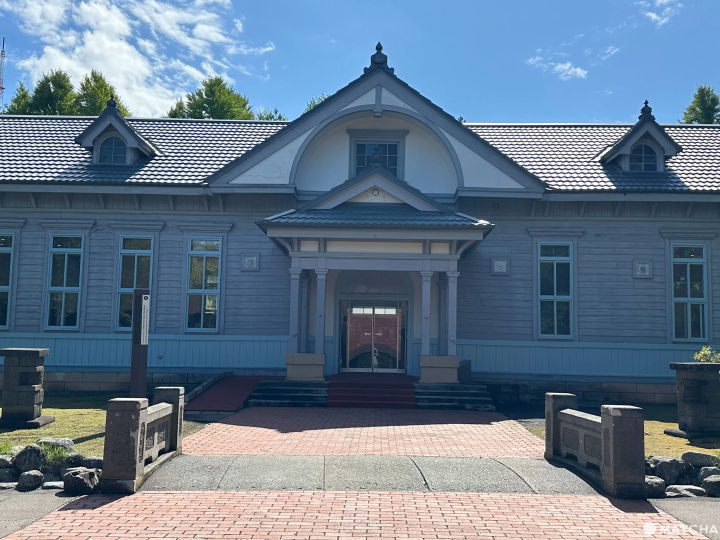
- The Main Administration Building: A stunning example of Meiji-era pseudo-Western architecture, blending traditional Japanese carpentry with Western institutional design. It housed the warden’s quarters, security offices, and administrative desks.
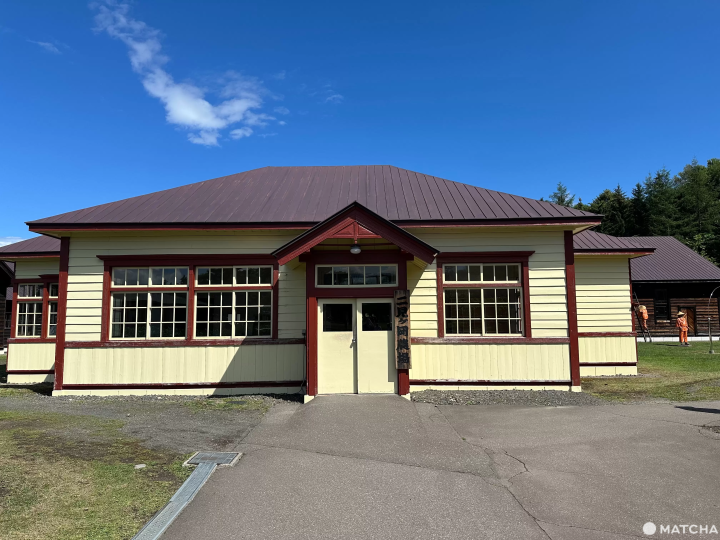
- The Lecture Hall: Constructed in 1912, this spacious wooden hall hosted moral instruction sessions and religious lectures delivered by visiting Buddhist monks and Shinto priests aimed at inmate rehabilitation.
- Futami-oka Prison Branch: A self-sustaining agricultural and livestock facility representing an early experiment in open-prison programs for model inmates.
Curatorial Highlights and Interactive Exhibits
Beyond architecture, the museum employs immersive techniques to convey the lived experience of prisoners:
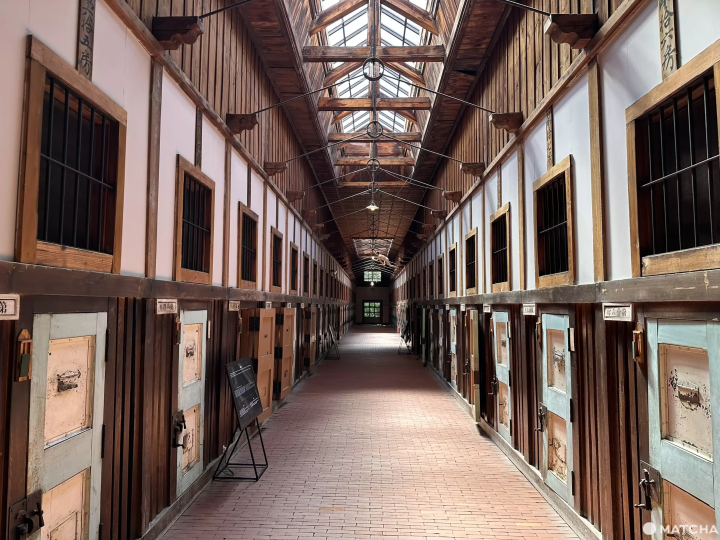
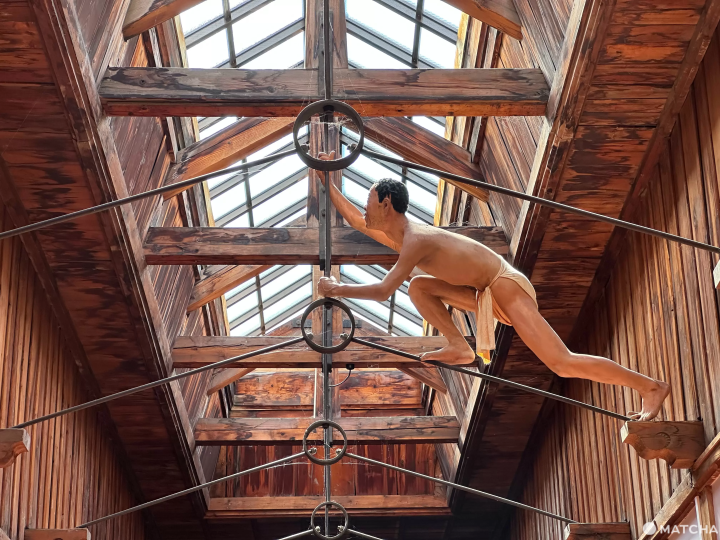
- The Legend of Yoshie Shiratori: The museum immortalizes Japan’s most infamous escape artist, Yoshie Shiratori, who broke out of Abashiri Prison by corroding his window frame with salted miso soup over weeks and exploiting his ability to dislocate his joints.
- The Strict Bathhouse Regime: Exhibits detail how bathing was tightly controlled, restricting inmates to five baths per month in summer and just once a month in winter. A precise 15-minute drill allowed groups of 15 prisoners to undress, wash, soak, and dress under strict guard commands.
- The Prison History Museum: A modern, two-story facility utilizing interactive digital displays, authentic artifacts, and tactile exhibit zones where visitors can lift the heavy iron tools and ration packs once carried by forced laborers.
Quantitative Overview: Visitor Logistics and Pricing
- Parking Capacity: Over 400 vehicles, accommodating high volumes of domestic road-trippers.
- Admissions Structure:
- Adults: 1,500 yen
- High School Students: 1,000 yen
- Elementary and Junior High Students: 750 yen
- Transit Access: A convenient 10-minute ride via the Sightseeing Facility Bus (Kanko Shisetsu Meguri Bus) departing from JR Abashiri Station, bringing visitors directly to the museum gate while bypassing the active, modern Abashiri Prison (Keimusho-mae).
Official Perspectives: Preserving a Complicated Heritage
Curators and cultural heritage officials at the Abashiri Prison Museum maintain a delicate balancing act: honoring the suffering of past laborers while educating the public on regional infrastructure development.
In institutional briefings, museum directors emphasize that the preservation of Abashiri is not an endorsement of past penal brutality, but rather a vital act of historical accountability. "The roads, bridges, and agricultural lands that form the backbone of modern Hokkaido were built upon immense human hardship," notes a senior historical researcher affiliated with the site. "To understand Hokkaido today, one must look directly at the structural violence of the Meiji reclamation projects. These wooden buildings are silent witnesses to a dark chapter that must never be sanitized or forgotten."
Furthermore, local tourism boards acknowledge the profound economic impact of pop-culture tourism. The influx of Golden Kamuy fans has transformed Abashiri from a regional historical site into an internationally recognized pilgrimage destination. Authorities have successfully leveraged this entertainment crossover to drive broader educational engagement, ensuring that pop-culture tourists who arrive for anime sightseeing depart with a profound appreciation for authentic Japanese legal and social history.
Future Outlook: Sustainability, Education, and Digital Integration
Looking toward the future, the Abashiri Prison Museum faces the ongoing challenge of preserving aging wooden architecture against Hokkaido’s punishing freeze-thaw cycles and heavy snowfall. Conservation architects continuously employ specialized techniques to stabilize century-old timber frameworks without compromising their historical integrity.
At the same time, the museum is expanding its digital and educational offerings. Plans are underway to integrate augmented reality (AR) walking tours, allowing visitors to view digital reconstructions of historical camp conditions overlaid onto physical site locations. Multilingual translation apps and immersive audio guides are being enhanced to better serve the surging wave of international travelers.
Ultimately, the Abashiri Prison Museum is poised to remain a cornerstone of Hokkaido’s cultural tourism landscape. By bridging the gap between harrowing historical truth and accessible public education, the institution ensures that the echoes of Japan’s northern frontier will continue to resonate with scholars, travelers, and history enthusiasts for generations to come.








Belum ada komentar. Jadilah yang pertama berkomentar!